

“The withdrawal can be brutal for some people.”
— Jana Wu, Mountainside Treatment Center
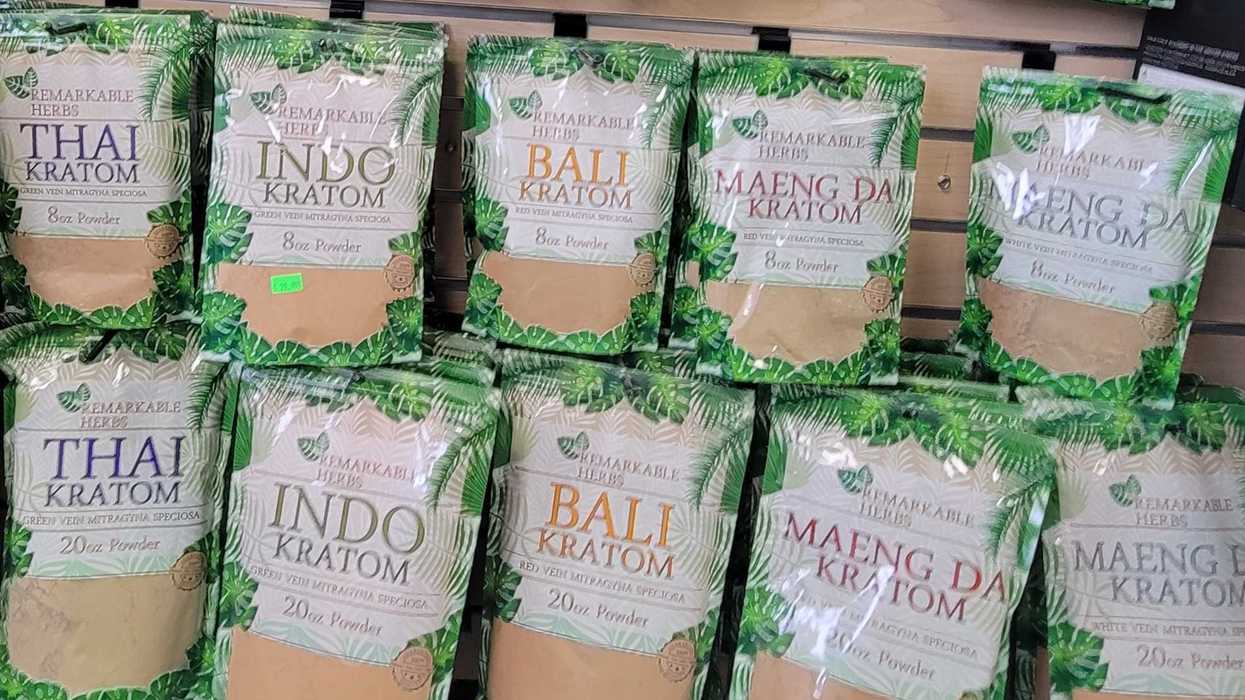
NORTH CANAAN — Kratom products are disappearing from smoke shop shelves across the Northwest Corner after Connecticut classified the substance as a Schedule I controlled drug, effectively banning its retail sale.
Long marketed as a legal herbal supplement and widely sold in smoke shops, convenience stores and gas stations across the region, kratom is now being removed from store shelves as retailers move to comply with the state ruling.
Kratom is a plant-derived substance made from the leaves of a tropical tree native to Southeast Asia. In the United States it has been sold as a powder, capsule or drink additive and promoted by some users as a way to manage pain or ease opioid withdrawal symptoms.
The change became official Feb. 24 when the state’s Legislative Regulation Review Committee unanimously approved regulations placing kratom on Connecticut’s controlled substance schedule.
“We’ve been watching the rise in kratom dependency across the United States for several years, and Connecticut becoming the seventh state to schedule it is a significant policy shift,” said Jana Wu, director of clinical integration at Mountainside Treatment Center in Canaan.
Concerns about kratom use and dependency have surfaced in the region, as clinicians in the Northwest Corner report seeing increasing numbers of patients seeking help for kratom use or withdrawal.
Providers at Mountainside, High Watch Recovery Center in Kent and clinicians with the McCall Behavioral Health Network in Torrington have previously noted the substance’s growing presence in treatment settings across the region.
Supporters of the ban, including state representatives and the state Department of Consumer Protection, cited public health risks and the need to keep unregulated substances away from children, often referring to it as “gas station heroin.”
“Many of the patients we see initially began using kratom to manage anxiety, chronic pain, or withdrawal from other substances, believing it to be a safer alternative, but over time developed tolerance and dependence,” Wu said. “The withdrawal can be brutal for some people. As access changes, it will be critical to ensure that individuals already using kratom daily have accurate information, medical guidance, and access to detox and treatment resources.”
Sharp rise in admissions
Wu noted that sudden bans such as the one involving kratom can also create risks for people who are already dependent, potentially triggering withdrawal and pushing some toward more dangerous opioids.
Mountainside reported a sharp rise in kratom-related treatment admissions. Internal data from the treatment center show 67 clients were admitted for kratom use in 2024, rising to 184 admissions in 2025.
According to the center’s clinical data, patients presenting with kratom use also show higher rates of underlying mental health conditions, including anxiety, depression and ADHD.
Clinicians say kratom use is also appearing among younger adults, including college-aged users. At Mountainside, patients presenting with kratom use tend to skew younger than the overall treatment population, with many in their mid-20s.
Concerns about youth access, unregulated sales
State officials said the move to ban kratom in all its forms was driven by concerns about unregulated sales and youth access.
“These substances pose a significant public health risk, particularly to children, as they have been widely available for purchase by people of all ages, with no regulation, testing, or other public health protections,” said Department of Consumer Protection Commissioner Bryan T. Cafferelli in a statement announcing the ruling.
Lawmakers on the committee said the vote reflected bipartisan concern about the drug’s accessibility.
“Kratom is dangerous to our kids. It doesn’t belong in places where they can easily access it,” said Rep. Christie Carpino (R-32), co-chair of the Legislative Regulation Review Committee. “Today we took a bipartisan vote to keep it away from our kids and other individuals unaware of the harm it can cause.”
Mountainside has hosted a free, open-to-the-public kratom recovery support group since 2023, offering a space for people to discuss how the substance is affecting their mental and physical health, relationships and finances.
While the group has drawn participants from across the country and internationally, clinicians said they are now seeing a growing number of Connecticut residents joining in search of information and support, reflecting the drug’s increasing presence locally.
Kratom products being pulled from shelves
Kratom has been marketed in the United States as a supplement that some users say helps manage pain or ease opioid withdrawal symptoms. It has no approved medical use and is not prescribed by physicians.
State officials say kratom products have been widely available in Connecticut at gas stations, convenience stores and smoke shops, often without age restrictions, testing requirements or product labeling standards.
In addition to kratom and its derivative 7-hydroxymitragynine, the updated controlled-substance schedule also adds several other substances, including bromazolam, flubromazolam, nitazenes such as isotonitazene, tianeptine and phenibut, drugs that officials say have raised concerns among health and law enforcement agencies.
The law allows regulators to reconsider the classification in the future if new research establishes a verified medical use for kratom.
Retailers across the Northwest Corner are expected to be affected as stores move to comply with the new classification.
State officials say they will work with local law enforcement and health agencies to implement the change and educate retailers about the new classification.
The ban means that law enforcement officials in the state will treat kratom the same as other substances that are considered to be dangerous and addictive with no accepted medical use, such as heroin or MDMA, a synthetic drug commonly known as ecstasy.
It also prevents kratom products from being sold in the state, and people could face drug charges related to the possession or distribution of kratom.
Following the ban, the Canaan treatment center reported that Wu was visiting Connecticut gas stations and smoke shops “where kratom products are being pulled from shelves in real time as retailers rush to comply with the state’s new classification.”






 Pay Bill for Robin Starr’s service in the Continental Army.Courtesy the Alex Breanne Corporation
 John Mills speaking at Quinnipiac University.Courtesy the Alex Breanne Corporation




