Part 1 of 2WINSTED — Political squabbling and rejected budgets created many headlines in town in 2012, but charitable events, town celebrations and new business openings also made the year a memorable one for the Laurel City.For the first time in many years, two Winsted residents ran against each other for the state’s 63rd District House seat in the general election, which saw the reelection of President Barack Obama.It was also a long budget season with the town’s fiscal 2012-2013 plan passing Oct. 27, after being rejected three times.The year actually started on a high note, as Gov. Dannel P. Malloy visited Winsted at the end of December 2011 to announce the approval of Small Town Economic Assistance Program (STEAP) grants to fund capital projects in town and across the Northwest Corner.Malloy visited Walker Field to announce, along with Mayor Maryann Welcome, that the town will receive $125,000 to fund a construction project to build permanent restrooms at the field.JanuaryAt the first selectmen’s meeting of the year on Jan. 3, the board discussed ways of curbing overexpenditures in town departments in response to findings in the town audit for 2009-10.The audit showed that 14 departmental line items had been overspent in 2009-10 to the tune of $310,042.On Jan. 25, 25 residents attended a meeting at The Gilbert School to discuss the possibility of closing a building in the town’s school district. The issue remained contentious throughout the year, with proponents of a new school pointing to a report by consultant Joseph Castagnola, a former superintendent of the year in Connecticut, who strongly recommended building a new facility for the public kindergarten-through-eighth-grade system. The Board of Education had announced in 2011 that it planned to close a school building, but did not.Additional meetings took place throughout the year and Castagnola’s recommendations for Winsted never materialized.FebruaryOn Feb. 4, 80 people took a dip into the icy waters of Highland Lake in the ninth annual Penguin Plunge. The event raised $45,000 for Special Olympics Connecticut.On Feb. 7, Democratic Selectman Michael Renzullo announced his run for a seat in the state’s General Assembly in the 63rd House District. Former Republican selectman Jay Case subsequently threw his hat into the ring and won the 63rd district seat by a vote of 5,657 to 3,892.“My priorities will be to get the state’s fiscal book in order and to stop taxing residents too much,” Case said in an interview after his victory. “I want to figure out what the state is doing wrong with its budget, and in order to do that I am willing to work across party lines.”On Feb. 17, 30 people from local businesses and organizations attended the Re-Inventing Your Business seminar, organized by the Winchester Economic Development Commission and Friends of Main Street.The seminar offered classes on connecting with online resources and included appearances by both state and federal government officials.Toward the end of winter, two new businesses opened their doors to customers.Redline Power Sports opened in the former location of Canton Cycles at 70 South Main St. The store offers new original equipment manufacturer and aftermarket parts for all types of motorized vehicles, along with a wide selection of accessories for riders of motorcycles, all-terrain vehicles (ATVs) and watercraft.Yajaira’s, a women’s apparel shop at 452 Main St. was opened by Winsted resident Yajaira Duran. The store sells a wide variety of shirts, scarves, perfumes, shoes and handmade jewelry.MarchIt was music to everyone’s ears on March 10 as the First Church of Winsted held its first Steam Vent Coffee House of the year. The monthly event continued throughout the spring, summer and fall and ended in November, raising a total of $3,700 for church and YMCA programs.On St. Patrick’s Day, March 17, the Highland Lake Watershed Association (HLWA) held a successful benefit party at Crystal Peak.AprilGerald Winn, a local veteran who was wounded in Vietnam, received long overdue honors at a ceremony held April 2 at Veterans of Foreign Wars (VFW) Post 296. Winn earned the Purple Heart and several other medals, including the Combat Action Ribbon, Medal of Good Conduct and Vietnam Service medal. Winn had never received any of the actual medals due to prolonged hospitalization. Congressman John Larson (D-1) presented Winn his Purple Heart at emotional ceremony.At the beginning of April, The Valley Thrift Shop moved from its Gay Street location, where it operated for 20 years, to a new location on 714 Main St. The store is owned and operated as a nonprofit organization which donates profits to 18 local charitable organizations.On April 4, Gov. Malloy was among the dignitaries who attended a groundbreaking ceremony at the future location of Carriage Maker Place, which will be the fourth senior housing complex operated by the Winchester Housing Authority.On the following day, April 5, Sen. Richard Blumenthal visited Winsted and met with several local town leaders and business owners to discuss the local economy. Blumenthal stopped at businesses including BNB Manufacturing, the Gilson Cafe and Cinema, the Health Food Corner and the Winsted Super Saver grocery store.The town’s budget season started on April 9 as the Board of Selectmen approved a proposed fiscal year 2012-2013 budget of $32,388,777. The proposed budget represented a 2.14 increase in the mill rate from 25.43 mills to 27.57 mills. The proposed tax increase was overwhelmingly rejected, setting off a prolonged budget season, six months in duration. The town finally passed the fourth proposed budget of the year on Oct. 27, when selectmen presented a zero tax increase. The town’s mill rate remained the same as it was the previous year, 25.43 mills.On April 28 more than 130 volunteers who took part in the fifth annual town-wide clean up. The volunteers cleaned up different sections of Main Street, the Mad River and other locations around town.MayOn May 10, the Boards of Selectmen and Education held a rare joint meeting to resolve longstanding school funding and legal issues.At the meeting, the Board of Education voted unanimously to drop a lawsuit the previous board had filed for underfunding the state-mandated minimum budget requirement (MBR) for the school district for school year 2011-12.After the Board of Education voted to drop the lawsuit, the Board of Selectmen unanimously voted to fund the $1.3 million MBR-related funding gap.On May 14, the historic Mitchell Fountain in East End Park was turned back on after a yeal long restoration project was completed. The project restored the fountain to its original state, which dates back to 1883, when it was donated to the town by Mary Ann Blake Mitchell.On May 19, pets, children and families marched down Main Street as the Winsted Rotary Club held its 76th annual Pet Parade. The event was watched by hundreds of people, from the kickoff on Meadow Street to the parade’s end at East End Park.On May 24, again at East End Park, friends and families watched 182 students from Northwestern Connecticut Community College (NCCC) graduate at the college’s 46th commencement ceremony,“This is a small college that does great things,” college President Barbara Douglass said at the beginning of the commencement ceremony. “We gather today to honor our graduates. All of our graduates are special. Each one of them has a unique story to tell.”JuneOn June 2 and 3, several hundred people packed the Whiting Mills Building on 100 Whiting Street during the arts community’s Open Studios event.Twenty of the artists in residence, along with 23 guest artists from all over Connecticut and New York, took part in the celebration of local art.June also brought Winsted’s 78th annual Laurel Festival, in which Northwestern Regional High School senior Bethany Scott was crowned the 2012 Laurel Queen.In a program launched and largely funded by Town Manager Dale Martin, several films were screened outside at Walker Field, including “Willy Wonka and the Chocolate Factory,” “Ghostbusters” and “Back to the Future.” Martin started the film series as a way to give back to the community and residents were invited to attend the movies free of charge.On June 18, The Gilbert School held its 117th commencement ceremony, graduating 85 seniors. “Whether we go on to trade school, college the military or the workforce, we will always remember our days here at Gilbert, the best school in the state of Connecticut,” Class Salutorian Ali Corso said at the ceremony.Pick up next week’s issue for the second half of this review.JulyOn July 5, country-rock band Last Train Out kicked off the summer concert season at East End Park for a crowd of about 60 people, who enjoyed sunny skies on July 5.The weekly concerts in the park series was held every Friday night, courtesy of Friends of Main Street. The Winsted Farmers Market opened for a second year at East End Park on July 6 with a selection of produce and goods made in the local area.The open-air market was held each Friday at the park until Sept. 14.On July 14, despite the hot and humid weather, there was plenty of skiing at Morsel Munk’s first ever Rail Jam event, which was held outside the sporting goods store’s South Main St. location. New Hartford’s Ski Sundown ski resort, which co-sponsored the event, brought two truckloads of freshly made snow for skiers and snowboarders to enjoy.On July 21, 45 residents attended The Winsted Elks Lodge’s first ever toga party.The majority of of the attendees all wore togas, which were worn by Romans and popularized in recent years by the movie “Animal House.”AugustOn Aug. 4 after almost two years in business The Green Room at 64 Main St. shut down with a farewell concert by the band Grant’s Tomb on Saturday, Aug. 4.During its existence, the restaurant was a popular hangout for both residents and out-of-towners as it featured concerts, open mic nights, board game nights hosted by Town Manager Dale Martin and various culinary cookoffs.A few weeks later in early September, Rachel’s Bakery Cafe opened up in The Green Room’s former space. The bakery, which offers a wide variety of baked goods and other foods, is owned and operated by Rachel Reeve and her mother, Kathy Somoroff,On Aug. 5, the third annual Wiener Dog Race was held at the Little League Field.The event was open to any and all dachshunds and their owners and while the turnout this year was lower than the previous two races with only eight entrants, the dogs and the owners still had a dog gone good time.The 150th annual Winsted Firemen’s Carnival and Parade was held on Aug. 17 and 18 at Rowley Field. The carnival offered family fun including a selection of rides and entertainment for both young old. The parade, which was held on Main St. on Aug. 18, included more than 70 fire departments from across Connecticut who shared in the celebration.SeptemberIn early September, Winsted Pizza, located on 501 Main St., abruptly closed its doors. The restaurant, formerly known as Zulli’s, had served specialty pizzas and Italian dishes.Later in the month, town Finance Director Henry Centrella announced that, after working for the town for 32 years, he would retire. He did not set a date for his departure. In November, Centrella was placed on paid administrative leave by Town Manager Martin due to accounting irregularities in the long overdue audit of the 2010-2011 town budget.OctoberIn early October, The Winsted Diner, located at 496 Main St., re-opened its doors.The diner, located at 496 Main St., has been in business since 1931 but was shut down in March 2011 by current owner Jean Bauer due to financial difficulties.In late September, residents Nelson Manning and Asa Flint signed a one-year lease with Jean Bauer to operate the diner.On Oct. 6, hundreds of people and dozens of vendors occupied the north side of Main St. as the town held it’s Fall Foliage Festival, showcasing local businesses and non-profits. The town’s first-ever motorcycle show coincided with the festival.In mid-October, the former Donut Station at 314 Main St. became the Bear Claw Coffee House, under the ownership and management of Roberto Rodriguez.On Oct. 29, Hurricane Sandy devastated shoreline areas of Connecticut, New York City and New Jersey. Winsted escaped the storm without serious damage, but about half of the town’s electricity customers were without power at the storm’s peak.NovemberA ribbon-cutting ceremony to welcome Winsted Grocery at 161 Main St. was held on Nov. 19. The convenience store opened in October.In mid-November, Spectrum Healthcare announced plans to close its Laurel Hill Healthcare facility in Winsted after filing for bankruptcy. All residents were expected to be moved out of Laurel Hill by mid-January, 2014.DecemberOn Dec. 1 downtown Winsted became a winter wonderland as local businesses participated in the town’s Christmas on Main Street celebration. Horse-drawn hayrides took residents on tours throughout town, courtesy of Bunnell Farm, and participants enjoyed hot cocoa, popcorn and sweets. Mayor Welcome said events like Christmas on Main Street are important to the town.“Anytime businesses and residents come together, it makes things better for the town,” Welcome said.
Latest News
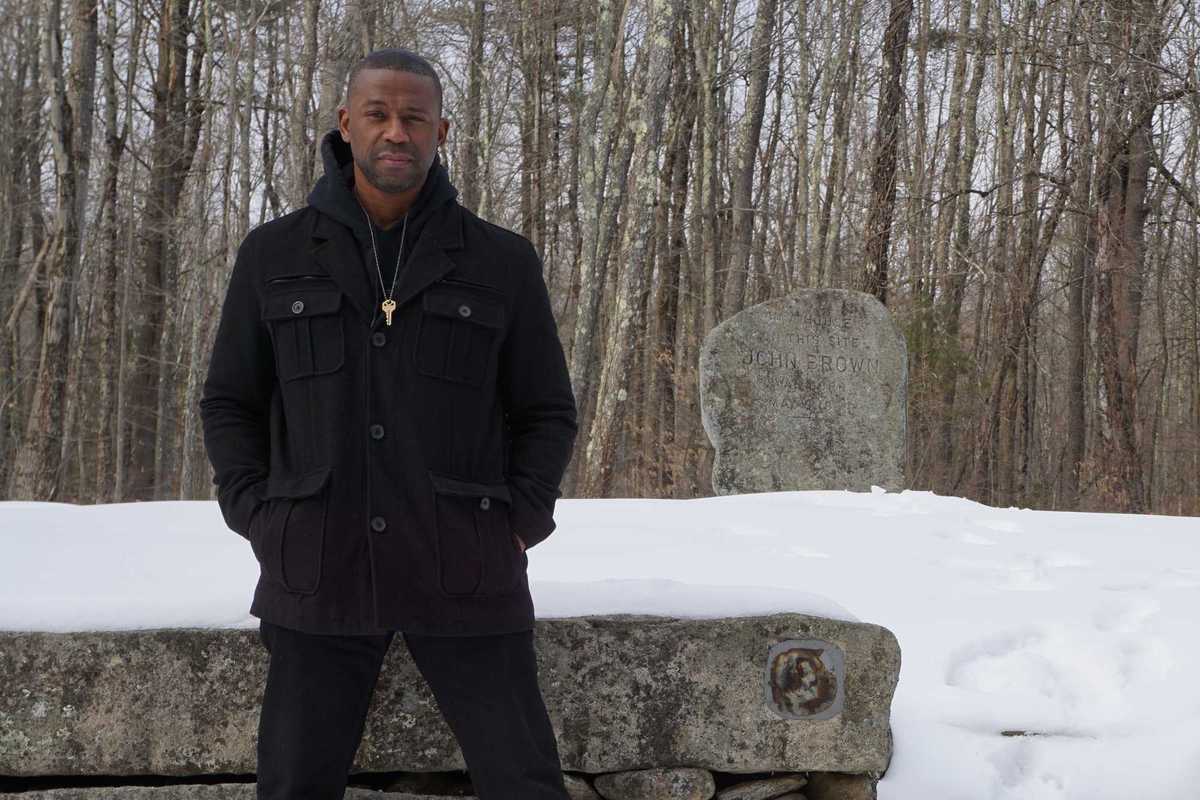
One systemic consequence of slavery is the loss and obscuring of the histories of those who were enslaved. Records were often not kept about where Africans had been stolen from or who they were related to. Families were torn apart, leaving nothing but the faintest traces of the past. The delineation point, where genealogists can no longer trace histories back, is refered to this as the “document wall.”
Today, 250 years after the signing of the Declaration of Independence and more than 160 years since the Emancipation Proclamation, there is a growing effort to restore some of the history stripped from enslaved people and their descendants. Among the leaders of these efforts is Mills, president of the Alex Breanne Corporation, a nonprofit organization that works to identify previously anonymous Black Americans from history and connect them with their living relatives.
The work began with Mills’ sister, who started digging into their family’s past in the 1990’s and introduced him to this emerging world of genealogy. Through that process, the Mills family discovered their great-great-grandfather, Ned Mills, who had been enslaved in Texas. His last name came from his final enslaver and remains the family surname. Through their research, they found that the document wall directly affected their ancestor, who learned of his liberation on June 19, 1865, now commemorated as Juneteenth.
“For the first time,” Mills writes on his website, “American slavery wasn’t something that had happened to anonymous people in a history book. It had happened to my family.”
The discovery gave Mills a familial pride he had been missing for years. That pride fueled his desire to help others find their own history. In 2023, Mills received his certificate in genealogical research from Boston University. He has used his expertise to help descendants of enslaved people uncover histories they never dreamed of learning.
To do this, he uses a process called “reverse genealogy,” identifying a person from the past and working forward to discover their descendants. Along the way, Mills has found some remarkable people who fought for freedom on American soil, some of whom were never freed.
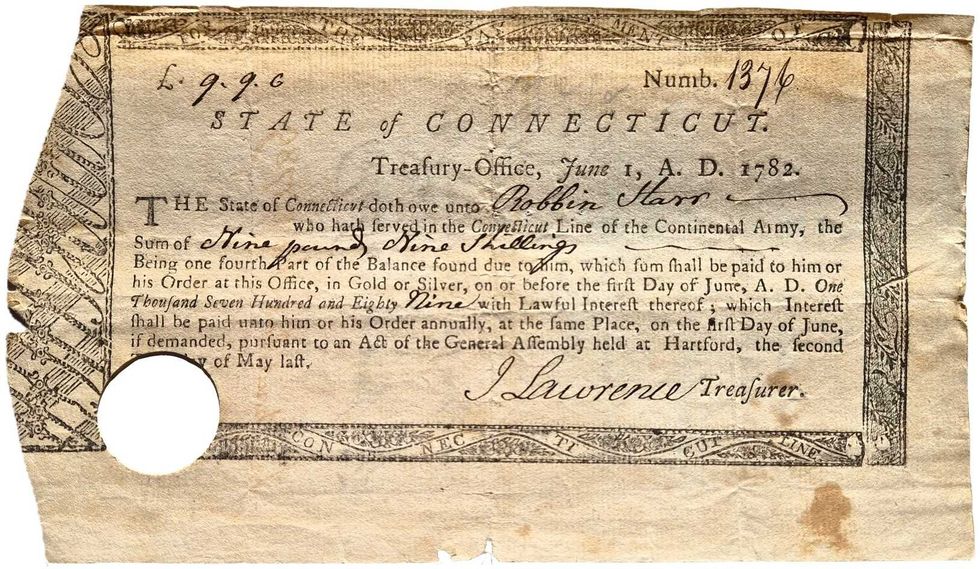 Pay Bill for Robin Starr’s service in the Continental Army.Courtesy the Alex Breanne Corporation
At the Cornwall Historical Society event, Mills will present the stories of four Connecticut families: Job Lathrop of Norwich, the son of Pirmus Armes, about whom Mills has published a book; Prince Mortimer of Middletown, also the subject of a book by Mills;, the three sons of London Wallace of Simsbury; and Robert “Robin” Starr of Danbury, who later lived in Cornwall and Sharon.
A few years ago, Cornwall Consolidated School social studies teacher Will Vincent reached out to Mills for research guidance on a local history project his students were undertaking. Together, they learned about Naomi Freeman of Cornwall. After purchasing an acre of land on Great Hollow Road in 1828, Naomi Freeman became the first Black female landowner in Cornwall.
The students petitioned the town to rename a road after the historic Cornwall resident In April 2025, Great Hollow Road was officially renamed Naomi Freeman Historic Road. U.S. Rep. Jahana Hayes joined Mills and the Cornwall Consildated School students for a presentation of their research.
Since then, Mills has guided the students in their quest to learn more about Starr’s story. Starr was a Revolutionary War soldier who joined the Continental Army to earn enough money to buy his own freedom, receiving the Badge of Merit in the process. The stories of his descendents’ services are equally worthy of their own books.
In recognition of Mills and the students’ work, First Selectman Gordon Ridgway proclaimed Feb. 8 as Robin Starr Day.
Preregistration is required for the event at the Cornwall Historical Society. To learn more about Mills’ work, visit
alexbreanne.org.
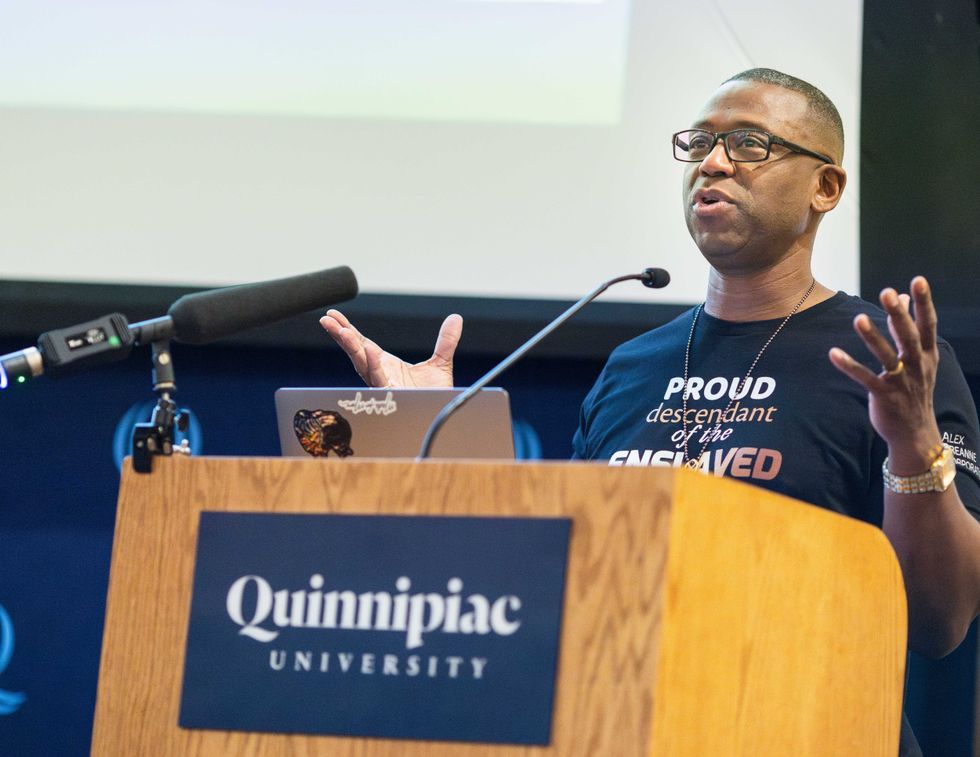 John Mills speaking at Quinnipiac University.Courtesy the Alex Breanne Corporation
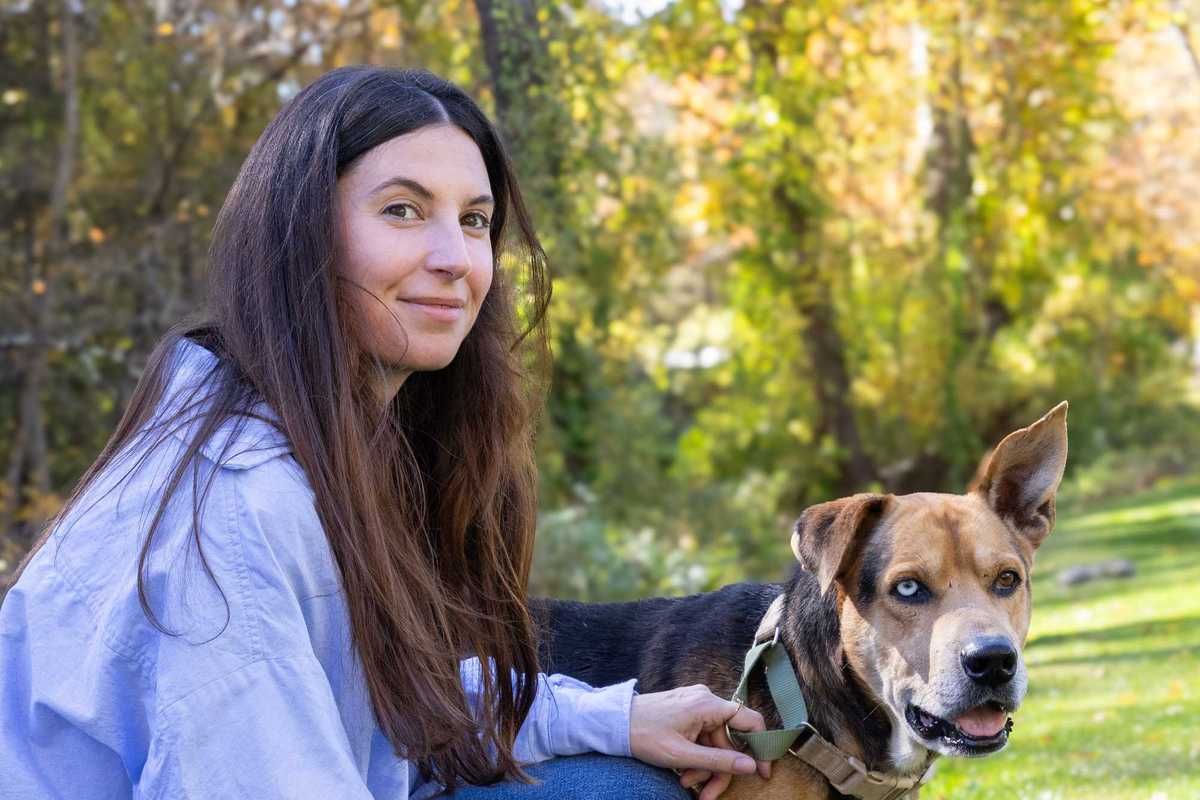
Stephanie Saetta runs Charlie Chicken Bones, a sanctuary in Salisbury.
Dogs have been at the center of Saetta’s life since childhood. She remembers going to the library to research different breeds and trying to convince her parents the family needed a dog. She had her heart set on an Irish Wolfhound, but she was more than happy when her mom brought home a West Highland terrier.
After college, she adopted Charlie as a puppy from a rescue on Long Island. He was a hound-shepherd-Rottweiler mix who suffered from intense seizures. Some veterinarians recommended euthanasia, but Saetta wasn’t ready to give up on him.
When Charlie would have an episode, she would sit with him, nose to nose, talking him through it. She learned to look for the moment he began to come around — when he could smell her again and his tail started to wag.
“You only get one or two of these soul connection dogs, so I do this in his honor,” Saetta said. “I like to think that all the dogs that come through are going to have that person that they connect with just the same.”
Through a network of women working to rescue animals in Texas, she learned about the desperate situations facing many dogs.
With limited space, some public pounds euthanize even healthy animals to make room. Limited access to veterinary care leaves sick dogs or unvaccinated puppies especially vulnerable.
Saetta saw that reality firsthand with a puppy named Gus, a Labrador mix she fostered who has since been adopted. Gus and his sisters had been dumped beside a road, where they were living under an abandoned car. People would leave food for them, but no one would take them to the pound.
“Even the people who rescue animals down there were like, ‘sadly, the best place for them to be is on the side of the road,’” she said. “That’s safer. Someone might actually help them that way.”
Saetta knows that there are far more dogs than any one person can save, but she also knows that helping one dog means one fewer on the street.
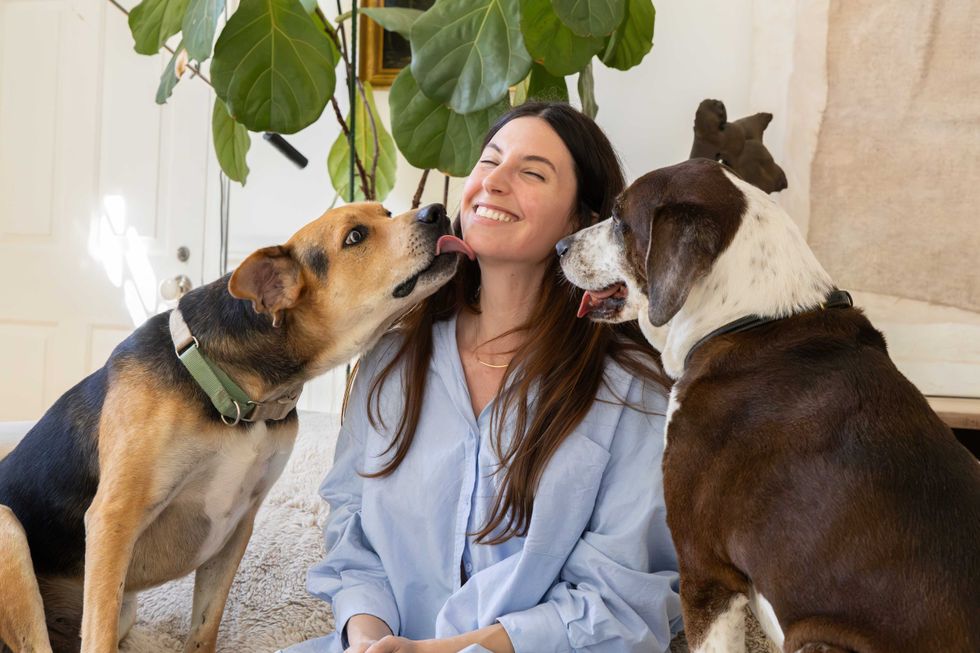 Stephanie Saetta,with her rescue dog George and Blue (left), a shepherd mix awaiting his forever home.Madi Long
Charlie Chicken Bone Sanctuary operates entirely through foster homes, a model that Saetta believes is best for the dogs and the humans hoping to adopt them.
Rather than moving directly from a difficult environment into a permanent home, the dogs have a chance to settle into a quieter setting. They can learn what it’s like to live with a family, sleep somewhere comfortable and receive affection without fighting for attention. Fostering also allows the rescue to really get to know each dog.
“As fosters, we’re honest,” said Saetta. We’ll tell you everything that’s been bad, everything that’s been good. What their temperament is and how they’ve responded to all the things they’ve experienced.”
A successful adoption is not just about finding a dog a home; it’s about finding the right home where the dog and family can thrive together.
Saetta is looking for more people willing to open their homes to foster dogs. She understands that the thought of growing attached and eventually saying goodbye can feel daunting. But she sees that goodbye a little differently.
Fostering means being part of a dog’s journey, even if only for a short time. It gives dogs a safe place to rest, the chance to trust again and the love they have gone without for much of their lives. And when the time comes for them to leave, it is not really a loss. It is the reward of knowing they are moving on to a forever home.
Blue, Saetta’s current foster, is hoping to find his perfect home.
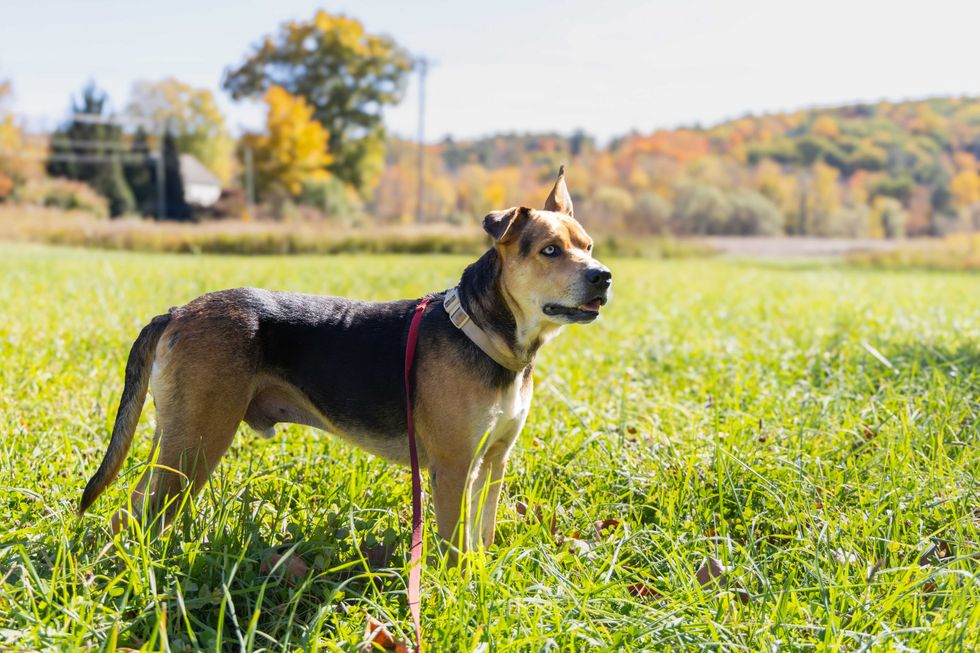 Blue, a 7 year-old Shepard mix, is waiting for his forever home. Madi Long
Now around 7 years old, Blue spent most of his life wandering the streets of Texas. People sometimes left food out for him, but his mangy, dirty coat kept them from stopping to pet him. Today, he has a chance to experience something different.
Blue is still waiting for his forever home. Saetta believes he would do best as the only dog in a household or alongside another senior dog. He will need someone willing to continue working with him on his training and understand that a dog with his history needs patience.
But what he gives in return is a whole lot of love.
“He’s so enthusiastic, he’s so excited for life, he’s so friendly, and he’s got such a good heart, and he loves to cuddle,” Saetta said. “He’s a good, good, good dog.”
For more information on adopting Blue or how to foster, visit ccbsanctuary.org.

Want more of our stories on Google? Click here to make us a Preferred Source.