For decades, Esther Williams was one of Hollywood’s brightest stars, but the swimming sensation of the silver screen has largely faded from public memory — a disappearance that intrigued Millerton filmmaker Brian Gersten and inspired him to revisit her legacy.
As a millennial, Gersten grew up largely unaware of Williams’ influential career. His teen years in Chicago were spent with friends who obsessed over movies, spending hours at their local independent video store,and watching anything that caught their eye. Somehow, though, they never ventured into the glossy world of synchronized-swimming musicals of the 1940s and ‘50s.
Gersten’s life changed when he first saw the documentary “Hoop Dreams,” which follows two young Chicago basketball players as they’re groomed and recruited by scouts with hopes of college stardom – and possibly the NBA. These boys grew up just 40 minutes from Gersten’s home, yet their world felt far away. The film’s power pushed him to take his love of movies to the next level.
After earning a bachelor’s degree in journalism from the University of Colorado, Gersten realized documentaries were his passion. He enrolled at the Salt Institute for Documentary Studies in Portland, Maine before heading to Wake Forest University in North Carolina, where he earned an MFA in documentary film.
Since then, Gersten has made a series of short, often heartwarming documentaries on subjects ranging from pigeon enthusiasts and hollerin’ competitions to the history of bowling in America and even Balloon Boy, the nickname for Falcon Heene, the child at the center of a bizarre media frenzy.
When he’s not making his own films, Gersten often edits and helps structure other projects, including the cycling documentary “Enter the Slipstream” and “Radical Wolfe,” a profile of writer Tom Wolfe.
It was while editing one of these projects that Gersten first encountered Williams.
“Who was this figure? What was going on in these films?” he wondered.
What he learned fascinated him. Williams starred in over 30 movies despite having no formal acting training. A champion swimmer, she made the 1940 U.S. Olympic team, but when the games were canceled because of World War II, Metro-Goldwyn-Mayer saw an opportunity.
Studio scouts recruited Williams, and she took to film like a fish to water. Her confidence, athleticism and, crucially for Hollywood, photogenic looks lit up the silver screen. In 1944, “Bathing Beauty” rocketed her to stardom.
For nearly two decades, Williams starred in one or two films a year, including “Million Dollar Mermaid” and “Skirts Ahoy!”. But as Hollywood turned toward grittier fare, synchronized-swimming spectacles fell out of fashion.
Williams stepped away from the camera, and her fame slowly receded — until Gersten stumbled across a clip and dove in.
Gersten’s short documentary, “Hollywood’s Mermaid” (2026) will screen alongside “Bathing Beauty” (1944) at 7 p.m. Saturday, May 16, at The Moviehouse in Millerton. It will also screen later this month at the Berkshire International Film Festival. Tickets are available at themoviehouse.net.



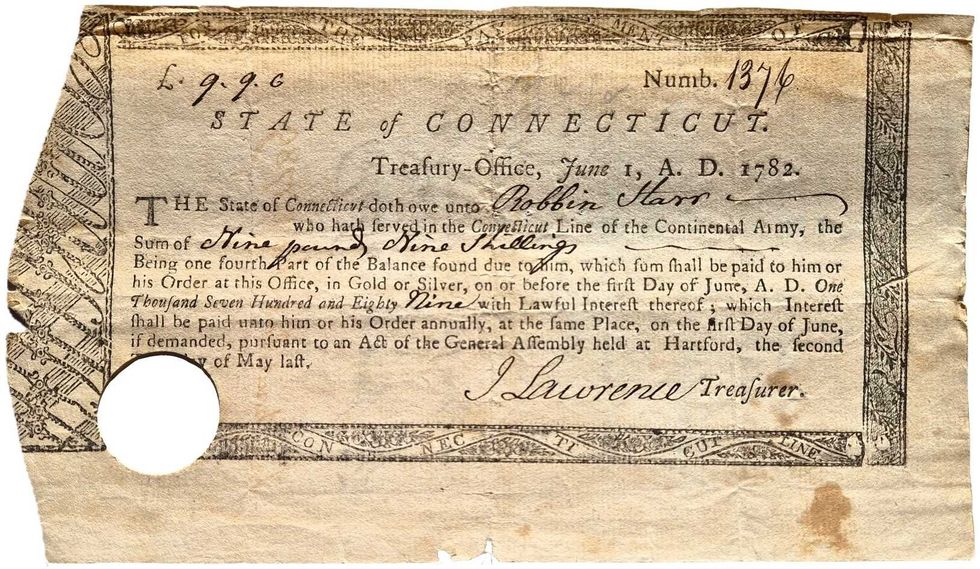 Pay Bill for Robin Starr’s service in the Continental Army.Courtesy the Alex Breanne Corporation
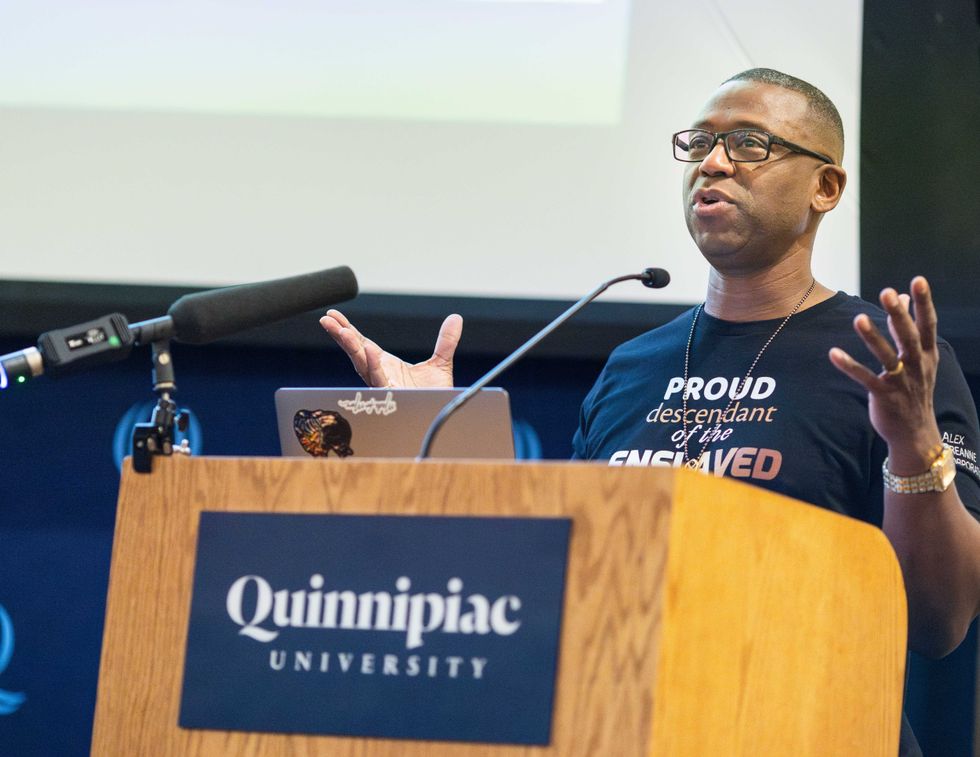 John Mills speaking at Quinnipiac University.Courtesy the Alex Breanne Corporation
 Stephanie Saetta,with her rescue dog George and Blue (left), a shepherd mix awaiting his forever home.Madi Long
 Blue, a 7 year-old Shepard mix, is waiting for his forever home. Madi Long