HARLEM VALLEY — Copake and Hillsdale residents have come together to form the Copake Hillsdale Rail Trail Alliance, with the goal of extending the Harlem Valley Rail Trail from its current terminus in Copake Falls north through the hamlet of Hillsdale.Bart Ziegler, a Hillsdale resident, and Nancy Schultz of Copake are heading up the new organization. “The Rail Trail received a $121,000 grant from the New York State Department of Parks, Recreation and Historic Preservation, with the stipulation that we raise $40,000 in matching funds,” Schultz said. “Our objective over the next 10 months will be to raise that money through trail-related events, grants and donations from the public.”“The Rail Trail extension would be the first physical link between Copake Falls and Hillsdale that is not geared to automobiles. It will create a leisurely way for residents and visitors to bike or walk safely between the two hamlets,” Ziegler said of the extension, which will be approximately 5 miles in length. “[It will also provide an easy way] to visit the new Roeliff Jansen Community Library and the Roeliff Jansen Park, both located along the proposed trail route.”Aside from creating a safe pathway for walkers, hikers and bikers, the Rail Trail extension can become a magnet for economic development, according to Linda Brenner, a member of the Hillsdale Hamlet Committee. “In the development plan for the Hillsdale hamlet that it created last year, the planning firm, Project for Public Spaces, identified the extension of the Rail Trail as a catalyst that could attract more stores, restaurants and recreational tourists to the area,” Brenner said. “Many are convinced that it is one of the keys to revitalizing Hillsdale’s downtown.”Schultz added that extending the Rail Trail will spur economic development in both towns. “Attracting businesses that cater to those who will use the trail for recreation, including overnight accommodations, food outlets, and other retail establishments [will spur economic activity],” she said.The Rail Trail extension is being coordinated by the Harlem Valley Rail Trail Association, which oversees the envisioned 46-mile trail from Wassaic to Chatham, along with the Columbia Land Conservancy, which is the official recipient of the New York State Parks Department grant.Those looking for more information or to volunteer to work on the alliance should contact Schultz at 518-329-3088 or nancy@nancyschultzconsulting.com; or Brenner at 518-325-7364 or brennerlynda@gmail.com.Submitted by Howard Van Lenten, president of the Roeliff Jansen Community Library Board of Directors.
Latest News
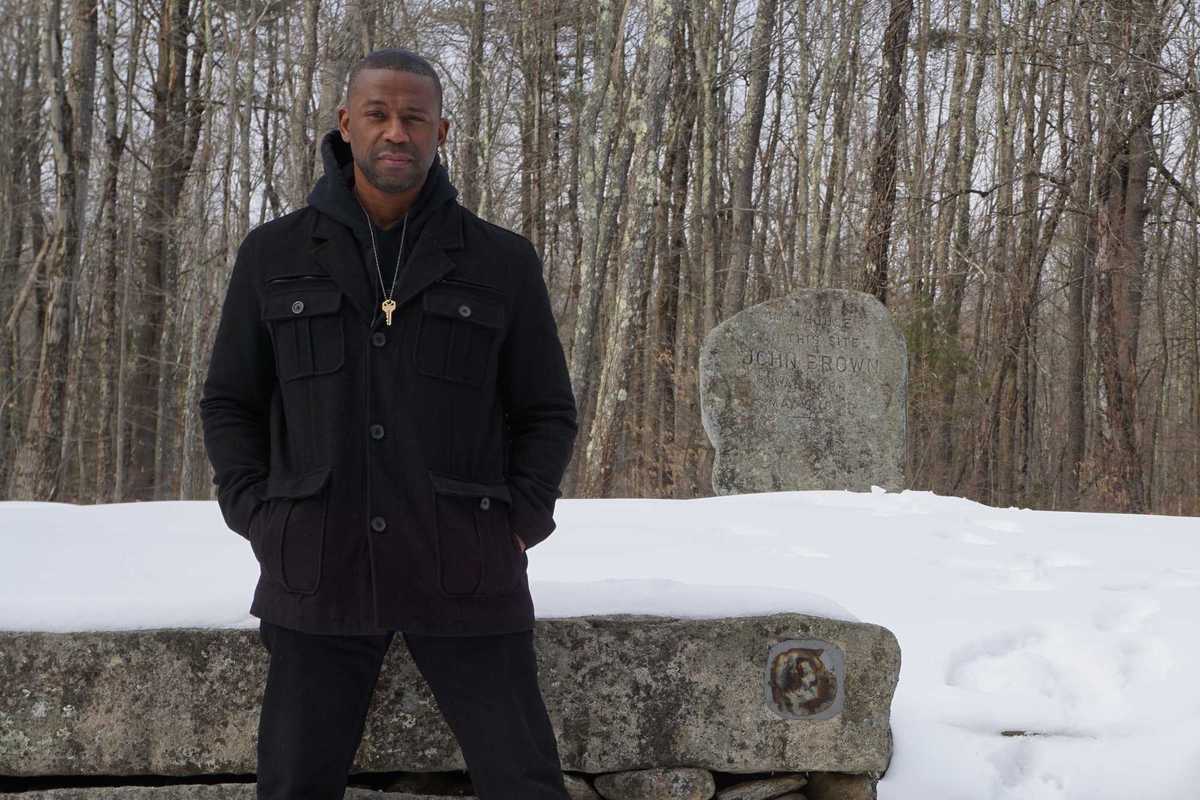
One systemic consequence of slavery is the loss and obscuring of the histories of those who were enslaved. Records were often not kept about where Africans had been stolen from or who they were related to. Families were torn apart, leaving nothing but the faintest traces of the past. The delineation point, where genealogists can no longer trace histories back, is refered to this as the “document wall.”
Today, 250 years after the signing of the Declaration of Independence and more than 160 years since the Emancipation Proclamation, there is a growing effort to restore some of the history stripped from enslaved people and their descendants. Among the leaders of these efforts is Mills, president of the Alex Breanne Corporation, a nonprofit organization that works to identify previously anonymous Black Americans from history and connect them with their living relatives.
The work began with Mills’ sister, who started digging into their family’s past in the 1990’s and introduced him to this emerging world of genealogy. Through that process, the Mills family discovered their great-great-grandfather, Ned Mills, who had been enslaved in Texas. His last name came from his final enslaver and remains the family surname. Through their research, they found that the document wall directly affected their ancestor, who learned of his liberation on June 19, 1865, now commemorated as Juneteenth.
“For the first time,” Mills writes on his website, “American slavery wasn’t something that had happened to anonymous people in a history book. It had happened to my family.”
The discovery gave Mills a familial pride he had been missing for years. That pride fueled his desire to help others find their own history. In 2023, Mills received his certificate in genealogical research from Boston University. He has used his expertise to help descendants of enslaved people uncover histories they never dreamed of learning.
To do this, he uses a process called “reverse genealogy,” identifying a person from the past and working forward to discover their descendants. Along the way, Mills has found some remarkable people who fought for freedom on American soil, some of whom were never freed.
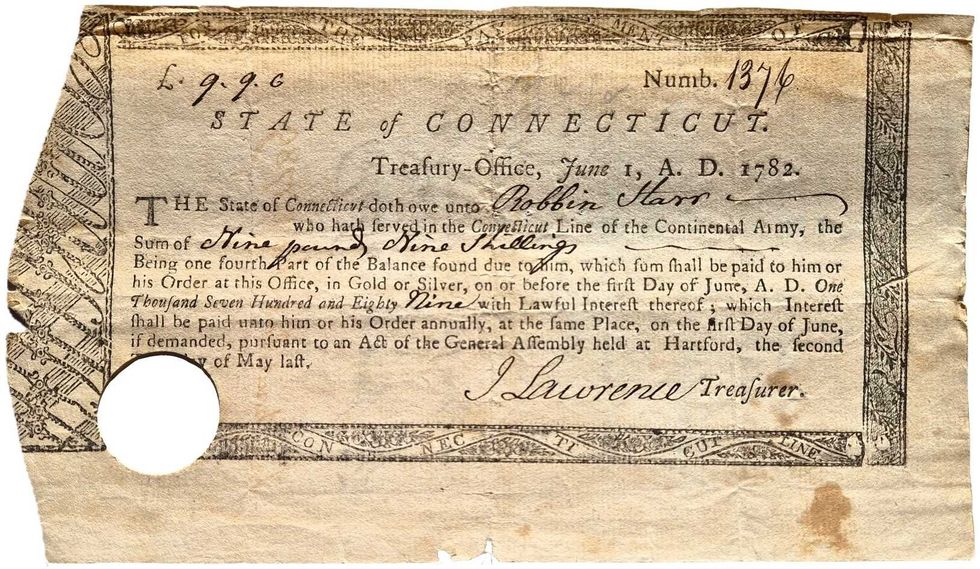 Pay Bill for Robin Starr’s service in the Continental Army.Courtesy the Alex Breanne Corporation
At the Cornwall Historical Society event, Mills will present the stories of four Connecticut families: Job Lathrop of Norwich, the son of Pirmus Armes, about whom Mills has published a book; Prince Mortimer of Middletown, also the subject of a book by Mills;, the three sons of London Wallace of Simsbury; and Robert “Robin” Starr of Danbury, who later lived in Cornwall and Sharon.
A few years ago, Cornwall Consolidated School social studies teacher Will Vincent reached out to Mills for research guidance on a local history project his students were undertaking. Together, they learned about Naomi Freeman of Cornwall. After purchasing an acre of land on Great Hollow Road in 1828, Naomi Freeman became the first Black female landowner in Cornwall.
The students petitioned the town to rename a road after the historic Cornwall resident In April 2025, Great Hollow Road was officially renamed Naomi Freeman Historic Road. U.S. Rep. Jahana Hayes joined Mills and the Cornwall Consildated School students for a presentation of their research.
Since then, Mills has guided the students in their quest to learn more about Starr’s story. Starr was a Revolutionary War soldier who joined the Continental Army to earn enough money to buy his own freedom, receiving the Badge of Merit in the process. The stories of his descendents’ services are equally worthy of their own books.
In recognition of Mills and the students’ work, First Selectman Gordon Ridgway proclaimed Feb. 8 as Robin Starr Day.
Preregistration is required for the event at the Cornwall Historical Society. To learn more about Mills’ work, visit
alexbreanne.org.
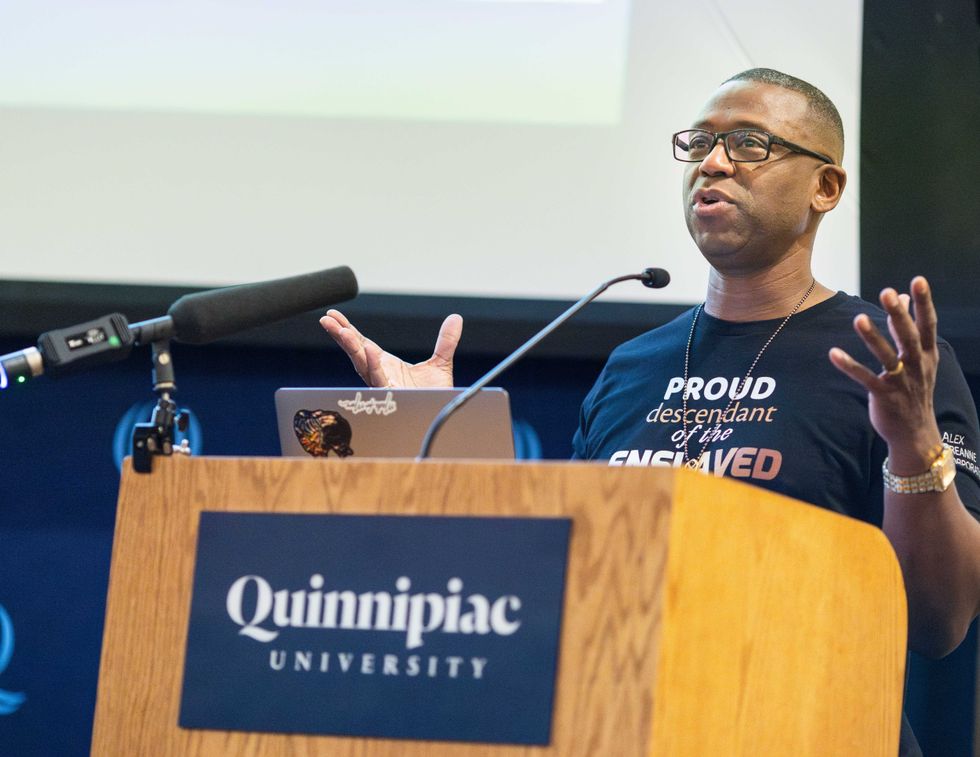 John Mills speaking at Quinnipiac University.Courtesy the Alex Breanne Corporation
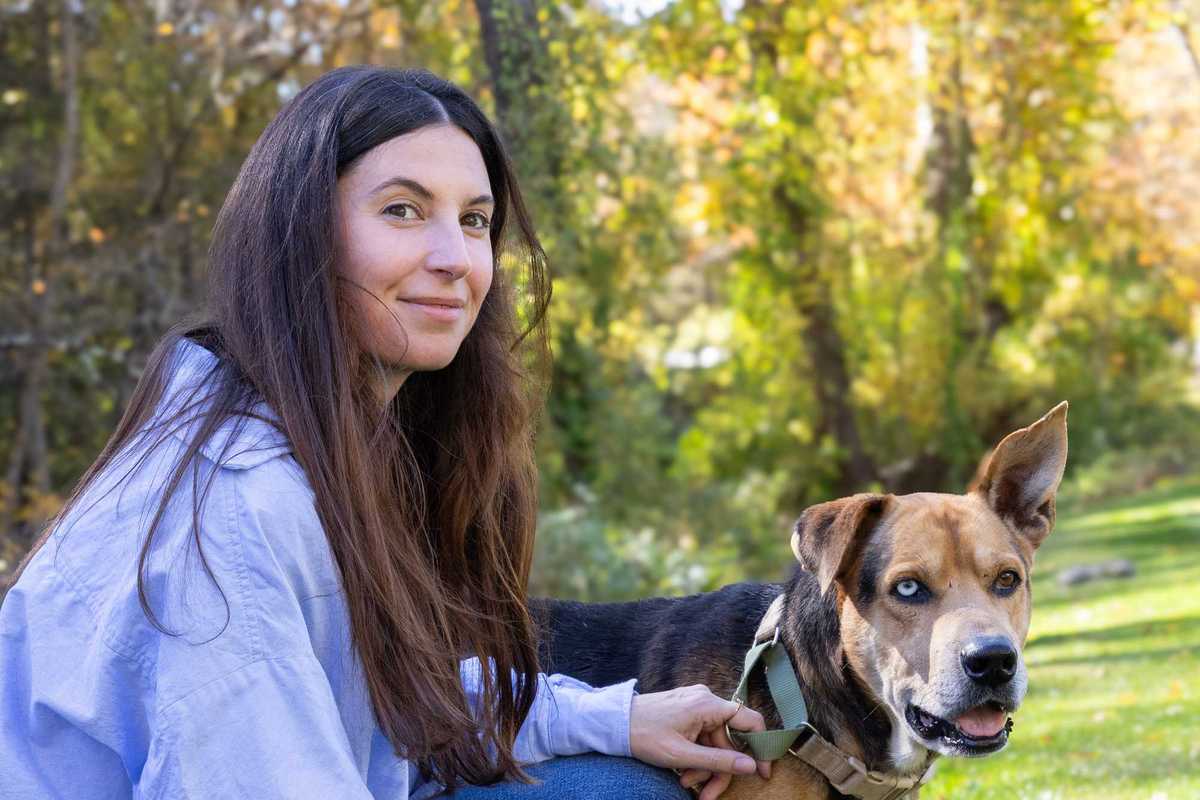
Stephanie Saetta runs Charlie Chicken Bones, a sanctuary in Salisbury.
Dogs have been at the center of Saetta’s life since childhood. She remembers going to the library to research different breeds and trying to convince her parents the family needed a dog. She had her heart set on an Irish Wolfhound, but she was more than happy when her mom brought home a West Highland terrier.
After college, she adopted Charlie as a puppy from a rescue on Long Island. He was a hound-shepherd-Rottweiler mix who suffered from intense seizures. Some veterinarians recommended euthanasia, but Saetta wasn’t ready to give up on him.
When Charlie would have an episode, she would sit with him, nose to nose, talking him through it. She learned to look for the moment he began to come around — when he could smell her again and his tail started to wag.
“You only get one or two of these soul connection dogs, so I do this in his honor,” Saetta said. “I like to think that all the dogs that come through are going to have that person that they connect with just the same.”
Through a network of women working to rescue animals in Texas, she learned about the desperate situations facing many dogs.
With limited space, some public pounds euthanize even healthy animals to make room. Limited access to veterinary care leaves sick dogs or unvaccinated puppies especially vulnerable.
Saetta saw that reality firsthand with a puppy named Gus, a Labrador mix she fostered who has since been adopted. Gus and his sisters had been dumped beside a road, where they were living under an abandoned car. People would leave food for them, but no one would take them to the pound.
“Even the people who rescue animals down there were like, ‘sadly, the best place for them to be is on the side of the road,’” she said. “That’s safer. Someone might actually help them that way.”
Saetta knows that there are far more dogs than any one person can save, but she also knows that helping one dog means one fewer on the street.
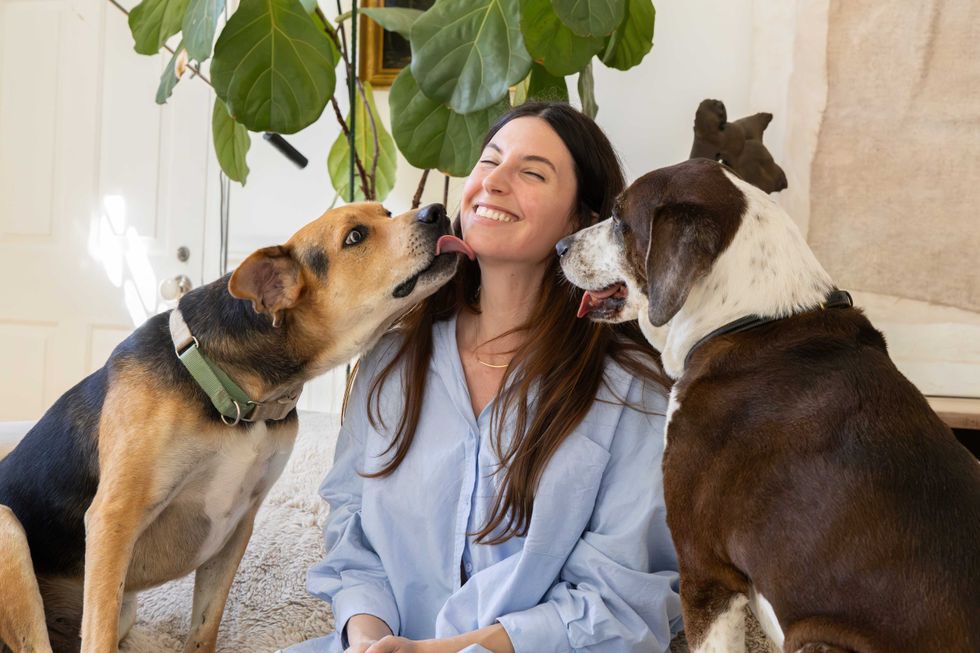 Stephanie Saetta,with her rescue dog George and Blue (left), a shepherd mix awaiting his forever home.Madi Long
Charlie Chicken Bone Sanctuary operates entirely through foster homes, a model that Saetta believes is best for the dogs and the humans hoping to adopt them.
Rather than moving directly from a difficult environment into a permanent home, the dogs have a chance to settle into a quieter setting. They can learn what it’s like to live with a family, sleep somewhere comfortable and receive affection without fighting for attention. Fostering also allows the rescue to really get to know each dog.
“As fosters, we’re honest,” said Saetta. We’ll tell you everything that’s been bad, everything that’s been good. What their temperament is and how they’ve responded to all the things they’ve experienced.”
A successful adoption is not just about finding a dog a home; it’s about finding the right home where the dog and family can thrive together.
Saetta is looking for more people willing to open their homes to foster dogs. She understands that the thought of growing attached and eventually saying goodbye can feel daunting. But she sees that goodbye a little differently.
Fostering means being part of a dog’s journey, even if only for a short time. It gives dogs a safe place to rest, the chance to trust again and the love they have gone without for much of their lives. And when the time comes for them to leave, it is not really a loss. It is the reward of knowing they are moving on to a forever home.
Blue, Saetta’s current foster, is hoping to find his perfect home.
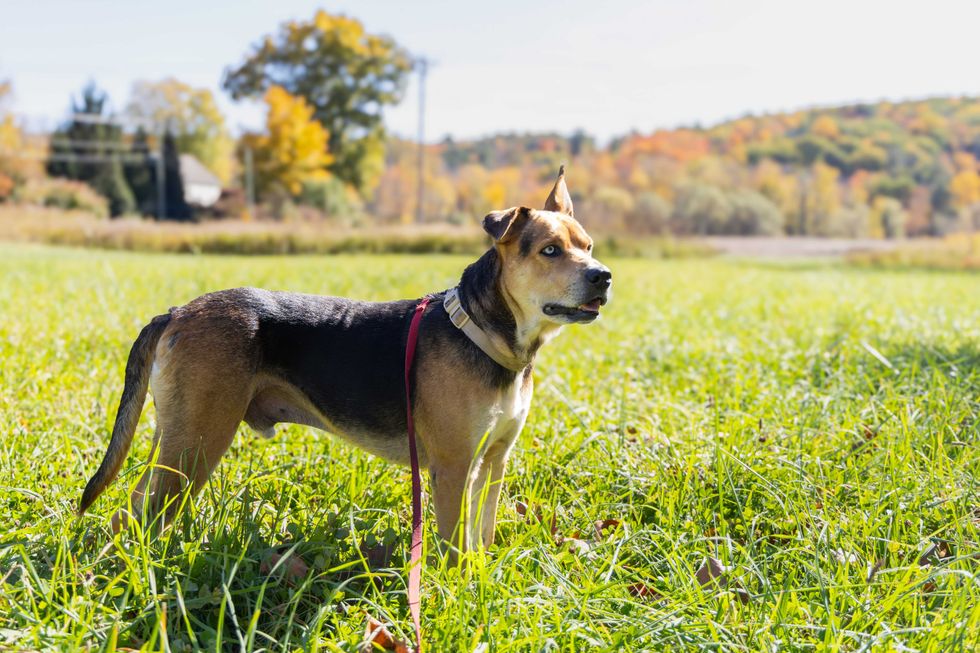 Blue, a 7 year-old Shepard mix, is waiting for his forever home. Madi Long
Now around 7 years old, Blue spent most of his life wandering the streets of Texas. People sometimes left food out for him, but his mangy, dirty coat kept them from stopping to pet him. Today, he has a chance to experience something different.
Blue is still waiting for his forever home. Saetta believes he would do best as the only dog in a household or alongside another senior dog. He will need someone willing to continue working with him on his training and understand that a dog with his history needs patience.
But what he gives in return is a whole lot of love.
“He’s so enthusiastic, he’s so excited for life, he’s so friendly, and he’s got such a good heart, and he loves to cuddle,” Saetta said. “He’s a good, good, good dog.”
For more information on adopting Blue or how to foster, visit ccbsanctuary.org.

Want more of our stories on Google? Click here to make us a Preferred Source.