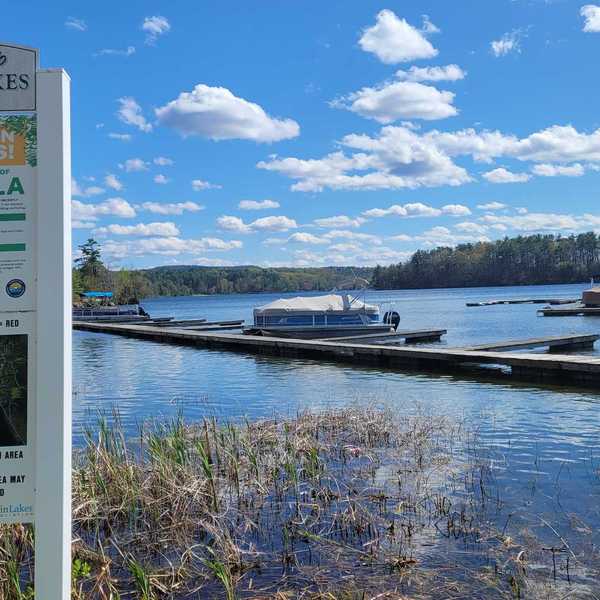
SALISBURY — After three years of mounting frustration, costly emergency responses and relentless community effort, 2025 closed with the first sustained signs that hydrilla — the aggressive, non-native aquatic plant that was discovered in East Twin Lake in the summer of 2023 — has been pushed back through a coordinated treatment program.
The Twin Lakes Association (TLA) and its coalition of local, state and federal scientific partners say a shift in strategy — including earlier, whole-bay treatments in 2025 paired with carefully calibrated, sustained herbicide applications — yielded results not seen since hydrilla was first identified in the lake.
The arc of the problem
The Connecticut River strain of hydrilla at East Twin Lake, first detected near O’Hara’s Landing Marina, is an unusually robust variant that quickly triggered emergency removals, diver searches and spot treatments, as TLA officials scrambled to contain fragments capable of rapidly sprouting into new beds.
By 2024, the cost of fighting the invader had grown significantly, straining both community and association budgets as managers moved from isolated spot treatments to serial applications and broader planning efforts. Monitoring and repeated partial treatments that year helped prevent larger outbreaks but failed to eliminate the plant.
“It became pretty clear that the Whack-a-Mole strategy wasn’t going to work,” said George Knoecklein of Northeast Aquatic Research, the TLA’s limnologist.
A strategic pivot in 2025
Drawing on lessons from earlier seasons, TLA leaders and limnologists adjusted their approach in 2025. Instead of reactive, site-by-site responses, the association began the season with a planned, sustained dosing of the northeast cove of East Twin Lake and the lake’s full littoral zone beginning in late May, maintaining low, permitted concentrations of the systemic herbicide fluoridone throughout the growing season.
Operationally the work involved close tracking of application tracks, repeated water sampling to confirm target concentrations, and diver-assisted surveys in deeper water to find any remaining pockets.
The payoff: hydrilla retreated in 2025
By mid-summer and into early August, field surveys and association updates reported a dramatic decline in visible hydrilla within the lake.
At the TLA’s annual August meeting, association leaders described the season as “the first good news we’ve had in three years,” while cautioning that the victory is fragile and requires continued monitoring and rapid response to any new fragments or regrowth.
At the annual meeting, it was announced that the final two planned applications of the herbicide Sonar would not be needed. The slow-release pellets currently in the water are expected to remain effective, reaching the target duration of 120 days.
TLA officials reported that East Twin Lake is closer than ever to achieving a functional eradication of the invasive plant infestations.
They emphasized, however, that this progress has been made possible through continued funding, permitting, and close coordination with state partners. The success of this effort could also provide valuable insights for addressing similar challenges in other lakes affected by the Connecticut River strain.
Why this year’s approach mattered
Several elements distinguished the 2025 season: an earlier start to herbicide applications, sustained low-level dosing, frequent monitoring, and data-driven coordination among the TLA, its limnologist, state and federal agencies, and contractors.
The payoff came at a price: three years of repeated interventions had driven lake management expenses sharply higher, and the 2025 season required continued fundraising and justification to town and state stakeholders.
The wider use of herbicides in waterways remains controversial in some quarters, and TLA officials stressed that the treatments used in East Twin were done under state permits with scientific oversight — and that results would be shared cautiously as case studies for other affected lakes.
What comes next
TLA and partners made clear the 2025 results are cause for cautious optimism, not celebration.
The next steps include diver-assisted surveys of deepwater areas to check for any surviving turions or isolated plants; continued low-level surveillance and rapid spot treatment to snuff out any reappearance and sharing methodologies, and monitoring data with neighboring lake groups and state programs to refine best practices for tackling the Connecticut River strain.
The lake association’s Fall newsletter reported that while treatment costs are expected to be moderate in 2026, “the heightened level of surveillance will continue.” The TLA predicted $400,000 will be spent on lake management next year.
By the end of 2025, what began as an emergency discovery in East Twin in 2023 had evolved into a test case for a new, more intentional treatment model. The TLA and its partners achieved the first season in which hydrilla substantially receded in the lake — a breakthrough that shows the combination of early action, sustained dosing and disciplined monitoring can work against this particularly aggressive strain.
That success, however, comes with an explicit rider: vigilance, funding and science-backed management must continue if the Twin Lakes are to remain hydrilla-free.



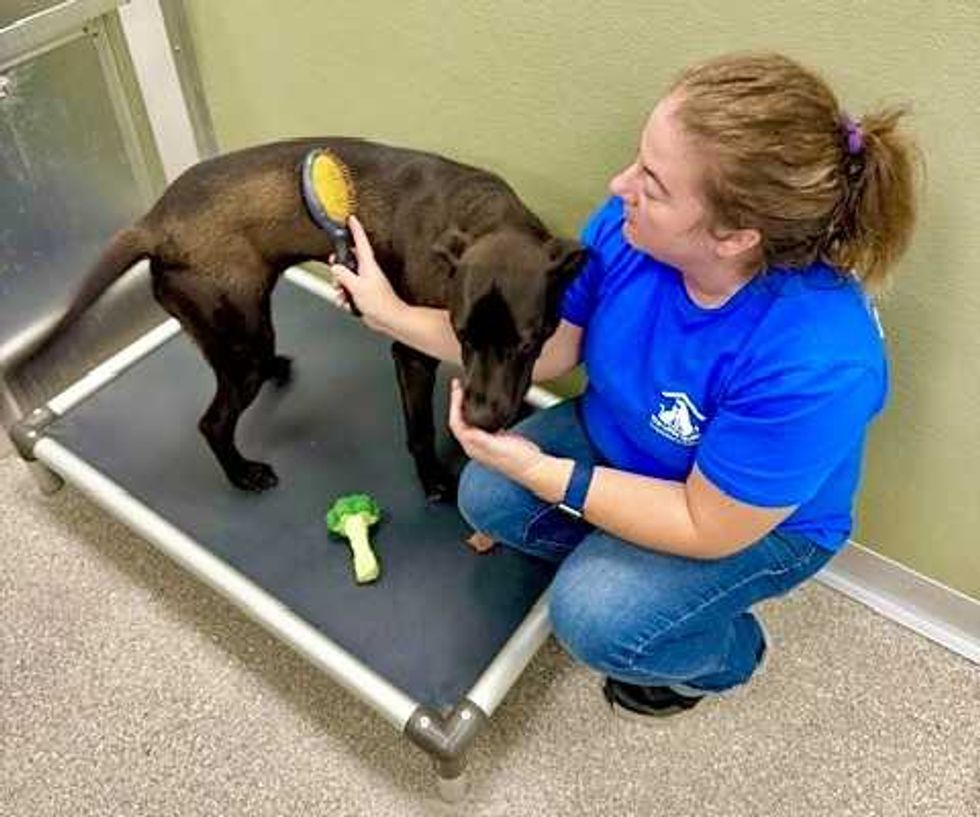 Tiffany Lemelin, shelter manager, brushing Marsala upon arrival.Provided
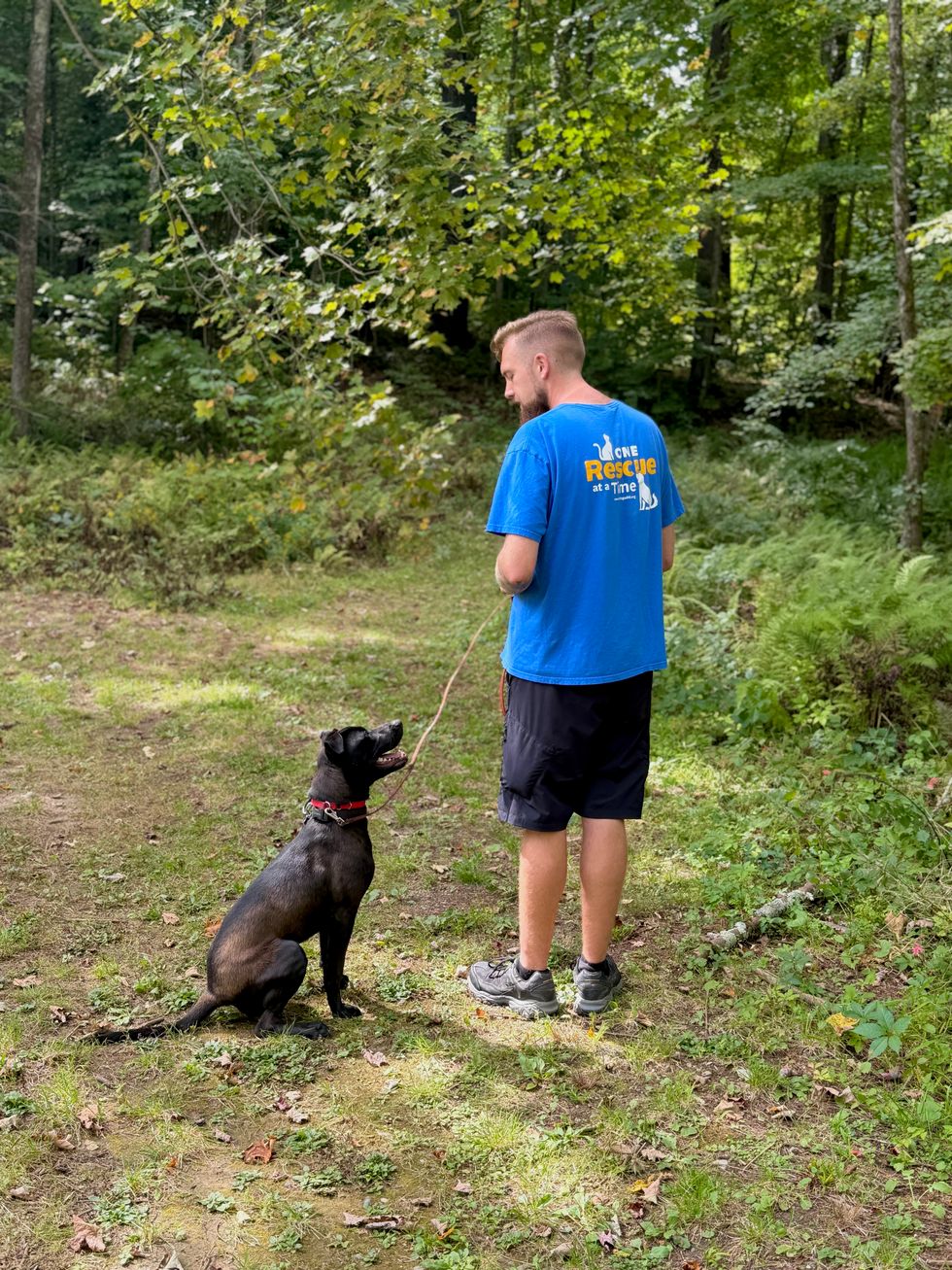 Michael DeBarba, certified dog trainer working with Marsala.Jennifer Almquist
 Marsala wins a heart.Jennifer Almquist

 Sadie, center, a Carolina dog, plays with her friend Negra, a terrier mix. Bella Linda, the small poodle, has since been adopted.L. Tomaino
 Wesley, a young, exuberant mix, is looking for an active home.L. Tomaino
 Bonnie and Clyde, an affectionate terrier pair.L. Tomaino
 Provided