SHARON — The Board of Selectmen met Thursday, Jan. 8, with representatives of the state Department of Energy and Environmental Protection to discuss the threat posed by the invasive aquatic plant hydrilla to Mudge Pond, where the species has not yet been detected.
Joining the selectmen for the hourlong Zoom meeting were DEEP fisheries director Peter Aarrestad; boating division director Peter Francis; environmental analyst Wendy Flynn; boat launch supervisor Yolanda Cooley; and fisheries biologist Matthew Goclowski. The discussion focused on what steps the town can take — and what assistance the state can provide — to keep the pond hydrilla-free.
The central message from DEEP, according to First Selectman Casey Flanagan, was that the town would need to take the lead on any prevention or remediation efforts.
“It’s going to be on us to deal with it if and when it gets in there,” Flanagan said following the meeting.
DEEP officials indicated that while the agency can provide technical expertise and guidance, it cannot fully fund or lead remediation efforts once the plant becomes established in a new water body.
Native to Asia, hydrilla is a large, fast-growing and highly aggressive aquatic plant that was first discovered in the Connecticut River in 2016. Left unmanaged, it can form monocultures that crowd out native plants and disrupt aquatic ecosystems, according to the U.S. Fish and Wildlife Service.
The tenacious weed was discovered in East Twin Lake in 2023, triggering an expensive, years-long multi-organization containment effort that began showing promising results in 2025.
According to 2024 data collected by environmental consultant Northeast Aquatic Research, Mudge Pond remains hydrilla free, though the group found sizeable populations of five other invasive plants: fanwort, Eurasian milfoil, curly-leaf pondweed, brittle naiad and water chestnut.
Selectman Lynn Kearcher, who has been involved in lake advocacy for decades, told DEEP officials that Northeast Aquatic Research is currently compiling an updated report using more recent data.
Much of the meeting focused on education as a primary defense against the spread of invasive aquatic plants. DEEP maintains seasonal education staff who visit boat launches statewide to instruct recreational users in the “clean, drain and dry” protocol designed to prevent the transport of plant fragments between water bodies.
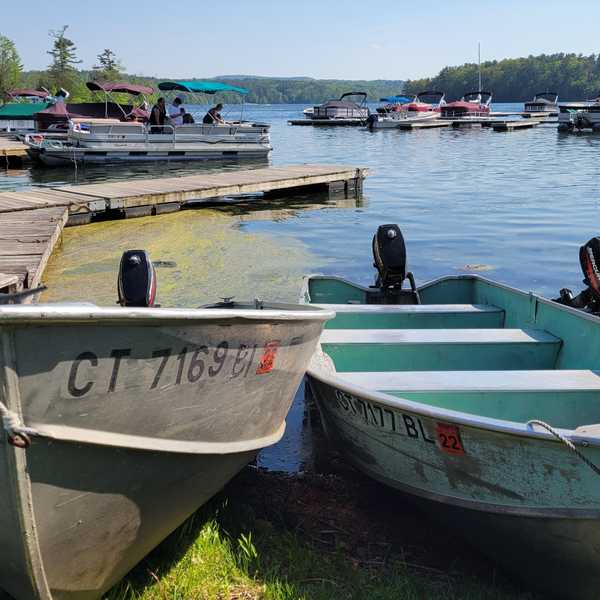
Francis, director of the boating division, said education staff visited the Mudge Pond launch 10 times during the 2025 summer season.
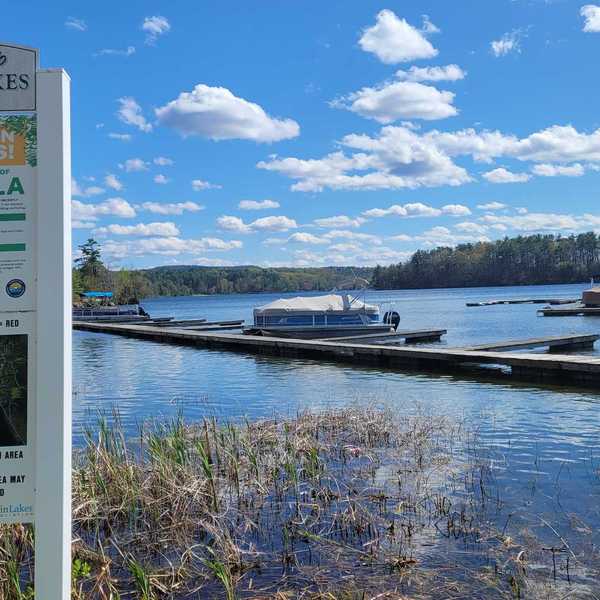
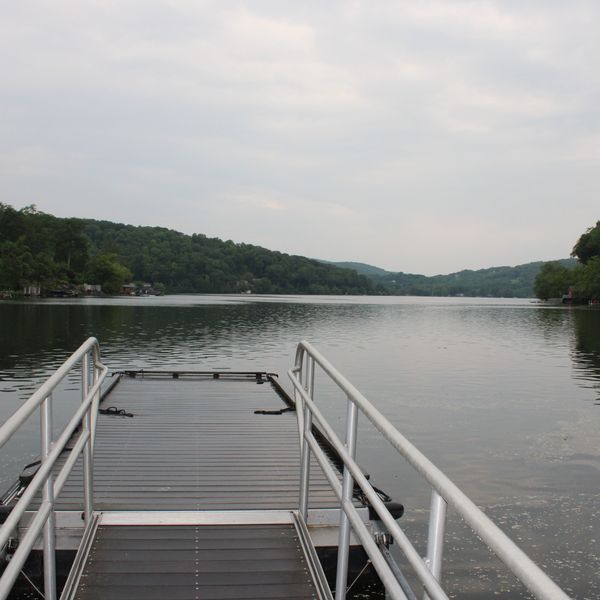
Still, Kearcher voiced concern about what she saw as a largely unmonitored pathway for the plant to exploit. “We have a state launch to deal with and we cannot control who comes and goes,” she said.
Wendy Flynn highlighted an initiative called the Invasive Investigator Program where volunteers are trained by DEEP experts in invasive species identification and boat cleaning practice before monitoring launch sites and educating boaters.
Kearcher expressed interest in this program as a means to increase vigilance at the launch, which she sees as crucial in keeping hydrilla out of the lake.
Aarrestad, the fisheries department director, said that lake communities with the most “cutting edge” invasive species management programs are using herbicides prophylactically – initiating herbicide applications before hydrilla is even located so that if the plant is found, the lengthy permitting process that accompanies any aquatic herbicide use has already been completed. This enables a community to mount a “rapid response,” Aarrestad said.
Herbicides continue to play a large role in Twin Lakes’ management of the waterweed, though Kearcher noted that residents around the nearby and similarly sized Lake Wononscopomuc in Lakeville had resisted herbicide use, which could indicate how herbicides may be received by the Sharon public.
The Selectmen and DEEP agreed to remain in touch about the issue, and to potentially work together on developing signage at the launch to inform boaters about the hydrilla threat.
“The onus is going to be on us,” reflected Flanagan after the meeting.
“I just think there has to be much more aggressive action,” opined Kearcher.



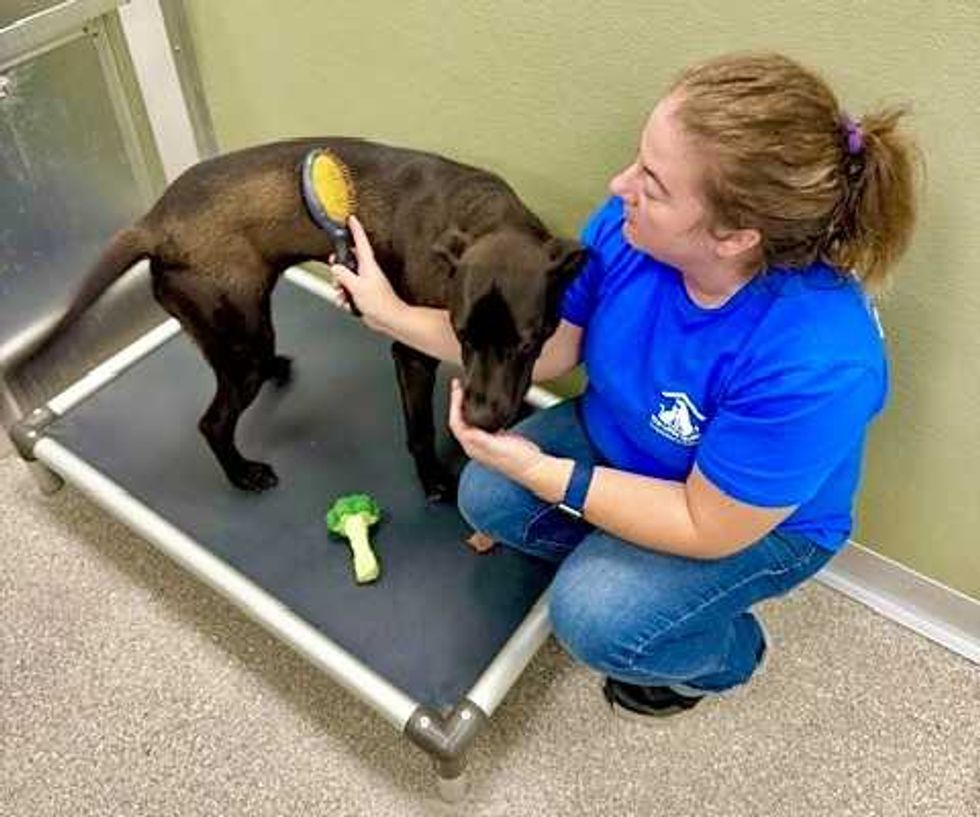 Tiffany Lemelin, shelter manager, brushing Marsala upon arrival.Provided
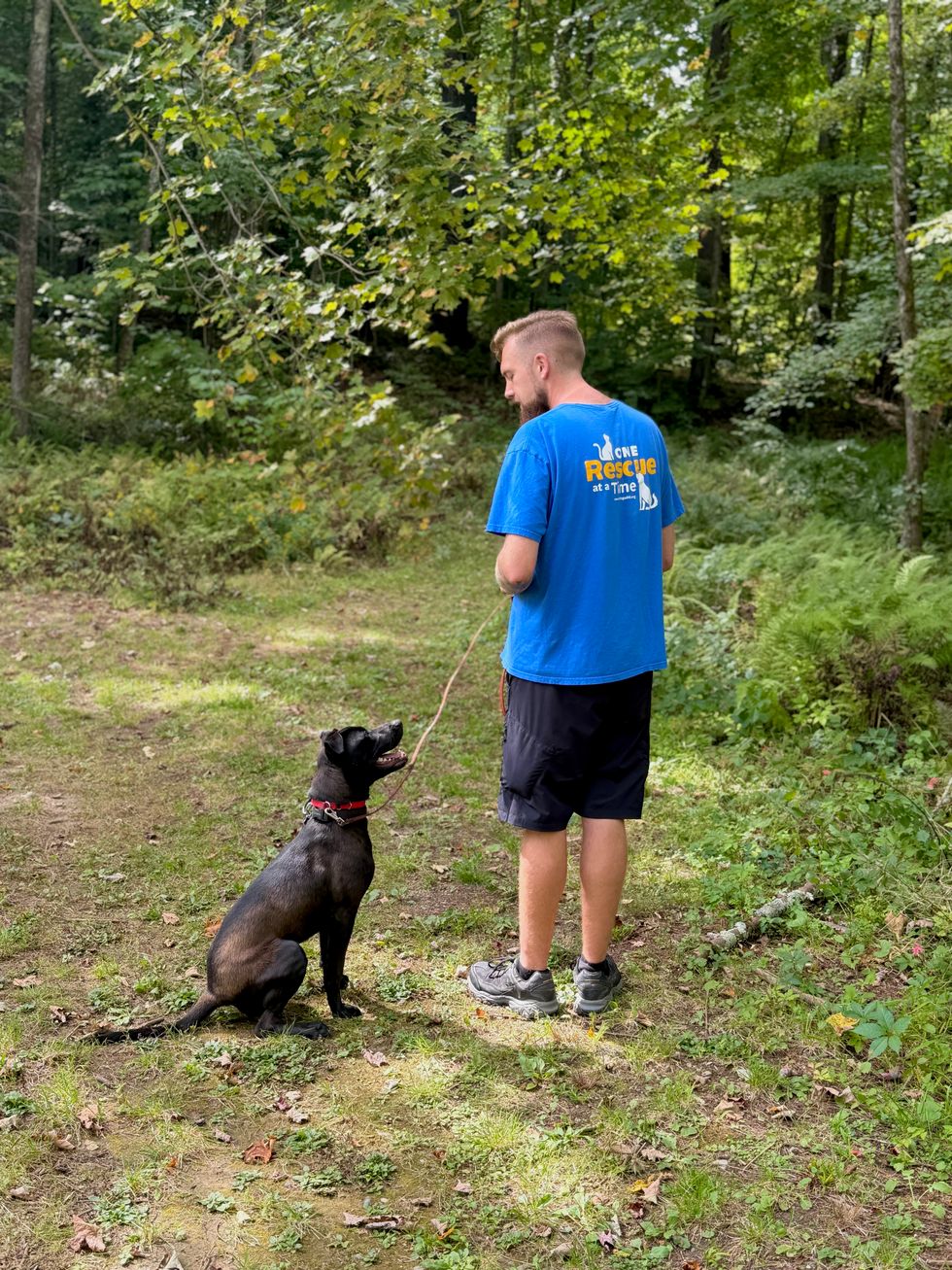 Michael DeBarba, certified dog trainer working with Marsala.Jennifer Almquist
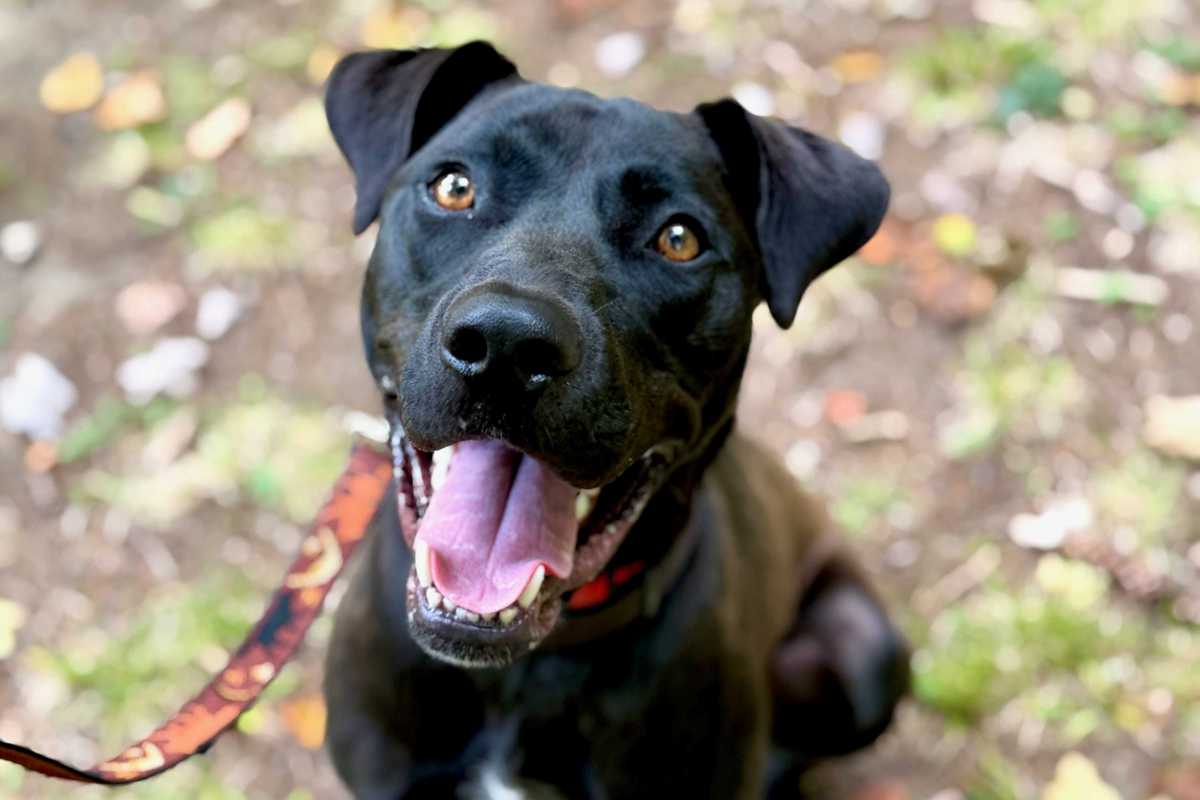
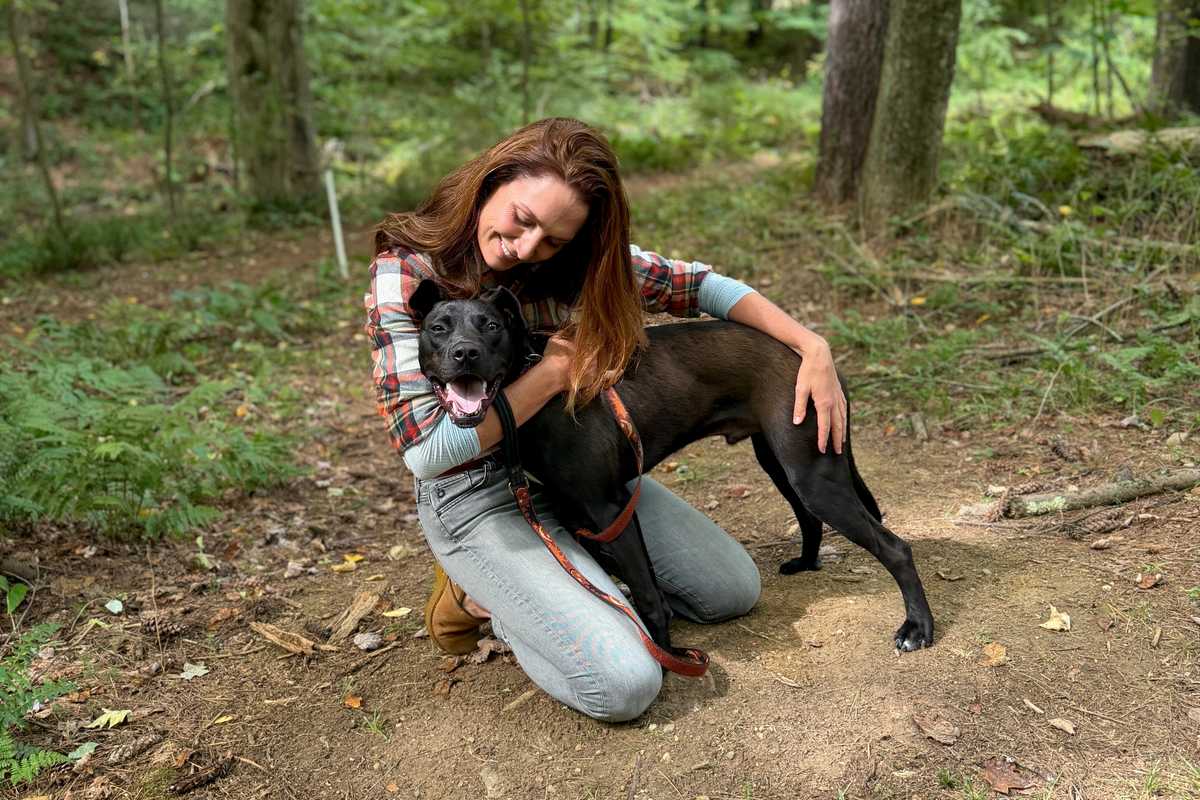 Marsala wins a heart.Jennifer Almquist
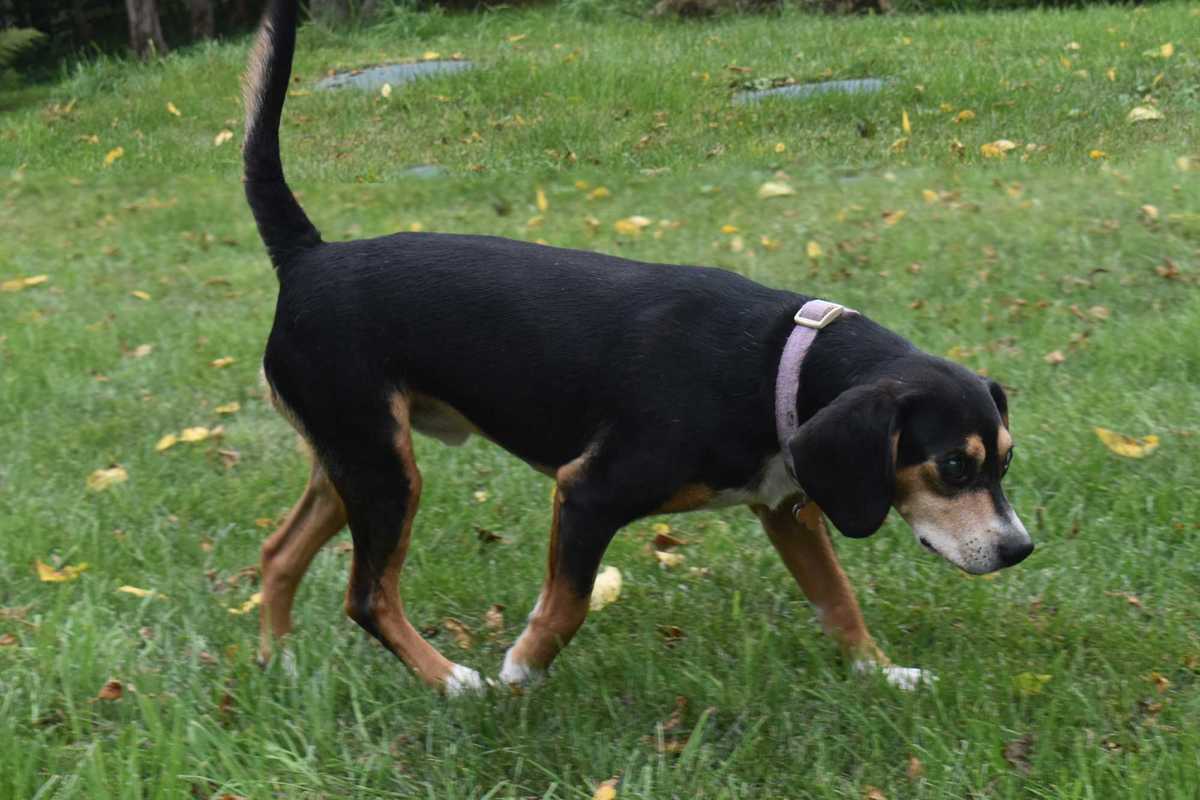
 Sadie, center, a Carolina dog, plays with her friend Negra, a terrier mix. Bella Linda, the small poodle, has since been adopted.L. Tomaino
 Wesley, a young, exuberant mix, is looking for an active home.L. Tomaino
 Bonnie and Clyde, an affectionate terrier pair.L. Tomaino
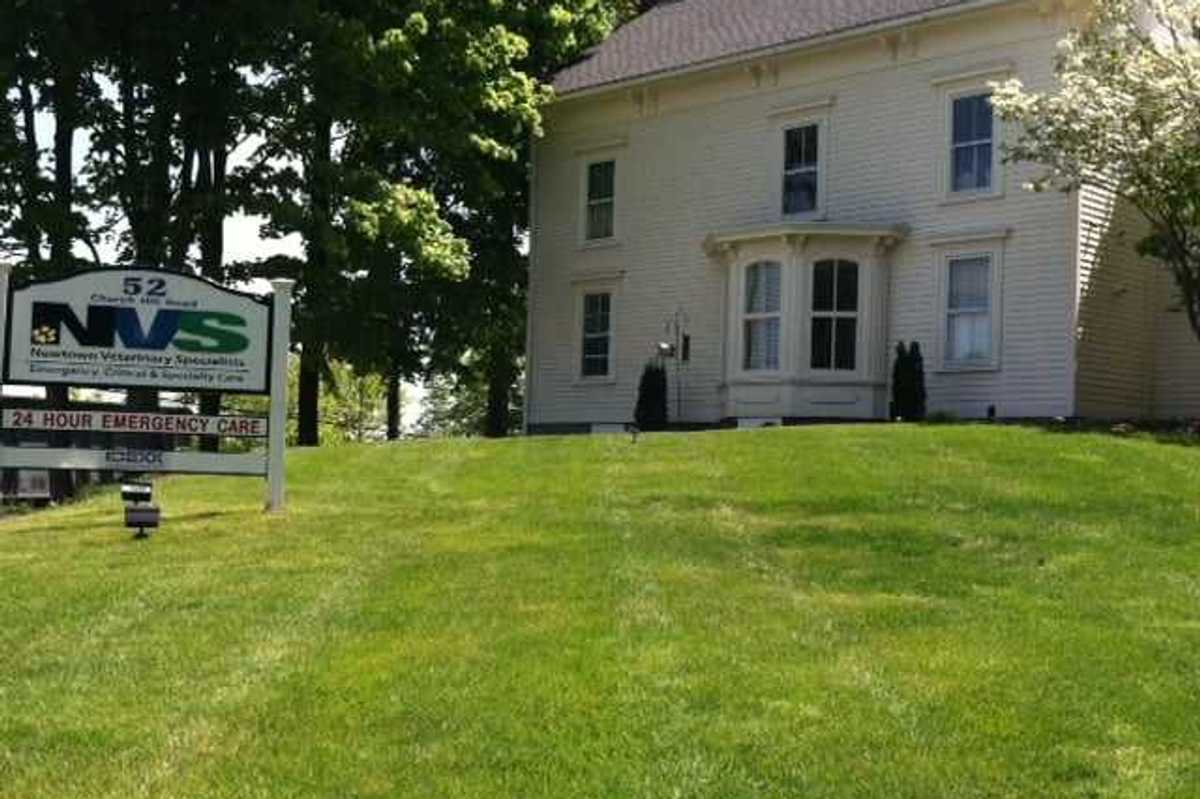
 Provided