Latest News
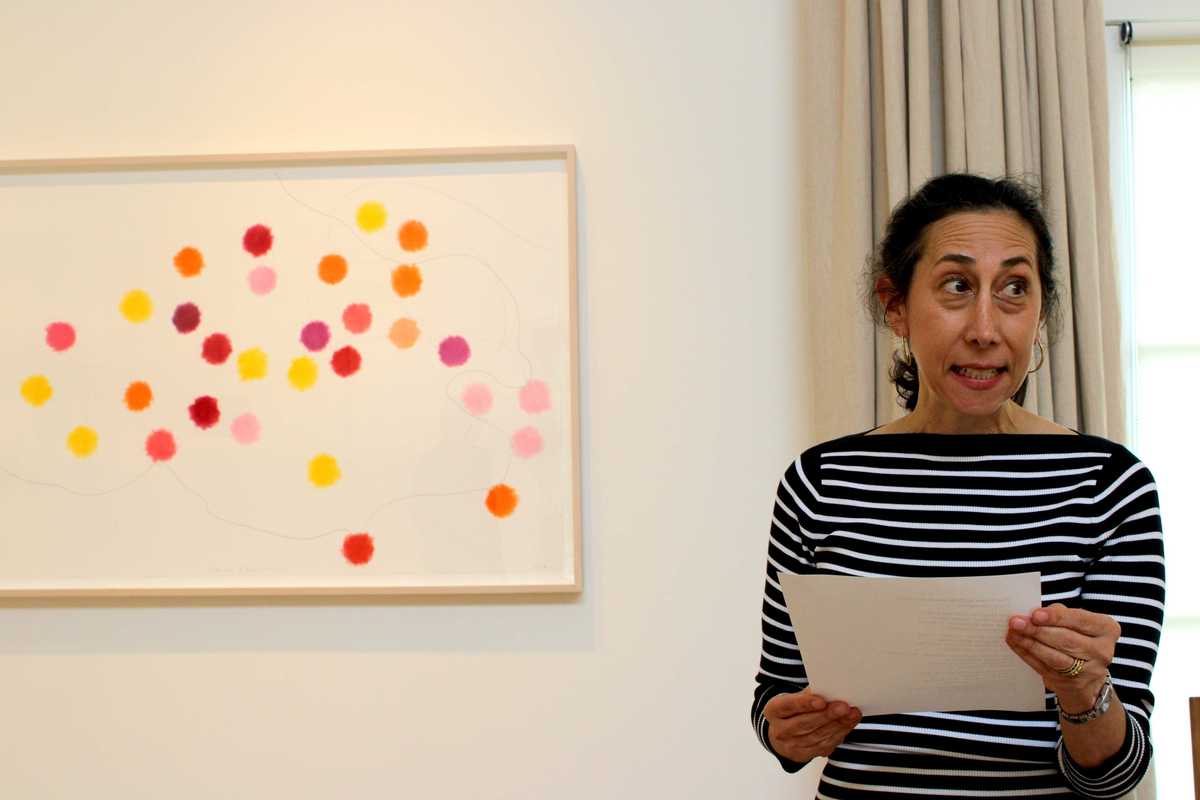
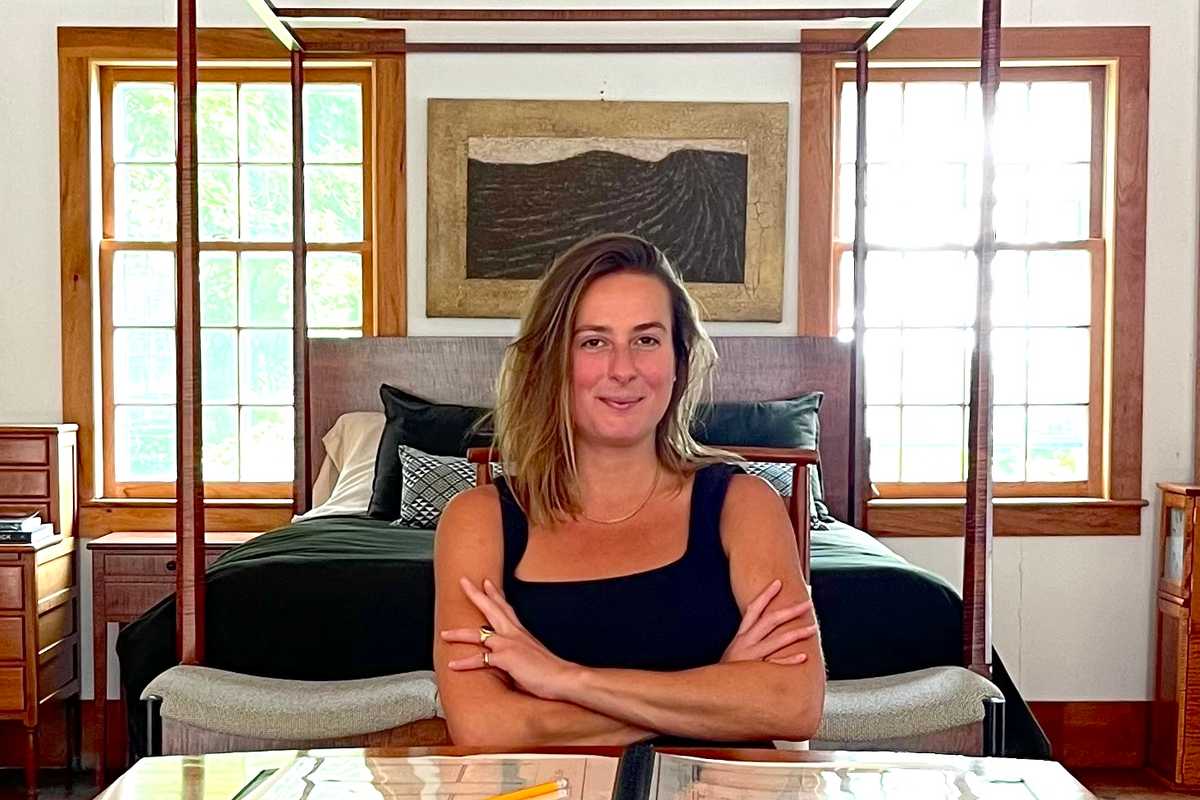
Marina Kotchoubey at the Ian Ingersoll Cabinetmakers showroom in West Cornwall.
Photo by D.H. Callahan
Sometime in the mid-2010s, with grandkids accumulating, he started to picture a future away from the shop. It was getting time to step away and enjoy what he insists is one of the most beautiful parts of the world: the Northwest Corner of Connecticut. But just because he was aging out of the job didn’t mean his employees needed to as well.
Ingersoll recognized the home he’d built for these creative experts — a place where they, too, could make their livings building masterworks of fine furniture. So, for his next big challenge, he began the search for someone he could trust to take what he’d made and build it even better. After searching for quite some time, he decided to look next door.
Technically, Marina Kotchoubey grew up in Manhattan but she spent weekends and summers in Cornwall, Connecticut, feeling more at home amongst the woods and rivers of Litchfield County than in the subways of the city. But business opportunities kept her away from making her permanent home in the region.
After college, Kotchoubey moved to Paris to run the U.S. branch of children’s fashion brand Petit Bateau. At the young age of 23, it was a job she wasn’t ready for. But that’s where Kotchoubey finds her creative challenges.
By pairing the experience of her peers and coworkers with her razor-sharp intuition, Kotchoubey ran the brand with seamless expertise despite her lack of experience. She jumped into the deep end of the pool and challenged herself to swim. For seven years, she swam like an Olympian.
After her time in France, she felt ready to finally make a home in Cornwall. With no career or even job lined up, she approached several local businesses around the Northwest Corner and offered to help out in a consulting capacity. After years of challenging conditions in the deep end, this seemed like calm, shallow waters. And that’s when her neighbor, Ian Ingersoll, approached her.
At first, he was looking for a little help with business issues. Ian Ingersoll Cabinetmakers was doing well, but a younger customer base of homeowners and interior designers weren’t as keen on classic Shaker furniture. Though the studio had already started to diversify their offerings, Kotchoubey was instrumental in implementing a smooth transition to other styles of furniture. Ingersoll saw that, thanks to her breadth of experience and enterprising vision, she could take the baton and run with it.
In 2025, he handed her the keys.
When she took the reins, Kotchoubey saw two new ways forward. She could shake things up and pivot the shop toward installations and on-site custom builds. This would require new equipment, new clients and possibly new craftsmen. The other path leaned into what she had already helped the company do: expand its offerings and cater to a new, less traditionally minded clientele.
With confidence in her craftsmen and the reputation their work has garnered, she resisted the urge to pivot and instead relied on what makes Ian Ingersoll Cabinetmakers great — high-quality furniture made by expert craftsmen.
The journey isn’t quite as easy as it sounds. There are great challenges that come with being a young woman in an older man’s world. Firstly, she had to win the respect of her employees, despite not sharing in their skills and know-how. She accomplished that, once again, by listening to the experts and not forcing her vision on a remarkably capable group. The woodworking side of things might be new, but her ability to swim in unknown waters has proven unflappable throughout her career.
Now in its sixth decade of operations, Ian Ingersoll Cabinetmakers shows no sign of slowing down. Kotchoubey’s leadership is finding new customers by expanding on the reputation of the work. With increasing demand and a steadfast commitment to slow, quality jobs, don’t expect to pop into their West Cornwall showroom and leave with a piece anytime soon. Lead times on custom creations range from 12 to 16 weeks, but if things keep going the way they are, that wait could get even longer.
To see some of the company’s offerings, visit ianingersoll.com.
 Marina Kotchoubey at the Ian Ingersoll Cabinetmakers.Photo by D.H. Callahan

Want more of our stories on Google? Click here to make us a Preferred Source.