By Roger Wistar
FALLS VILLAGE — Historical curator Will Garrison opened a window on a pivotal moment in abolitionist history in the latest installment of the "Tuesdays at Six" lecture series.
In his talk on June 23, called "Colonel Ashley, Mum Bett and Freedom," Garrison recounted the story of Elizabeth Freeman (also known "Bett" or "Mum Bett"), a slave living in the household of Sheffield, Mass., native John Ashley in the 18th century. Freeman successfully sued for and won her freedom in a landmark 1781 court case that paved the way for the abolition of slavery in Massachusetts.
The Freeman case "is such a remarkable story," Garrison said. "Not only [was she] a slave, and a woman, but she was going up against the most powerful man in southern Berkshire county."
At the time, the Ashley family was a major force in nearly every facet of life in southwestern Massachusetts. Ashley owned more than 3,000 acres of land, ran numerous local businesses, and was a representative in the colonial government.
Despite the seemingly overwhelming imbalance of power, Freeman sought out the assistance of lawyer Theodore Sedgwick to file suit on her behalf. After a two-day trial, the circuit court in Great Barrington ruled that Freeman was no longer Ashley’s legal property, granting her freedom.
The efforts of Ashley in the American Revolution provide an interesting parallel to the personal struggles of Freeman, said Garrison. In the early 1770s, many local governments wrote their own lists of grievances resembling the Declaration of Independence. Ashley served as moderator for the committee that did this in Sheffield.
Garrison also devoted a sizeable portion of his talk to describing the Ashley House, both its history and the current efforts by his organization, The Trustees of Reservations, to preserve it and promote it to visitors.
In the years since The Trustees of Reservations took custody of the house, the organization has used sophisticated techniques to study its history. These include taking core samples from boards to date the house and using forensic architecture to document the history of the house’s construction over time.
This year the house was especially popular for school groups, said Garrison. In 2006, the house was inaugurated as the first site on the African-American Heritage Trail, a collection of 29 sites in Connecticut and Massachusetts.
Next week’s lecture, on July 7, is "The Other Tea Party: Chestertown, Md." and will feature Maryland historian Linda Ruggles. The talks are held each Tuesday at 6 p.m. during the summer at the South Canaan Meeting House, located at the junction of routes 7 and 63 in Falls Village. Admission is free.
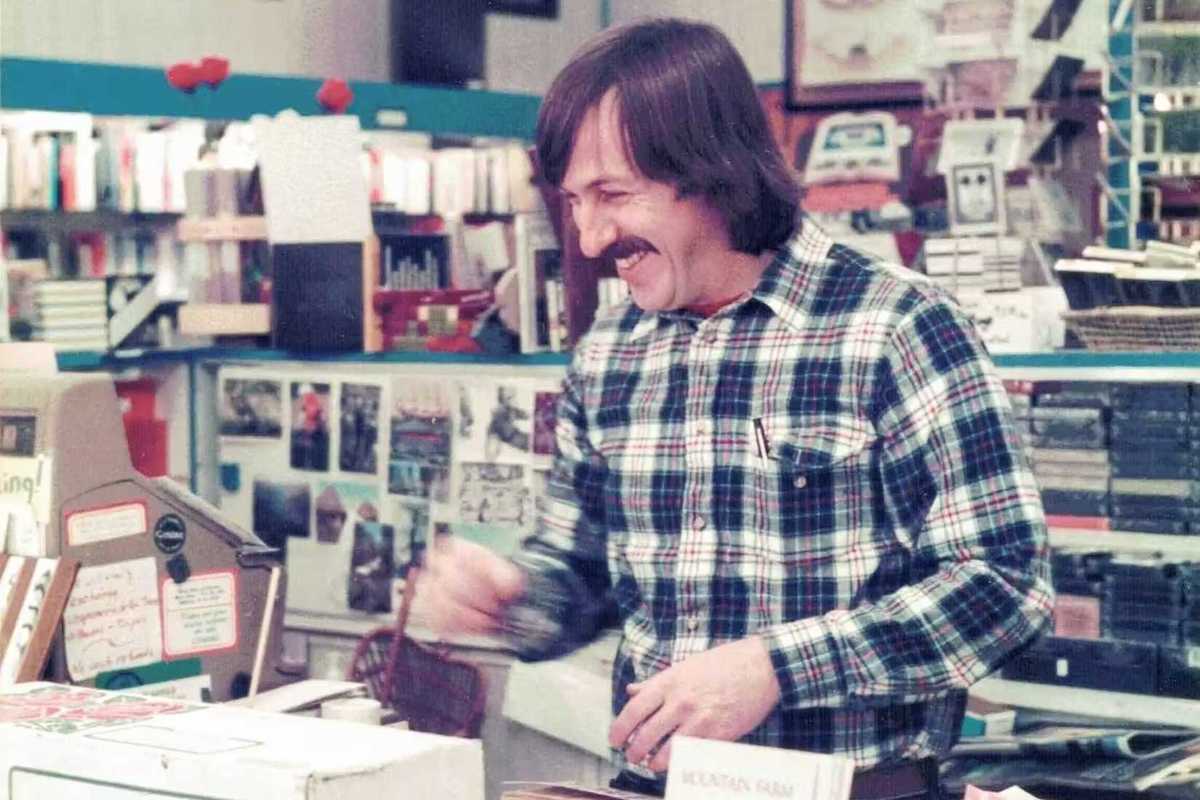
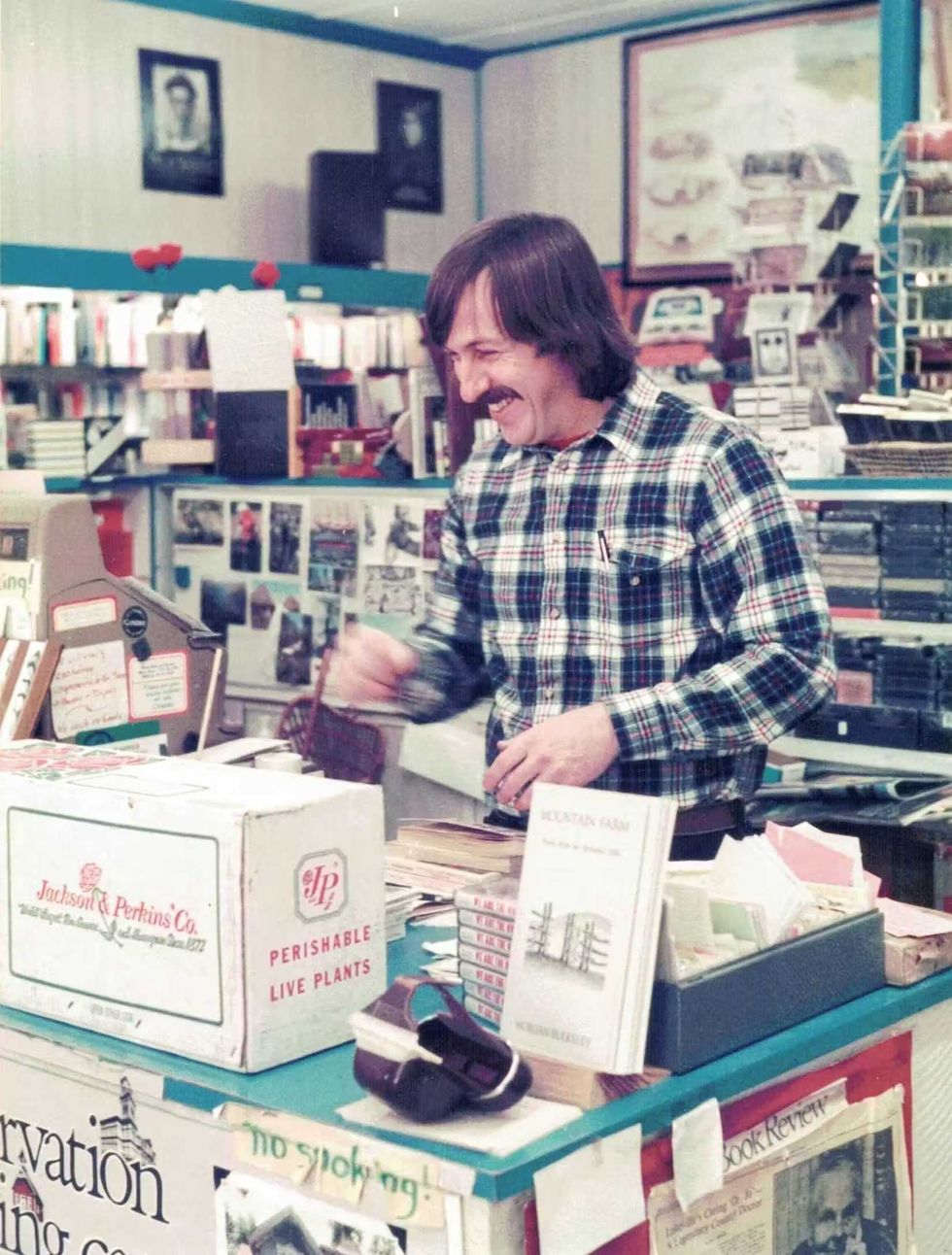 Dick Hermans in the Oblong Bookstore on Millerton’s Main Street in 1985.Provided

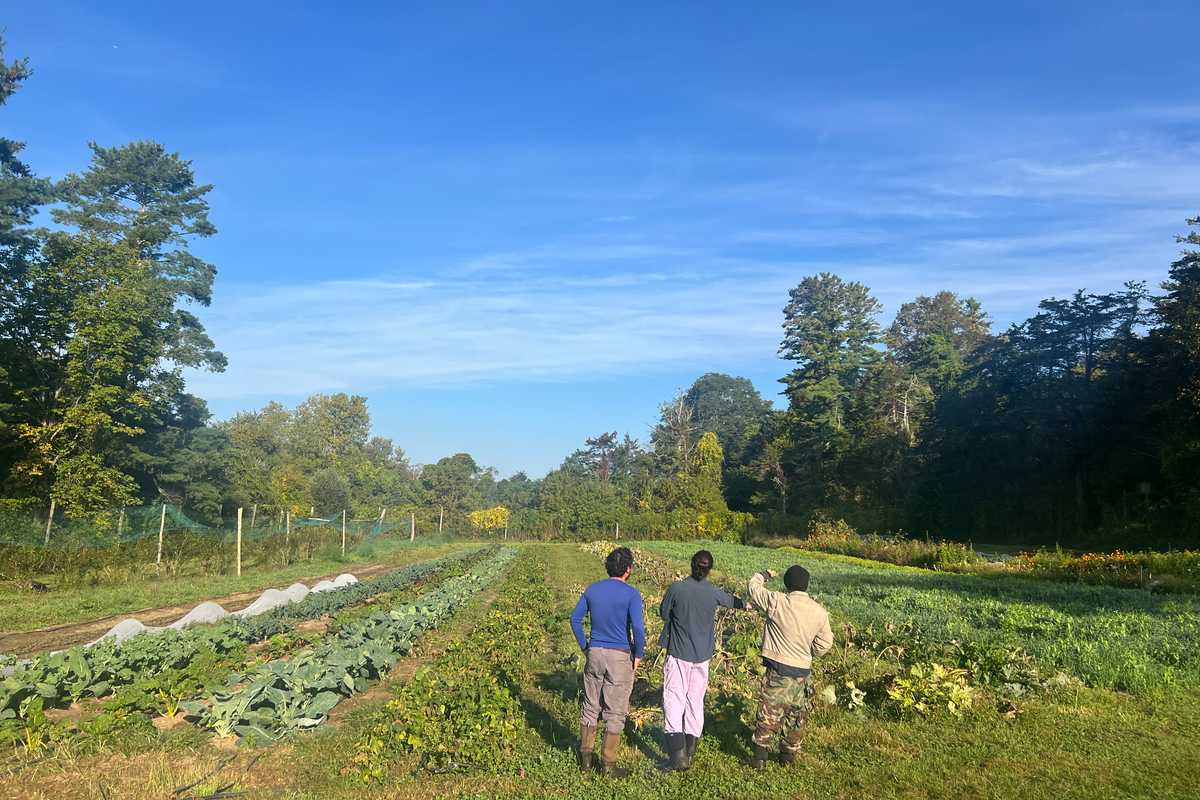
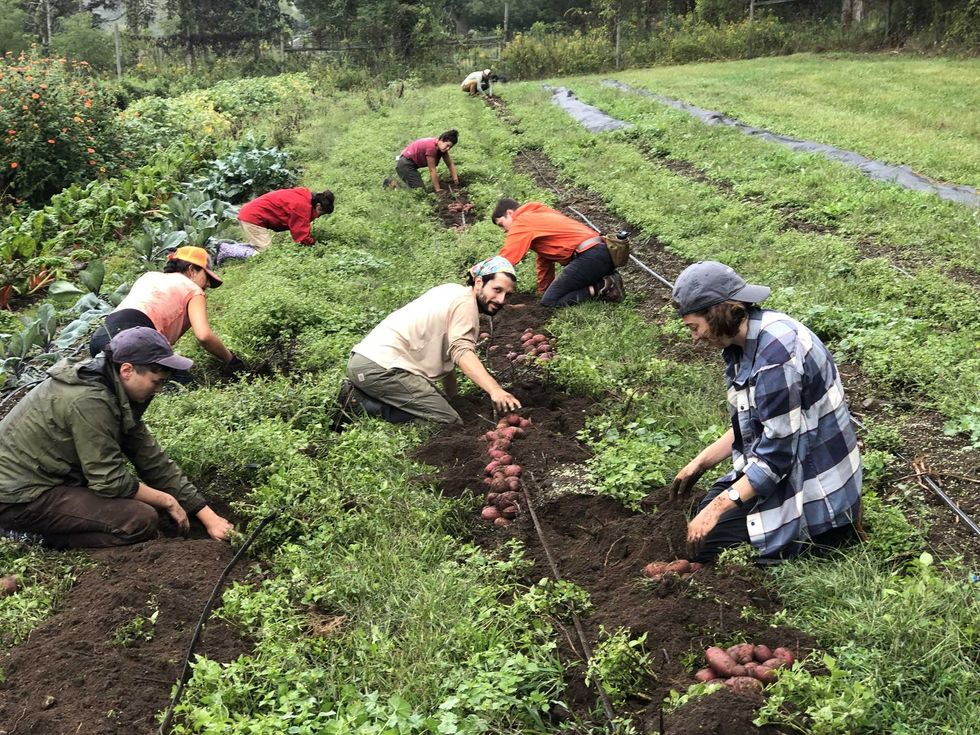 Fall storage crop harvests amid soil building cover crops at Adamah Farm in Falls Village. Janna Siller