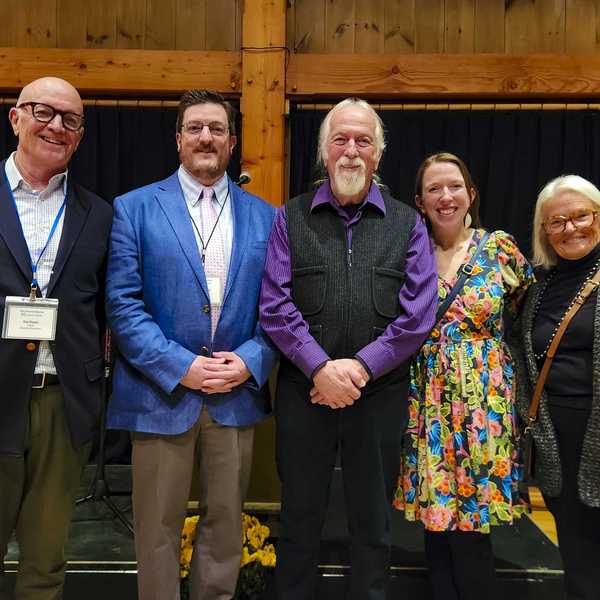
In 2010, 10 district residents formally made the United States their home by taking the Oath of Citizenship. I officially welcome our new citizen neighbors: Jean Luc Guenia, Jonna Christina Adamsson, Yesenia Santos-Vasquez, Rowena Susan Gill and Vasyl Kornevych of Millbrook; Elizabeth Jane Renwick, Antonia Arcenia Ramierez, Soha Ossama Hammad, and Amr Mahmoud Abou Eid of Amenia; and Adil Houssani of Pleasant Valley.
Also during 2010, over 11,000 more county residents went homeless than in 2009, with 26,796 sum individual nights spent in emergency shelters compared to 15,059 the previous year. This increase includes 1,000 new families seeking out homeless shelters in 2010. The average length of stay is three months.
In November, I was a co-sponsor of a resolution in the County Legislature proclaiming Homeless Awareness Month. In December the Legislature restored $80,000 in funding to keep shelters open at a time when half the available beds had been slated for closure.
Emergency shelters provide reprieve to those in need so as to get themselves back on their feet, but curing the social plight of homelessness will take more than just keeping shelters open. Since June, a county committee has been meeting to develop and implement a “10-Year Plan to End Homelessness.†In addition to increased emergency shelter beds, their stated goals include improving rehousing opportunities, engaging the community and strengthening community services to support those teetering on homelessness.
Just as the causes of homelessness run the gambit from domestic violence, unemployment, economics, drug use, health-related issues and beyond, so also the support services intended to bolster those in need is varied. These include rent subsidies, case management, representative payee services, teaching financial literacy, employment coaching and mental health and/or substance abuse counseling.
Presently there are 27 subsidized housing rental communities in Dutchess County available to the income-qualified, which range in size from studio apartments to multiple bedrooms. Some are specifically restricted to societal sectors including senior housing, the disabled and victims of domestic violence.
Movement through waiting lists typically takes three months to five years. The county is spending $655,000 of stimulus money over the next two years to accelerate this by rapidly rehousing and stabilizing recent homeless populations. It’s estimated that such short-term financial assistance will be sufficient to bridge the gap experienced by 366 vulnerable persons within 227 households, thereby preventing the onset of homelessness.
The 10-Year Plan also seeks to engage the community, emphasizing that homelessness affects all members of the community by impacting economic development, jeopardizing public safety and questioning community values.
The plan invites all community members to become involved in the solution. They envision the development of school homeless liaison committees, volunteer and employer mentorships and the promotion of affordable and special needs housing. Proclaiming November Homeless Awareness Month was also one of their ideas.
We each have roles in building up the community. Looking out for our less fortunate neighbors is one. Exercising hospitality to newcomers, not the least of whom are our newly naturalized citizens, is another.
Michael Kelsey represents Amenia, Washington, Stanford, Pleasant Valley and Millbrook in the Dutchess County Legislature. Write him at KelseyESQ@yahoo.com.
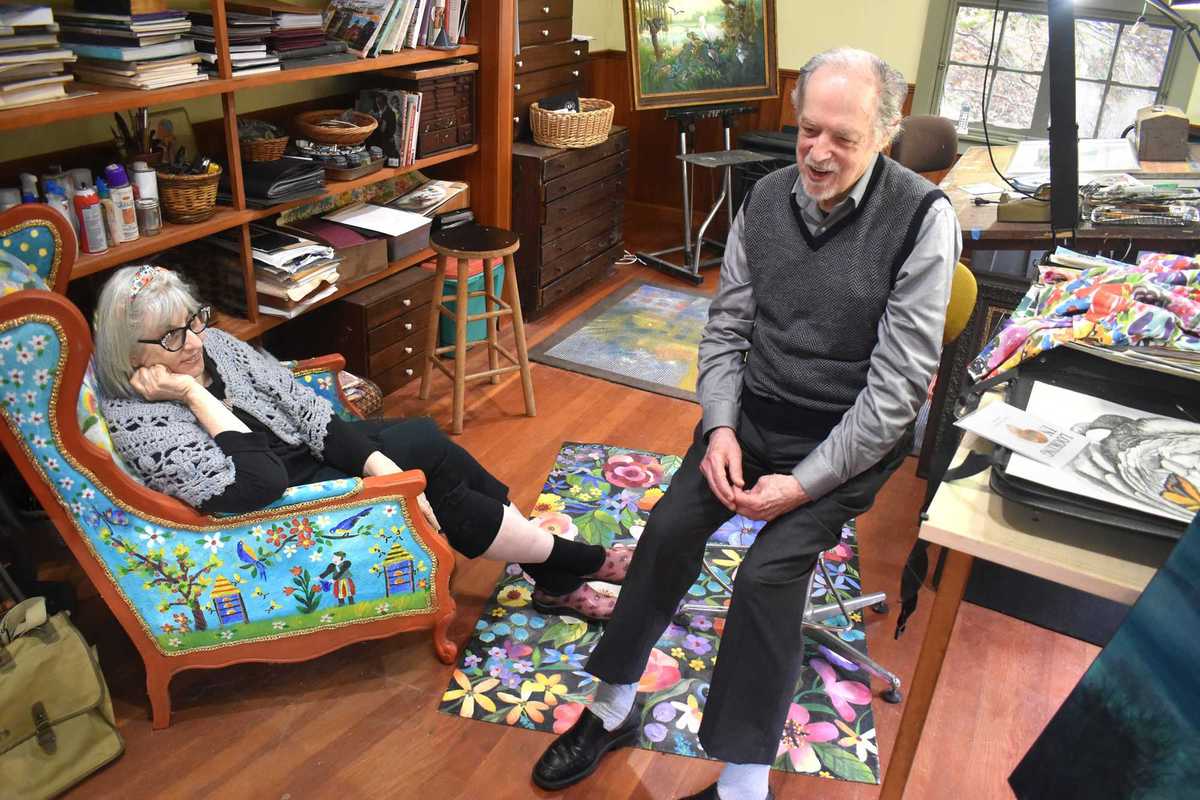
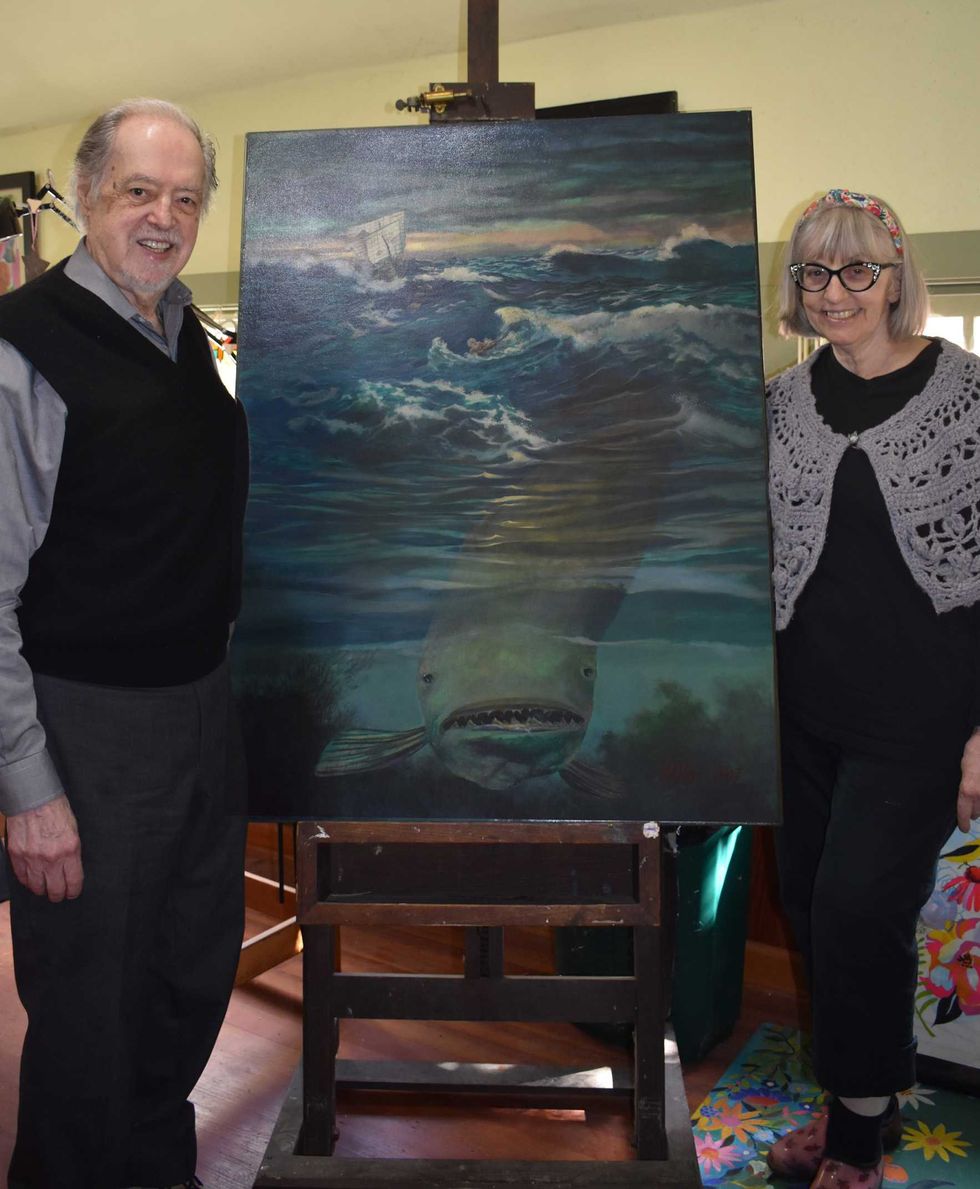 Justine and Victor Valla in their studio with a painting of Victor’s,”Jonah and the Whale.” Robin Roraback


 A ceramic vase by Kathleen Heidemann.Provided
 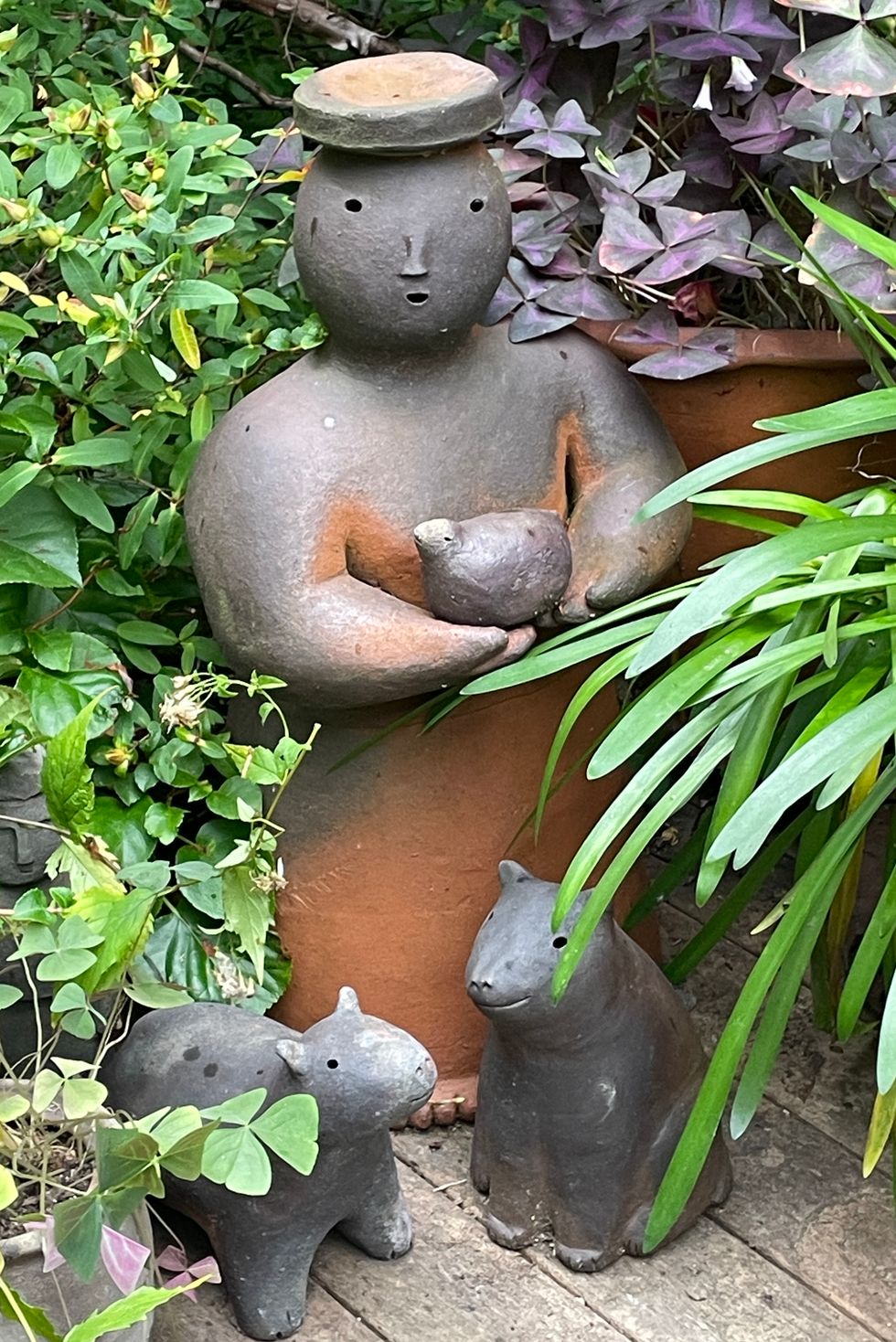 Joy Brown’s delightful ceramic sculptures.Provided
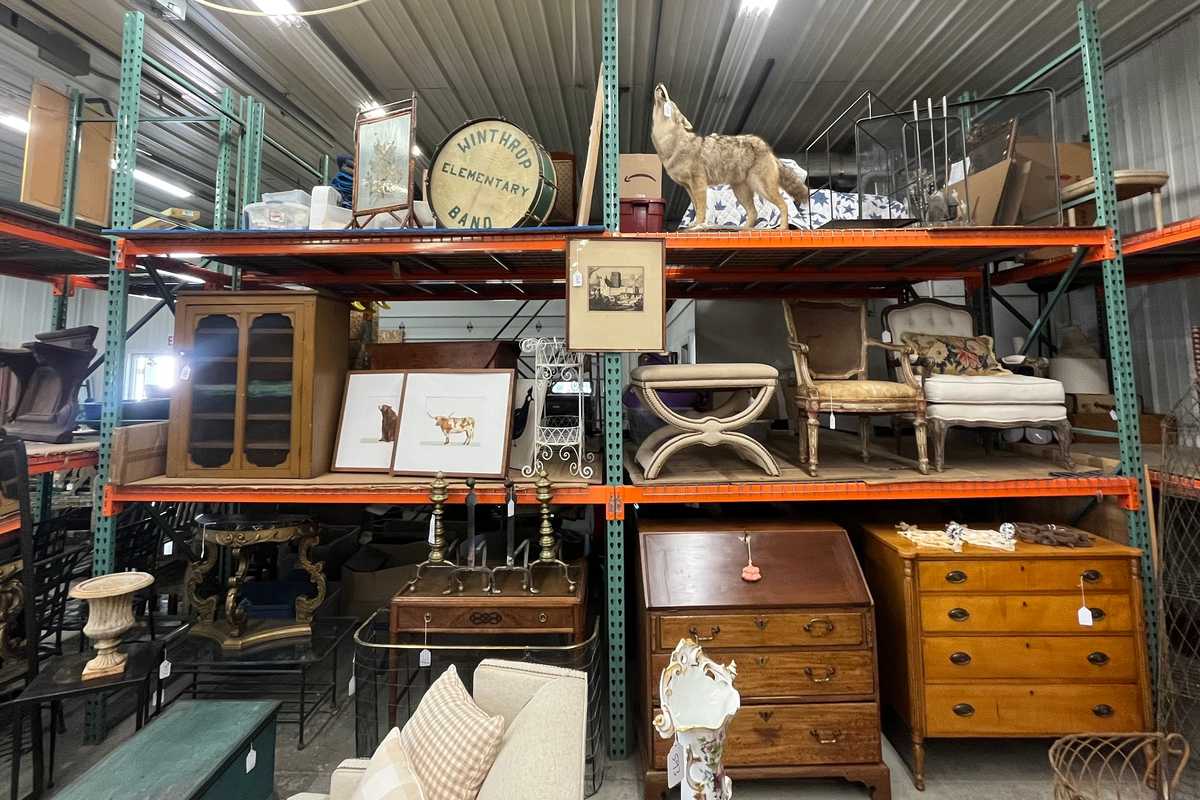
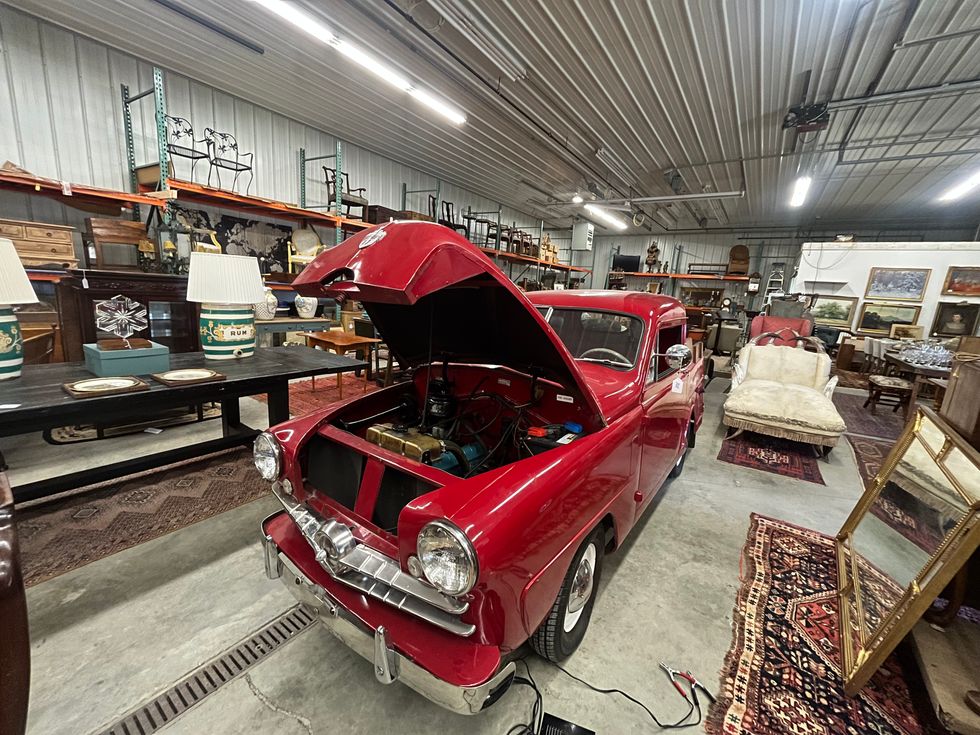 Hundreds of items at Stateline Auctions, including a candy-apple-red Crosley pickup truck.D.H. Callahan