Thank you!
Your support is sustaining the future of local news in our communities.

Change in spite of ourselves

Change is going to come to Connecticut politics — Land of Steady Habits.

Generally speaking, two things are true about Connecticut politics. One is that voters are loathe to throw the bums out. Hence, Joe Lieberman, man without a party, gets re-elected senator running simultaneously as a Republican, an independent and a Democrat.

Second, because it is so hard to get rid of an incumbent, there is always a class of young turks who grow old waiting. Waiting, waiting, waiting for an opening. Dick Blumenthal, Dan Malloy, John DeStefano and Bill Curry have waited a generation.

And it is worse for Republicans. If you are a promising Republican in Connecticut, you’d better have a solid second career, such is that party’s registration and organizational disadvantage in this state.

But suddenly the two big jobs in state politics are open. The two gems.

We shall have change in spite of ourselves.

Chris Dodd is going to retire from the Senate.

Jodi Rell has already announced her retirement as governor.

So Bloomie can run for senator at long last.

Malloy and Ned Lamont have a real shot at governor.

And Rob Simmons, once the most moderate of moderate Republicans, has a chance at being a senator when he could not hold on to a House seat.

u      u      u

“Change is good,� they say.

Not always. Sometimes.

But it is usually a constant in politics, sports and life. Stuff happens.

The waters are never still for long.

So Connecticut’s rather extreme tendency to resist change is being upset here, and that may be a healthy thing.

It will be if the politicians in question use this election to get away from the cliches and out of the ideological boxes and really think and act anew.

The test of change will be change — in rhetoric, proposals and policy in office.

Simmons may now be the frontrunner in the Senate race. But he has been a different Simmons this year. He has been the worst sort of Mr. Pander to the right-wing fringe. He thinks it will help him win a Republican primary in a year of GOP lunacy, apparently. But debasing himself does not make Simmons look senatorial.

Blumenthal is sometimes depicted as a man so politically cautious that, after 20 years of hanging around, the public sees him more as a walking infomercial than a leader. But he does have an identity. He is decent and professional. If he comes across as that, and as thoughtful rather than calculating, he can win.

u      u      u

As for Dodd, he has miles to go before he leaves public life altogether. It is said he could not have won, and that’s why he quit. But he could have won. He was simply tired. And maybe just a tad disheartened by all the incivility and the passing of his friend Ted Kennedy. He will find a new way to contribute.

And his legacy? He was a leader on child welfare policy in the Congress; he was the Senate expert on Latin America; he may yet push through some banking reform. He was the most eloquent spokesman in Congress for something no one talks much about — international law. That was a homage to his father as well as our Founding Fathers.

Politics, like baseball, is a game of personalities and comparisons. Dodd benefits by comparison. He always knew who he was — an old-fashioned, pragmatic, FDR-Kennedy liberal. He didn’t blow with the wind and the labels of the hour. He was an old-fashioned pol, too, who liked to slap backs and tell a good story. Dodd was a happy warrior who loved the game, took pride in it and never hated his opponents. He was an eloquent spokesman for the institution of the Senate and its traditions.

Two moments are emblematic of Chris Dodd. One was recent. He chastised newer members of the Senate for violating its sense of comity, fraternity and respect. He reminded them that the institution has a long history before them and would have a long history after. It needed to be said.

The other moment was in a presidential debate in 2008. Asked for a slogan or ethic to live by in politics, he suggested The Golden Rule.

A reputation for comity, charity and good cheer is a pretty good way to go out.

Keith C. Burris is editorial page editor of the Journal Inquirer in Manchester.

Latest News

‘So Little to Do,’ so much to discover at James Barron Art

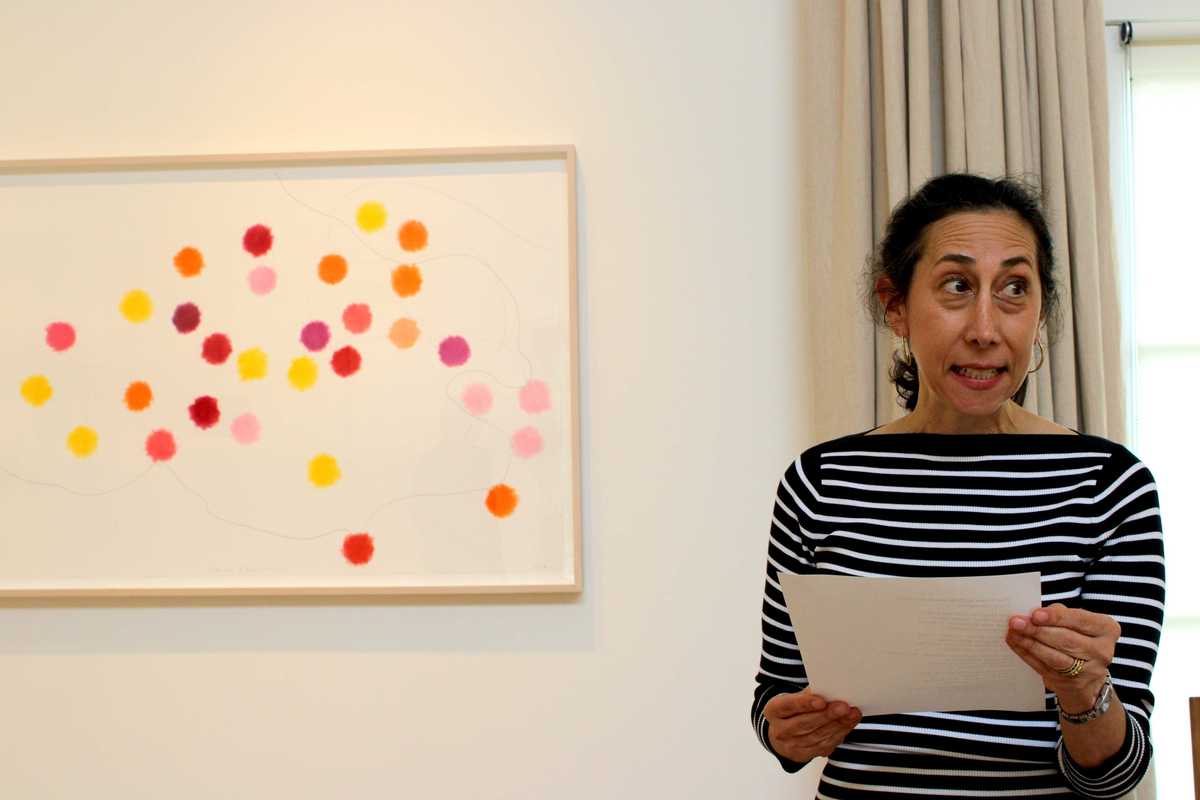
Curator Deborah Goodman Davis reads the Emily Dickinson poem “The Grass So Little Has to Do.” Spencer Finch’s “Following Three Bees (Zinnias)” buzzes in the background.

Photo by Natalia Zukerman

“The Grass Has So Little to Do,” on view at James Barron Art in Kent, takes its title from Emily Dickinson’s poem “The Grass So Little Has to Do,” written in 1862:

“The Grass so little has to do—
A Sphere of simple Green—
With only Butterflies to brood
And Bees to entertain—”

Keep ReadingShow less

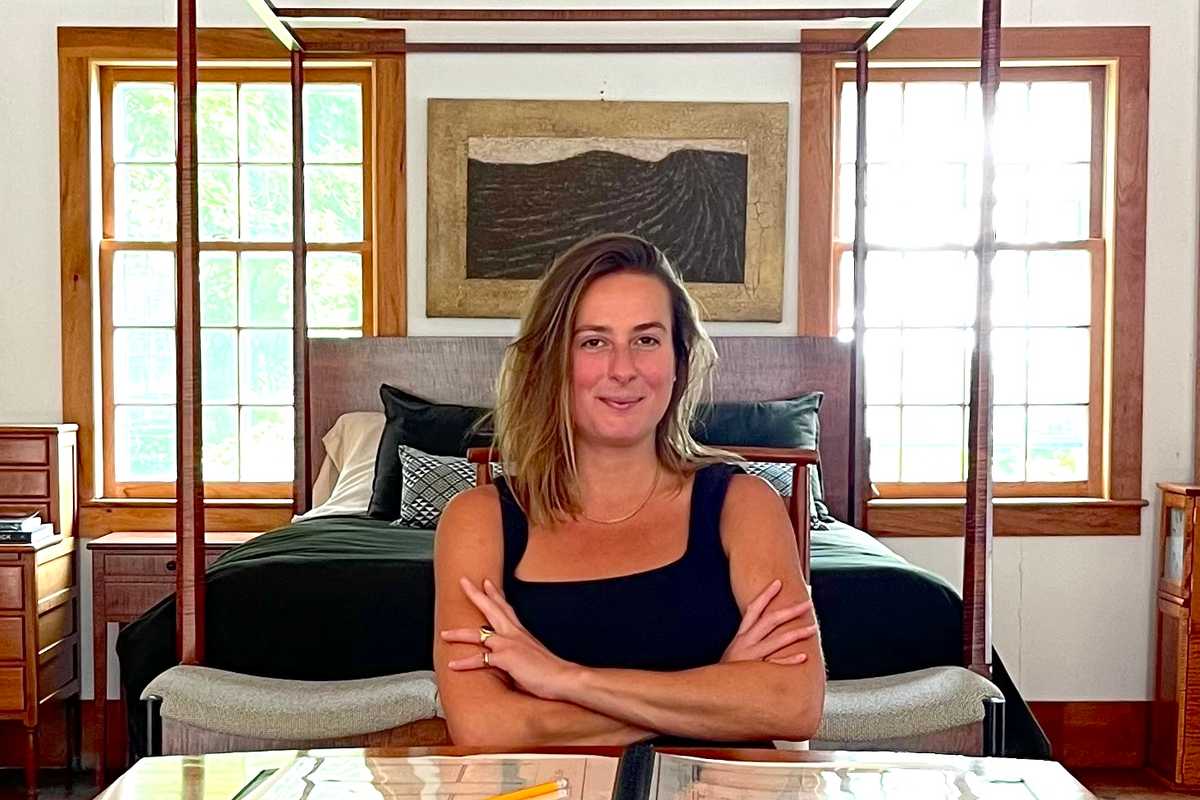
Marina Kotchoubey is not a woodworker

Marina Kotchoubey is not a woodworker

Marina Kotchoubey at the Ian Ingersoll Cabinetmakers showroom in West Cornwall.

Photo by D.H. Callahan

After 40-something years navigating the world of custom fine furniture, Ian Ingersoll was getting ready to retire. Starting off with a little dovetail stool that he sold at a shop in West Cornwall in the 1970s, he’d grown his skill and his business into something he — and the whole town — could be proud of. Shutting down that business was not an option.

Ingersoll built Ian Ingersoll Cabinetmakers, which produced mainly classical Shaker furniture, on passion: the passion he had to make a living through creative challenges and the passion of his employees, who all seem deeply in love with their craft.

Keep ReadingShow less
A legacy of giving at Norfolk Chamber Music Festival

One hundred and twenty years ago, Carl and Ellen Stoeckel commissioned New York architect E.K. Rossiter to design The Music Shed in Norfolk, Connecticut. After nearly a decade of entertaining their friends and neighbors with the finest music of the day, they built a permanent home for their beloved Litchfield County Choral Union.

The commission and full funding of the construction was not unheard of in an era when great fortunes led to public enrichment. Railroad tycoon John D. Rockefeller was instrumental in funding institutes of higher education. Steel baron Andrew Carnegie was building libraries all over the country, and famously said that a man who dies rich is a disgrace, challenging his peers to give their fortunes back to the people.

Keep ReadingShow less
google preferred source

Want more of our stories on Google? Click here to make us a Preferred Source.
Two unique exhibitions at Geary Gallery

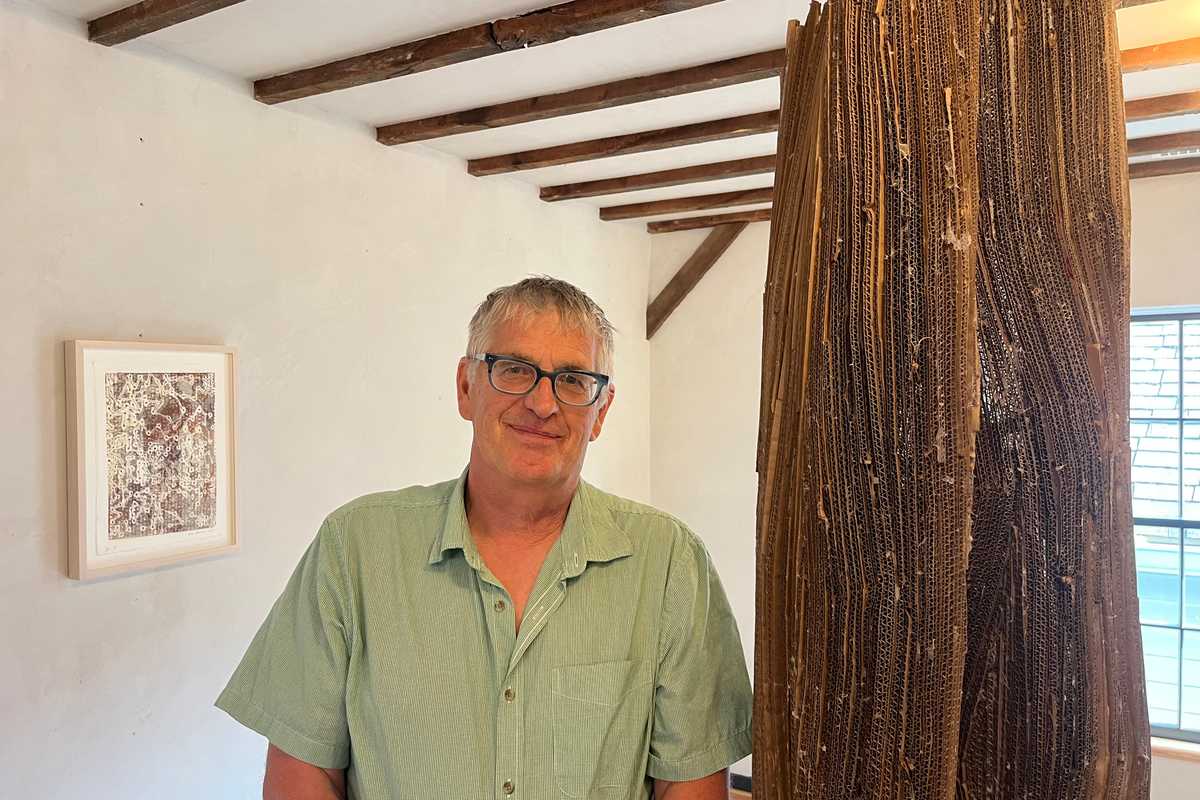
Henry Klimowicz with his sculpture, “Partial Pillar 1”

Photo by D.H. Callahan

On Saturday, Aug. 1, Geary Gallery opened its doors in Salisbury for two unique shows in its first- and second-floor gallery spaces. Art lovers flooded both floors over the course of the afternoon, giving the events a vibrant feeling that enhanced the importance of the art.

On the first floor is a show by Chicago-born, Colorado-based photographer Summers Moore, titled “Lobitos: Pueblo Fantasma,” or “Lobitos: Ghost Town.” The work centers around her daughter’s current hometown in Peru. Moore herself found a home away from home in Colorado in the mid-1980s and encouraged her children to seek out new places outside of their comfort zones.

Keep ReadingShow less

Writer’s retreat in the woods

Writer’s retreat in the woods

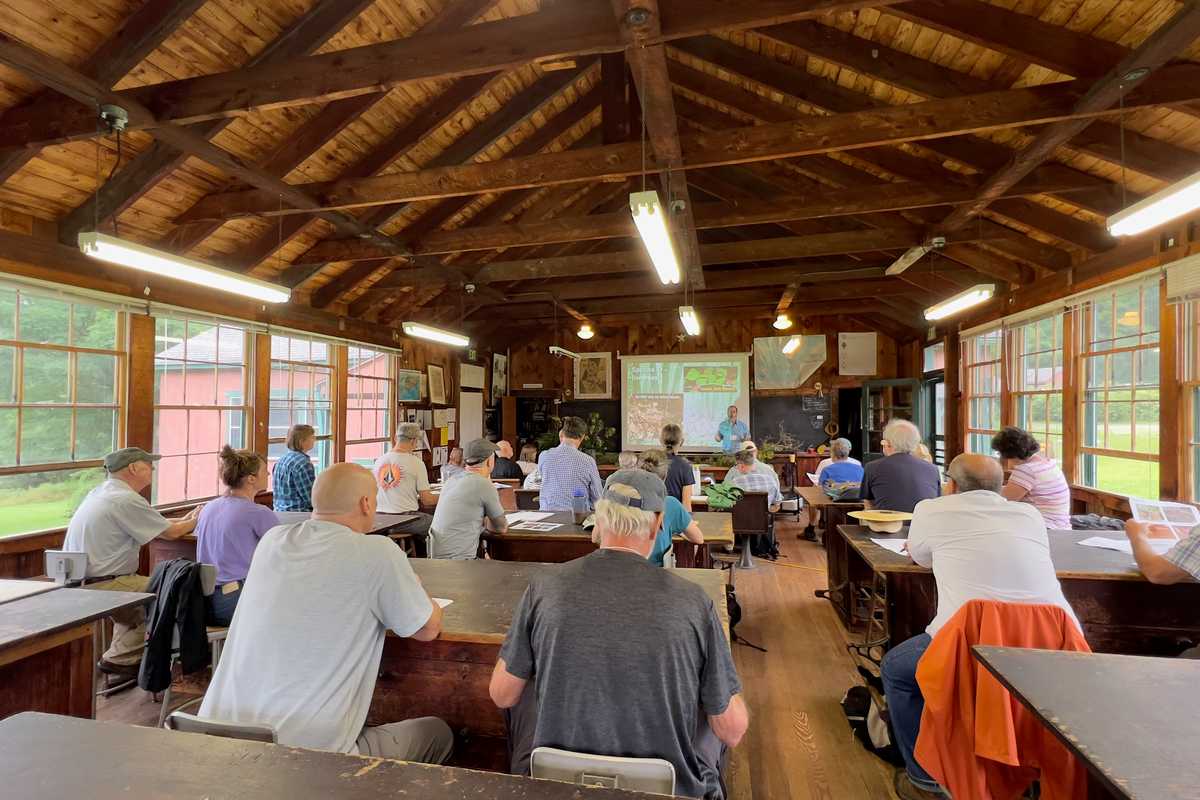
Participants in a 2024 Great Mountain Forest Woodland Academy workshop at Yale Camp.

Photo by Mike Zarfos

Great Mountain Forest (GMF) will host its first Nature Writing Retreat at the historic Yale Camp in Falls Village from Aug. 7-9, 2026. Writers of all levels are invited to draw inspiration from one of New England’s most notable forest landscapes. GMF envisions the retreat becoming an annual event celebrating writing, conservation and the relationship between people and forests.

This immersive three-day retreat reflects on the legacy of Hal Borland, the American writer and New York Times nature columnist whose work was deeply connected to this landscape. The retreat explores how wilderness shapes language, strengthens close observation and fosters environmental consciousness.

Keep ReadingShow less
From Cornwall to Rome, Adam Van Doren at Berkshire Botanical Garden

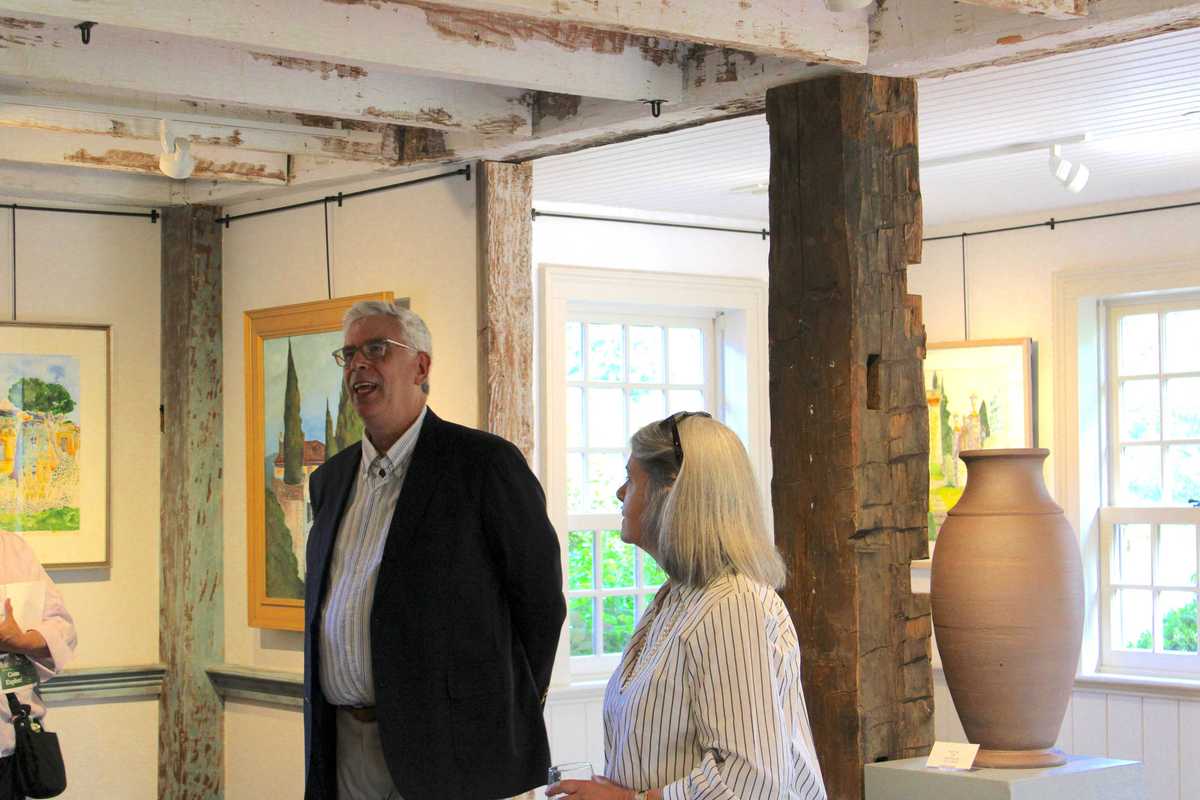
Artist Adam Van Doren and curator Donna Hassler talk to a group of visitors at the Berkshire Botanical Garden. A Stephen Proctor vessel sits to their left.

Photo by Natalia Zukerman

This summer, the Berkshire Botanical Garden in Stockbridge has hosted “Grounded in Nature: Paintings by Adam Van Doren,” an exhibition exploring the intimate relationship between architecture and the natural world.

On view for only a few more weeks in the Leonhardt Galleries, the exhibition features more than 35 watercolor and oil paintings by the New York-based artist, architect, author and Yale professor, curated by art historian Donna Hassler, director emerita of Chesterwood. The works span three distinct places that have shaped Van Doren’s artistic practice: New York City, Cornwall, Connecticut, and his travels throughout Europe.

Keep ReadingShow less
google preferred source

Want more of our stories on Google? Click here to make us a Preferred Source.
google preferred source

Want more of our stories on Google? Click here to make us a Preferred Source.