The Best of Jazz, and Jazz as a Pathway to Greatness

I had the good fortune to attend an excellent public high school. Langley High School in McLean, Va., was so good that the great and the good of Washington, D.C., who had their pick of exclusive private schools, often sent their kids to Langley.

I was a decent trumpet player, and mid-way through my sophomore year I was plucked from the pedestrian Concert Band and took the fourth chair in the trumpet section of the Jazz Lab.

The music teacher was a white-haired, red-faced Boston Irishman named George Horan. He ruled his empire with a cunning mix of fear and encouragement. We wanted to make him happy, because a) he was genuinely delighted when we demonstrated improvement and b) we were afraid of what he’d say if we didn’t demonstrate improvement.

Going from Concert Band to Jazz Lab was like being suddenly promoted from single A baseball to the major leagues. I hid at the end of the section and played my parts as softly as I dared, lest I attract any attention.

Horan was having none of it. “Sully!” he’d bellow. “Lemme hear it from the top.”

My junior year we went to what was then West Berlin on an exchange trip. (The Germans sent a bluegrass band, which sounds like the premise of a Philip Roth novel.)

We played two shows a day for two solid weeks, on television, radio, in a former concentration camp and in a beer hall on the same bill with the Platters. Then we drank beer at Burger King with some of the Platters.

And when we came back we were a tight outfit. We won every competition we entered.

I had braces for what seemed like forever, and playing a brass instrument with braces is not much fun.

Senior year the braces came off and with them went most of my range. 

But my tone was suddenly nice and round and full.

Horan promoted me to the second chair, which handled whatever soloing was called for.

He ordered me to practice endless scales at home.

And he told me to listen to (and play along with) records by Miles Davis and Sonny Rollins — the former for what a trumpet player could get away with without a big range, and the latter for how to start a solo with a restatement of the melody line and then add a few twists. 

Much to my surprise, suddenly I was improvising and it didn’t sound awful.

He recommended some other stuff too — a lot of bluesy material without complicated chord changes.

So I did, because nobody disobeyed George Horan. Here are the records I picked up or borrowed and played to:

• Miles Davis: “Kind of Blue.” This is on everybody’s jazz list but so what. 

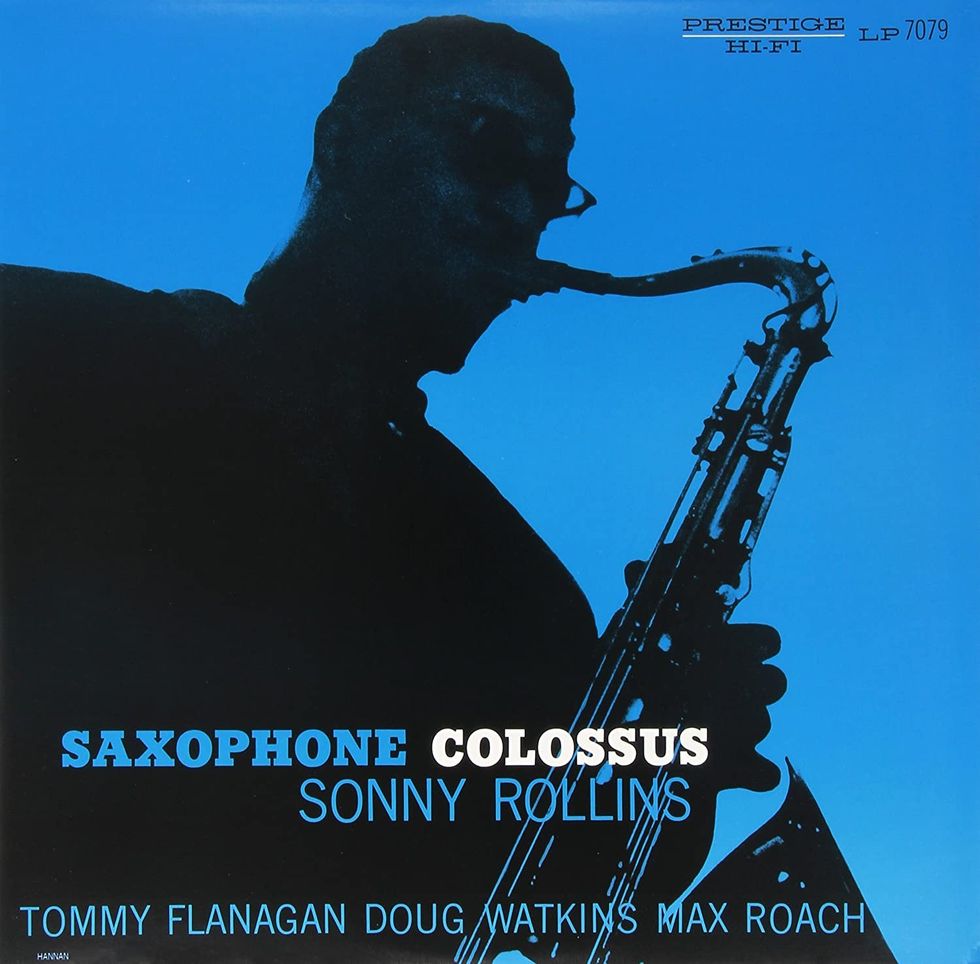
• Sonny Rollins: “Saxophone Colossus” (especially “Blue Seven”).

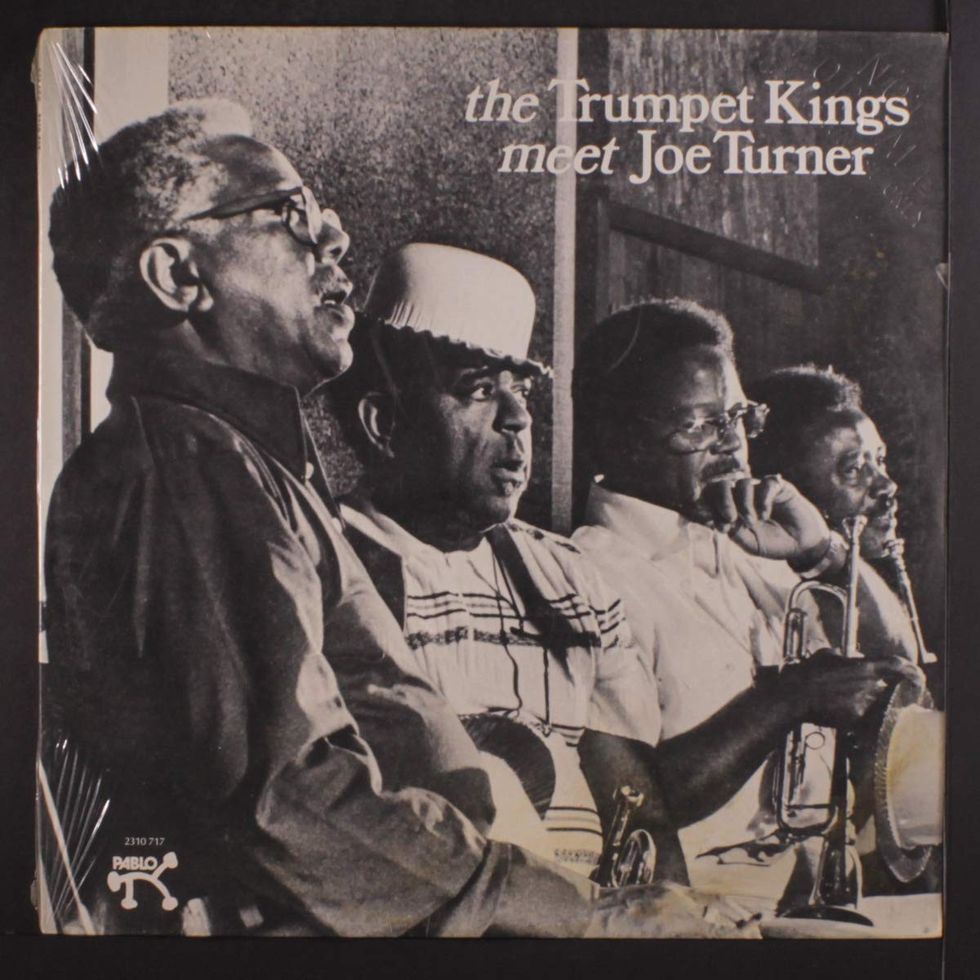
• “The Trumpet Kings Meet Joe Turner” with Roy Eldridge, Clark Terry, Dizzy Gillespie and Harry “Sweets” Edison.

• Joe Turner and Count Basie: “The Bosses” (with Edison on trumpet).

• “The Smithsonian Collection of Classic Jazz,” which in its first incarnation ran the gamut from Robert Johnson to Ornette Coleman.

I occasionally get my trumpet out and I can still play “Ornithology” (not very well).

But I never forgot George Horan and the way he got the best out of me — and then demanded a little bit more.
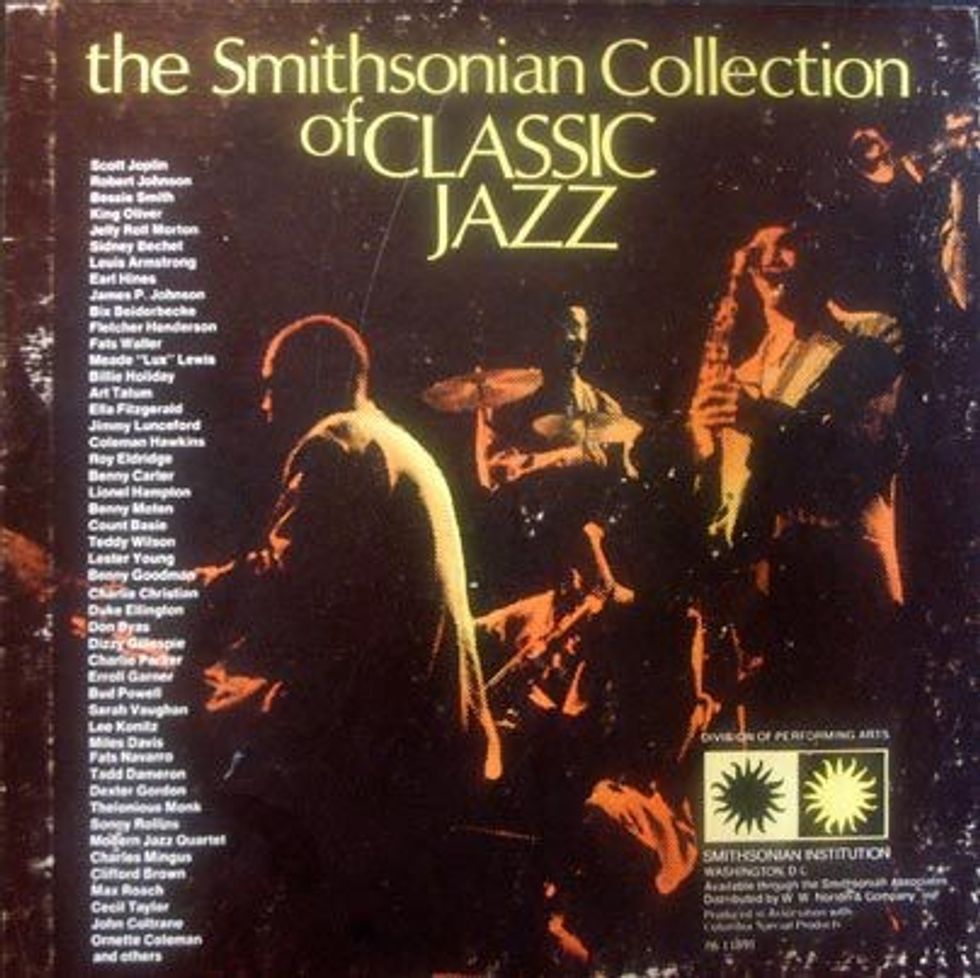
Amazon Catalog Photo
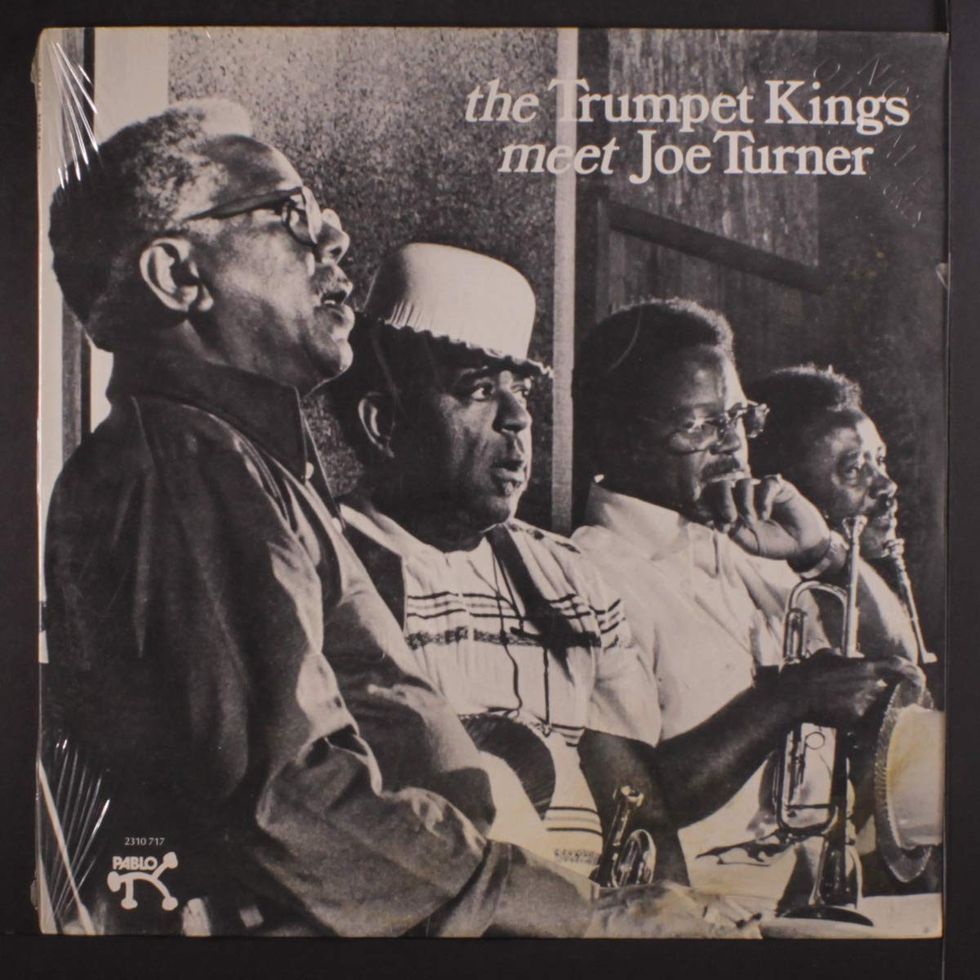
Amazon Catalog Photo
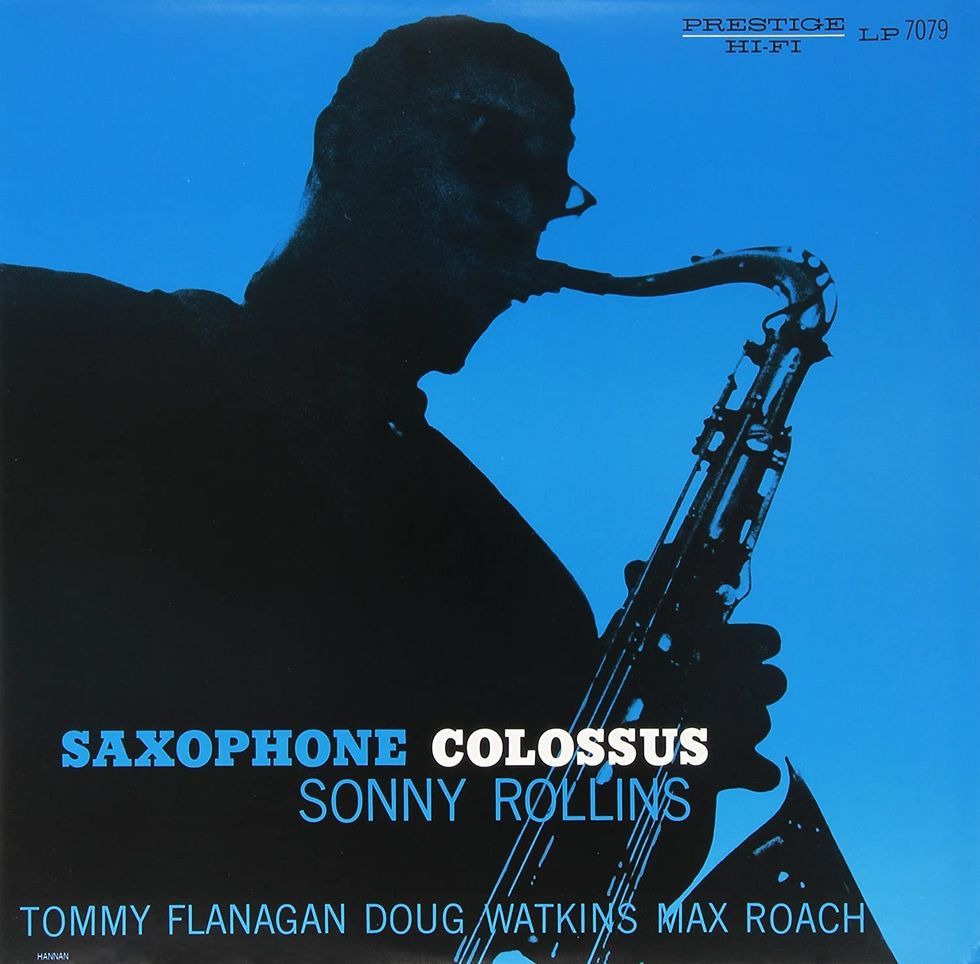
Amazon Catalog Photo
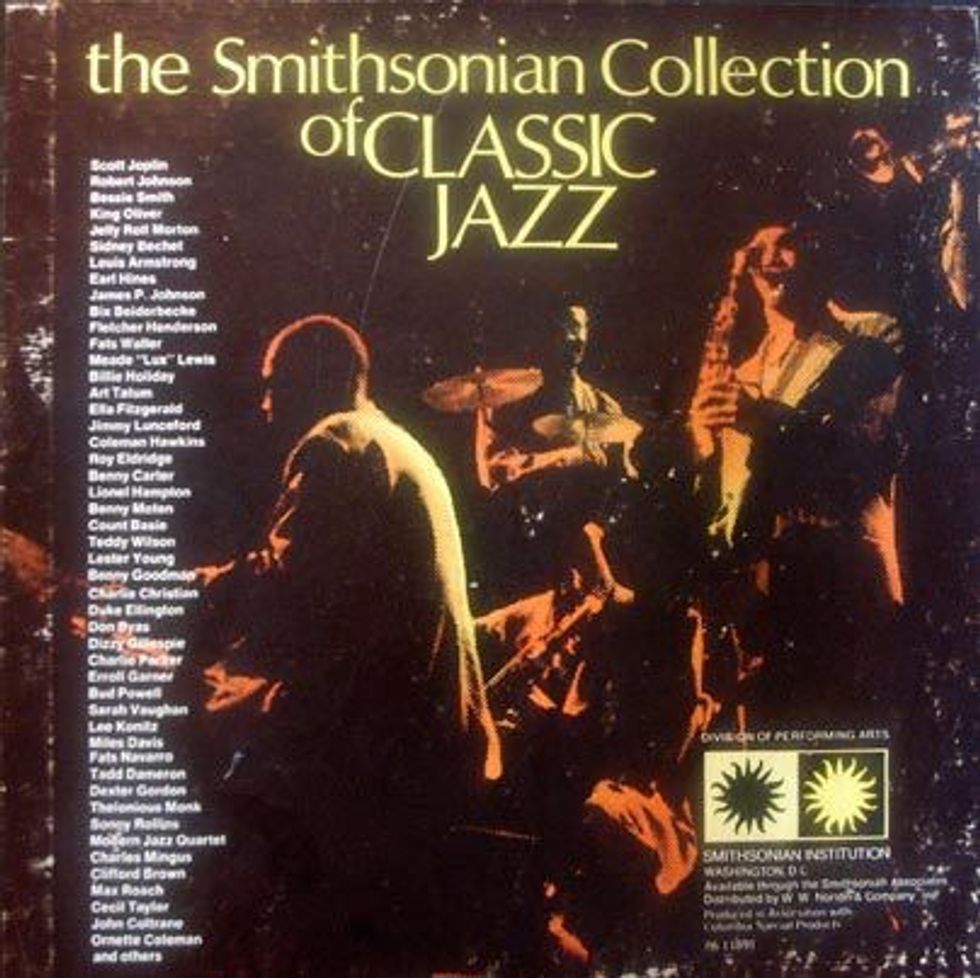
Amazon Catalog Photo
Latest News

To mow or not to mow?

To mow or not to mow?

A partially mowed meadow in early spring provides habitat for wildlife while helping to keep invasive plants in check.

Dee Salomon

Love it or hate it, there is no denying the several blankets of snow this winter were beautiful, especially as they visually muffled some of the damage they caused in the first place.There appears to be tree damage — some minor and some major — in many places, and now that we can move around, the pre-spring cleanup begins. Here, a heavy snow buildup on our sun porch roof crashed onto the shrubs below, snapping off branches and cleaving a boxwood in half, flattening it.

The other area that has been flattened by the snow is the meadow, now heading into its fourth year of post-lawn alterations. A short recap on its genesis: I simply stopped mowing a half-acre of lawn, planted some flowering plants, spread little bluestem seeds and, far less simply, obsessively pluck out invasive plants such as sheep sorrel and stilt grass. And while it’s not exactly enchanting, it is flourishing, so much so that I cannot bring myself to mow.

Keep ReadingShow less

Where the mat meets the market

Where the mat meets the market

Kathy Reisfeld

Elena Spellman

In a barn on Maple Avenue in Great Barrington, Kathy Reisfeld merges two unlikely worlds: wealth management and yoga, teaching clients and students alike how stability — financial and emotional — comes from practice.

Her life sits at an intersection many assume can’t exist: high finance and yoga. One world is often reduced to greed, the other to “woo-woo” stretching. Yet in conversation, she makes both feel grounded, less like opposites and more like two languages describing the same human need for stability.

Keep ReadingShow less
Capitol hosts first-ever staging of Civil War love story

Playwright Cinzi Lavin, left, poses with Kathleen Kelly, director of ‘A Goodnight Kiss.’

Jack Sheedy

Litchfield County playwright Cinzi Lavin’s “A Goodnight Kiss,” based on letters exchanged between a Civil War soldier and the woman who became his wife, premiered in 2025 to sold-out audiences in Goshen, where the couple once lived. Now the original cast, directed by Goshen resident Kathleen Kelly, will present the play beneath the gold dome of Connecticut’s Capitol in Hartford as part of the state’s America250 commemoration — marking what organizers believe may be the first such performance at the Capitol.

“I don’t believe any live performances of an actual play (at the Capitol) have happened,” said Elizabeth Conroy, administrative assistant at the Office of Legislative Management, who coordinates Capitol events.

Keep ReadingShow less
google preferred source

Want more of our stories on Google? Click here to make us a Preferred Source.

Hunt Library launches VideoWall for filmmakers

Yonah Sadeh, Falls Village filmmaker and curator of David M. Hunt Library’s new VideoWall.

Robin Roraback

The David M. Hunt Library in Falls Village, known for promoting local artists with its ArtWall, is debuting a new feature showcasing filmmakers. The VideoWall will premiere Saturday, March 28, at 6 p.m. with a screening of two short films by Brooklyn-based documentary filmmaker and animator Imogen Pranger.

The VideoWall is the idea of Falls Village filmmaker Yonah Sadeh, who also serves as curator. “I would love the VideoWall to become a place that showcases the work of local filmmakers, and I hope that other creatives in the area will submit their work to be shown,” he said.

Keep ReadingShow less

A bowl full of stars

A bowl full of stars

A bowl full of stones.

Cheryl Heller

There’s a bowl in my studio where pieces of the planet reside. I bring them home from travels, picking them up not for their beauty or distinction but for their provenance. I choose the ones that speak to me — the ones next to pyramids, along hiking trails, on city sidewalks or volcanic slopes.

I like how stones feel in my hand: weighty, grounding. I don’t mind them making my pockets and suitcase heavier. The bowl is about the size of an average carry-on. It has been years since it was light enough for me to lift.

Keep ReadingShow less
One-woman show brings Mumbet’s fight for freedom to Scoville Library

On March 29, writer, producer and director Tammy Denease will embody the life and story of Elizabeth Freeman, widely known as Mumbet, in two performances at the Scoville Library in Salisbury. Presented by Scoville Library and the Salisbury Association Historical Society, the performance is part of Salisbury READS, a community-wide engagement with literature and civic dialogue.

Mumbet was the first enslaved woman in Massachusetts to sue successfully for her freedom in 1781. Her victory helped lay the legal groundwork for the abolition of slavery in the state just two years later. In bringing Mumbet’s story to life, Denease does more than reenact history.

Keep ReadingShow less
google preferred source

Want more of our stories on Google? Click here to make us a Preferred Source.

google preferred source

Want more of our stories on Google? Click here to make us a Preferred Source.