Bonjour, ceci est votre phrase française du jour.
Good morning, this is your French sentence of the day.
Reading these words is how my mornings have started since the COVID-19 lockdown.
I’ve always wanted to learn French and when I told my boyfriend (who is from Paris), he happily came up with the idea of sending me French sentences everyday — and, after I insisted, audio recordings too.
This is my favorite way to learn, but I admit I am a bit biased. For those who don’t have a French petit ami to help them, here are other resources that I’ve found to be helpful. Many of them have equivalent programs in other languages as well.
Pamela Rose Haze’s “French Made Simple” is my main study workbook. Each chapter starts out with a dialogue in French, and then asks questions based on the dialogue and teaches grammar points. It also has pictures, guidelines on pronunciation, and a dictionary in the back. I bought it on Amazon for $14 but a Kindle version is available for $7.
Rosetta Stone is the first runner-up. It’s convenient to use whenever you choose to, and it works on your oral and listening skills. It teaches mainly through realistic photos, and the accents in the app are very good.
Rosetta Stone also offers interactive learning and live, group tutoring sessions focusing on particular subject areas. I’ve only tried a few live sessions and haven’t been disappointed yet. It’s a bit more costly, but I’ve found it to be worth the money. The different subscription options are as follows: three months for $36, 12 months for $180, 24 months for $250 or a lifetime package for $300.
I sometimes use iTalki, a website that allows you to connect to a native speaker via video chat for a very small fee (I paid $16 for an hour). On the website at www.italki.com you’re able to choose your teacher by watching a recorded video of the instructor, which allows you to listen to their accent and check out their lesson plan. This platform is especially great during COVID-19 because you get to have a safe, one-on-one social interaction even if you’re chatting with someone who is halfway around the globe.
Speaking of social interactions, my neighbors in Salisbury, Conn., (who have much more experience in French than I) organized some weekly socially distanced French soirées.
One out of the five of us picked a topic each week for discussion. The subjects could range from an article in Le Monde (the French equivalent to the New York Times) to a music video. We would translate it and then talk about it in French.
From time to time I also like to watch French television shows or listen to French audiobooks —I mean, who doesn’t like to “Netflix and Chill”? When you’re doing that in a new language, it suddenly feels productive! I’ve been watching “Call My Agent” and “A Very Secret Service” on Netflix with English subtitles.
The next learning tool I would like to try is looking up a recipe in French and actually cooking it. Learning new words while doing an activity is the best way to learn. And, hey, if I don’t remember the words at least I’ll be able to (hopefully) eat whatever dish I make.
Lena Szeto, 24, from New York City but currently residing in her Salisbury home, is a Bates College graduate. She is excited to be writing for The Lakeville Journal again after interning for two summers at the paper while in high school.

The roots of the author’s interest in France and the French language began at a young age, while riding a carousel in Paris. Photo by Paul Szeto

Carousels are just a memory in Paris for now — but photos of them can evoke powerful memories. Photo by Michelle Alfandari





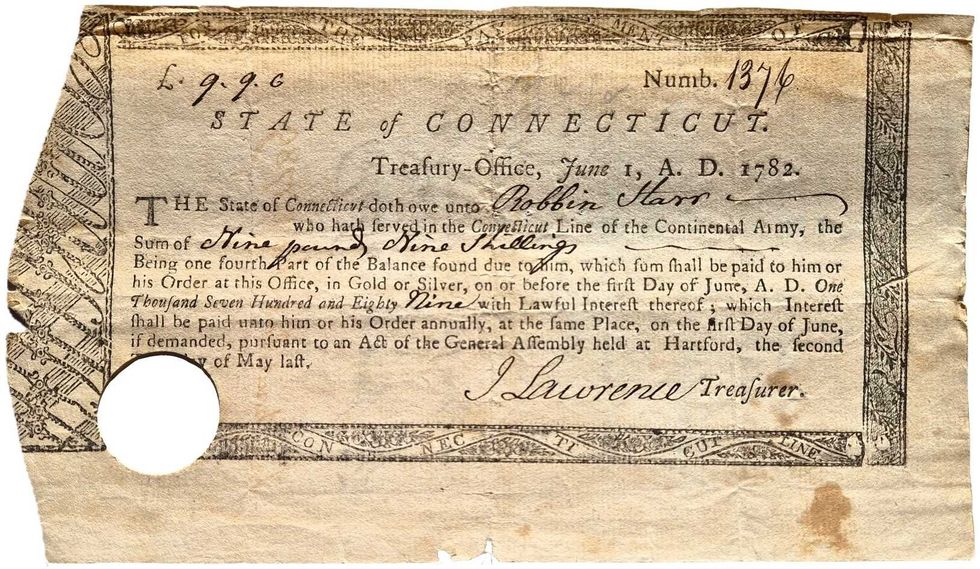 Pay Bill for Robin Starr’s service in the Continental Army.Courtesy the Alex Breanne Corporation
 John Mills speaking at Quinnipiac University.Courtesy the Alex Breanne Corporation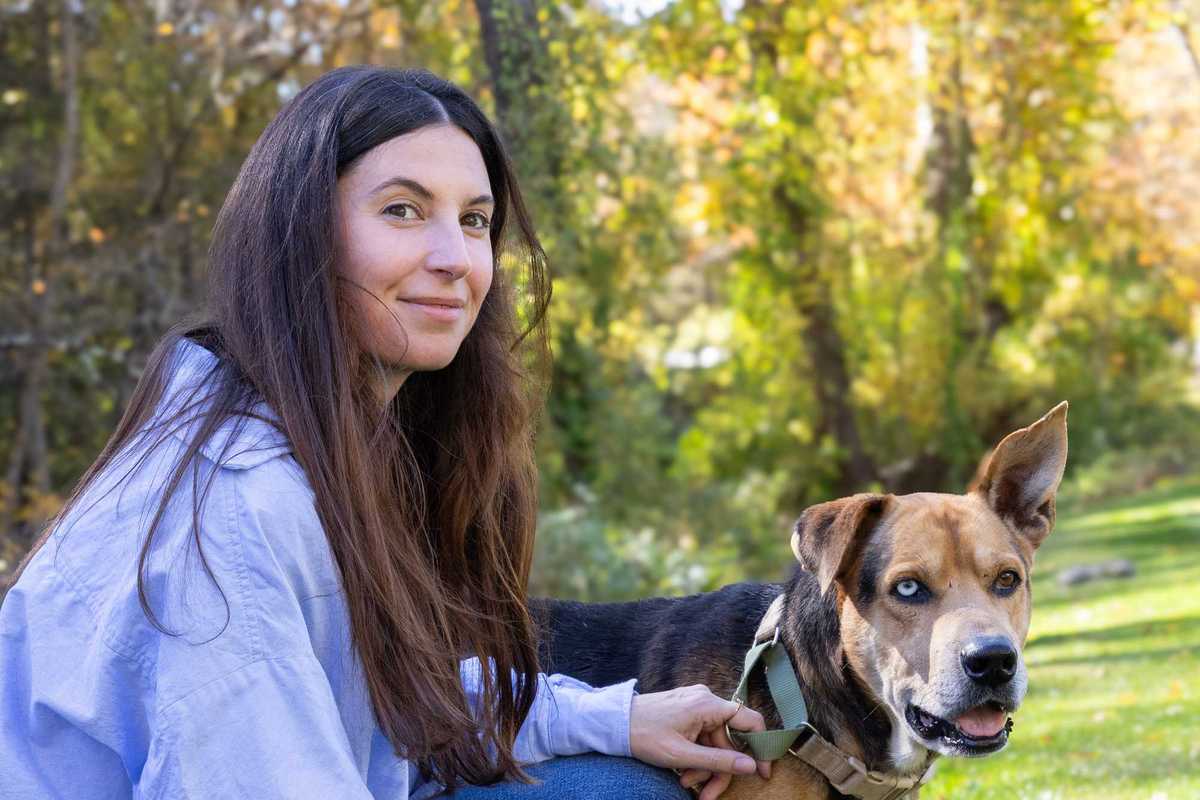
 Stephanie Saetta,with her rescue dog George and Blue (left), a shepherd mix awaiting his forever home.Madi Long
 Blue, a 7 year-old Shepard mix, is waiting for his forever home. Madi Long