Always innovative, the Wassaic Project in Amenia, N.Y., has come up with intriguing alternatives for this summer’s exhibits and fundraising benefit party.
Instead of art on multiple floors ascending in the former Maxon Mills grain elevator, this year’s show will be “virtual,” with projects by 60 artists from around the world “installed” in a book that is “open” for visitors to stroll through, view and experience over the course of the summer.
Later this year, the virtual show will be gathered into a limited edition book, with essays by past writing resident Barbara Bourland and past critic-in-residence Sharmistha Ray.
There will also be artist interviews and an introduction from the Wassaic Project’s executive directors: Jeff Barnett-Winsby, Bowie Zunino and Eve Biddle.
This year’s fundraising celebration will also be virtual, with tickets on sale starting Saturday, June 13.
The tickets provide viewers access (starting on June 13) to view and explore the exhibition book (online access will continue for the entire length of the exhibition). There will also be a private online Zoom “tour” of the artworks on June 13.
The artworks in the show are available for sale.
The community is also invited to visit the new Public Sculpture Walk along the Harlem Valley Rail Trail, which runs from the Wassaic train station, into the hamlet of Wassaic and then to the doorstep of Maxon Mills.
To learn about all this and more Wassaic Project news, go to www.wassaicproject.org.

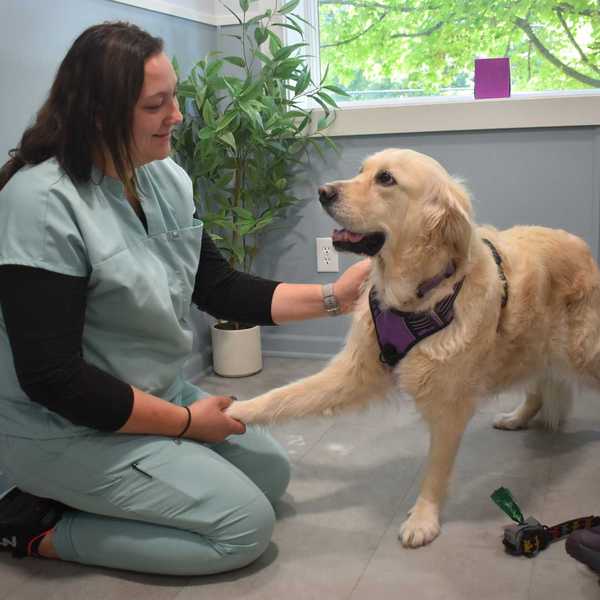
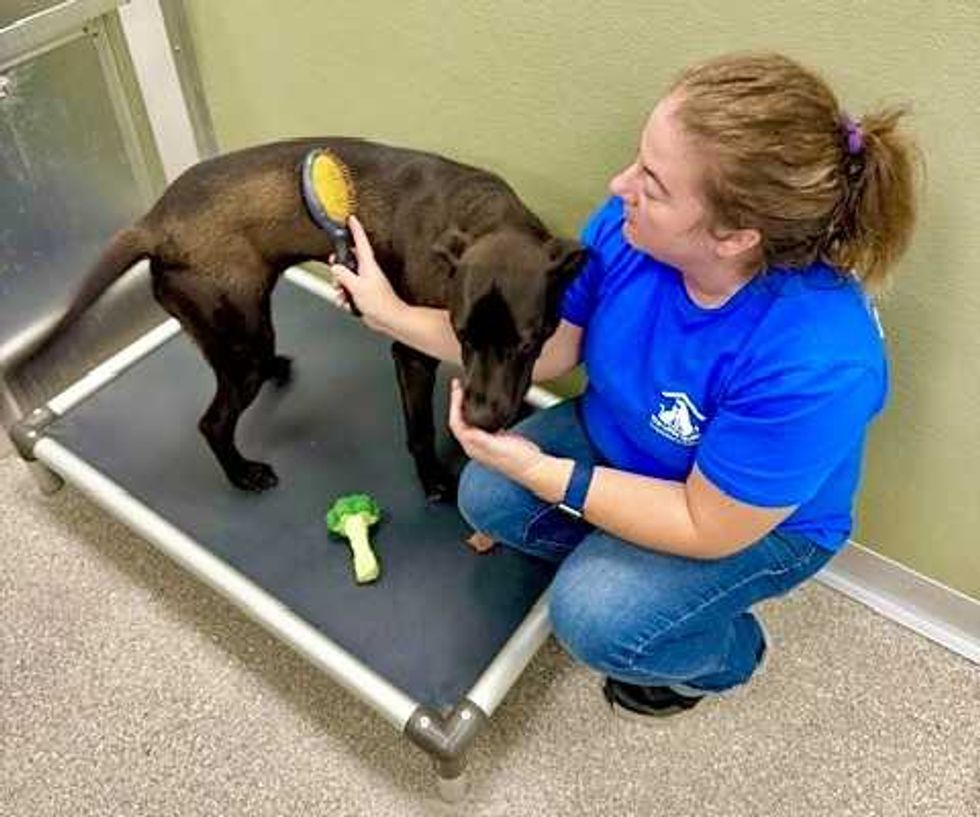 Tiffany Lemelin, shelter manager, brushing Marsala upon arrival.Provided
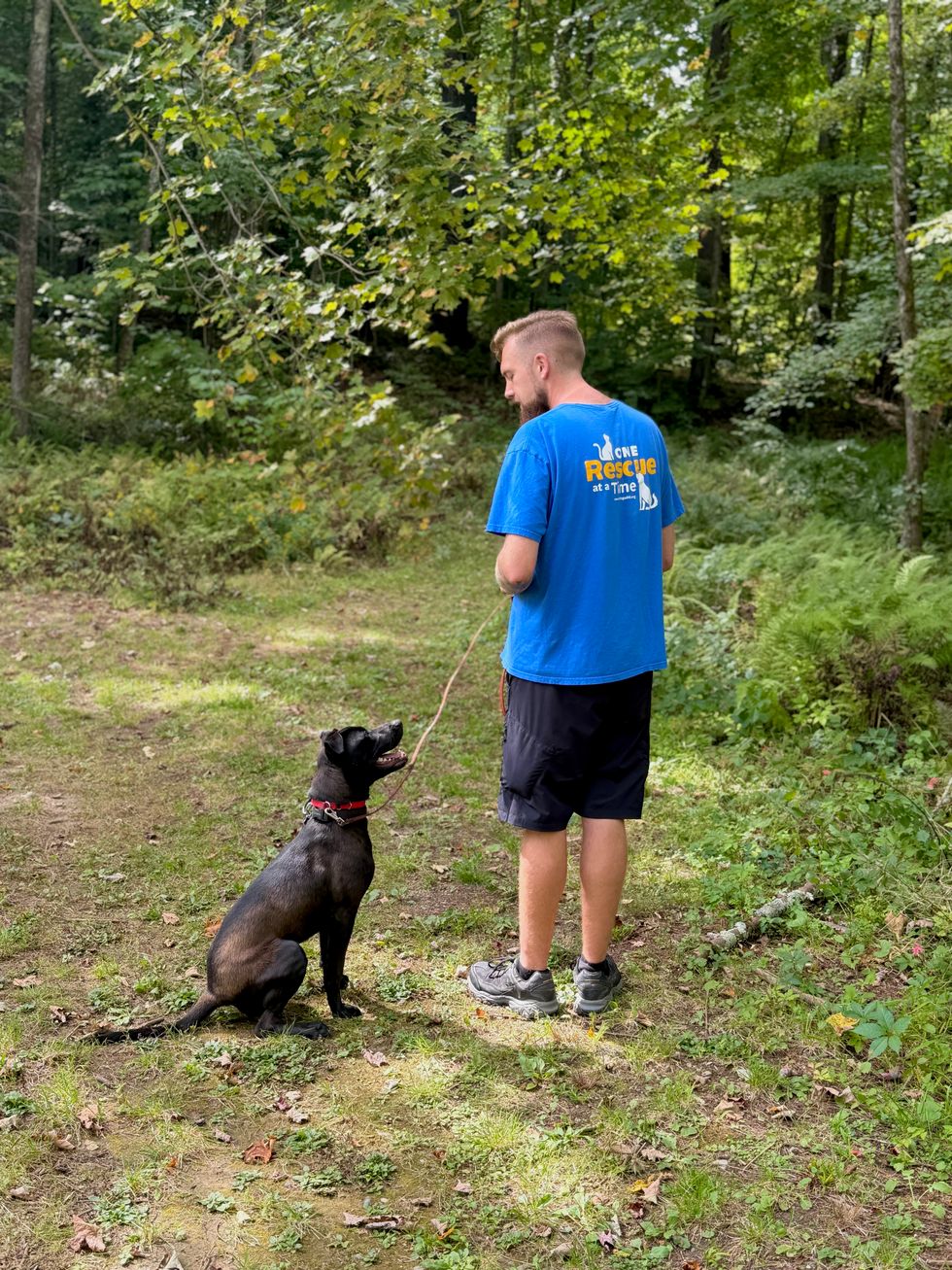 Michael DeBarba, certified dog trainer working with Marsala.Jennifer Almquist
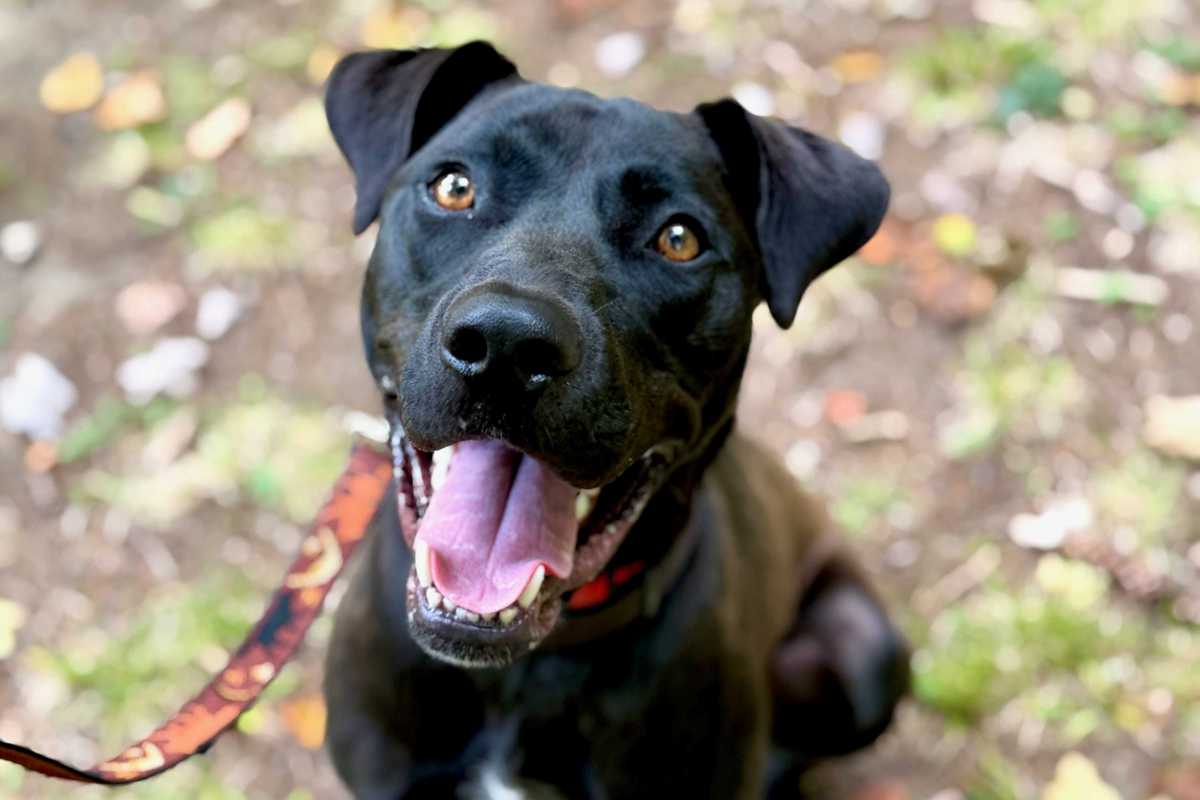
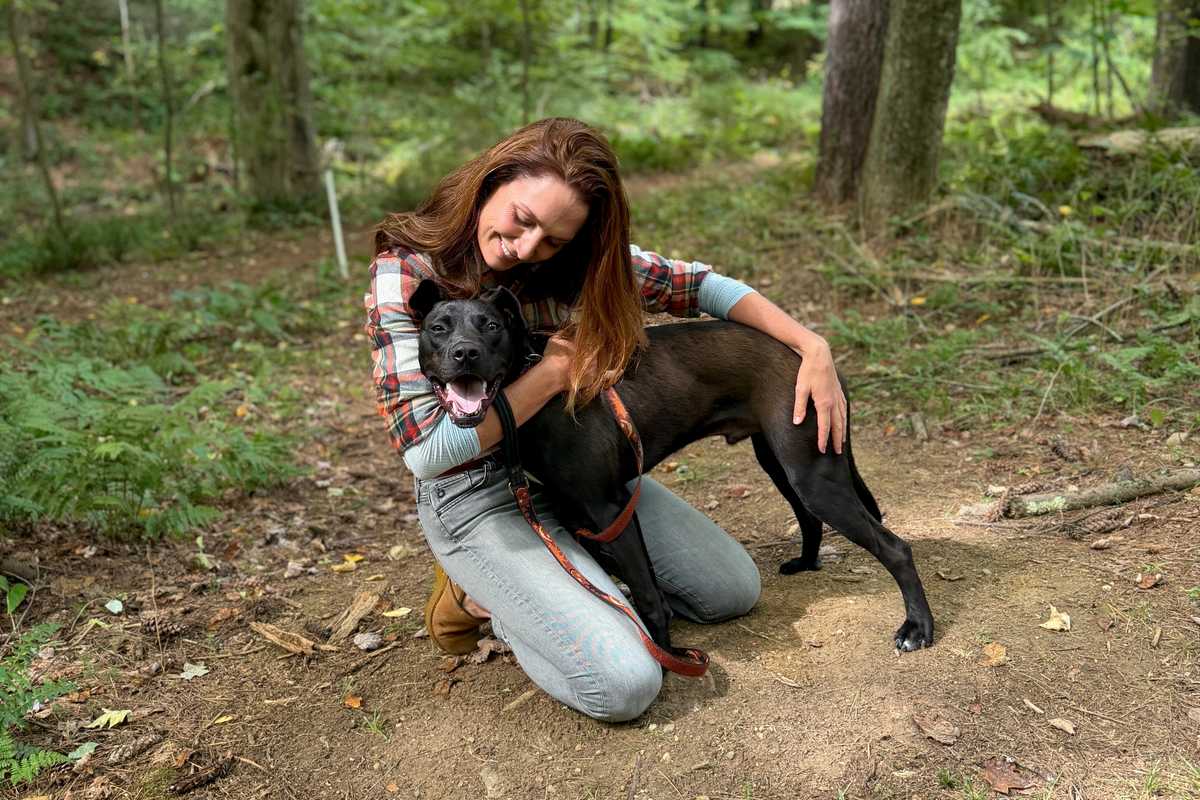 Marsala wins a heart.Jennifer Almquist
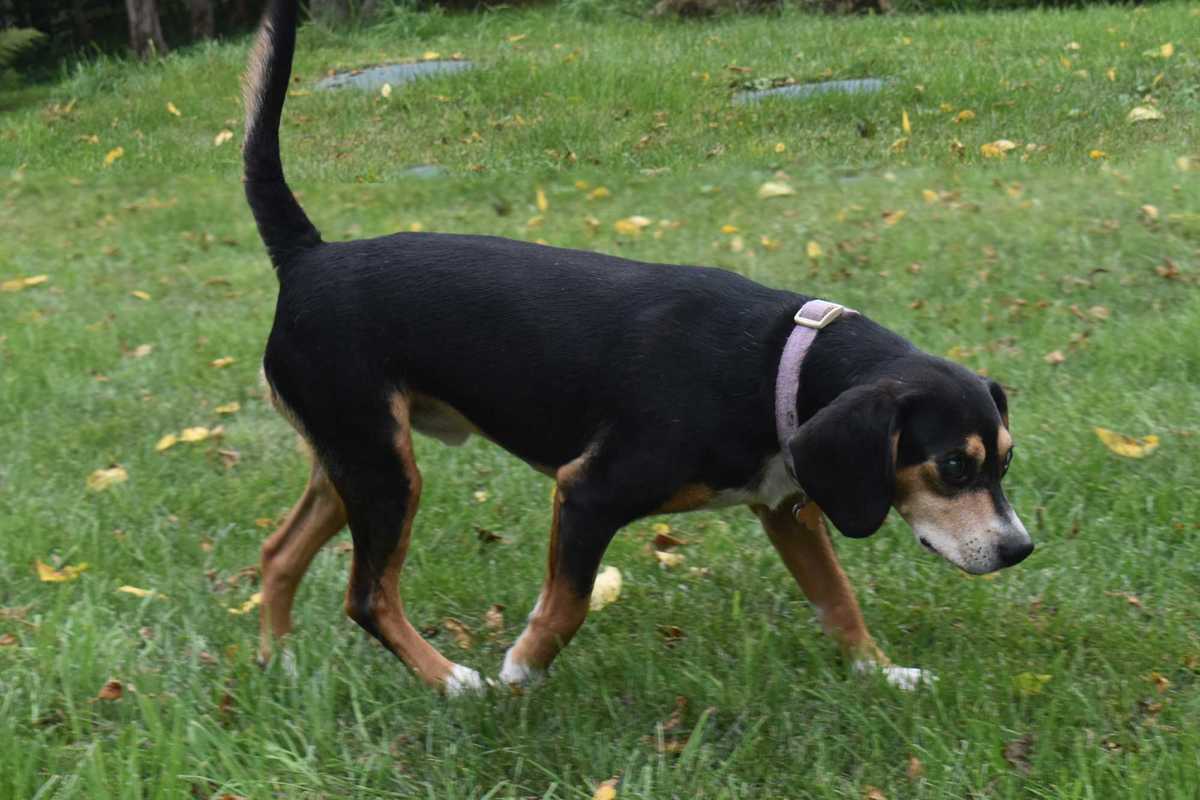
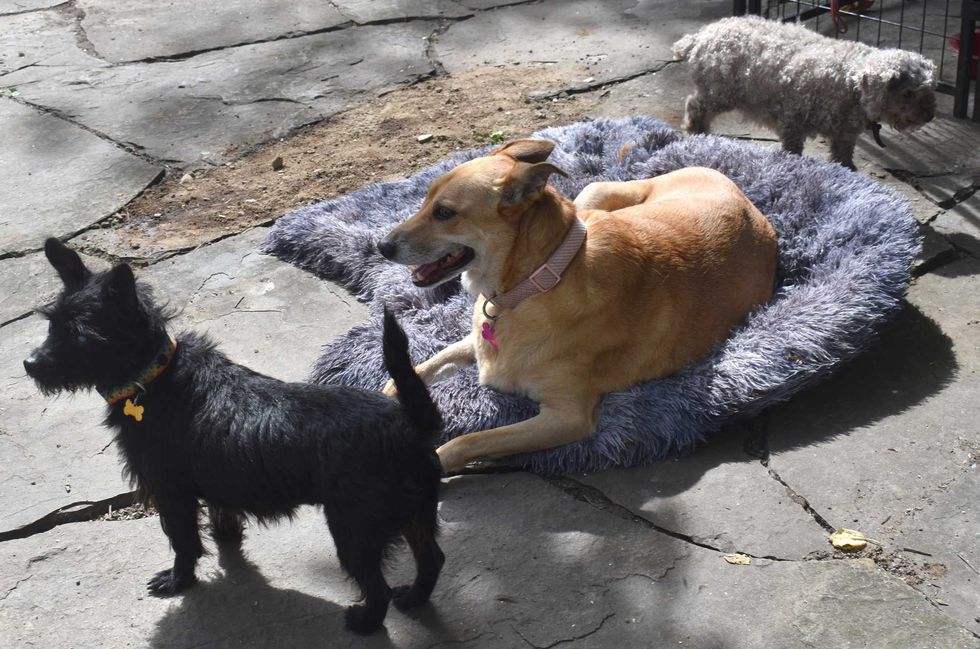 Sadie, center, a Carolina dog, plays with her friend Negra, a terrier mix. Bella Linda, the small poodle, has since been adopted.L. Tomaino
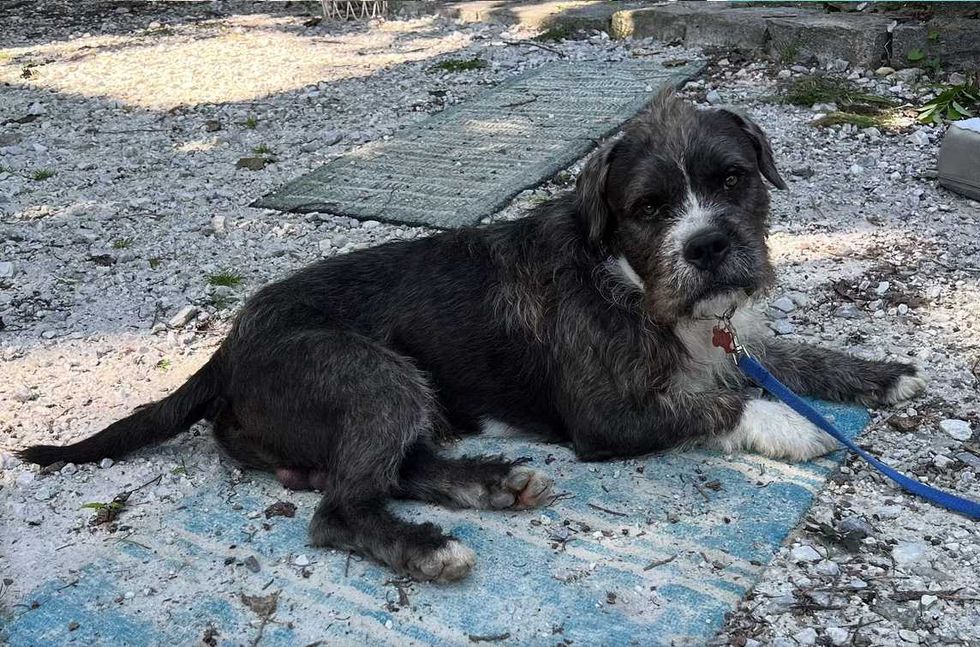 Wesley, a young, exuberant mix, is looking for an active home.L. Tomaino
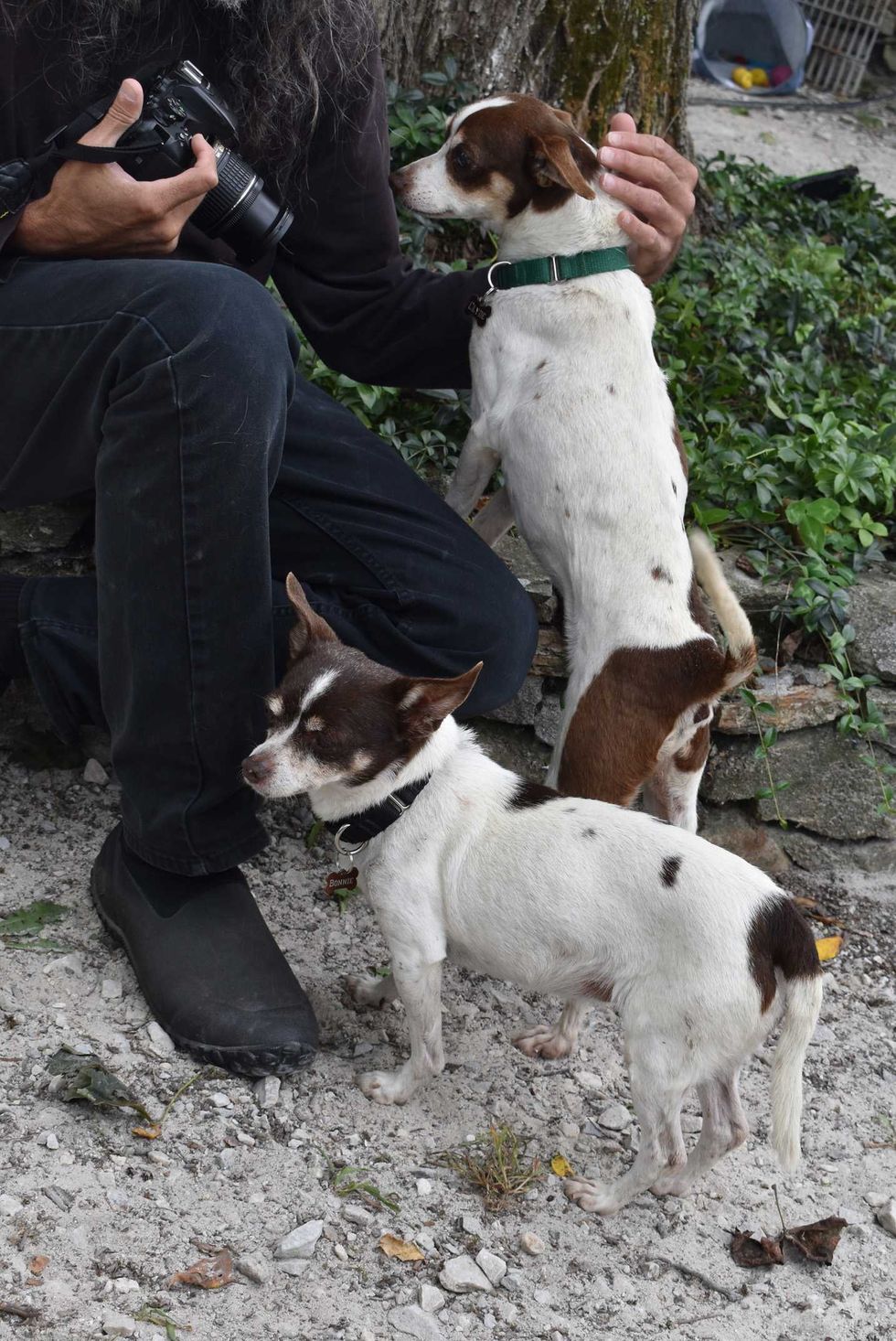 Bonnie and Clyde, an affectionate terrier pair.L. Tomaino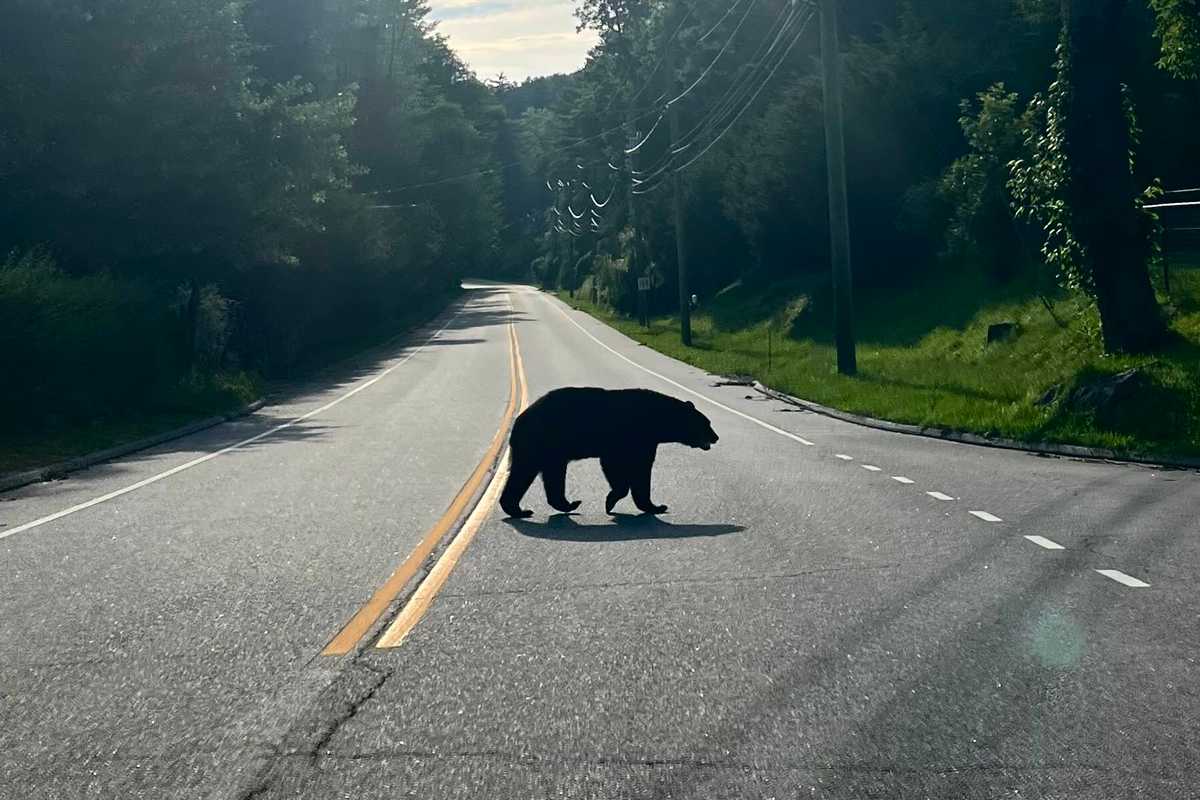
 Provided