For the past 29 years, the United Nations has held its annual climate change conference (The Conference of the Parties of the UNFCCCC), commonly known as COP, each year at a different location. For 2025, COP 30 was held in Belém, Brazil. At the northern edge of the Amazon, the world’s largest tropical forest, this scenic city of 2,250,000 people was probably chosen as the site for COP 30 because of its proximity to the Amazon rainforest since deforestation has become one of the world’s, and Brazil’s President Lula’s major concerns. Like its predecessors, COP 30 is a huge affair. Organizers think the number of attendees exceeded 50,000 people with official government representatives from nearly 200 countries, the only significant exception being the United States. The Trump administration has renounced nearly all efforts to cooperate with other nations to improve the planet’s environment. This will be the first COP not attended by the US in its 30 year history.
Although President Trump and several of his subordinates not only did not attend but made a point of denigrating COP 30, a number of American politicians, business leaders and other officials did attend including former Senator and US climate representative John Kerry, California’s Gov. Gavin Newsom, a number of mayors, and former US Vice President Al Gore who argued that “Trump is shooting the US in both feet, really hobbling the US ability to compete in the leading economic sector of the 21st century”. Both Kerry and Gore reassured people from the rest of the world that the US would be returning to its former self when a Democratic administration was returned to office. Gov. Newsom gave attendees a feeling that he might be the next American leader.
Unlike his immediate predecessor, Jair Bolsonaro who considered the Amazon rainforest a resource to be exploited as aggressively as possible, the current president of Brazil, Luiz Inácio Lula daSilva, commonly referred to as Lula, has taken a more measured approach to development in the Amazon forest. He has permitted some agriculture and has assented to exploration for oil and gas deposits but not (not yet at least) drilling.He has allowed a limited amount of commercial farming and lumbering. But President Lula is quite environmentally aware and wants to be remembered for helping to save the Amazon. His proposed $35 billion anti-deforestation initiative, the Tropical Forests Forever fund is a modest step in the right direction but as yet has few confirmed subscribers, the largest of which is Norway and had received pledges of only $5 billion by the end of the conference.
Currently less than one third of the earth’s land surface is covered by forest. A few centuries ago, two thirds of the earth was forested. We are continuing to lose forest worldwide at a shocking rate: one and a half acres are lost every second with more than2400 trees cut down every minute!The largest cause of deforestation, roughly 3/4, is agriculture:livestock grazing,plantations for palm oil, coffee, rubber and other popular crops.Lumber growing, mining, urban growth and now forest wildfires are increasing.
Forests are beneficial to all other life on earth in many ways. All live vegetation, but especially trees, take in and store carbon dioxide and other greenhouse gases while emitting oxygen.Over 70% of all our plant and animal species live in the forest. Forests stabilize the ground, greatly reducing erosion and filtering rainfall to give us potable water.
Despite being the principal focus of environmental concern, (global warming is still more talked about than acted upon), 2024 was the warmest year in recorded history with the previous ten years being the ten warmest ever. Last year global temperature exceeded for the first time the upper annual limit deemed manageable by the Paris Agreement.
The conference’s focus on the Amazon helped direct attention to the needs of the indigenous peoples of the region and elsewhere. In this matter, what is good for native peoples is generally good for the environment as well. Most of the destruction of the rainforest has been done by “Europeans”, often illegally without the cooperation of indigenous peoples. The stronger the legal, political and environmental rules and standards, the better the chance of saving the Amazon and the rest of the planet.
COP 30 has brought forth countless financial deals and many possible public benefit agreements. But the most significant change may be the greatly increased intention of most of the “partirs” to do much more to take care of their forests. Let’s hope.
Architect and landscape designer Mac Gordon lives in Lakeville.

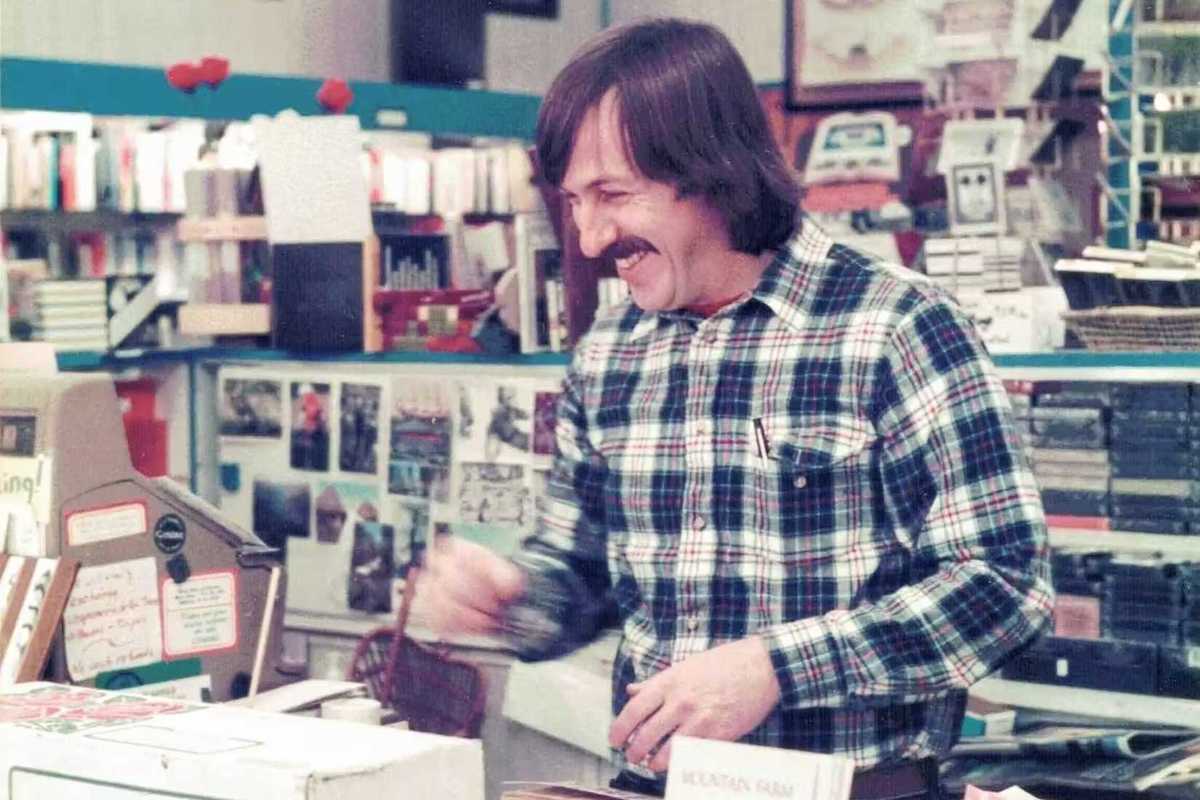
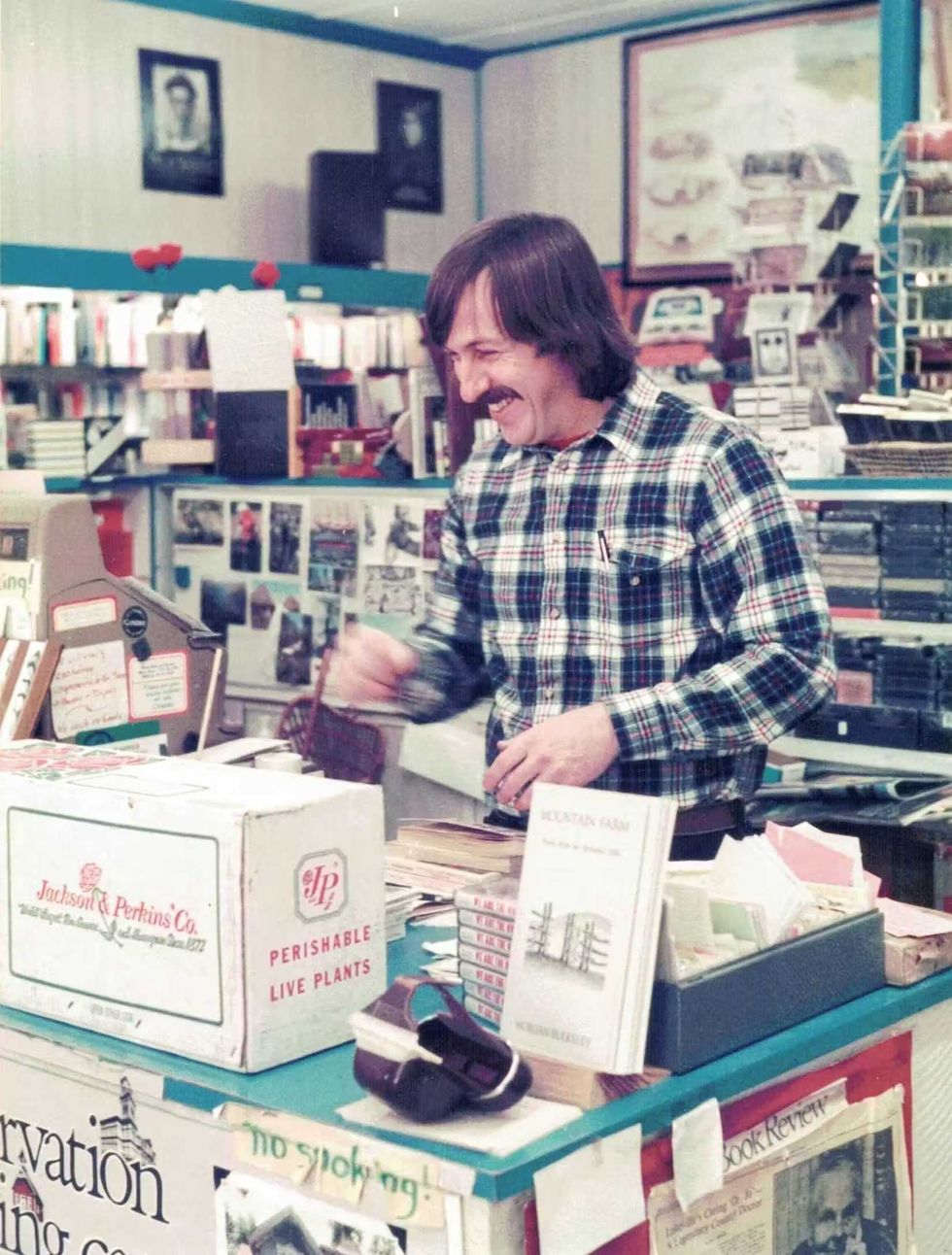 Dick Hermans in the Oblong Bookstore on Millerton’s Main Street in 1985.Provided


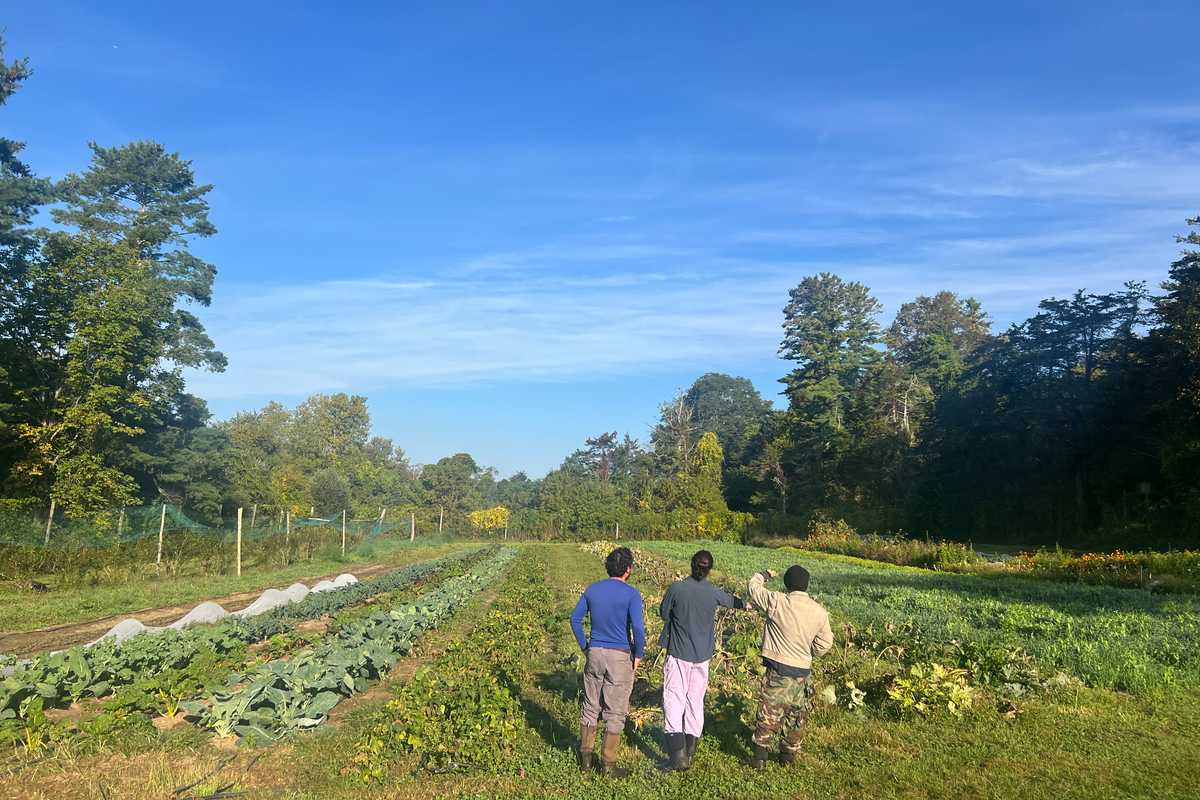
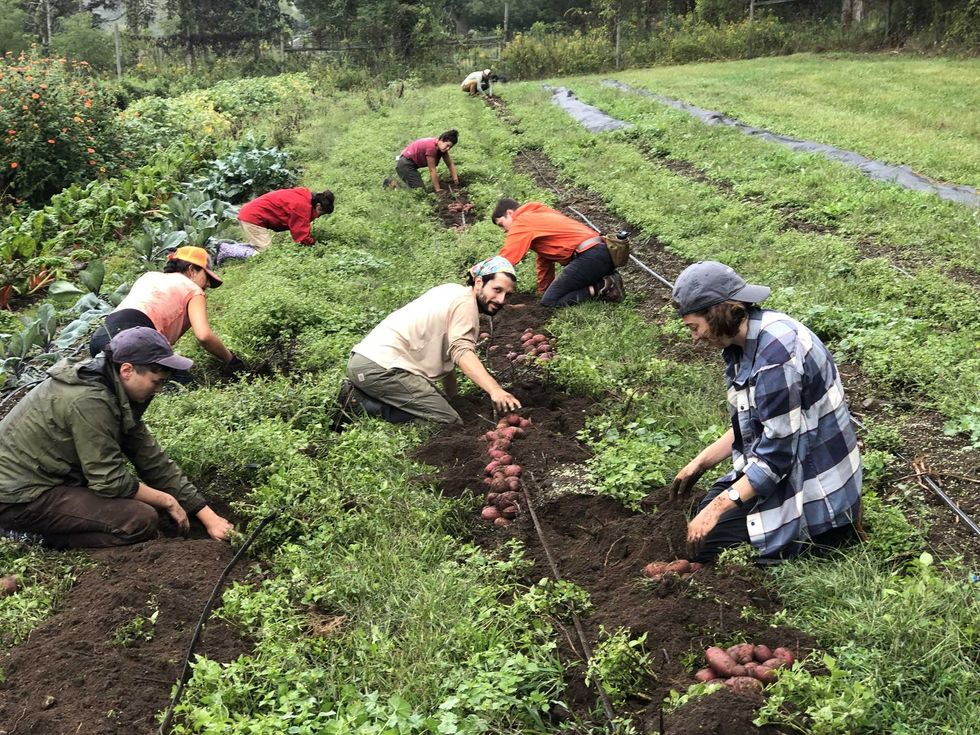 Fall storage crop harvests amid soil building cover crops at Adamah Farm in Falls Village. Janna Siller