The protocol for dialing telephone numbers in Connecticut is about to change. The state Department of Utility Control has announced that 10-digit dialing will become mandatory in Connecticut as of Dec. 1, 2009.
Two new overlapping area codes will also be introduced. In what is now the 860 area, new numbers will get the area code 959.
In the 203 area, new numbers will be given 475 as an area code.
Current numbers will not change. The new area codes will be given only to new numbers — the same way 917 was added to the 212 area code in New York.
“The experience that the state had when we broke from 203 to 860, I think most people would agree, was simply disruptive because a good part of the state had to change the way they dialed their phone number,†said Phil Dukes, a spokesman for the Department of Utility Control.
“The approach we’ve taken this time is less cumbersome to the consumer. If you have an 860 number, that’s not going to change. What’s going to change is, if you get a new phone with a new number, you might have the new area code.â€
Dukes said that the influx of cell phones, fax lines, home security systems and other electronics has used up the numbers available in the 203 and 860 area codes.
The 475 area code will be issued starting Dec. 12 to new lines in southeastern Connecticut. The 959 area code release date has not yet been determined. Dukes said the state will try to use up the 860 numbers before switching.
For local calls (calls that currently do not require dialing an area code), dial 860 plus the number. Long-distance calls will require 1-860 plus the number.
In addition to changing how people dial numbers, this change will also require the reprogramming of any devices that have been programmed to dial a seven-digit number.
Three-digit numbers, such as 911, 411 or 211, will remain unchanged.
For more information, call the state Department of Utility Control at 800-382-4586 or go online to ct.gov/dpuc.
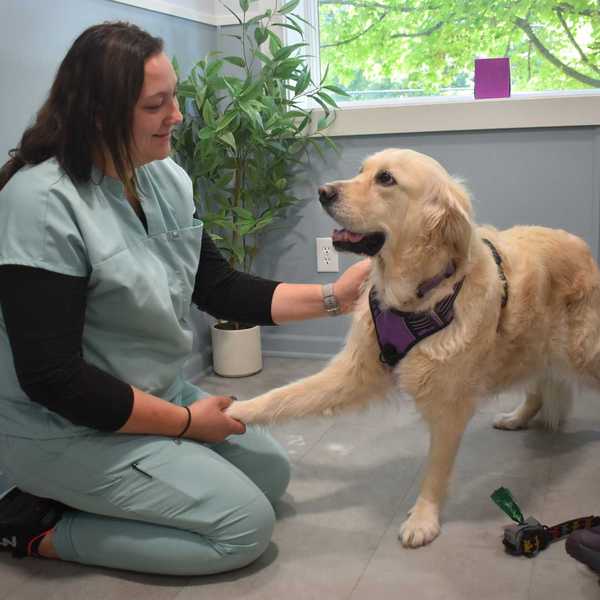
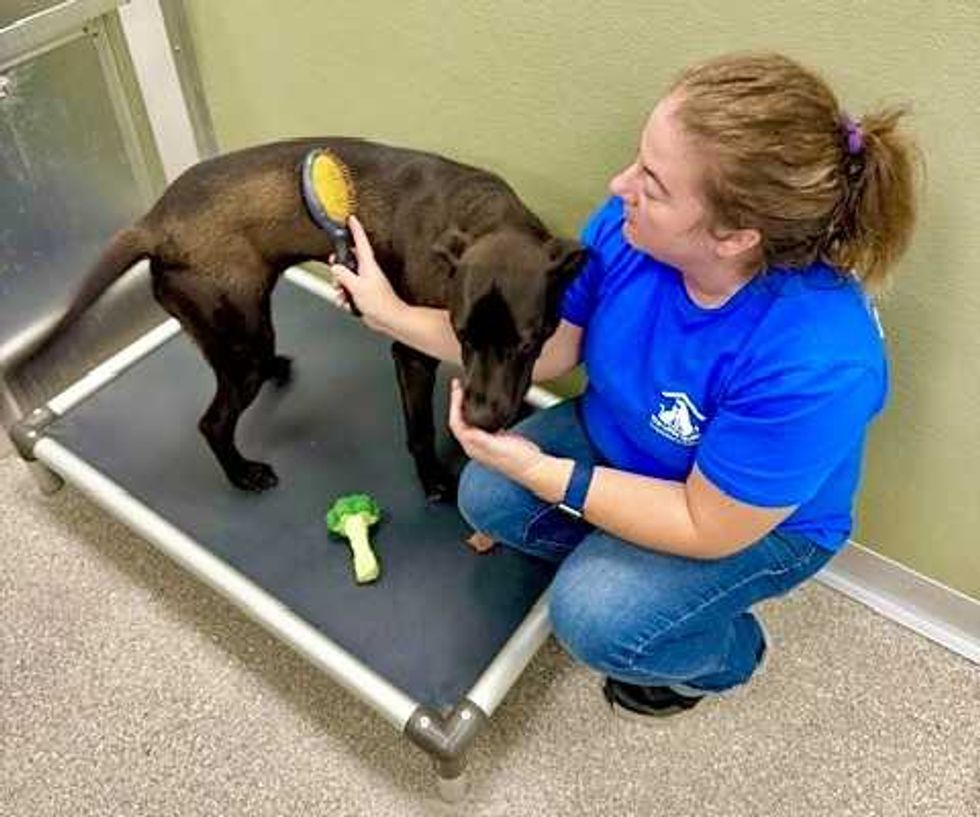 Tiffany Lemelin, shelter manager, brushing Marsala upon arrival.Provided
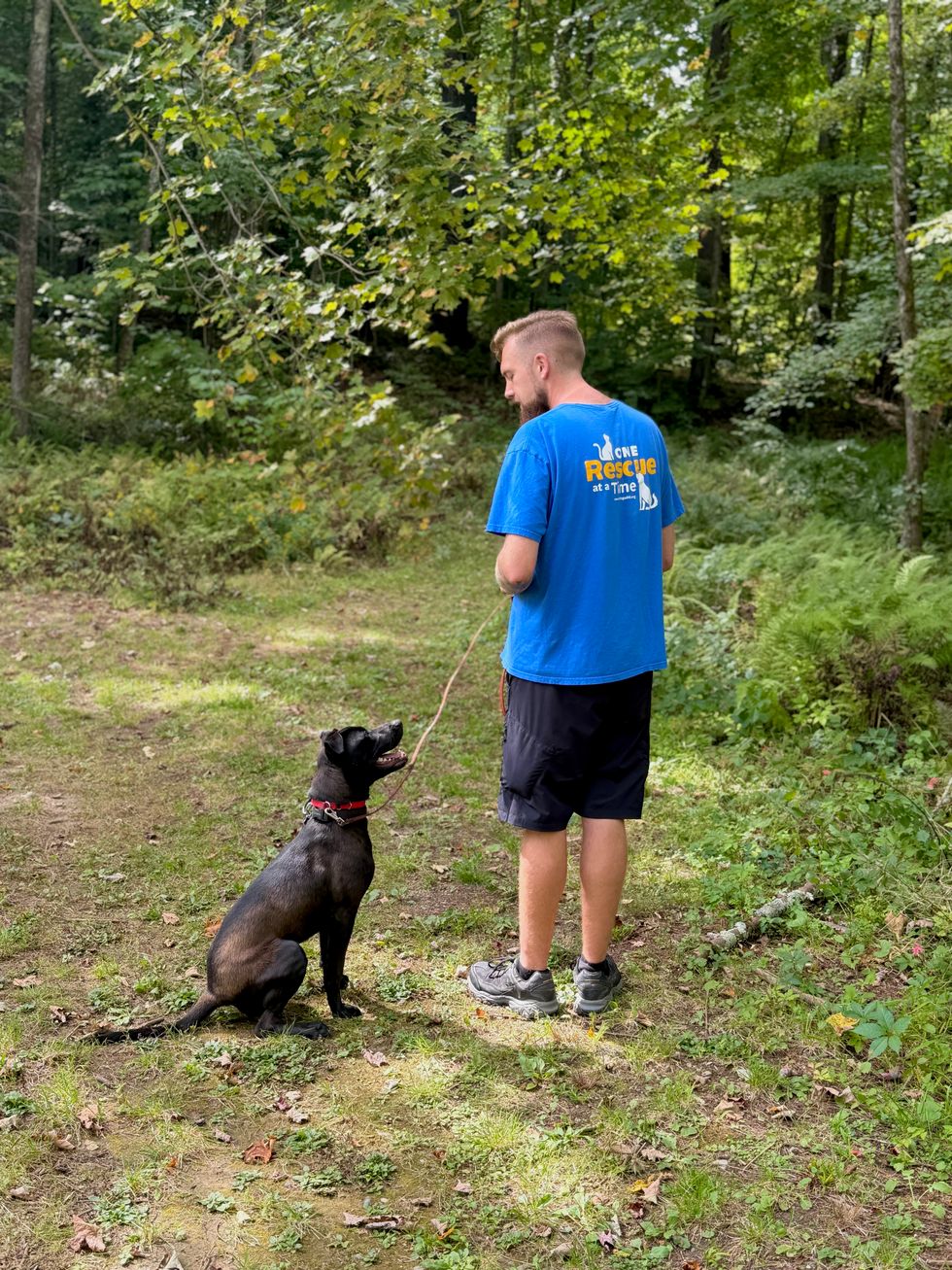 Michael DeBarba, certified dog trainer working with Marsala.Jennifer Almquist
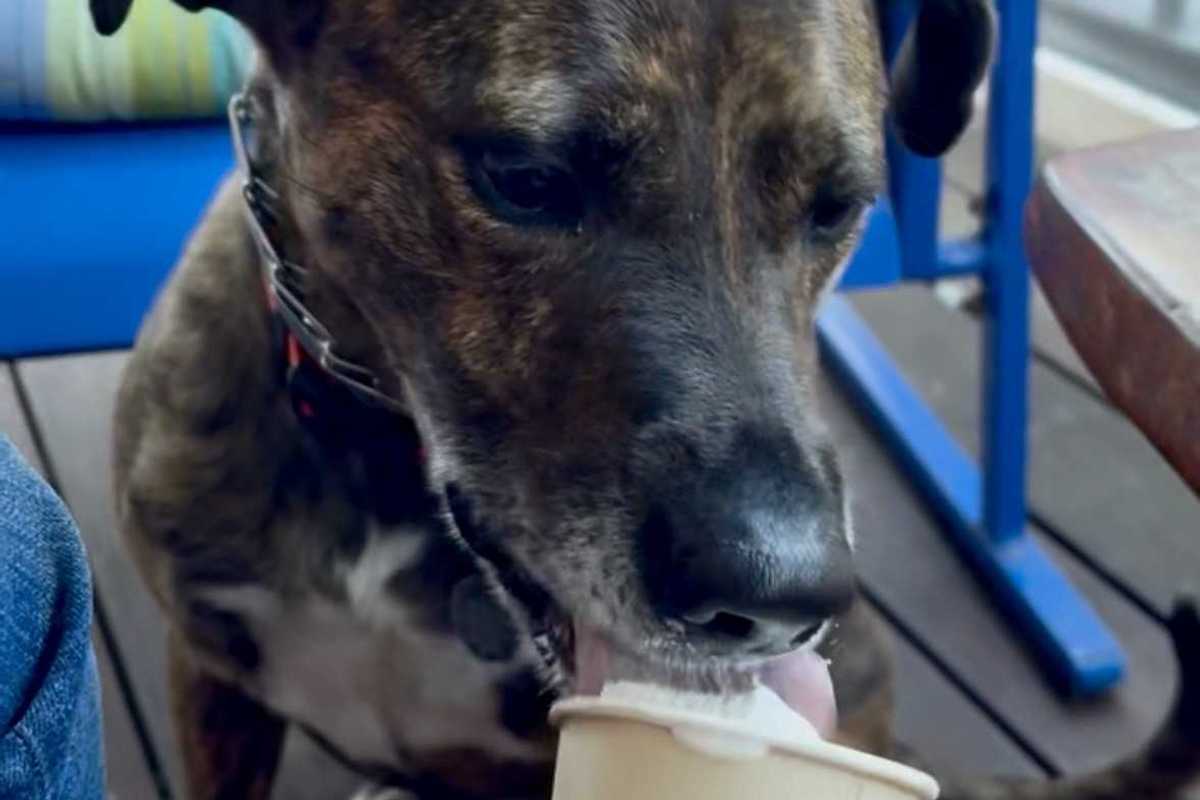
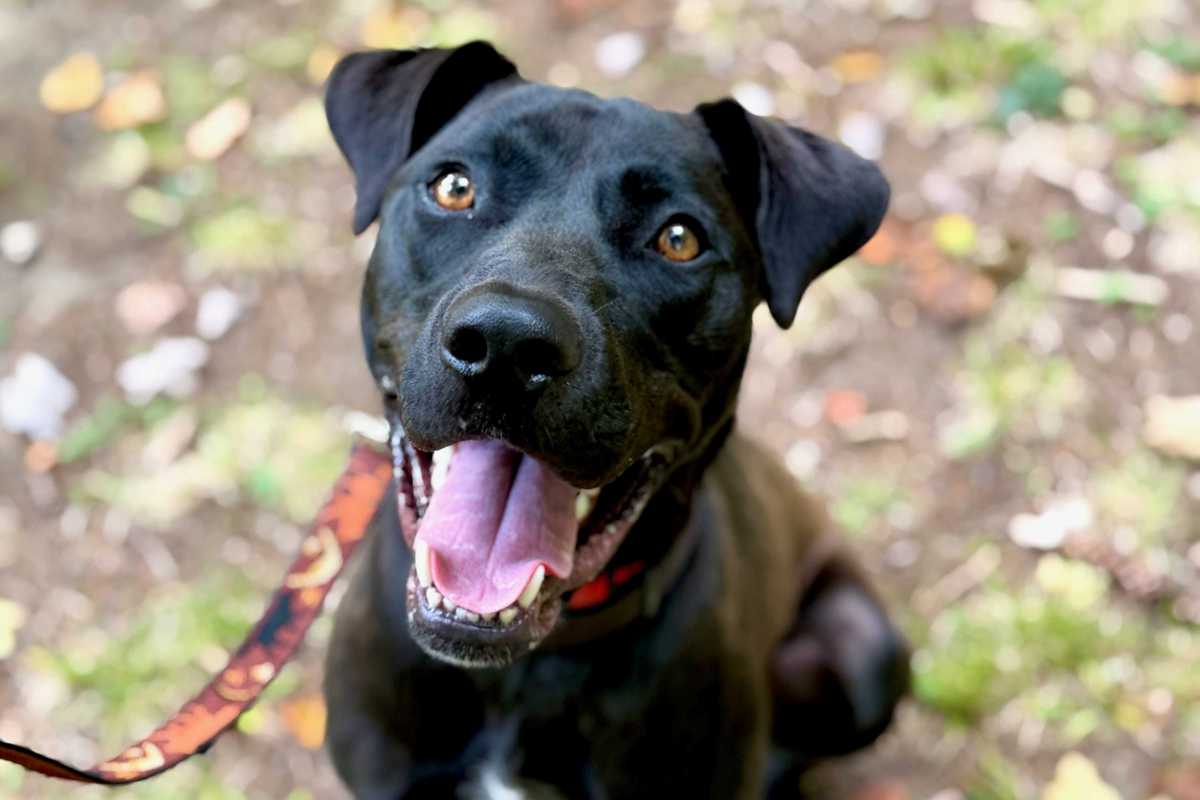
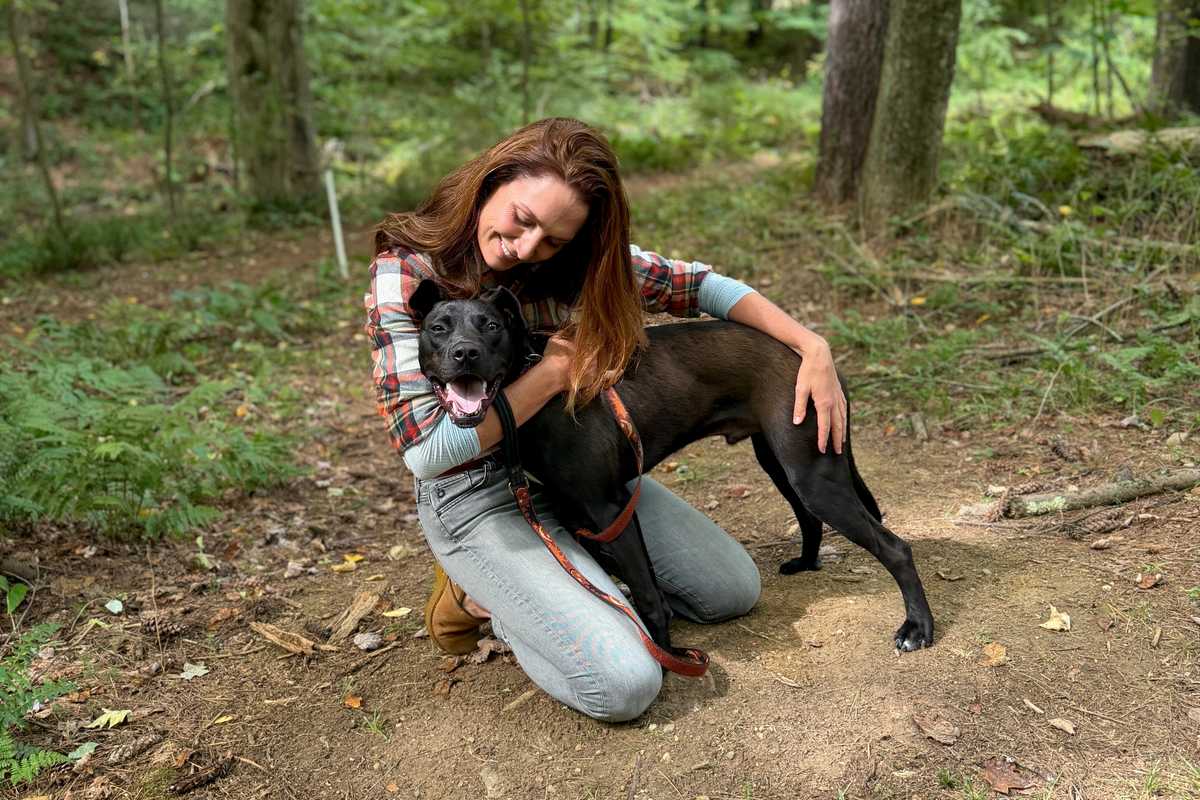 Marsala wins a heart.Jennifer Almquist
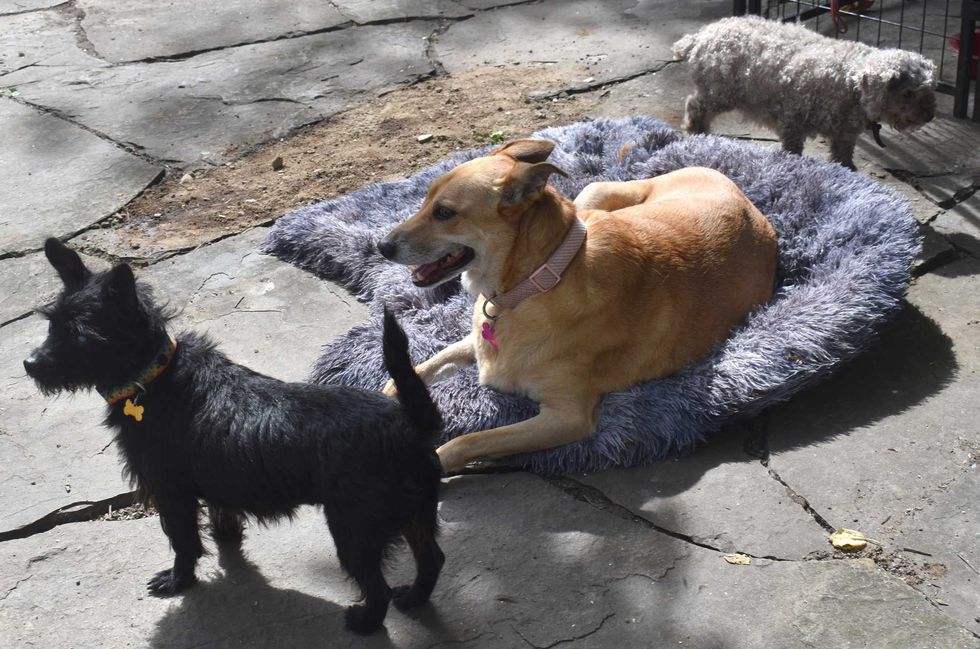 Sadie, center, a Carolina dog, plays with her friend Negra, a terrier mix. Bella Linda, the small poodle, has since been adopted.L. Tomaino
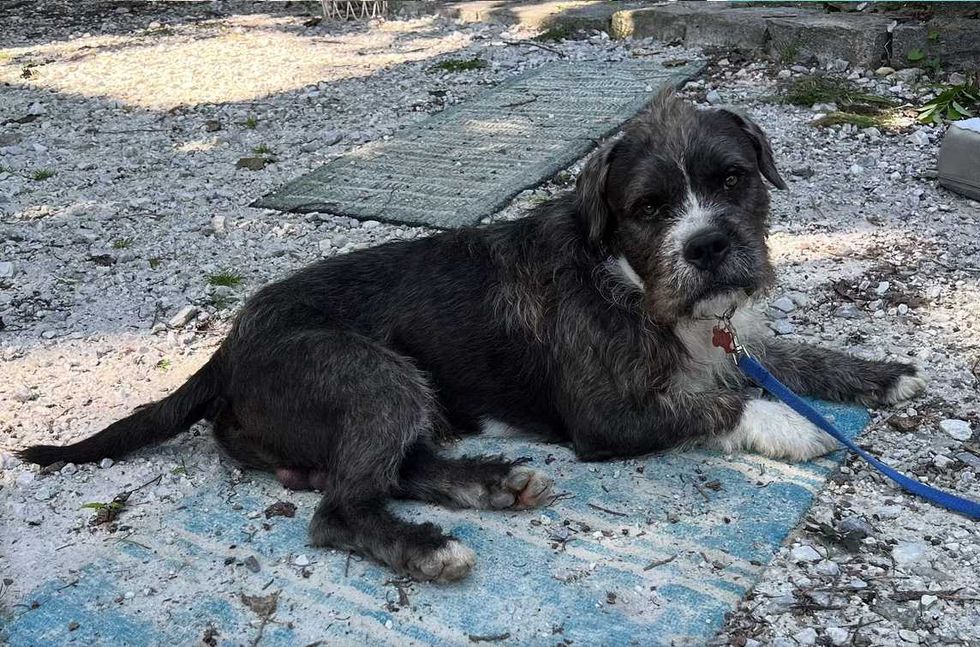 Wesley, a young, exuberant mix, is looking for an active home.L. Tomaino
 Bonnie and Clyde, an affectionate terrier pair.L. Tomaino

 Provided