CORNWALL — With a whoosh, Nile the inflatable humpback whale filled a room in Town Hall as kids lined up for a chance to see what the inside of a whale looks like on Thursday, July 30 from 1 to 3 p.m.
The Whalemobile is a traveling education program created by lifelong whale lover and environmental educator Cynde McInnis. Based in Massachusetts, the program has traveled to schools and libraries as far west as Illinois and as far south as Maryland, McInnis said.
Inside the life-sized replica whale, children sat beneath a diagram of whale anatomy while Whalemobile educator Misty Baker guided them through lessons on whale biology, behavior and conservation. Baker passed around real sperm whale teeth and baleen plates, explaining how baleen filters tiny prey such as krill from seawater.
“What’s inside of a whale?” Baker asked, tracing a laser pointer across the whale’s ceiling. “Hearts, organs, blood. That’s the same stuff that’s inside of you, too,” she said.
The presentation also highlighted whales’ role in the planet’s ecosystem. Baker explained that tiny marine plants called phytoplankton feed on nutrients from whale waste and produce about half of the oxygen humans breathe. She added that studying whale waste also helps scientists understand what whales are eating and the health of the ocean.
McInnis said she hopes the program inspires children to care about the planet around them.
“First and foremost, we hope they learn that whales are awesome,” McInnis said. “Because the kids are going to grow up and care about the things they get excited about.”
The program also focuses on teaching kids habits that protect the planet, like using reusable water bottles and picking up trash.
Nile, the inflatable whale, was custom-built by a company in Minnesota and is named and modeled after a real whale that has been sighted off the coast of Massachusetts for almost 40 years. McInnis first spotted Nile herself in 1995 and has seen her nearly every year since during her frequent whale-watching tours.
Asked how she can tell Nile apart from other whales, McInnis said the answer lies in the tail. Whales have patterns on their tails like fingerprints, and Nile’s has a line in the shape of the Nile River.
The Whalemobile’s stop in Cornwall was organized by the library, held at Town Hall, and paid for by the Cornwall Foundation, library director Margaret Haske said.
The library’s Children’s Program Coordinator Eiseley Kotchoubey said this is just one of many kid’s programs the library has offered this summer.The programs have covered a wide range of topics, including an art exhibit in a bus, a magic show and nature talks.
Haske said she hopes events like this get kids excited about visiting the library.
“It’s very educational and I hope they learned quite a bit about whales,” Haske said. “I hope they enjoyed it, and I hope it sparks their interest in being in the library.”



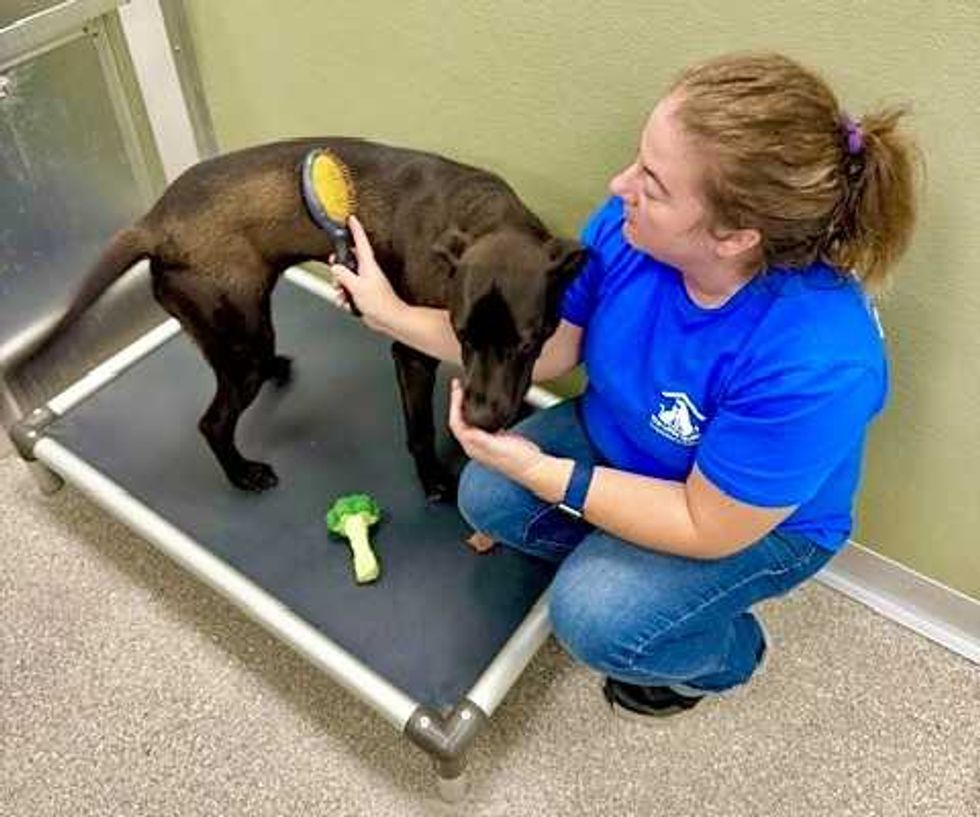 Tiffany Lemelin, shelter manager, brushing Marsala upon arrival.Provided
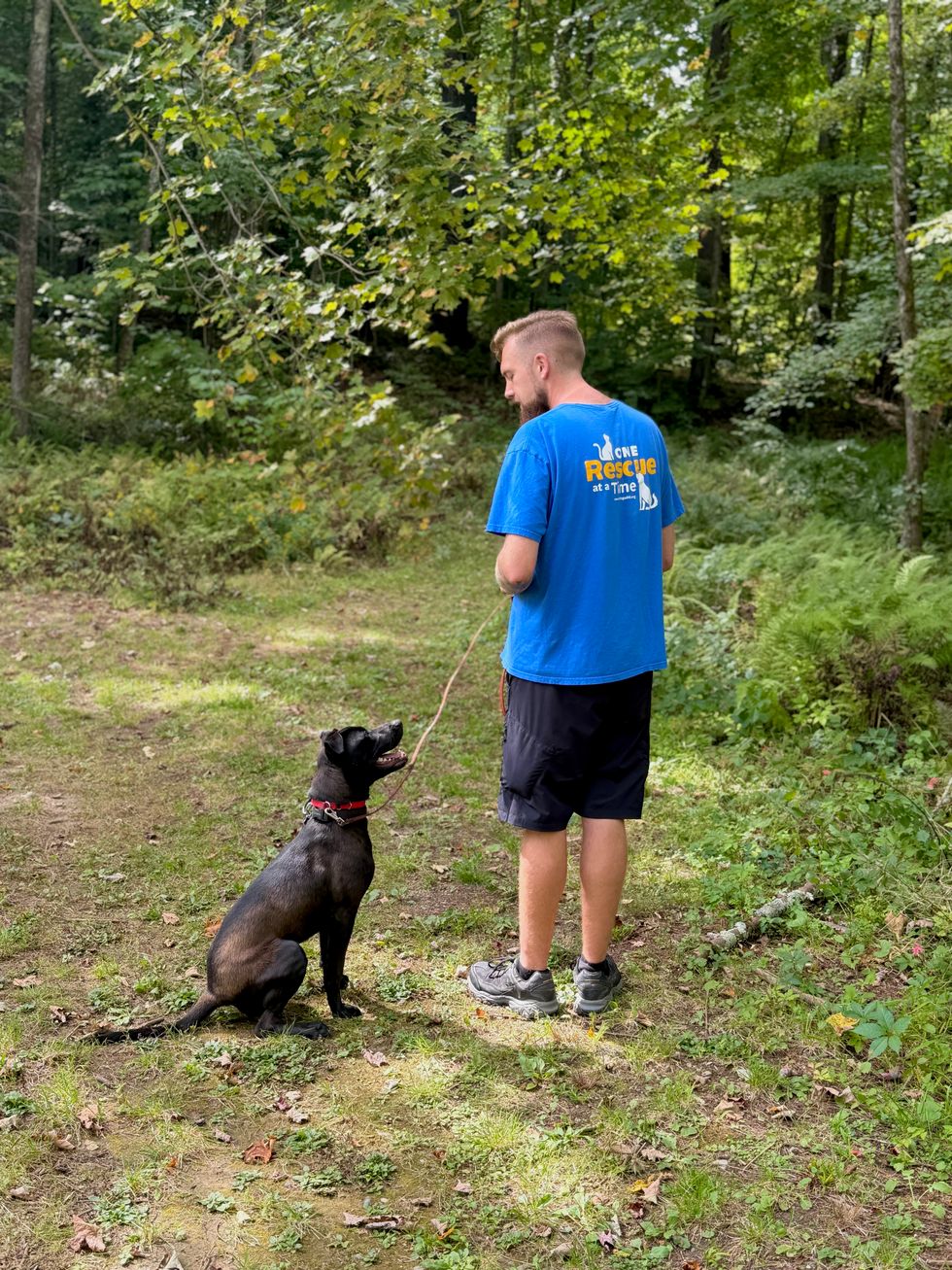 Michael DeBarba, certified dog trainer working with Marsala.Jennifer Almquist
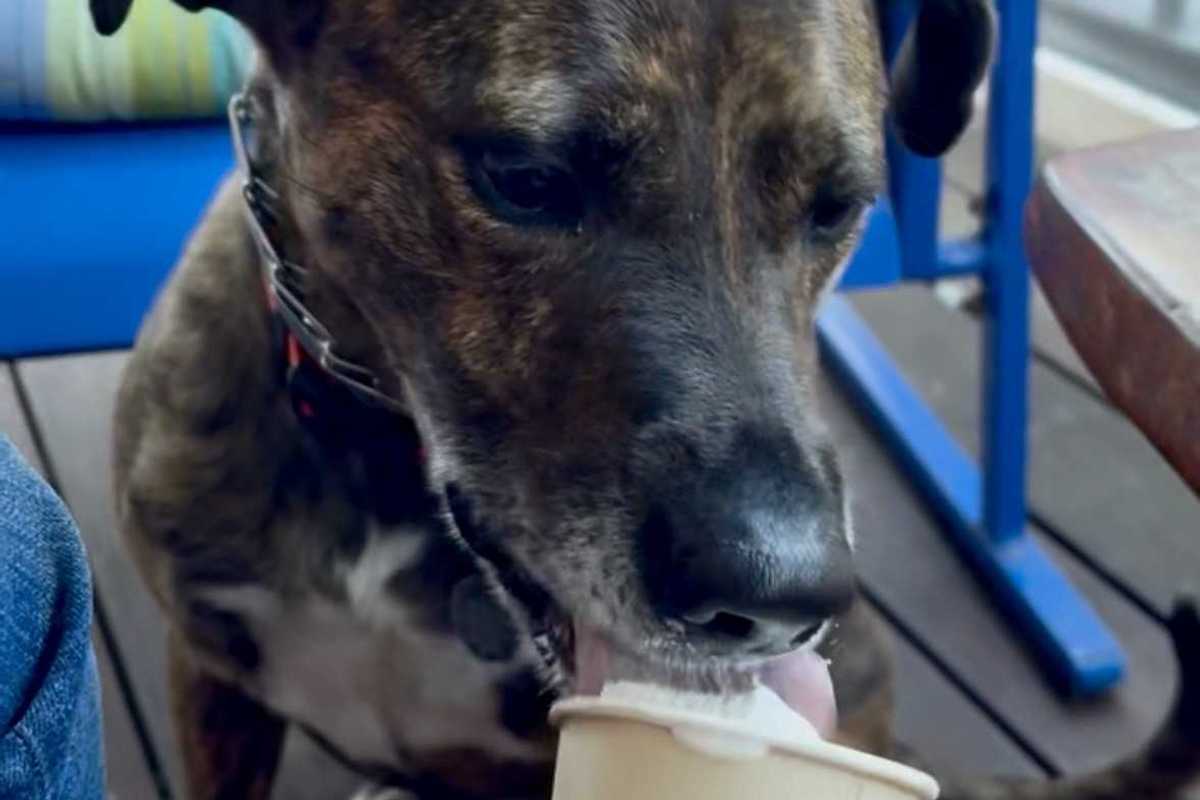
 Marsala wins a heart.Jennifer Almquist