LITCHFIELD — The hot-button issue of speed cameras continues to draw mixed feelings from Northwest Corner town leaders as municipalities consider implementing the traffic enforcement technology to address rampant speeding in the region.
The Northwest Hills Council of Governments hosted an informational session for officials on July 29 with Dacra Tech, a firm that has rolled out camera installations in multiple towns and cities across Connecticut since legislation passed in 2023 that first legalized their use. Brandon Knox, the company’s business development director, said that from his observations, Connecticut could benefit from slower driving.
“I probably see at least three to four crashes every time I’m here,” he said. He explained that the state’s winding, narrow roads and complicated intersections make for more dangerous driving than on the flatter and straighter roads of Illinois, where he and the company are based.
Since the law was passed, residents in the Northwest Corner have demonstrated a mixed response to the technology. A proposed ordinance to install two cameras in Kent was soundly defeated by voters in early 2025, with nearly 400 votes against and 100 in favor.
Elsewhere, town leaders have hesitated to push the systems, citing a lack of public enthusiasm, operating costs and residents’ concerns about data privacy and overburdening low-income drivers.
Salisbury, Falls Village, North Canaan and Cornwall are not currently pursuing speed cameras. Kent First Selectman Eric Epstein said that given the outcome of the 2025 vote, he had no immediate plans to revisit the issue.
Sharon recently completed a study that found widespread speeding at locations across town, but First Selectman Casey Flanagan has said the town is not yet prepared to move ahead with a speed camera ordinance.
Meanwhile, Washington, just south of Kent, was the first town in the state to implement a speed camera program. The town rolled out the first of its three cameras in January 2025 after receiving approval by the state Department of Transportation the previous year.
A year and a half later, Washington remains the only municipality in Litchfield County with active cameras, though Winchester is in the final stages of installing two cameras on Route 44 as it turns into Main Street in Winsted. Winchester’s plan was approved by the DOT on April 9.
Litchfield has held two public meetings to discuss a potential speed camera program, including an informational presentation on the technology in January. However, the town has not adopted an ordinance or received state approval to install the devices.
First Selectman Denise Raap said the community appears evenly divided on the issue.
The question will return to residents at a town meeting in late September, where voters will decide whether the town should begin drafting a speed camera ordinance. If approved, the proposed ordinance would still require additional public hearings and another town vote before it could be adopted.
Knox said that in Washington, which is a client of Dacra’s, citations totaled between 150 and 200 per day after cameras were installed, but are now down to about 50.
Dan Jerram, first selectman of New Hartford, asked if the data could be skewed. “Does it change behavior a quarter mile down the street after they pump the brakes at that one location?”
Knox said the goal is to strategically place cameras in key locations to encourage drivers to slow down both at those sites and throughout town.
The town of Fairfield in Fairfield County, for example, placed 16 cameras all within school zones around town. The program generated approximately $1.3 million in revenue in June, the first month it actively issued citations to drivers. Officials expect that figure to decline as motorists become more familiar with the cameras.
The issue of revenue as part of a speed camera program has been a central focus of public forums across the state as the technology rolls out.
The 2023 statute, known as Public Act #23-116, stipulates that first-time violations must not exceed $50, while all subsequent violations carry a maximum $75 fine. Knox explained that Dacra takes a $13.50 flat fee per ticket, regardless of the amount.
The statute also declares that revenue generated from speed cameras must be used exclusively for road safety enhancements.
Warren First Selectman Gregory LaCava, who attended the July 29 meeting, said the town is evaluating the program and believes it could be a “win-win” for Warren. If approved, the town plans to dedicate citation revenue to a road improvement fund.
Before any cameras can be installed, however, state law requires municipalities to adopt a local ordinance, which includes holding a public hearing and putting it up for a town vote.
Warren has not yet reached that stage, but LaCava said a recent public presentation and discussion at Town Hall was well received. Knox, who has worked with LaCava on the initiative, said growing frustration over speeding has fueled local interest.
“Eventually people got fed up that people were speeding,” Knox said.
Knox also clarified that speed camera citations are civil violations, unlike citations issued during a traffic stop. They do not result in driver’s license points or affect insurance rates.
Before a citation is issued, each potential violation is reviewed by a trained processor from Dacra and a designated municipal employee to ensure it contains sufficient evidence and meets the legal requirements for enforcement.
That collected data, which Knox said is limited to the make and model of the car and the plate number, “resides and stays within this one system,” he said, noting that Dacra does not share data outside the organization.
Knox added that it is up to towns to decide how they want to implement their ticketing system. Some opt to not charge the same vehicle twice in a day, while others may only issue violations every two days, or once a week.
Still, Barkhamsted First Selectman Meaghan Cook questioned how automated enforcement might function effectively in small Northwest Corner communities that are built on direct relationships.
“There is a personal accountability to a resident trooper and disconnected accountability to a camera,” she said.

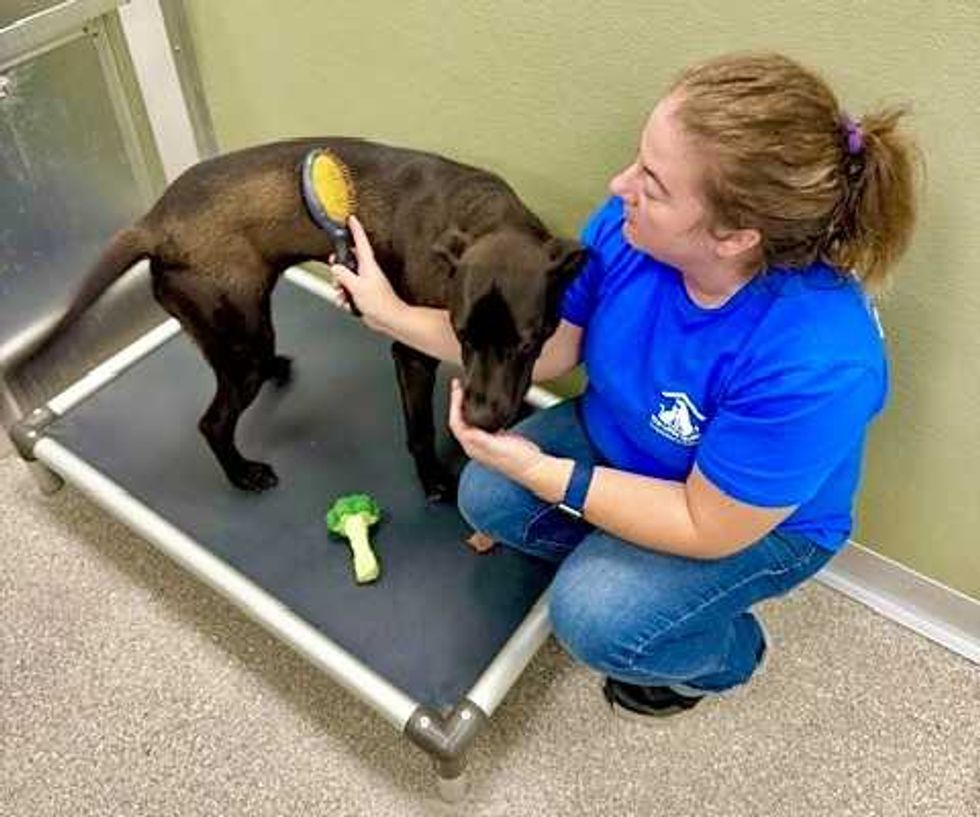 Tiffany Lemelin, shelter manager, brushing Marsala upon arrival.Provided
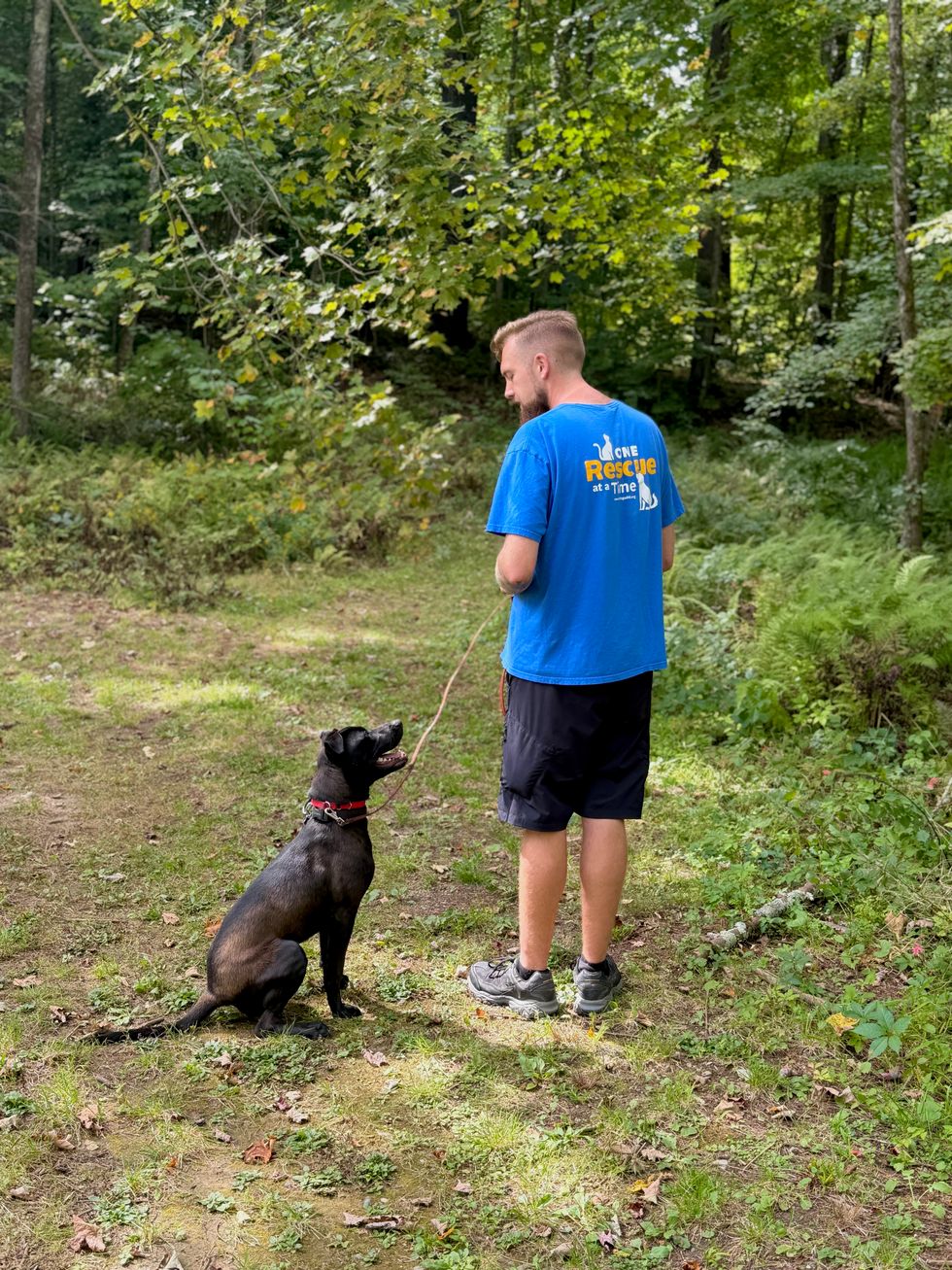 Michael DeBarba, certified dog trainer working with Marsala.Jennifer Almquist
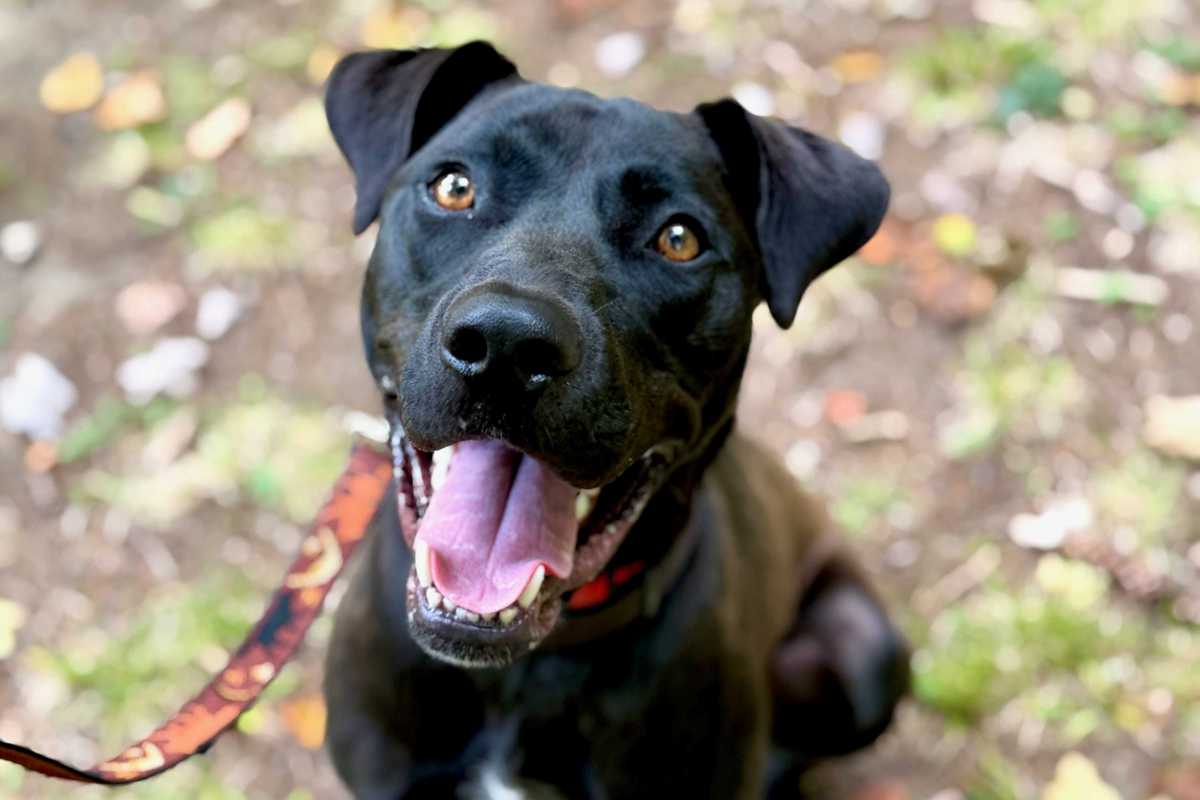
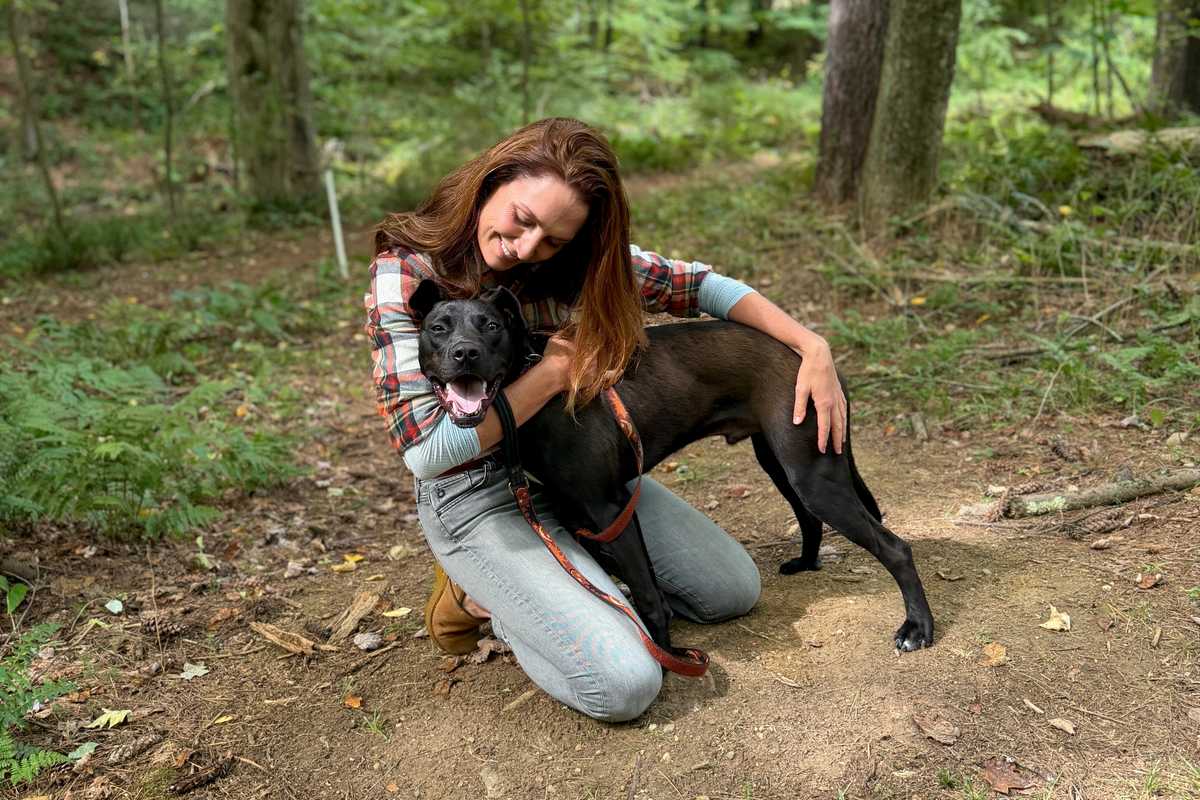 Marsala wins a heart.Jennifer Almquist
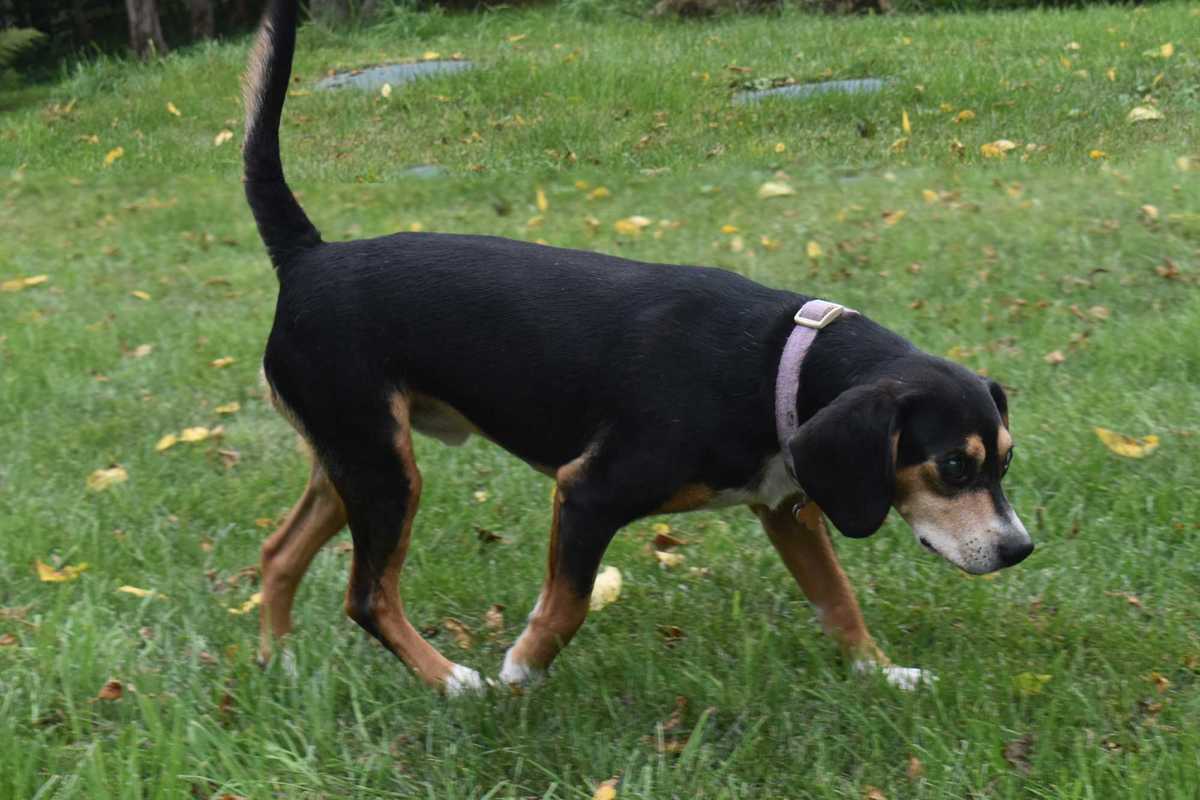
 Sadie, center, a Carolina dog, plays with her friend Negra, a terrier mix. Bella Linda, the small poodle, has since been adopted.L. Tomaino
 Wesley, a young, exuberant mix, is looking for an active home.L. Tomaino
 Bonnie and Clyde, an affectionate terrier pair.L. Tomaino
 Provided