Latest News
Marilyn Josephine Kay
Lakeville Journal
Jun 23, 2026
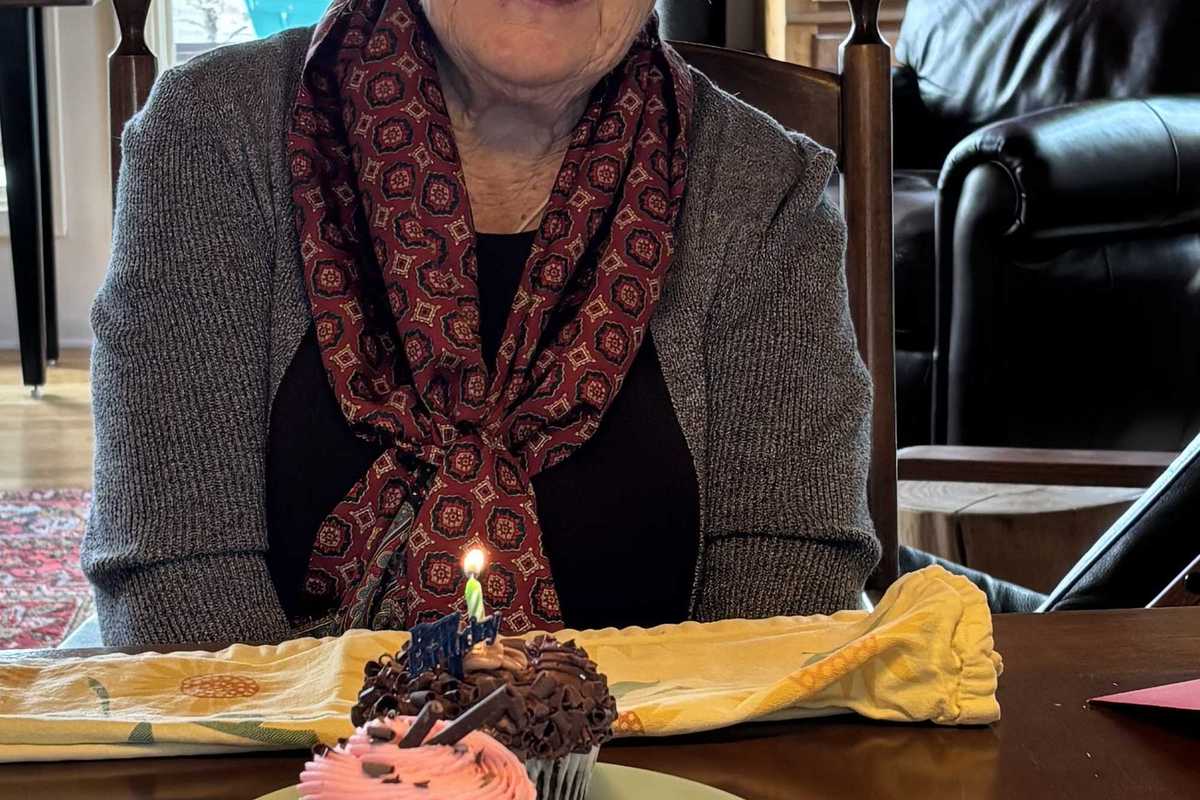
MILLERTON — Marilyn Josephine Kay (Masterson), 93, whose life was characterized by a quiet strength, graceful and cheerful presence, enduring athleticism and an abiding community spirit, passed away peacefully on June 11, 2026, in Minneapolis, Minnesota. A long-time resident of Millerton, New York with her late husband and local veterinarian Kent Kay, DVM, Marilyn spent her final years surrounded by the love and care of her Minnesota family.
Born Feb.19, 1933, in New York City, Marilyn was the youngest of four daughters. Raised by a single mother, Marilyn learned early on the values of independence and determination—traits that would define her entire life. She excelled academically and athletically, attending Hunter College and channeling her passion for movement into work as a physical education teacher.
Marilyn’s life took a beautiful turn when she married her husband, Kent Kay, DVM, a young man she had grown up with in New York City. Together, they made the bold choice to leave the city for a quieter life in upstate New York. Settling in the small town of Millerton, they built a vibrant, full life together, including a successful small town veterinary practice serving the surrounding dairy farms. Kent attended to the animals while Marilyn served as office manager and ran the business, all while balancing raising four sons. The boys worked in the clinic at an early age, growing up in a lively household surrounded by animals, both large (Sweetheart, a St. Bernard) and small (Charlie, a stray chihuahua), that became fast friends.
Marilyn also believed in showing up for her community. She and Kent were pillars of their historic local church, St. John in the Wilderness in Copake Falls, New York. Whether she was lending her voice to the choir, serving on the vestry, or helping with church operations, Marilyn’s faith was always paired with action.
A PE teacher at heart until the very end, Marilyn was happiest when she was moving. She shared her love of the water by teaching swimming and lifesaving. She was an accomplished skier, an avid walker in her later years, and a fierce, competitive tennis player who could still command a court in her 80s. Additionally, according to family lore, she was a champion napper and could catch a few winks when needed, anytime and anywhere, including the New York subway where she never missed her stop.
Marilyn was predeceased by her husband of 68 years, Kent, and her son Timothy. She is survived by sons Christopher Kay of New York, New York, Eugene (Jane) Kay of Plymouth, Minnesota, and Clinton Kay of Boulder, Colorado; daughter-in-law Melanie Kay of Millerton, wife of her late son Timothy. Grandchildren include Emily, Jessie, Alexander, Alycia, Gabrielle and Genevieve Kay, and a great-grandson, Atlas.
Arrangements are being made by Peck & Peck, Copake, N.Y. A memorial service is planned for the fall in Copake Falls, N.Y. Memorials may be given to Church of St. John in the Wilderness, P.O. Box 180, Copake Falls, N.Y. 12517, or to the Animal Humane Society.
Keep ReadingShow less
Natacha (Nathalie) Kondratiev
Lakeville Journal
Jun 23, 2026
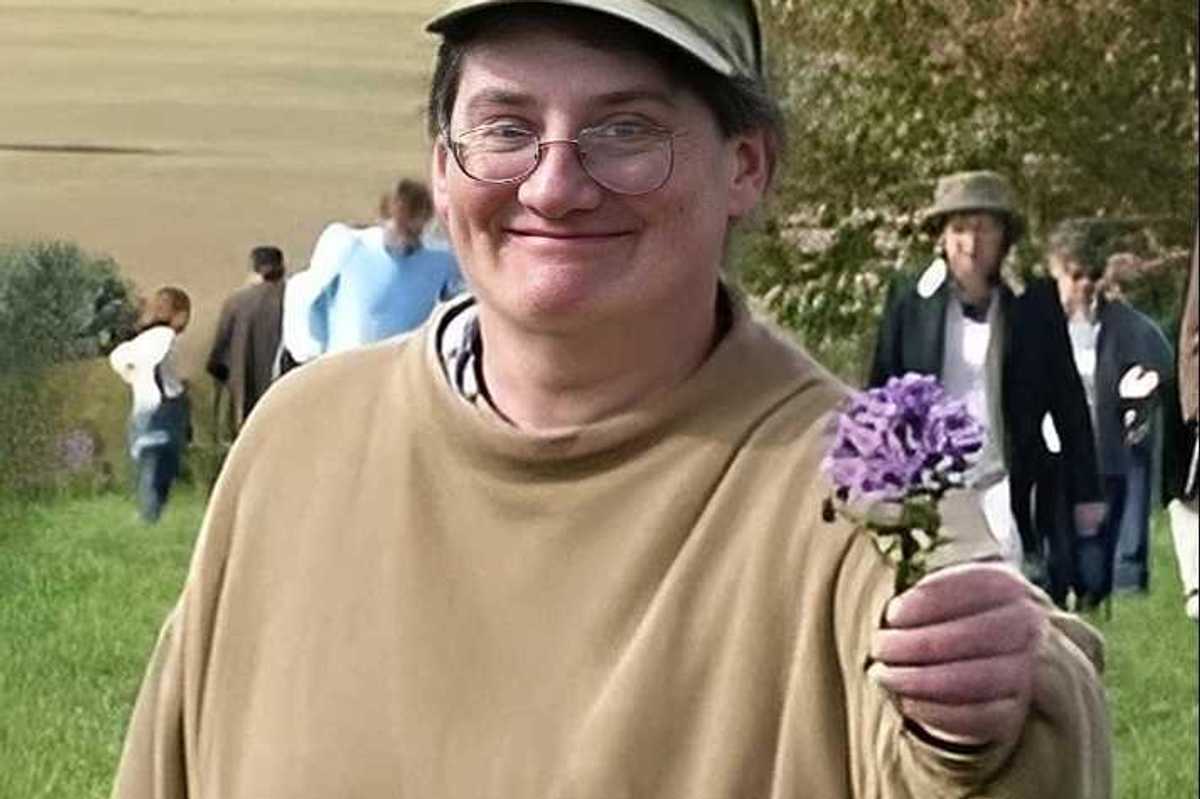
MILLBROOK — Natacha (Nathalie) Kondratiev was born on August 4 1960 in New York City. She grew up, with her five siblings, in Flushing, NY. Natacha went to school at the Lycée Français in New York City. She spent many summers in France with her family where she was able to indulge her love of horses daily, almost to the exclusion of all else. She loved horses from early childhood, and that love dominated her life until the very end.
Natacha went to NYU with the intention of studying for a degree in veterinary medicine but switched majors and received a BA in French. She continued her love for horses in her late teens by taking riding lessons from professionals at Waterfall Farm in Danbury, Connecticut. When Paul Okolowicz moved Waterfall Farm to North Mabbettsville Road in the Millbrook Hunt Country, Natacha followed him there, eventually becoming employed as groom and riding instructor.
When Waterfall Farm ceased operations after many years, Natacha’s reputation as a reliable and caring horsewoman was such that she had many offers to work in other Millbrook barns. She worked for Dr. David Hammond’s veterinary practice as a foal watcher as a supplement to her barn duties at the various stables in the area.
Natacha also gave her love to the beagles and bassets of the Sandanona Harehounds. She lived for many of her last years at the Thorndale kennels, feeding and looking after the fifty hounds that lived there two. She was quick to adopt old beagles from the pack, giving them a homeplace for the remainder of their days.
When not caring for horses and hounds, Natacha could be found immersed in the stories of fiction and fact that tantalized her curious mind. She was an avid reader and friends knew that a gift card at the local Merritt Book Shop was always welcome.
For the last decade of her life, Natacha was plagued with severe heart ailments and other health problems. She persevered with good humor and courage until her body could no longer keep her soul and spirit within. Natacha died in Vassar Hospital, with her siblings beside her, on Saturday, February 21, 2026.
A private burial service for the family was held at St. Peter’s Cemetery, Lithgow, Millbrook, NY, on June 24th, 2026.
Keep ReadingShow less
Jeremiah Joseph Larsen
Lakeville Journal
Jun 23, 2026

HARWINTON — Jeremiah Joseph Larsen, 44, of 274 Litchfield Rd. died Sunday June 14, 2026 at the Yale New Haven Health Center in New Haven. Jeremiah was born May 9, 1982 in Bristol, CT. He was the son of Jeffrey L. and Ruth M. (Wilkinson) Larsen of Harwinton, CT
Jeremiah graduated from Lewis Mills High School in Burlington. He worked for several local landscapers in the Northwest Corner including Leno’s Lawn Service, Green Acres Landscaping and most recently Paul Kaminski Landscape Management in Harwinton. Jeremiah was an avid hunter and fisherman. He loved spending time with his two sons, Hayden and Finn Larsen, of East Canaan, CT and extended family. He and his ex-wife Jessica Strattman continued to work closely to provide the best for Hayden and Finn. Jeremiah also was known for his love of cutting grass.
In addition to his parents and sons Jeremiah is survived by his brother Zachariah W. Larsen and his fiancée, Marcie Perswald both of Bristol, CT and Zachariah’s daughter Skyla Larsen of Norfolk, CT along with numerous aunts, uncles, nieces, nephews, and cousins.
Funeral services will be held on Thursday June 25, 2026 from 11:00 am until 12:30 pm in the Newkirk-Palmer Funeral Home 118 Main St. North Canaan, CT 06018. We will then process to Hillside Cemetery in East Canaan, CT for a graveside service 1:00 PM. Memorial donation may be sent to Hayden and Finn Fund 274 Litchfield Rd. Harwinton, CT 06791.
Keep ReadingShow less

Want more of our stories on Google? Click here to make us a Preferred Source.
Donald Harry Duncan
Lakeville Journal
Jun 23, 2026
MILLERTON — Donald Harry Duncan, 78, a lifelong area resident died peacefully on Tuesday, June 16, 2026 at his home in Millerton, NY, surrounded by his loving family. Beloved husband of Sharon E. (Drake) Duncan and loving father of Bruce, Alex and Steven Duncan, adored grandfather of Sydney, Chelsea, Bailey, Gabriel, Ariana, Braeden and Tony and caring brother of Patricia Flood and James Duncan.
Visitation will be held on Wednesday July 1, 2026 from 11am to 12pm at South Amenia Presbyterian Church, 229 South Amenia Road, Wassaic, NY 12592. A funeral service will begin at 12pm at South Amenia Presbyterian Church. Reverend Zora Cheatham will officiate. A communal reception in Don’s honor will be held immediately following the service in the fellowship hall next door to the church. Burial at Irondale Cemetery will take place in the future. To send an online condolence to the family, flowers to the service or to plant a tree in Don’s memory, please visit www.conklinfuneralhome.com Arrangements have been entrusted to Scott D. Conklin Funeral Home, 37 Park Avenue, Millerton, NY 12546.
Fallen tree downs power lines, blocks Route 112
Nathan Miller
Jun 22, 2026
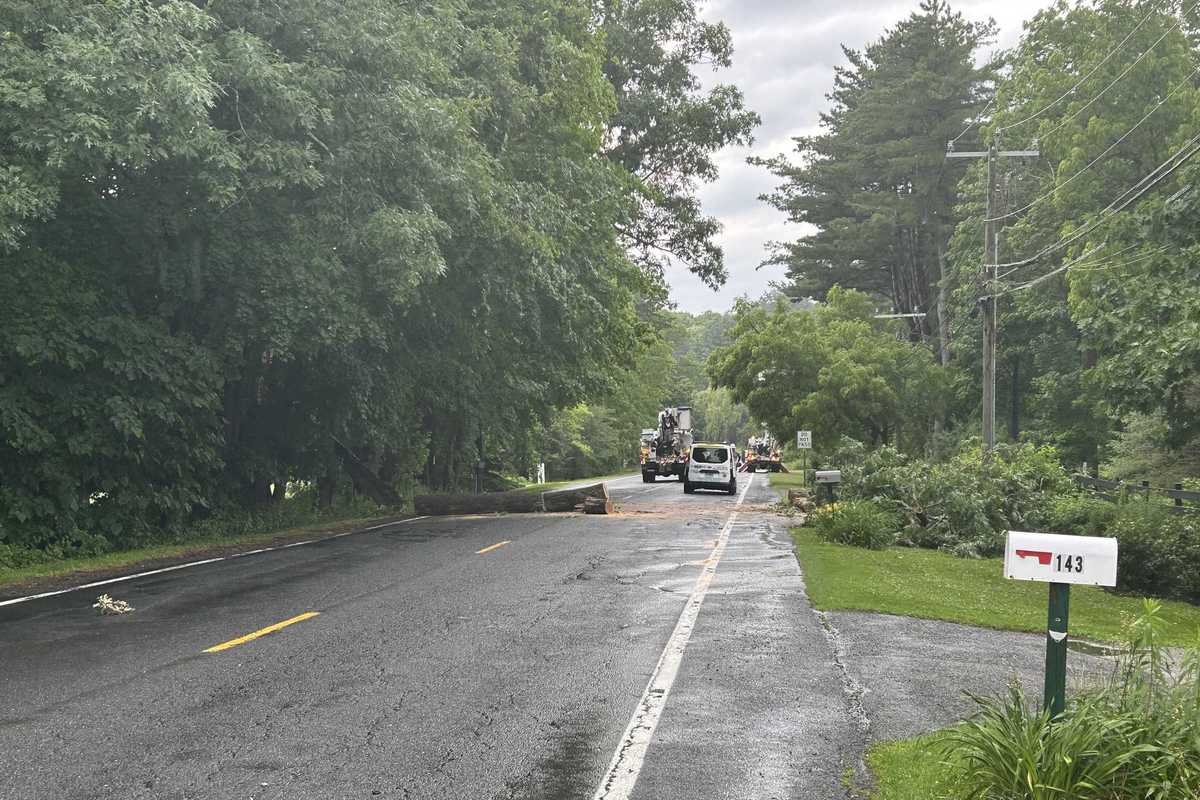
Eversource crews work to repair damaged power lines after a tree fell near onto Route 112 just north of the Interlaken Inn on Monday, June 22.
Photo by Nathan Miller
LAKEVILLE — A tree fell on Route 112 Monday, June 22, downing power lines and blocking traffic north of Route 41 near the Hotchkiss Four Corners.
Eversource crews on scene at 4:45 p.m. said power lines were being repaired and utility service had been restored to customers in the area.
The tree, which fell on Route 112 north near Foggy Bottom Road in Lakeville, blocked the roadway, forcing a road closure north of the intersection with Route 41.
Crews on scene said they are awaiting Connecticut Department of Transportation to remove the fallen trunk and reopen the road to traffic. As of 5 p.m. Monday evening, it was unclear when the road would reopen.
Drivers should avoid the area until the tree is removed from the roadway. There are no detours posted.
Keep ReadingShow less
Francis Lynehan
Lakeville Journal
Jun 17, 2026
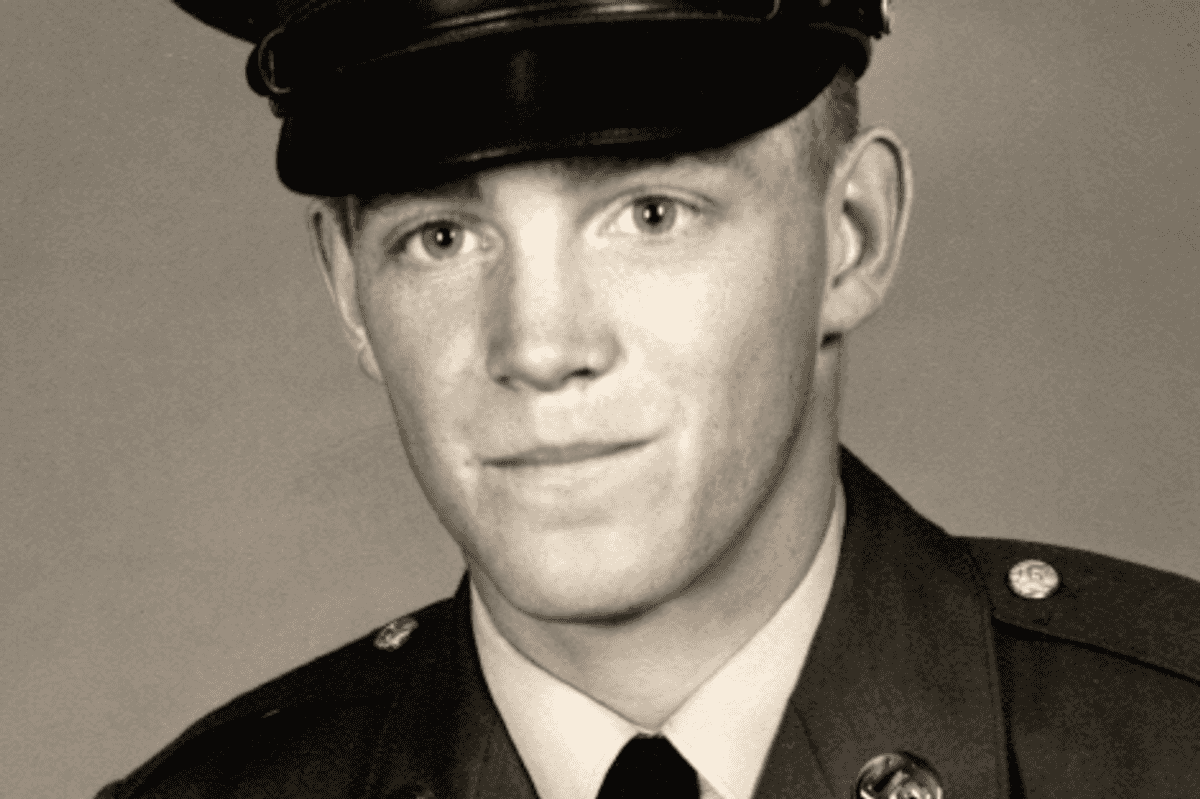
DOVER PLAINS — Francis “Butch” Lynehan, 75, a twenty-year resident of Dover Plains, New York, formerly of Sharon, passed away unexpectedly on Thursday, May 7, 2026 at Vassar Bros. Medical Center in Poughkeepsie, New York.
Born Aug. 29, 1950, in Sharon, he was the son of the late William W. and Nellie (Kluun) Lynehan.
Butch grew up in Sharon and attended Sharon Center School and Housatonic Valley Regional High School. At the age of seventeen, he enlisted in the United States Army and is a Vietnam War Veteran.
After his military service of three years, he was employed at the Kimberly-Clark Corporation and later worked many years for the State of Connecticut Department of Transportation.
Butch was an avid hunter and fisherman. He was a member of the Chestnut Ridge Rod & Gun Club in Dover Plains, Millerton Gun Club and the Sharon Fish & Game. He was a longtime member of the V.F.W. Post 5444 in Dover Plains and the Sharon American Legion Post 126. He was a former member of the Sharon Fire Department.
Butch is survived by his devoted wife, Nancy (Stark), his former wife, Rosemarie (Marchi) Larosa and their two sons, Michael and Stephen. He was the proud grandfather of three grandsons, Mason, Noah and Tucker. He is also survived by his loving sisters, Pat of Sharon, and Yvonne of Chapel Hill, Tennessee, and several cousins and nieces and nephews. He was predeceased by his brother William “Billy” Lynehan and his niece Lisa Hoglen.
There will be no calling hours. A private burial will take place on Saturday, June 27, 2026, at Hillside Cemetery in Sharon, with Standard Military Honors, followed by a Celebration of Life at the Sharon Fire Department, 36 West Main Street, Sharon. All are invited to attend. Memorial contributions may be made to the Sharon American Legion Post 126, 15 New Street, Sharon, CT 06069 or Sharon Little League/NWCTSBLL, P.O. Box 569, N. Canaan, CT 06018. To send an online condolence to the family, flowers to the service or to plant a tree in Butch’s honor, please visit www.conklinfuneralhome.com
Keep ReadingShow less
Want more of our stories on Google? Click here to make us a Preferred Source.
loading