Parisian filmmaker Diego Ongaro, who has been living in Norfolk for the past 20 years, has composed a collection of films for viewing based on his unique taste.
The series, titled “Visions of Europe,” began over the winter at the Norfolk Library with a focus on under-the-radar contemporary films with unique voices, highlighting the creative richness and vitality of the European film landscape.
Ongaro has made two films himself. His second feature film “Down with the King” tells the story of a rapper who has come to recoup from career challenges on a farm in the Berkshires. Filmed on location in southwestern Massachusetts, it’s a beautiful movie with bucolic landscapes and moving performances by lead actor Freddie Gibbs.
The film premiered at the 2021 Cannes Film Festival (ACID section), won the top prize at the Deauville Film Festival, was released worldwide by Sony Pictures in 2022, and is currently available for viewing on Netflix. Prior to that, Ongaro’s first feature film "Bob and the Trees" had its world premiere at the 2015 Sundance Film Festival. Ongaro directed more than a hundred children’s programs for French Television in his early 20s and wrote and directed four acclaimed short films.
When asked how the idea for the series came about, Ongaro said, “Last year at the Norfolk Library I did a film series on the Berlin School, and the year before that it was on the French New Wave. I wanted to continue this cycle and offer a window on the cinema that I like.”
“Growing up in Paris, I’ve always had a diverse taste in cinema, watching American and French films, but also films from all over the world that allowed me to travel to places I’ll most likely never see. It was refreshing to see these stories anchored in different cultures. Now that I’ve been living away from native France for about 20 years, I gravitate mostly towards European cinema, probably seeking a culture and sensibility that I miss. A lot of these European films are incredible, offering complex characters and stories, unlike most of the American fare nowadays,” he adds.
The next and last installment happens Friday, April 12 from 7 to 8:30 p.m. and features “Swagger” by Olivier Babinet.
So how did Ongaro curate the films for this series?
“I like to share films that reflect my sensibility as a filmmaker and that most people haven’t seen. I’ve traveled to a lot of film festivals over the years where I got to see many films. I try to find themes within the films that have stuck with me. I like to think of it as a cine club. This year, the three films are all very different from each other, but each have a unique voice and form: a nuanced drama on the Baltic Sea titled ‘Afire’ by Christian Petzold, a hilarious nonsensical comedy called ‘Keep An Eye Out’ by Quentin Dupieux, and a gripping and wonderfully original documentary on teenagers going to school in a difficult projects in France called ‘Swagger’ by Olivier Babinet,” he said.
There were many films that didn’t make the cut due to time constraints, but Ongaro also recommends, “Reality” and “Yannick” by Quentin Dupieux as well as “Jericho,” “Barbara,” “Undine by Christian Petzold.”
As to what the audience can expect from the evening, Ongaro says, “It’s a casual affair. I give an introduction to the film with some backstory and context, talk about the filmmaker, the actors, and then we watch the film. We don’t do question and answer after, we don’t really have time for that, but people linger and talk about what they have just watched. People come to me with questions or to hear my take on an ending, a character. It’s fun to see how engaged people are after each screening.”
Screenings are free. Register on www.norfolklibrary.org.

 Pay Bill for Robin Starr’s service in the Continental Army.Courtesy the Alex Breanne Corporation
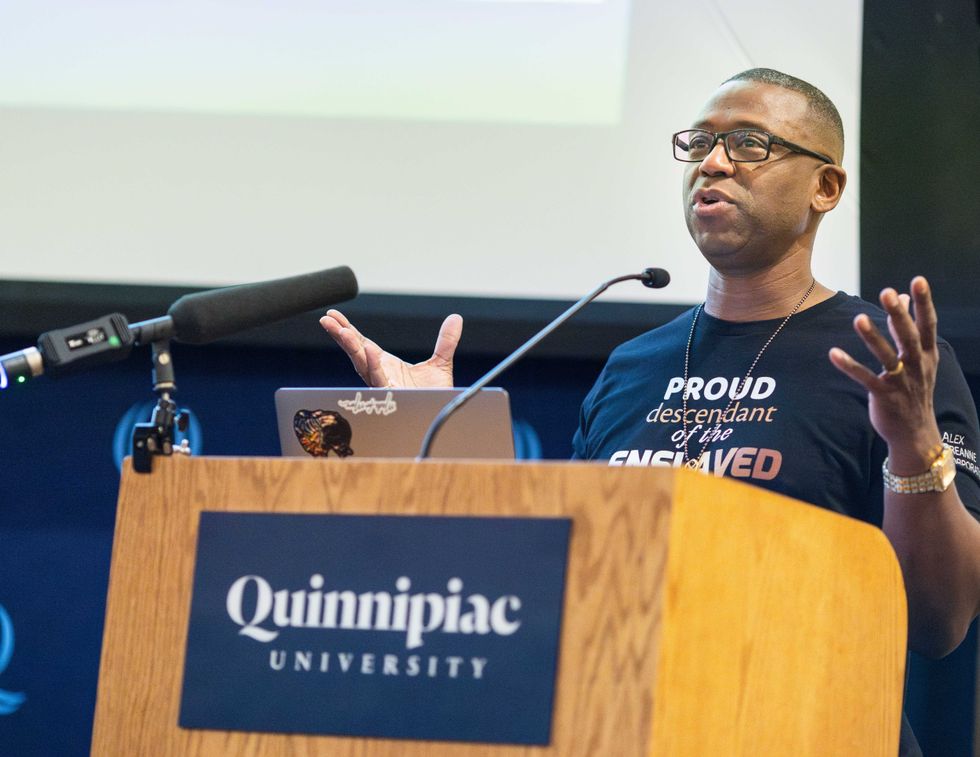 John Mills speaking at Quinnipiac University.Courtesy the Alex Breanne Corporation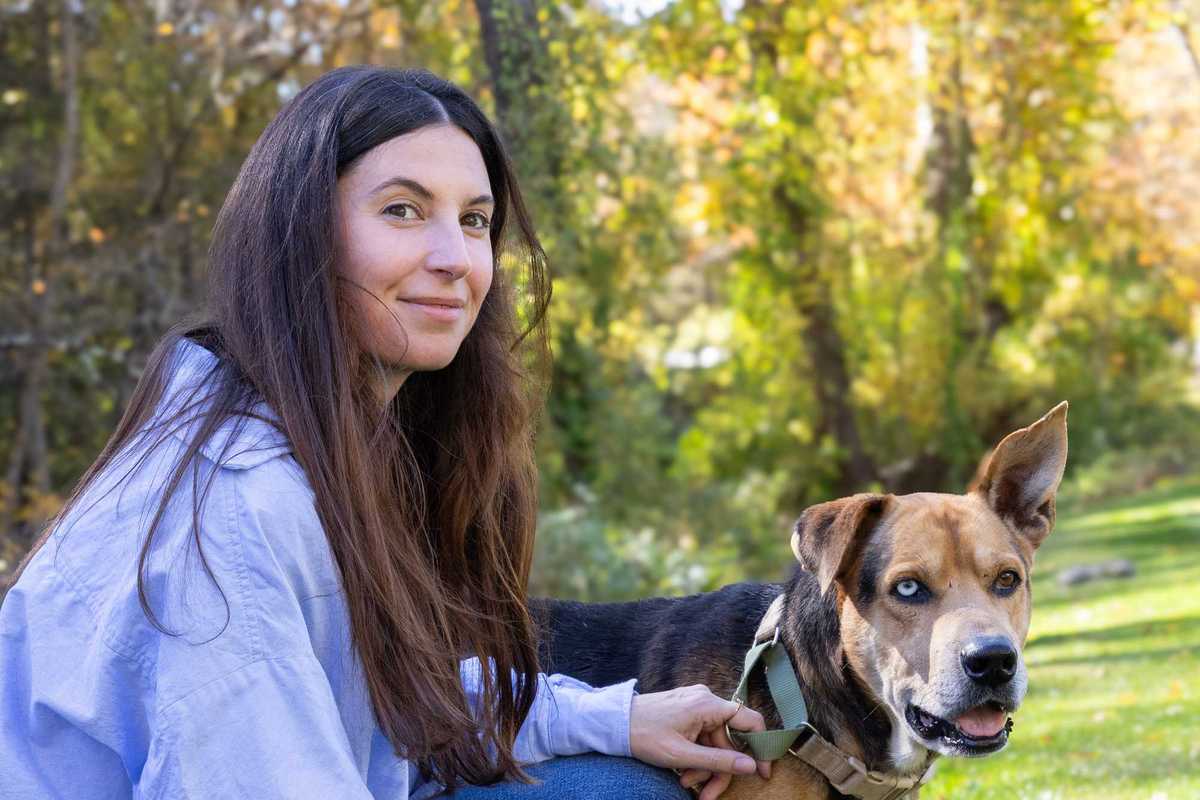
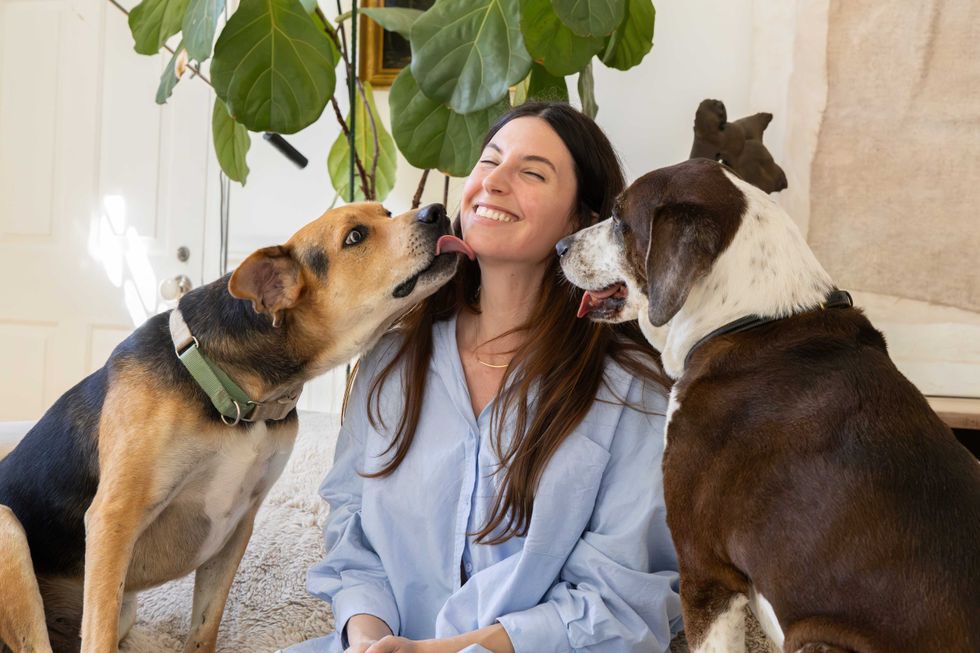 Stephanie Saetta,with her rescue dog George and Blue (left), a shepherd mix awaiting his forever home.Madi Long
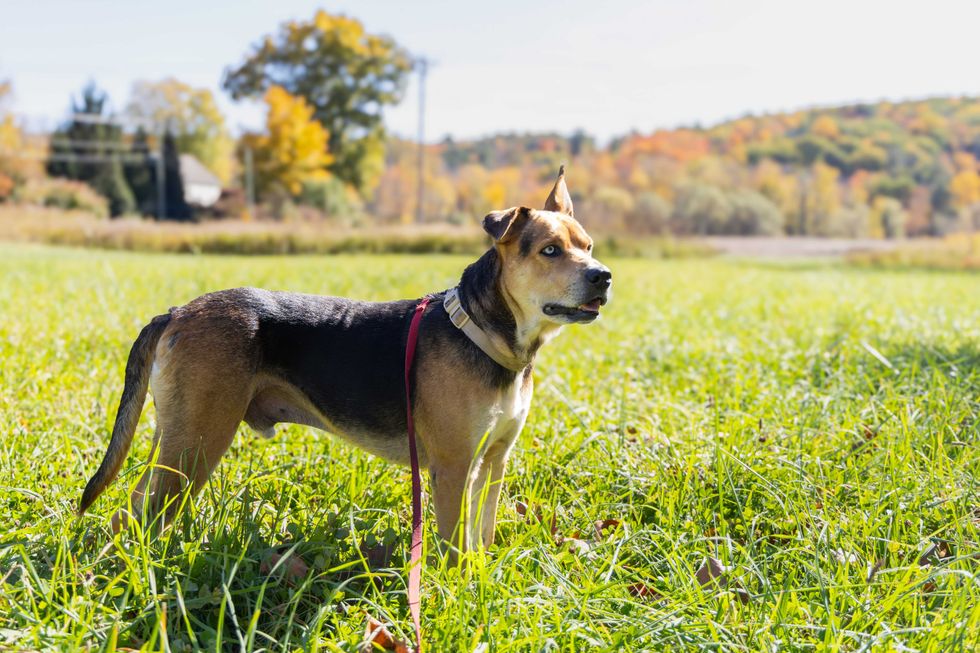 Blue, a 7 year-old Shepard mix, is waiting for his forever home. Madi Long