From farm to table with NWCT's Food Hub

From farm to table with NWCT's Food Hub
Northwest Connecticut Food Hub director Renee Giroux moving a pallet of regionally grown produce dropped off by farmers, aggregated, and prepared for outgoing delivery to food access organizations.
Photo by Janna Siller
The Northwest Connecticut Food Hub connects regional farmers with wholesale customers, even during these winter months when local food is harder to come by.

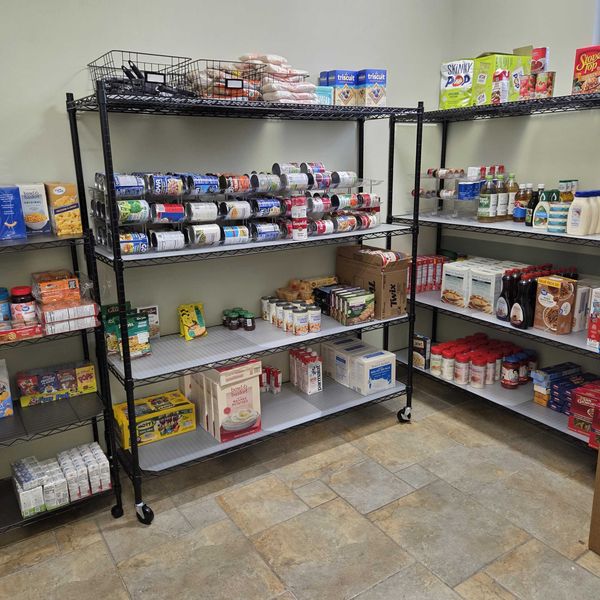
Farmers list available items each week on the hub’s online platform — at this time of year mostly roots, squash, apples, mushrooms and greens. Restaurants, schools, grocery stores, and food pantries can go online and order aggregated items from multiple farms for delivery.

If one farm only has butternut squash left in storage from the fall harvest, another might be flush with arugula coming out of a winterized greenhouse, while another still has beets in the cooler. Alone, each crop might be hard to sell or hard to use, but put them together in a restaurant’s shopping cart through the Hub’s online platform and you have a winter salad special on the menu.

The Food Hub is a locally developed spin on a more typical industrial food distribution model where large farms that specialize in one item or another ship their crops to warehouses to be repackaged and trucked off to retail grocery stores or food service venues.

By the very nature of our region’s topography, farms are relatively small and far from customers. Valleys and slopes don’t make for wide, expansive fields, and quiet windy roads often set farmers at a distance from population centers. Growing a diverse range of crops is good for the soil and for business resiliency — if a crop is a flop one year, there are others that likely did well. All of these factors make for colorful, bucolic farm landscapes throughout Northwest Connecticut, but they also present local farmers with a significant marketing challenge, and local buyers with the significant logistical question of how to access fresh, local food.

The Food Hub began operations in 2017 as a project supported by the region’s economic development plan to help bridge these gaps between the unique growers we have in our region and potential customers. It is an initiative of the nonprofit Partners for Sustainable Healthy Communities, whose board oversees operations. Day-to-day management of the Hub falls to Renee Giroux, a farmer herself who knows firsthand the challenges and opportunities of farmers in the area.

“The Hub helps with distribution while lifting everyone up,” said Giroux. “It isn’t a place where farms are in competition with one another, but rather gives them an additional outlet to expand their businesses into.”

Photo by Janna Siller

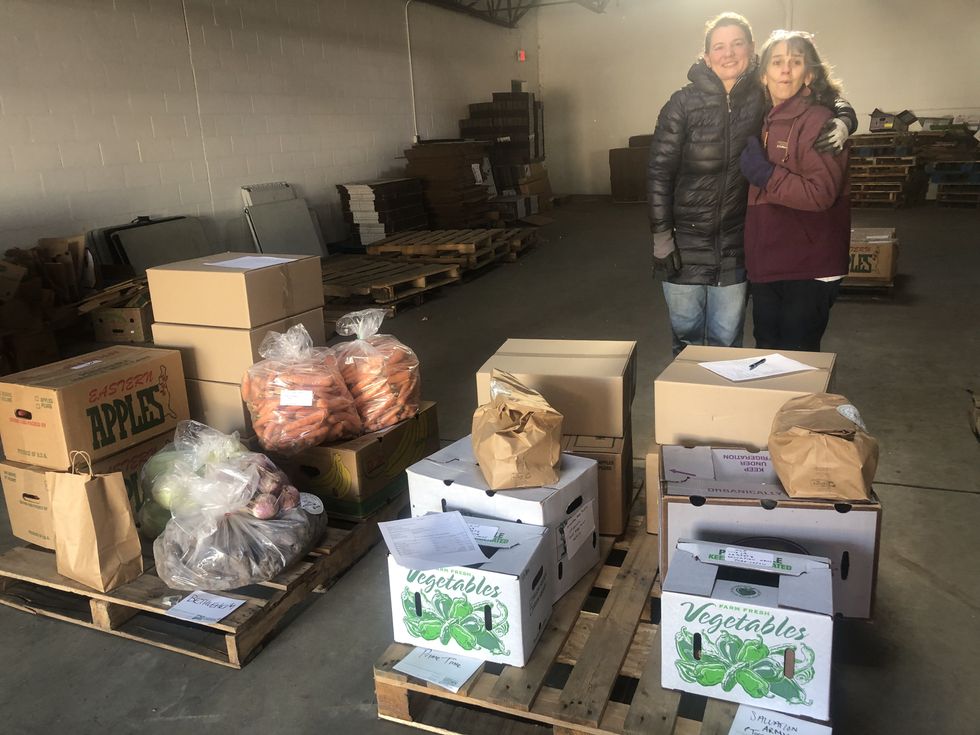
Renee Giroux and Susan Zappulla-Peters with produce aggregated from different regional farms and prepared for deliveries to local food access organizations.

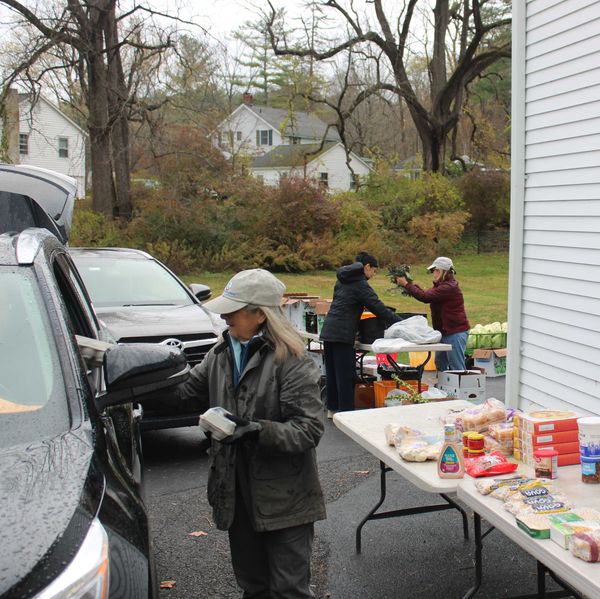
While some buyers, like restaurants and grocery stores, pay full wholesale prices for the farm products, others have their deliveries subsidized by different grants. The Hub cobbles together a number of funding sources to allow them to work with schools, food pantries and health care facilities. Ed-Advance, an education nonprofit, helps fund farm-to-school initiatives facilitated by the Hub. A community wellness grant allows diabetes patients to receive produce prescription deliveries through Hartford Healthcare. Community foundations support food pantry purchases.

“Individual farmers don’t have time to navigate all the potential funding sources that can help expand their markets,” said Food Hub board member Jocelyn Ayer. “That’s where the Hub comes in. We work with partners to secure funding for a wide range of projects.”

On a frigid December day, Susan Zappulla-Peters arrived bright and early at the Hub’s Torrington warehouse with a delivery of radishes and scallions from the farm her son manages, Maple Bank Farm in Roxbury. “The first time I delivered here, I was so inspired by what Renee is doing that I asked if I could help. Now I volunteer every week after I drop off Maple Bank’s produce.”

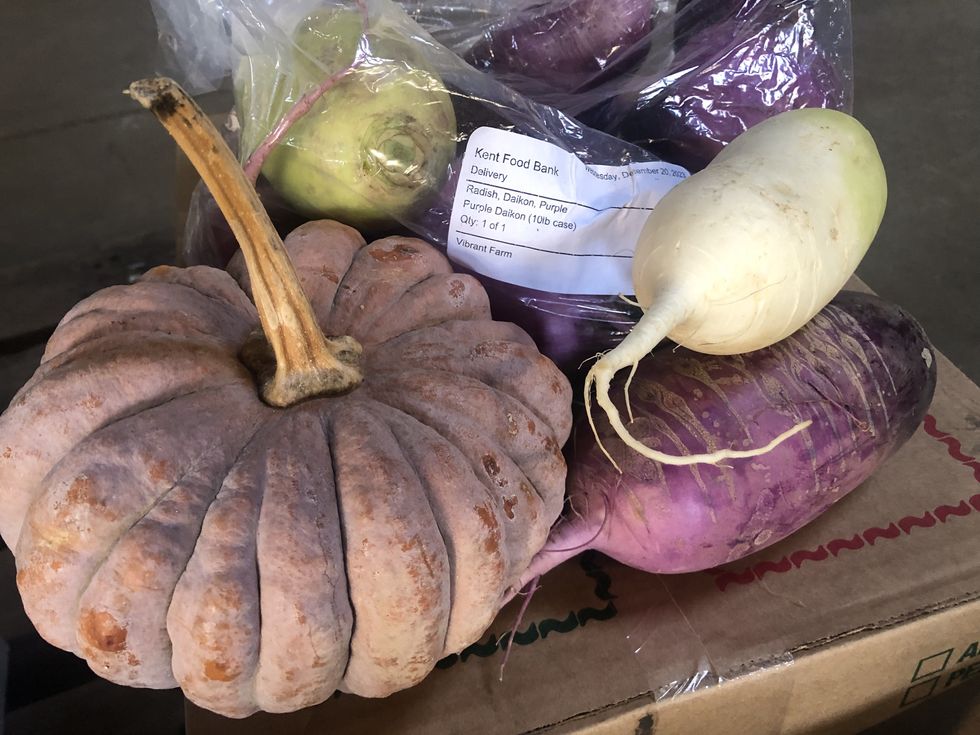
Zappula-Peters spent the morning receiving produce off farmers’ pickup trucks and compiling orders as generated onto lists by the online purchase platform. The pallets quickly filled up with food, including apples from March Farm in Bethlehem; carrots and cabbage from Vibrant Farm in Bantam; and sweet potatoes and potatoes from River Bank Farm in Roxbury. Zappula-Peters helped Giroux and driver Stuart Rabinowitz load a van headed for a delivery route that included Charlotte Hungerford Hospital, the Corner Food Pantry in Lakeville, and Fishes and Loaves Food Pantry in North Canaan.

“I love that this food, the best our region has to offer, is reaching people who wouldn’t otherwise be able to access it,” said Zappula-Peters in between moving pallets.

Latest News

P&Z approves creation of West Cornwall General Business District
By Riley Klein

CORNWALL — A public hearing was held Tuesday, Jan. 13, to consider the creation of the West Cornwall General Business (WCBG) district.

The proposed zoning text amendment was submitted to the Planning and Zoning Commission in response to longstanding difficulties faced by West Cornwall business owners seeking to modify nonconforming buildings that do not meet current zoning requirements.

Keep ReadingShow less
Edward Aparo
Edward Aparo
Edward Aparo

Edward Aparo passed away peacefully at his home on January 7, 2026 surrounded by his loving family.

Edward was born on May 10, 1936 in New Britain, CT. He was the beloved son of the late Anthony and Rose Valenti Aparo and attended New Britain schools. On April 7, 1958 Edward married his school sweetheart Jean Ackerman beginning a devoted marriage that spanned 67 years. Together they built a life rooted in family, hard work and love.

Keep ReadingShow less
Salisbury prepares for launch of 100th Jumpfest

Henry Loher flew farther than any other competitor at Jumpfest 2025

Randy O'Rourke

SALISBURY — Salisbury’s longstanding tradition of ski jumping is reaching new heights this year with the 100th annual Jumpfest, scheduled for Feb. 6–8 at Satre Hill.

The weekend-long celebration begins with a community night on Friday, Feb. 6, followed by youth ski jumping competitions and the Salisbury Invitational on Saturday, and culminates Sunday with the Eastern U.S. Ski Jumping Championships.

Keep ReadingShow less
Richard Charles Paddock

TACONIC — Richard Charles Paddock, 78, passed away Friday, Jan. 2, 2026, at Charlotte Hungerford Hospital.

He was born in Hartford on April 12, 1947 to the late Elizabeth M. Paddock (Trust) and the late Charles D. Paddock. He grew up in East Hartford but maintained a strong connection to the Taconic part of Salisbury where his paternal grandfather, Charlie Paddock, worked for Herbert and Orleana Scoville. The whole family enjoyed summers and weekends on a plot of land in Taconic gifted to Charlie by the Scovilles for his many years of service as a chauffeur.

Keep ReadingShow less