KENT — Nearly 1,000 people, including members and volunteers, turned up for the 26th annual Spring Power-Up of the Connecticut Antique Machinery Association (CAMA), on Saturday, May 1.
The event marks the first time each year the group “powers up†its antique machines. Visitors get a chance to explore preserved and fully operational relics of agricultural and industrial machinery. There are also contests and a lumberjack show.
The Hawaii No. 5, a steam locomotive built in 1925, waited at the edge of the parking lot to take enthusiasts of all ages for rides down a short track. The locomotive was originally used to transport sugar cane in Hawaii. It is owned by Richard May of California but has been kept at the association’s Kent property for the past 10 years.
On the tours, Rider Strano, 8, of Ivoryton, Conn., operated the steam whistle, and Bob Hungerford of Chilmark, Mass., a member of CAMA, were two of the conductors.
“You can hear it, smell it, and as a museum exhibit, you can ride on it,†Hungerford said. “It’s the ultimate exhibit, and we hope to be successful in purchasing it from Dr. May.â€
While walking around the grounds, the sounds of combustion, diesel and steam engines could be heard everywhere. A deafening whistle drew attention to a billowing cloud of white smoke emanating from the roof of the Industrial Hall, which housed a stationary steam engine boasting a flywheel 14 feet in diameter.
Though it was seen moving at a break-neck speed of about 3 mph, a 1920 International 816 combustion tractor didn’t seem to strike fear in the attendees it passed, though the lugs protruding from the steel wheels, used for traction, looked menacing enough to take off a toe or two.
Gene Licursi, a 12-year CAMA director, said there was a larger turnout than usual this year for the Spring Power-Up with 320 paid admissions.
“The sun is out, and that brings a large crowd,†he said.
Originally founded in 1984 by 22 antique machinery enthusiasts, CAMA now has more than 800 members, all of whom are volunteers and full of information about the antique machines.
During the afternoon the University of Connecticut’s Timber Team, lead by coach Shannon Strong of Warren, put on an exhibition show. Events included the underhand chop, where the lumberjack stands on top of a log and chops through it with an axe, the single buck, in which competitors cut through a horizontal log with a saw longer than themselves, and the double buck, where two lumberjacks work together using a two-handled buck saw.
Other events were axe throwing, chain saw art and a strongest child race. Charlie Rosewell, 8, of Sandy Hook, Conn., and Chase Demato, 9, of New Milford competed by carrying a bundle of small logs, flipping over a tire three times and stacking split wood.
Strong and the team will perform a demonstration with the forestry club at the Wamogo High School in Litchfield May 21 and will be back for the Fall Festival at CAMA from Sept. 24 to 26.
Outside the Mining Museum, Justin Perlman of Sherman, a CAMA member and a professional sculptor, was making a figurative piece using mostly a hammer and chisel. He has been sculpting for 14 years and says it feels natural to be at CAMA.
“This place inspires me,†he said. “I grew up going to car shows with my dad and the things here are more art than machines to me. There’s so much knowledge here. Everyone you talk to knows more than the next and it’s never boring.â€
Toward the end of the event, a slow and steady chugging steam engine in low gear motored faithfully behind the Industrial Hall in the middle of the grounds. Lifetime members Bill Lion of Cornwall and Trevor Marshall of Westport stood on a plank of wood behind the wheel of the 1912 Frick Traction Steam Engine, pushing and pulling levers to keep it mobile.
The CAMA Fall Festival will be Sept. 24 to 26. Visit ctamachinery.com for information.



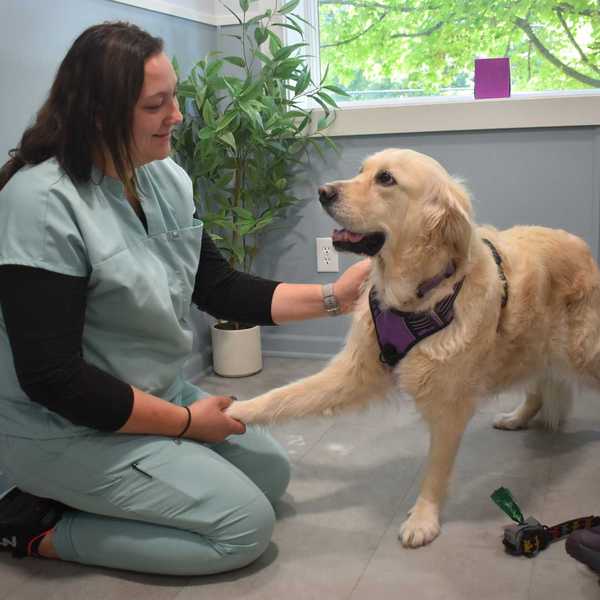
 Tiffany Lemelin, shelter manager, brushing Marsala upon arrival.Provided
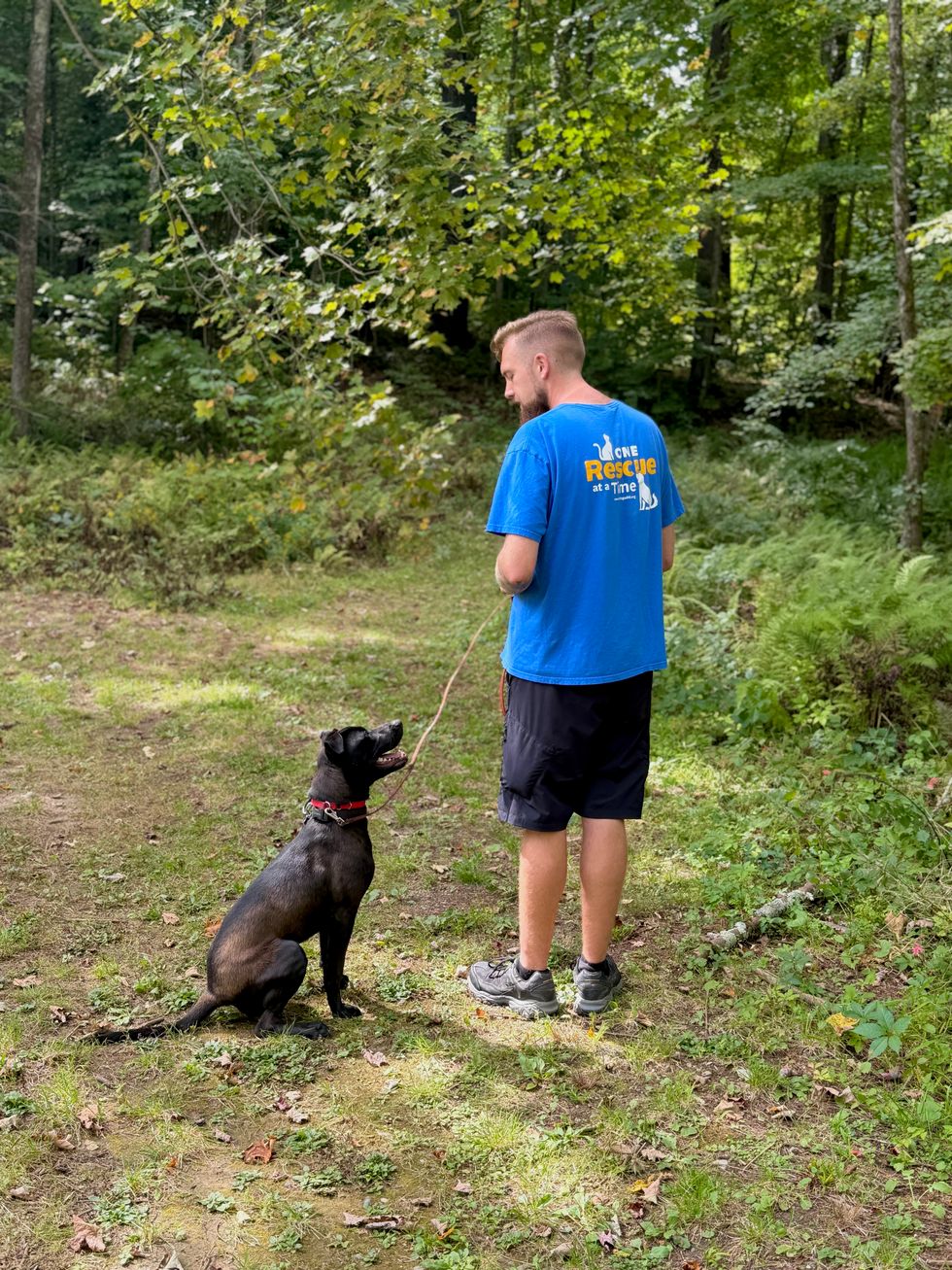 Michael DeBarba, certified dog trainer working with Marsala.Jennifer Almquist
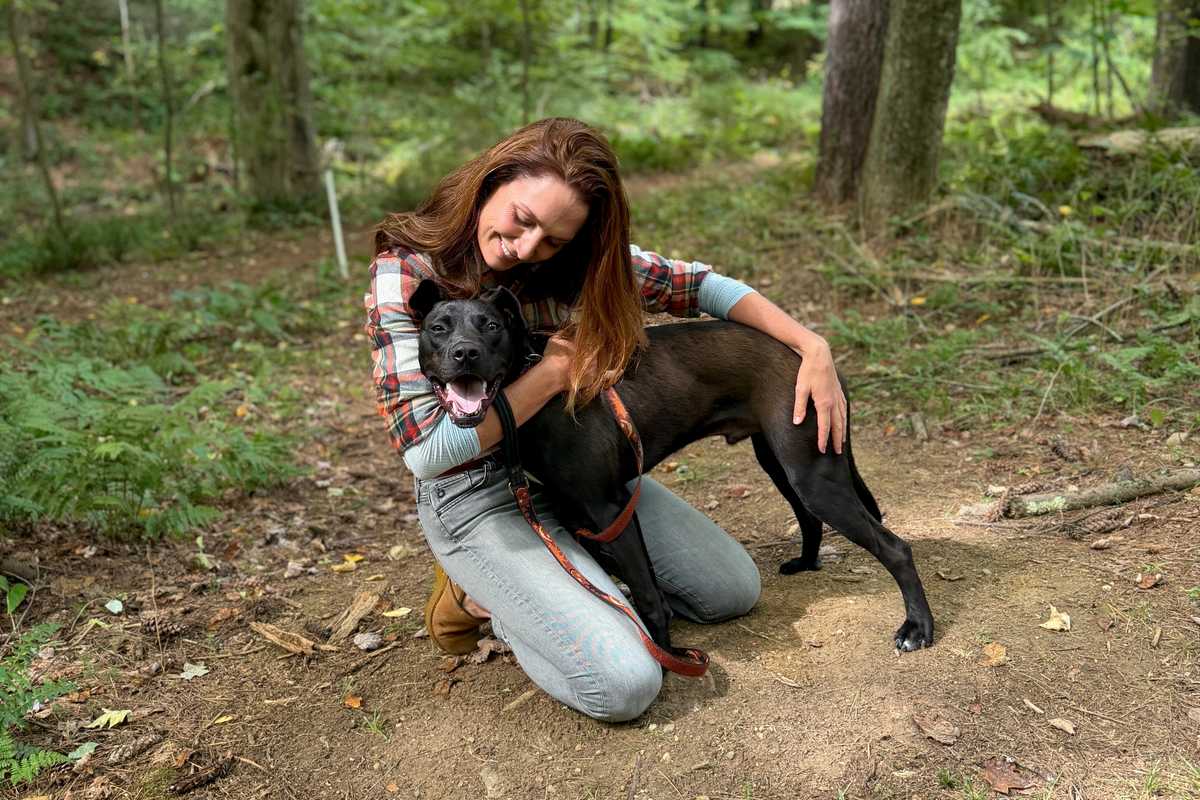 Marsala wins a heart.Jennifer Almquist
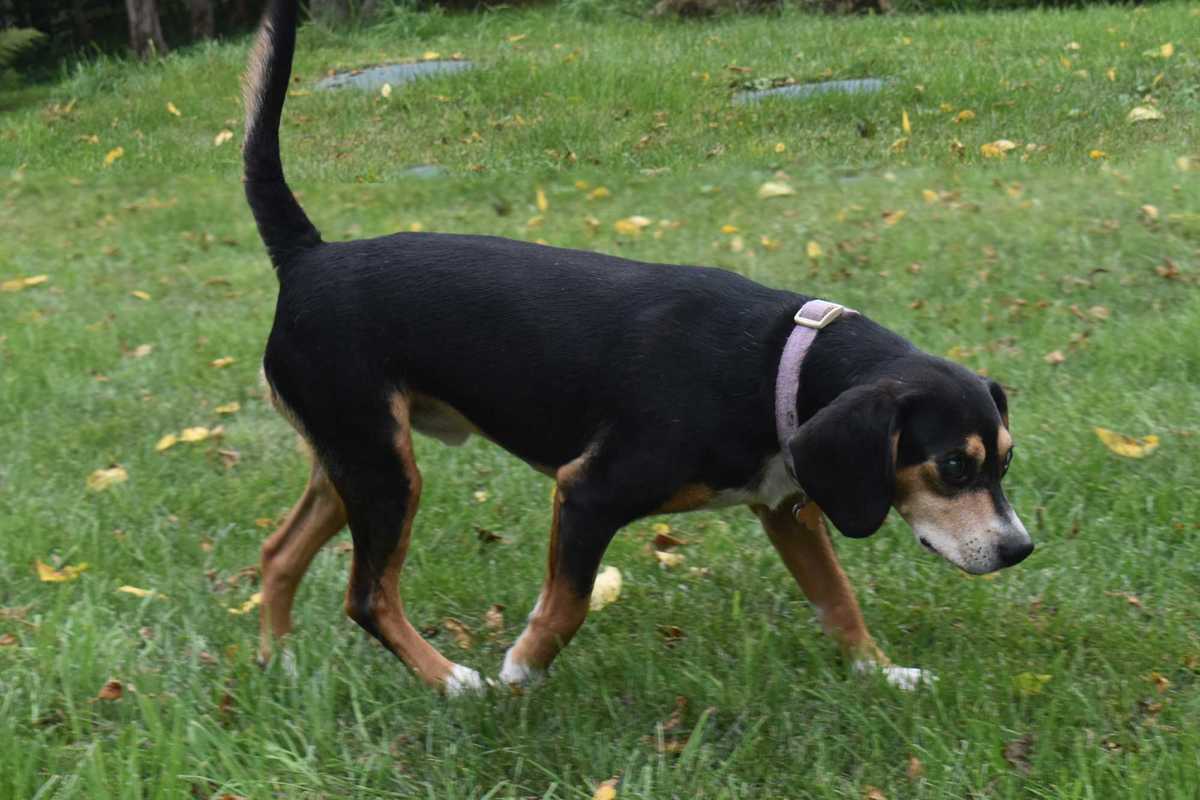
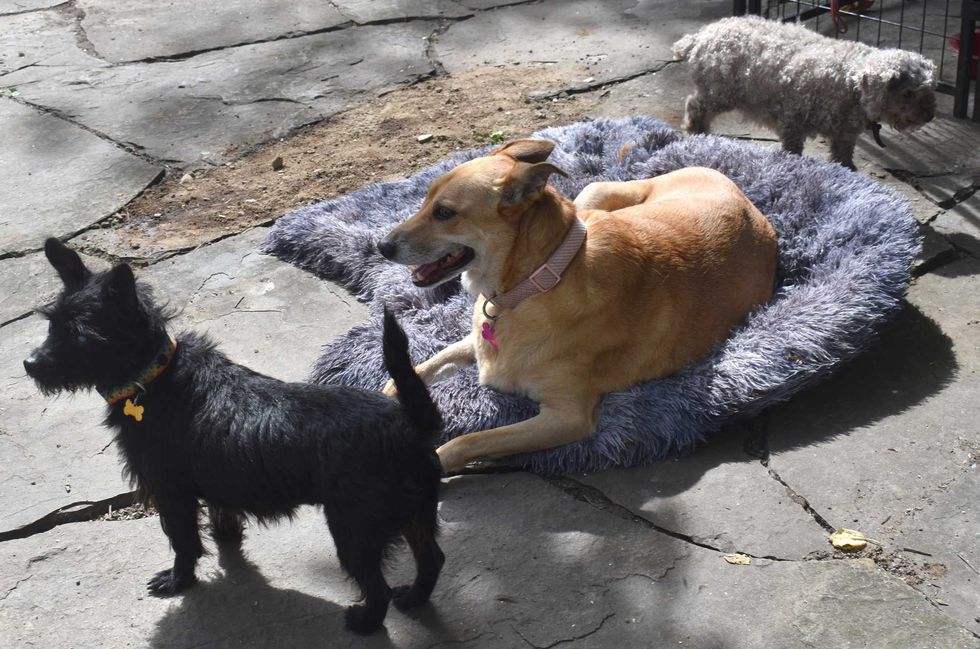 Sadie, center, a Carolina dog, plays with her friend Negra, a terrier mix. Bella Linda, the small poodle, has since been adopted.L. Tomaino
 Wesley, a young, exuberant mix, is looking for an active home.L. Tomaino
 Bonnie and Clyde, an affectionate terrier pair.L. Tomaino
 Provided