Farmers grappling with bears, lake advocates fighting invasive hydrilla and towns seeking a greater voice in cell tower siting decisions could see relief if three bills now advancing through the state legislature are approved.
In phone interviews Friday, Feb. 20, State Sen. Stephen Harding (R-30) and State Rep. Maria Horn (D-64) expressed support for Senate Bills 146, 145 and 144 — measures addressing bear-related livestock losses, hydrilla treatment delays and the authority of the Connecticut Siting Council.
Bears
Harding said SB 146 would give farmers expanded authority to protect both livestock and crops. The bill would allow the use of deadly force against bears that injure or kill livestock and would authorize the state Department of Energy and Environmental Protection (DEEP) to issue permits to shoot bears that have damaged crops during the prior growing season.
Horn said the legislation would also streamline the permitting process by eliminating a requirement that applications be notarized, calling the revised process “less onerous.”
Hydrilla
SB 145 targets delays in the state’s review of hydrilla treatment applications. Harding said DEEP has, in recent years, taken too long to process requests from local organizations, including Salisbury’s Twin Lakes Association, to treat infestations.
“DEEP just sits on these things until it’s almost too late,” Harding said.
Horn was less critical. “These are responsible, competent groups whose leadership has helped DEEP accelerate the process,” she said. “I think DEEP’s pretty good about it now.”
 Maria Horn Provided
Siting Council
SB 144 would require the Connecticut Siting Council — which oversees applications for cell towers, wind turbines and certain energy infrastructure projects — to appoint a temporary, non-voting member from the host municipality for each application under review.
Horn described the council’s role as focusing on statewide infrastructure needs but said local representation would provide important community perspective. A town representative would not have veto power, she noted, but could ensure local concerns are formally heard. She also said the council currently lacks sufficient environmental expertise.
Harding argued the council has “for too long” overridden local zoning decisions without adequate neighborhood input. He said adding municipal representation would make council members “far more mindful” of local sentiment when evaluating projects.



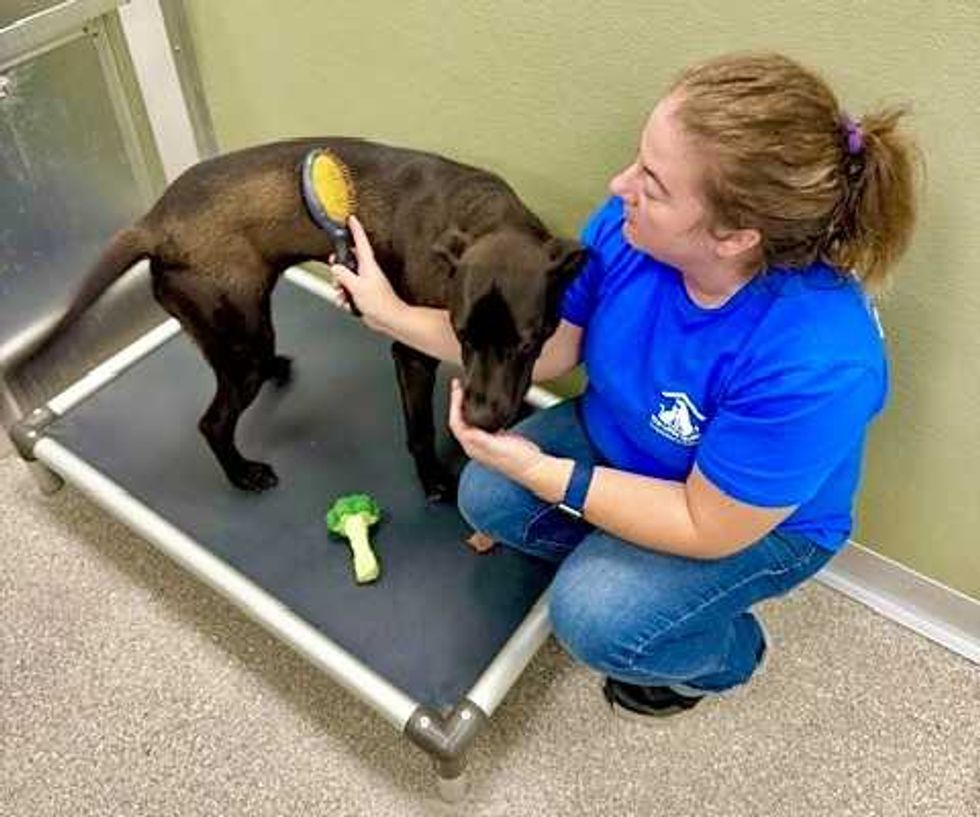 Tiffany Lemelin, shelter manager, brushing Marsala upon arrival.Provided
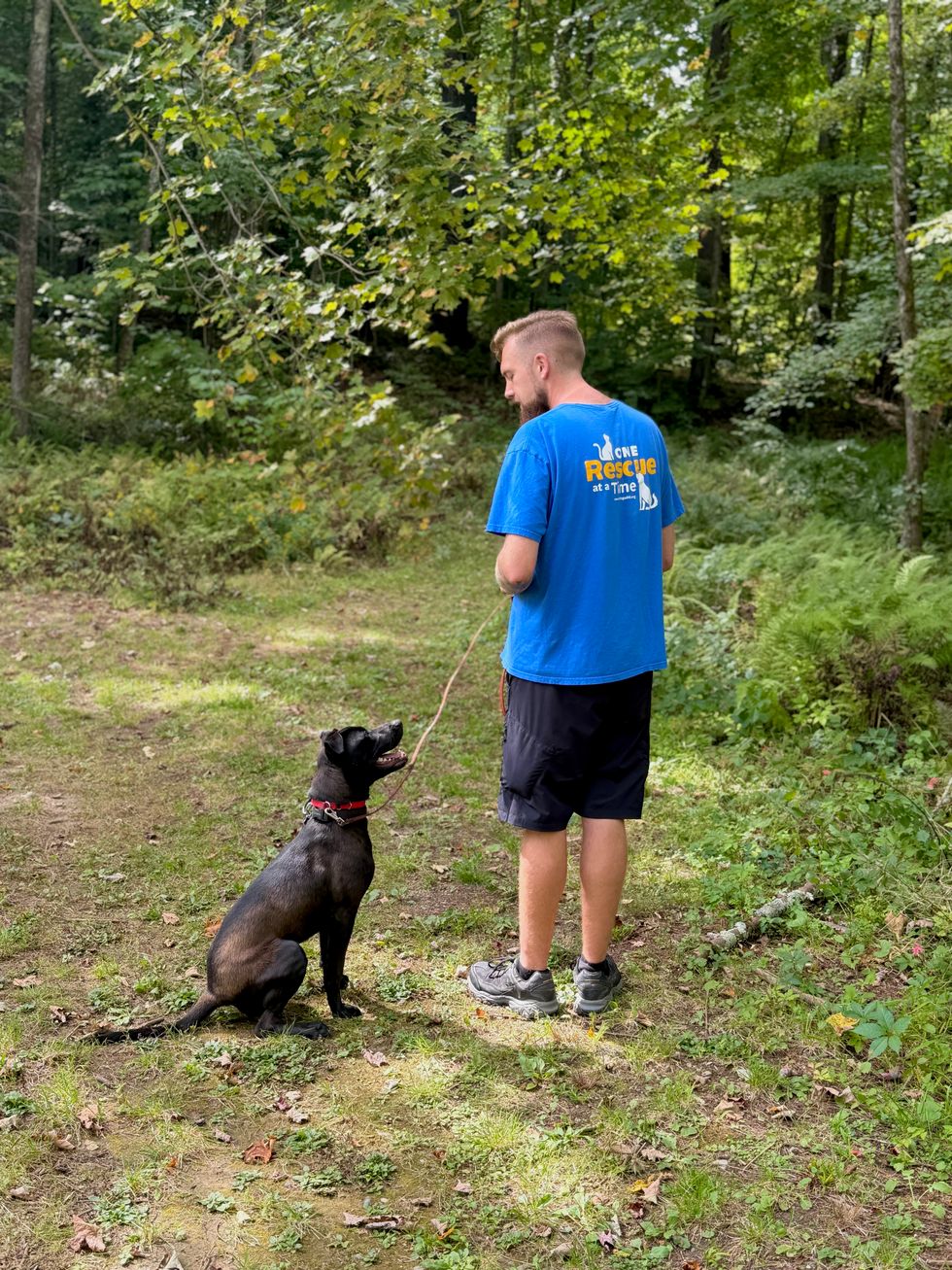 Michael DeBarba, certified dog trainer working with Marsala.Jennifer Almquist
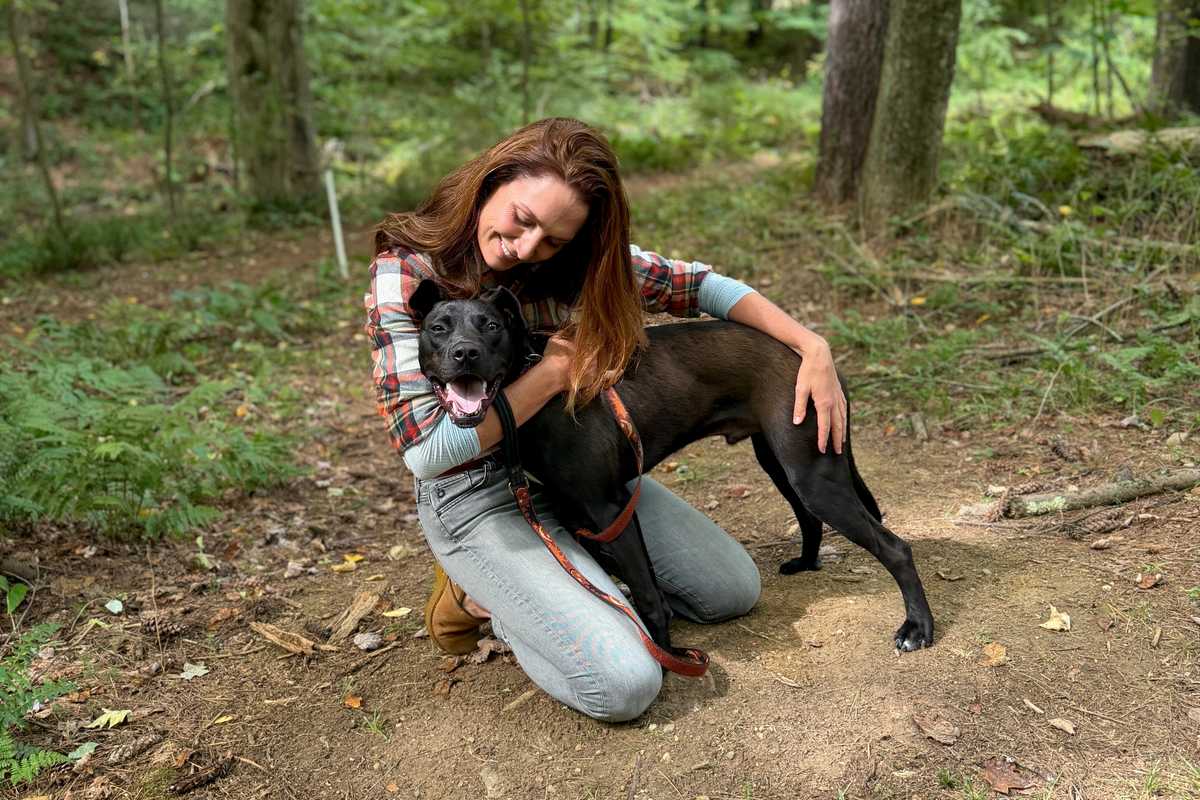 Marsala wins a heart.Jennifer Almquist

 Sadie, center, a Carolina dog, plays with her friend Negra, a terrier mix. Bella Linda, the small poodle, has since been adopted.L. Tomaino
 Wesley, a young, exuberant mix, is looking for an active home.L. Tomaino
 Bonnie and Clyde, an affectionate terrier pair.L. Tomaino
 Provided