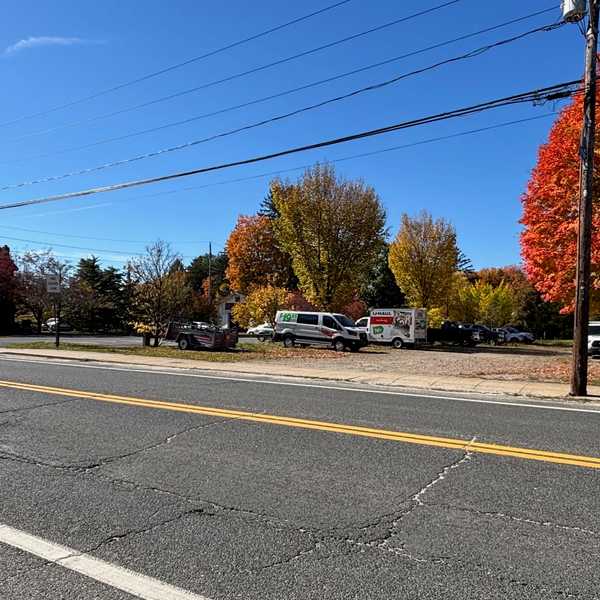
FALLS VILLAGE — A Housatonic Heritage walk hosted by the Falls Village-Canaan Historical Society took visitors to obscure corners of Falls Village.
About 25 people signed up and gathered at the society’s headquarters at the Depot at 1 p.m. on a sunny Saturday, Oct. 5.
Judy Jacobs and Bill Beebe were the tour guides.
Jacobs wasted no time imparting historical knowledge. As the group set off along Railroad Street, she said the Depot was built sometime between 1842-44 for the then-new railroad.
Pausing by one house, Jacobs said it was originally built by the railroad, had a murder in its history and, according to the scuttlebutt, is haunted.
Nearby, Richard Berzine was waiting for the group outside his 1874 Victorian home.
The affable and garrulous Berzine invited the group to look at the Victorian garden designed by his late wife.
He then led the group along a brick path toward Prospect Street. The casual observer driving by would probably not spot this path.
The group made its way along Prospect and Miner Streets, admiring the architecture and getting the history of the house.
The tour spent some time examining the largest cottonwood tree in Connecticut, on Beebe Hill Road. The tree with its massive base has been significantly pruned in the upper reaches. Christian Allyn of North Canaan, who knows these things, said if the Falls Village tree ever fails there are a couple of candidates in his town to take over the biggest cottonwood title.
Bill Beebe provided family history along his namesake road.
The tour saw from the street a home built in the 18th century that was the site of Revolutionary-era dances and sports a couple of bullet holes in the old windows.
The group ambled down Beebe Hill to Main Street, with Jacobs and Beebe providing interesting morsels of information about the buildings, such as:
100 Main St., now the Bunny Williams furnishings store, was automotive legend John Fitch’s shop.
And the former Toymakers Cafe site was the home of a thriving hardware and supplies enterprise.
Jacobs said she has heard stories of a spur line from the railroad running to the site for deliveries. She has not been able to confirm it, but if it did exist the cars were likely pulled by horses.
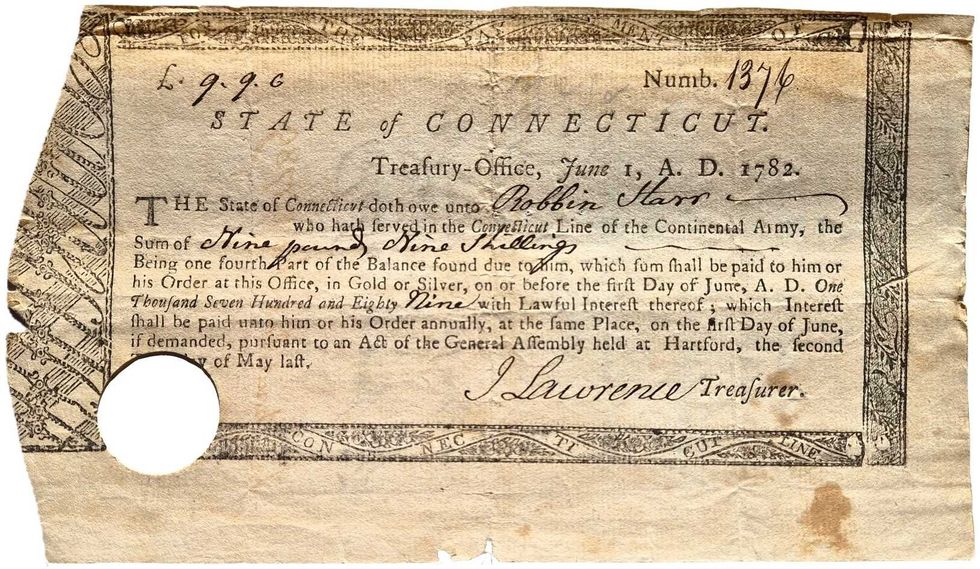 Pay Bill for Robin Starr’s service in the Continental Army.Courtesy the Alex Breanne Corporation
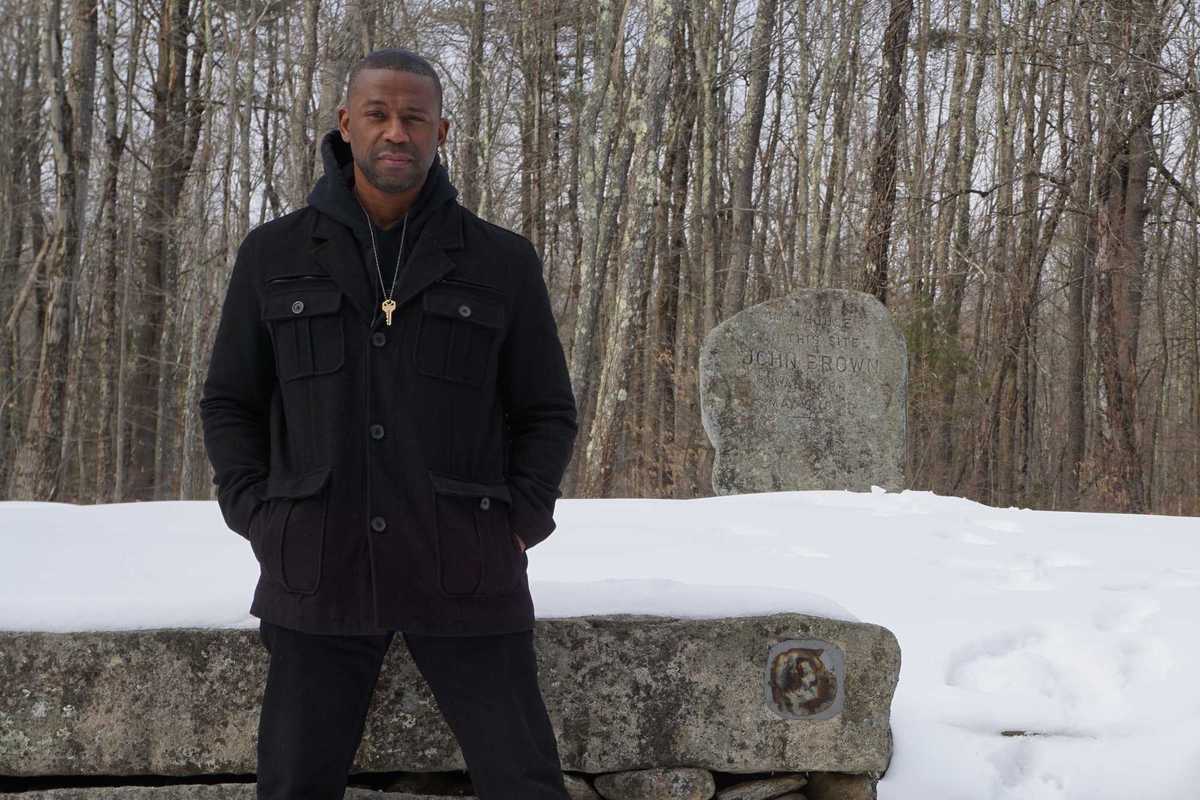
 John Mills speaking at Quinnipiac University.Courtesy the Alex Breanne Corporation
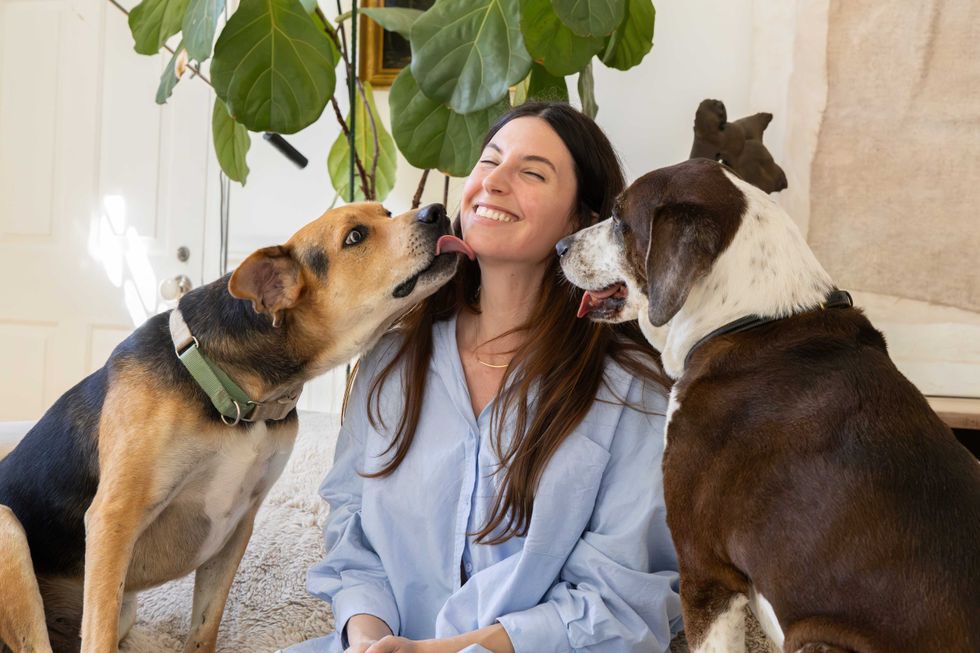 Stephanie Saetta,with her rescue dog George and Blue (left), a shepherd mix awaiting his forever home.Madi Long
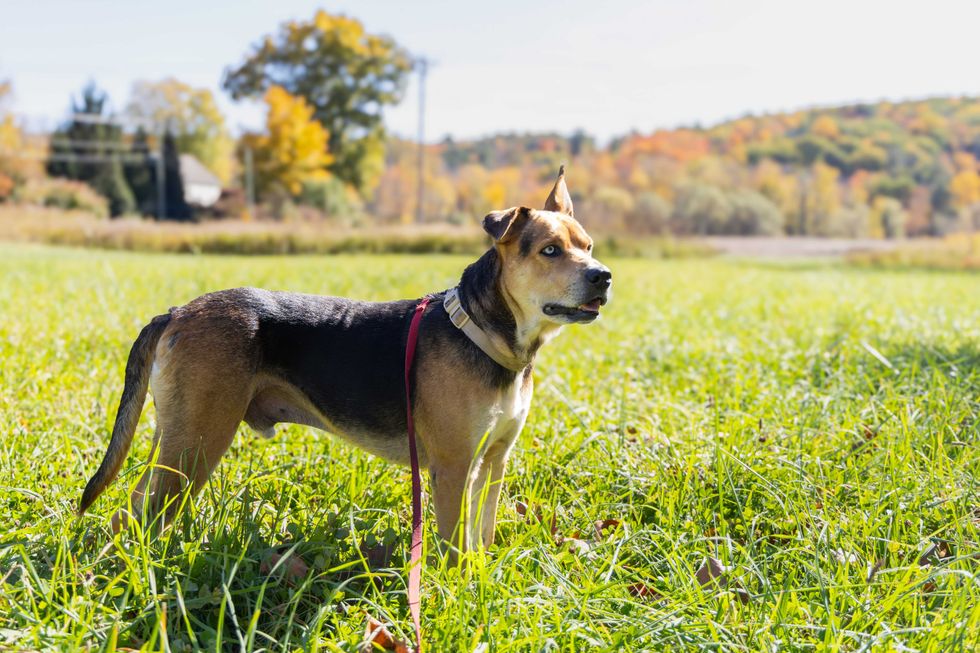 Blue, a 7 year-old Shepard mix, is waiting for his forever home. Madi Long