Latest News
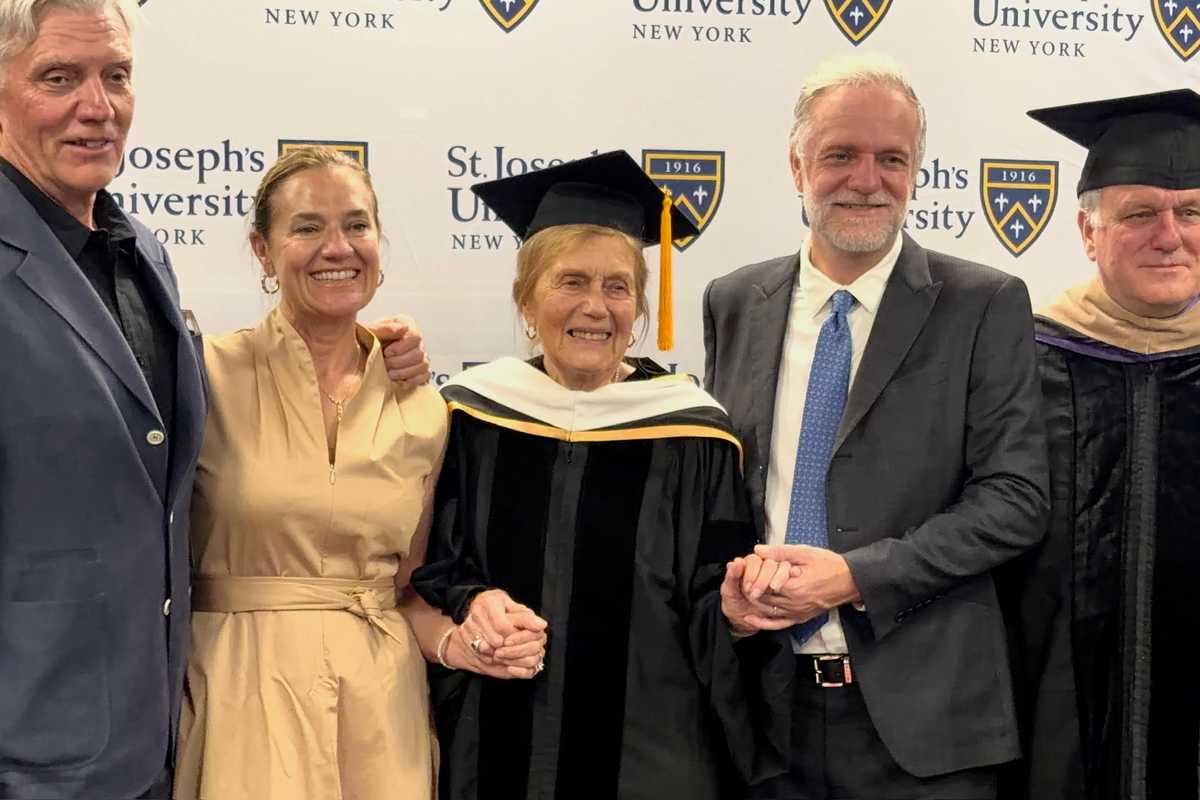
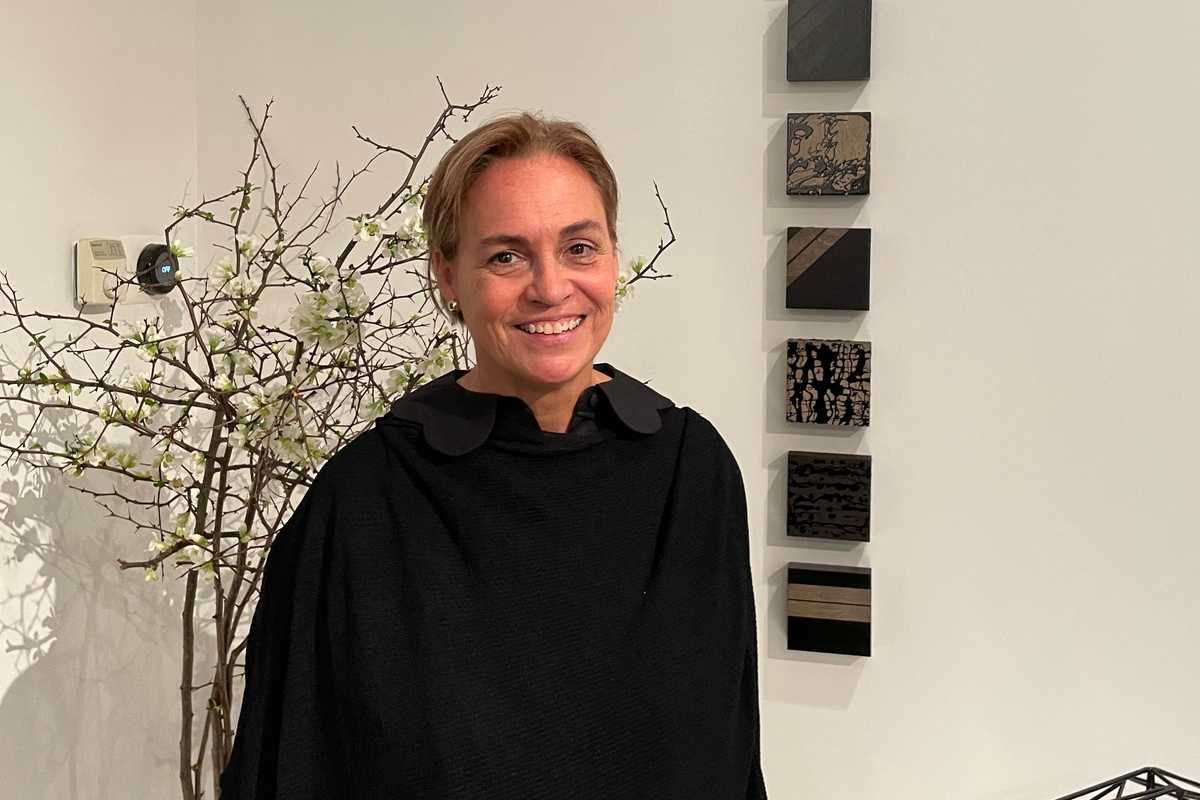
The Renaissance spirit of Pilar Proffitt
The Renaissance spirit of Pilar Proffitt
Proffitt and her husband and business partner, Robert Bristow, are well-known leaders in the art and architecture communities, and their home, studio and workshop in Lakeville; store and office at 16 Main St. in Salisbury; and gallery space in Norfolk are vibrant hubs for arts and design in the region.
Proffitt has been coming to the area since she was a teenager. Originally from Puerto Rico, her family moved to the New York City area in the 1970’s. Her artist and architect father encouraged her interests in art and design and her deep desire to create. At school, she excelled in math and art and soon realized that this was all she wanted to do. “Think logically and then break the mold with creativity,” she said.
Armed with a degree in visual art from Trinity College, she pursued advanced studies at Berkeley and Pratt before receiving a master’s degree in architecture from Virginia Tech in Blacksburg, Virginia, where she met Bristow. Both landed apprenticeships in Boston and were drawn to the arts community in Norfolk centered around the Yale Summer Arts Program. The area quickly became their personal and family anchor.
They started Poesis, a furniture design and manufacturing studio, with a small loan from her mother. They landed a major house project and soon met a hotelier at a party who hired them on the spot to design a hotel in Washington, D.C.
Proffitt said, “I was hooked because it combined everything I wanted to do creatively: design experiences in the broadest sense with all the supporting pieces of the puzzle — furniture, objects, art. My father felt that architecture was the Renaissance profession: It holds the seeds of art, design, engineering and all the other ingredients. For me, it all starts with art.”
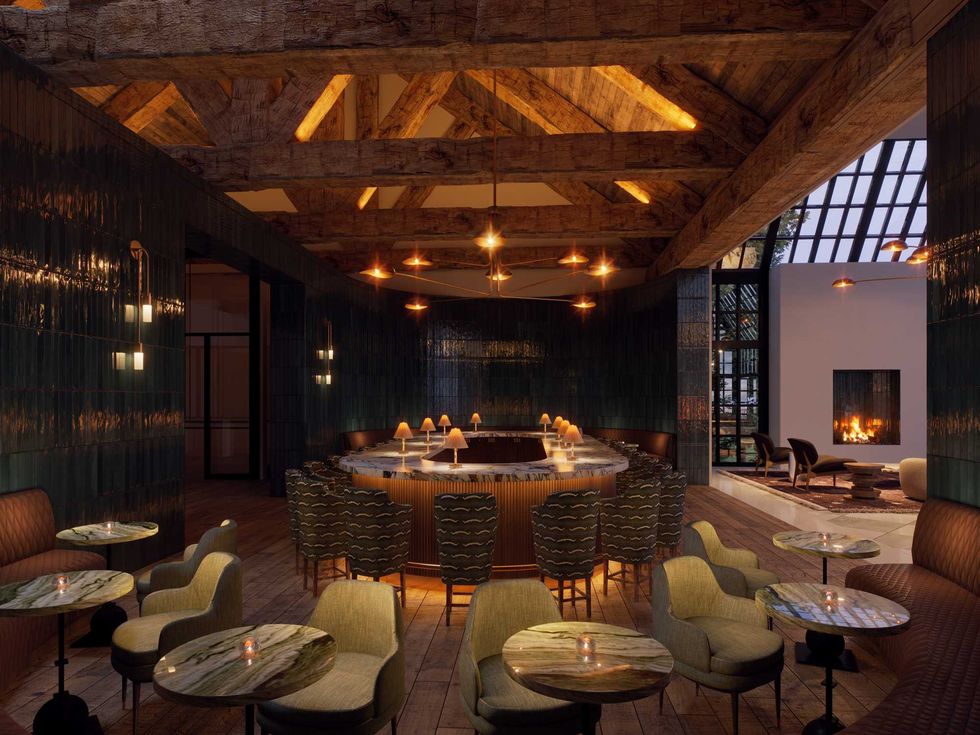 A rendering of King Winery, one of Pilar Proffitt’s current interior design projects.Provided
Proffitt is devoted to the area. She and Bristow raised their family in Lakeville. Their daughter Grace, a sculptor, attended Hotchkiss and is pursuing her MFA at University of Pennsylvania. Their daughter Ellis, also a graduate of Hotchkiss and Trinity, is a mathematician and aspiring actress in Los Angeles; and their son Sam attended Salisbury School and is a junior at Trinity, majoring in art history with a minor in architecture. They all are carrying forward the family’s passion for arts, architecture and design.
Proffitt’s interior design work and unique furniture pieces welcome visitors at Hotchkiss’ Art Center, the Scoville Memorial Library, her own wHole hOuse shop in Salisbury and, soon, across the street in the new Jam Food Shop, which is expected to open this fall.
The region’s many museums and galleries include some of Proffitt’s favorites, from Mass MoCA and the Clark to Salisbury’s Geary, Mad Rose in Millerton, Jack Shainman in Kinderhook and Art Omi in Ghent. Proffitt loves the connections and new opportunities brought to the community by the increase in full-time residents, as well as impromptu get-togethers with friends — recently watching a Knicks playoff game at the tavern bar at the White Hart. Moments like that keep her grounded here.
In addition to the White Hart, Proffitt is a fan of area restaurants, including Fern for a quick pasta at the bar; Isabela in Amenia, where Michelin-starred chef Jose Ramirez Ruiz is from Puerto Rico; and Clare de Boer’s Stissing House in Pine Plains.
A perfect day for Proffitt is spent working in her studio overlooking Lake Wononscopomuc, without distractions, rain or shine. It is a quiet and peaceful place that supports her many architecture and design projects. When asked what she would say to a younger version of herself just starting a career, she responded, “Don’t be so shy. As one of my professors told me, ‘Sometimes you just have to crash the party.’ Draw, write, run, play tennis. And travel!”


Want more of our stories on Google? Click here to make us a Preferred Source.