“All that stuff is getting washed into the watercourse every time. It’s not good for the watercourse, and it’s not good for the town.” —Tai Kern, Kent Land Use Administrator
KENT – The Northwest Corner’s most industrious rodents are at it again, prompting a South Kent property owner to allegedly take matters into his own – unpermitted – hands by dismantling a dam. Now he’s being asked to come before the town with a permanent, and sanctioned, solution to the ongoing issue of busy beavers.
Under town code, destroying or tampering with beaver dams is a regulated activity and requires the review and approval from the Inland Wetlands and Watercourses Commission. During an IWWC meeting on April 27, Land Use Administrator Tai Kern announced that a landowner in the hills of South Kent, John Riney, had been issued a notice of violation for breaking down a beaver dam above Richards Road in early April, causing significant damage to the gravel roadway.
She noted that the dam, which may have been destroyed by Riney’s land management staff at his 25-acre Flat Rock Road property, had been flooding the waterfront area.
Kern said it was the second time she had been notified of dam destruction at the site since receiving a similar complaint last year.
“This can’t keep happening,” she said. “All that stuff is getting washed into the watercourse every time. It’s not good for the watercourse, and it’s not good for the town.”
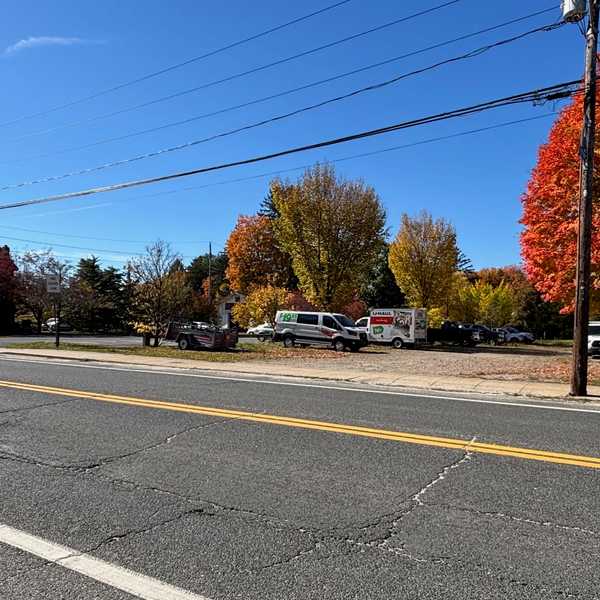
She noted that each time the dam, which obstructs a natural outflow from a pond, is breached, the water that had been backed up rushes downstream and overwhelms a culvert that passes below Richards Road. It has caused significant erosion to the roadway, which the town crew has to repair each time.
Kent Highway Foreman Rick Osborne said the dam had been broken and rapidly rebuilt by the beavers several times this spring before Town Hall was notified in April. “Beavers are real handy, working all night,” he said with a chuckle.
Osborne noted that each time the dam is breached and damages the road, it costs the town in labor and materials.
Kern noted that as of the April 27 meeting, beavers had already partially rebuilt the dam.
“They’re going to be back in the same situation in not very long, so something needs to be done,” she said.
Beaver complaints are common in the area, she said, and property owners are left with few solutions for remediation. Connecticut’s beaver trapping season runs from December through March, during which landowners with beaver conflicts may contact a certified professional for removal. Outside that period, those wishing to remove beavers have to apply for a special permit from the state Department of Energy and Environmental Protection. Beavers that are trapped are generally killed.
IWWC Chair Lynn Werner stated she’d prefer to see a more humane option. A solution that keeps the animals alive “is more palatable to me,” she said, “and it’s also more permanent.”
Kern referred to the recent installation of a device called a “Beaver Deceiver” at a pond on Camps Road as a potential option for Riney. The contraption transports water at a regular rate through a pipe from one end of the dam to the other, enabling the beaver-built habitat to remain while maintaining stable flows downstream.
Kern said several days after the April 27 meeting that living with beavers is a fact of life in Northwest Connecticut. “There’s nobody to blame but the beavers about this,” she said, “but that is what they do naturally… we just have to learn how to all cohabitate.”
Riney is expected to come before the IWWC at its May 18 meeting with a proposal. He could not be immediately reached for comment.



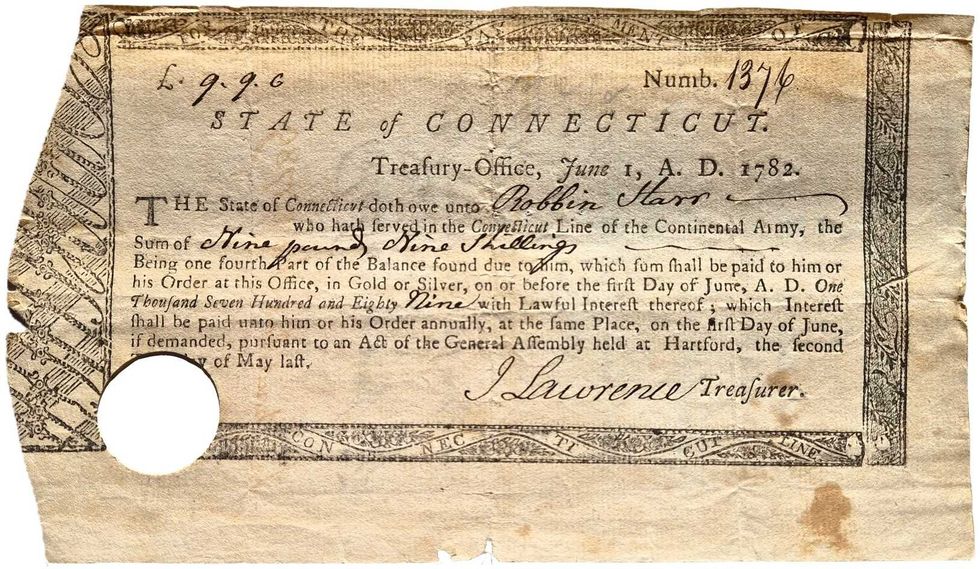 Pay Bill for Robin Starr’s service in the Continental Army.Courtesy the Alex Breanne Corporation
 John Mills speaking at Quinnipiac University.Courtesy the Alex Breanne Corporation

 Stephanie Saetta,with her rescue dog George and Blue (left), a shepherd mix awaiting his forever home.Madi Long
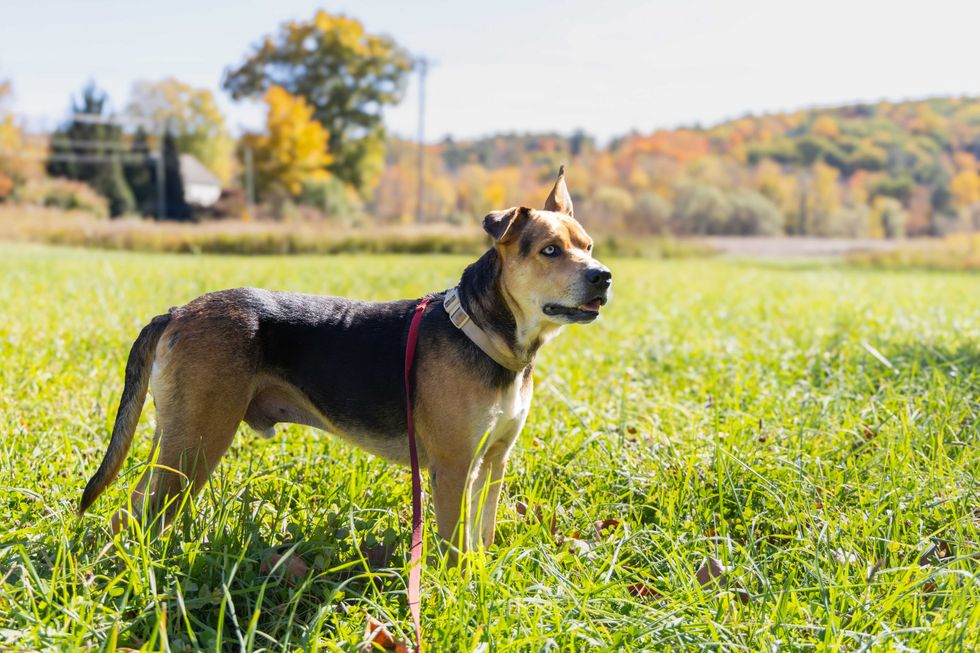 Blue, a 7 year-old Shepard mix, is waiting for his forever home. Madi Long