KENT – A public hearing for a proposed 80-unit housing development in downtown Kent remains open after a largely positive but cautious response from residents during the first round of public vetting of the substantial proposal.
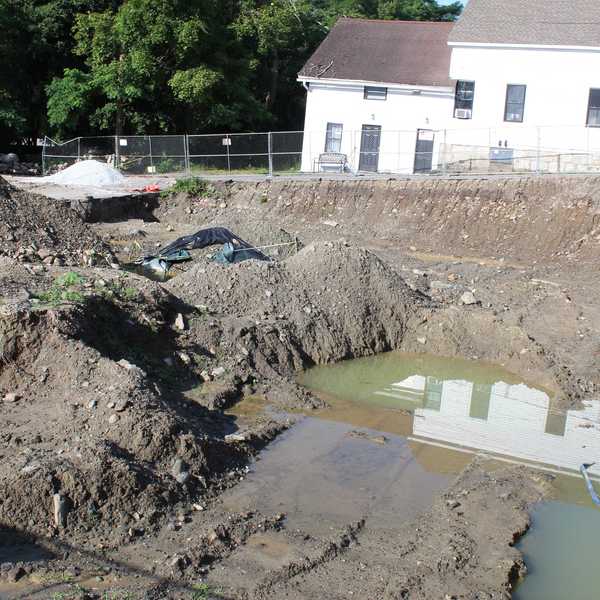
More than 75 residents, town officials and developers logged into the commission’s Zoom meeting Monday night, March 30, to discuss the installation of a neighborhood-style development on a 12.5-acre parcel beside the village center. At least 20%, or 16 units, of the complex, currently operating under the name Kent Green Commons, are planned to be designated as affordable housing. Five acres are designated to be preserved as public open space.
The hearing itself examined the adoption of a Planned Development District on the Town Hall-adjacent property, a zoning tool used to address unique projects that would be complicated to deal with under standard zoning procedure but are in alignment with the town’s overall development goals. If P&Z decides to approve the PDD, as it is commonly known, the developers will still have to finalize a site plan, which will also need zoning approval.
James Millstein, the development manager for the project and owner of the property, introduced the project on Monday evening as “a village-scale residential neighborhood that fits naturally in Kent while addressing the town’s documented housing needs.”
“This isn’t a speculative development,” he continued, but a “direct response” to Kent’s Housing Plan, a document adopted by the town in 2022 that calls for expanded dedicated affordable homeownership and rental opportunities and a diversified housing landscape.
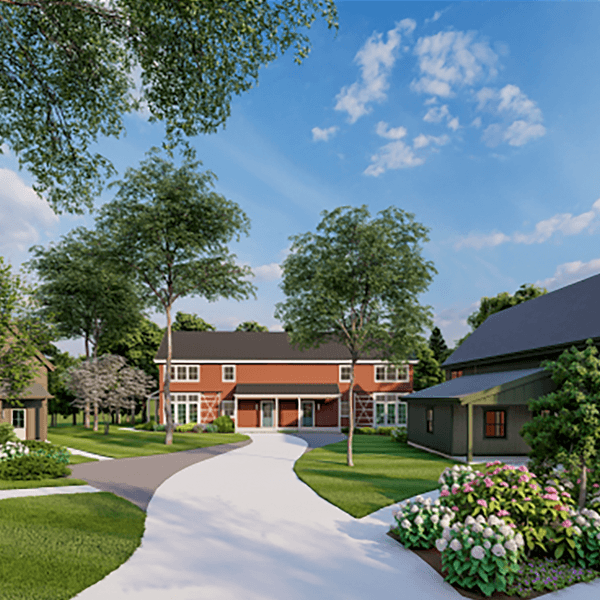
Millstein handed the presentation over to Jeremy Lake, an architect and community designer with Rhode Island-based firm Union Studios, who outlined the layout of the “campus”-like proposal. The 14 buildings, ranging from smaller townhouses to 12-unit walk-up style structures, are set to be arranged around a central thoroughfare that connects Kent Green Boulevard to Maple Street Extension.
He said the aim is to construct “simple, handsome, vernacular-feeling buildings” that align with the architectural character of Kent’s village center. The housing itself will be concentrated in the northern part of the parcel, near Town Hall, while the southern meadows will be preserved against development.
Engineer Dainius Virbickas, of Artel Engineering Group, went through the stormwater management plans and affirmed that the Kent Sewer Commission had determined that the town’s system had sufficient capacity for the development.
P&Z Chair Karen Casey then handed the floor over to members of the public, many of whom spoke out in support of the proposal and its mission.
“I know there are many of us that would like to have such a unit,” said PJ Magik, noting that she has been on waitlists for affordable housing in the region. She added that many who have been priced out of town may come back if the opportunity arose. “Kent’s a special place,” she said.
Andrea Schoeny, a mother of young children, said she welcomes the idea of bringing more families to the village center. “As someone who lives downtown,” she said, “we’re looking forward to new neighbors.”
John McPhee, co-owner of the Kent Collection inns, lauded Millstein’s commitment to the project. “He’s doing it because he loves Kent,” McPhee said, noting that the town needs an injection of working families to thrive. “If we want to support our institutions like the Kent Center School over the long term, we need families with kids,” he said, referencing the declining enrollment at the elementary school.
Some residents, though generally stating support for the mission of the proposal, balked at its size.
Bonnie Bevans said she agrees with the need for expanded housing opportunities and more affordable options, but that she’s “very concerned the project is too big.”
“Where is everybody going to park?” she asked, also raising concerns about traffic, construction noise and impacts to wildlife. Millstein and his development team assured that the plan currently calls for 162 parking spaces, well above the minimum requirement for the capacity, and can add more if needed. He noted that the property could handle a bigger development, too.
“Frankly, we haven’t maxed out what the zoning would permit” on the site, he said.
Chris Garrity and P&Z Commissioner Lawrence Dumoff both said a more diverse construction plan would ease the minds of residents who feel the development to be too much of a condominium complex. Lake, the project designer, said that simulating neighborhoods that have grown organically over many years is extremely difficult, not to mention cost-prohibitive, which is a big concern when developing affordable housing. He said the team would be glad to work with the Commission for solutions to that concern as the project moves forward, though.
The public hearing will resume at P&Z’s next regular meeting on April 9.



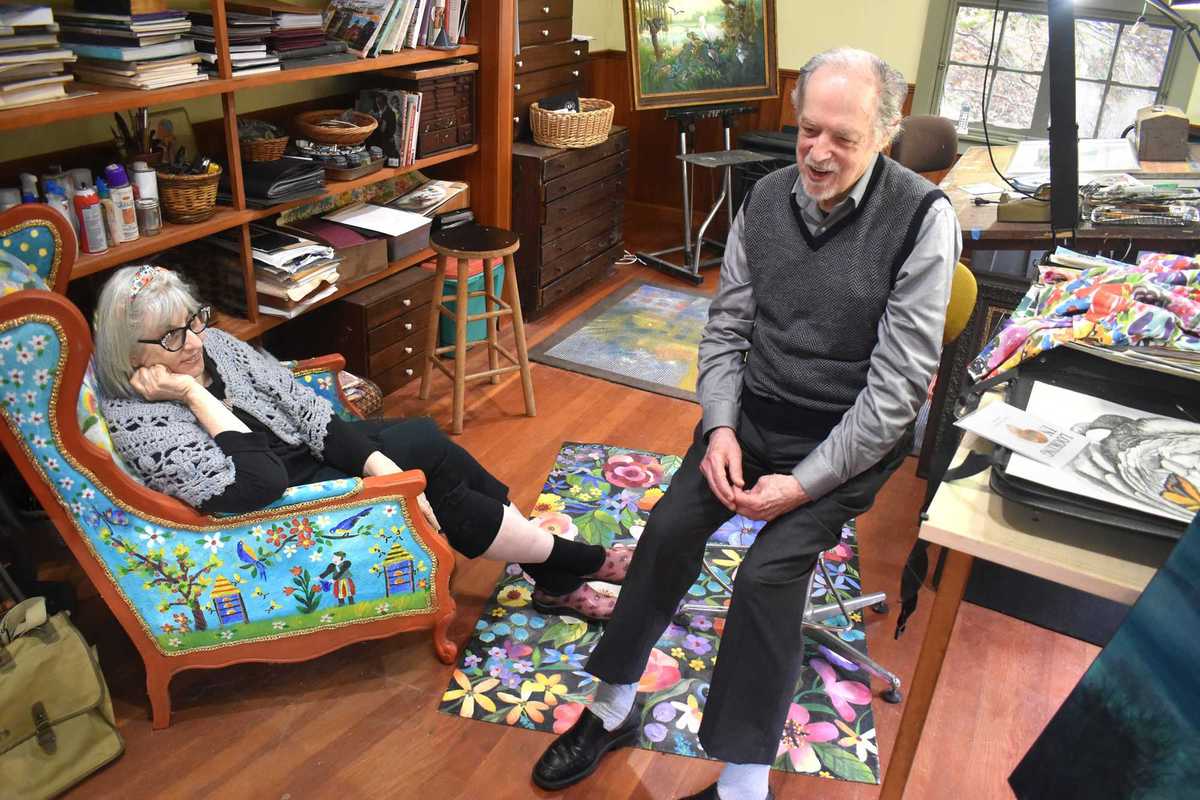
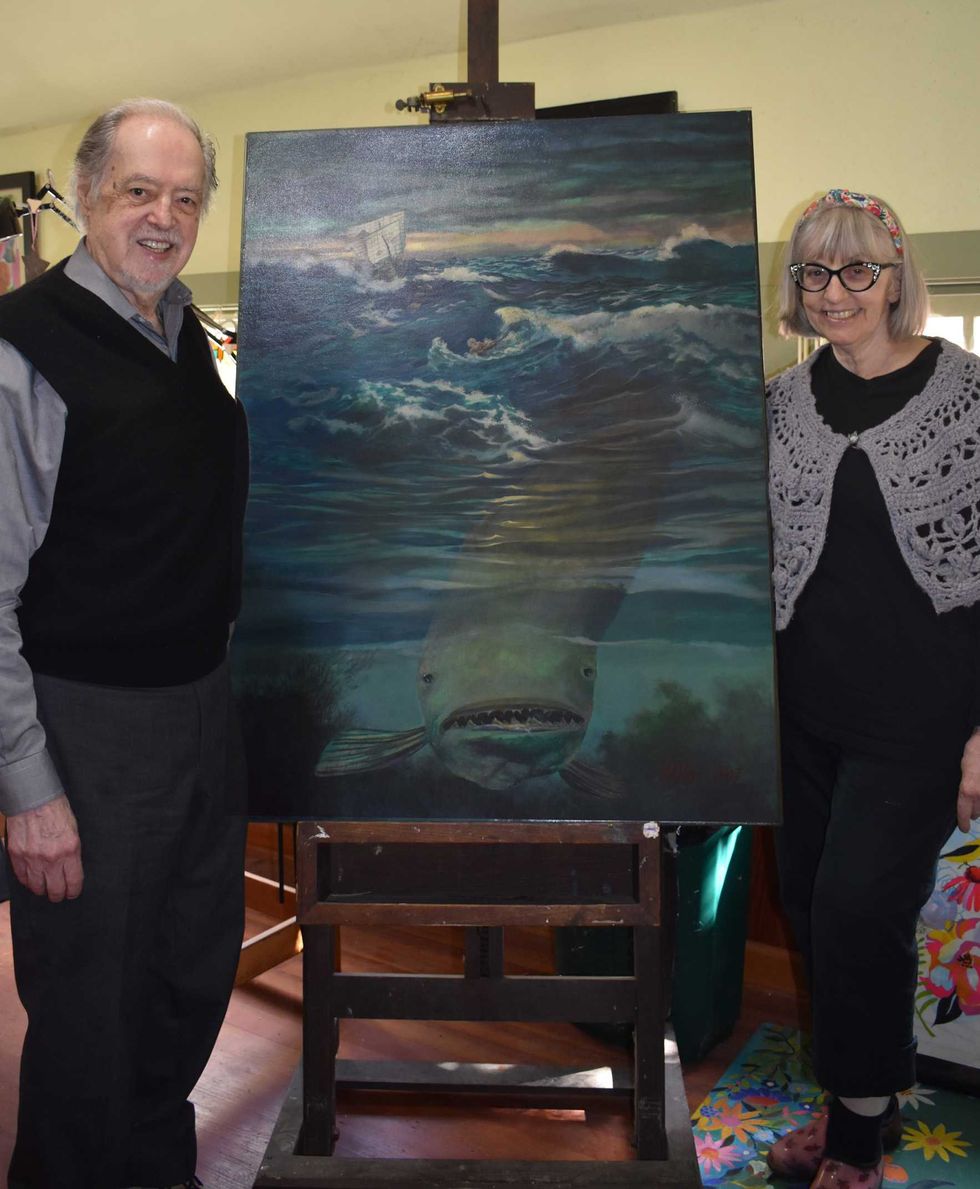 Justine and Victor Valla in their studio with a painting of Victor’s,”Jonah and the Whale.” Robin Roraback


 A ceramic vase by Kathleen Heidemann.Provided
  Joy Brown’s delightful ceramic sculptures.Provided