

Katie still prefers domination to submission, but I no longer mind her rebelliousness. Her growl is only a gargle, her snap is only excitement. And she is working on loving me. I will never send her back.
Physically, Katie is lean and wiry, made of springs and elastic. Agile and acrobatic, she is a prodigious jumper. She stands easily erect, the better to take control. For emphasis she hops up and down. She often takes to the air; aloft is her default. Her aerial spins and twirls suggest that she may be part dolphin, though I haven’t done the DNA test. All this means that I decide to train Katie in Agility: I have visions of her hurtling between the slalom gates to win at Westminster. But to enter Agility she must first graduate from Obedience, so I sign us up at a local kennel.
The first class is dogless. Ten of us gather in a big room where we sit on folding chairs, each of us radiating the private certainty that our own dog is special. The teacher is a small mild woman with handouts. She advises us to get leather leashes, a sweatshirt with a pocket for treats and a harness for walks.
The handouts concern, among other things, raw diet, food training, and no harsh punishments. They are mainly things that I either already believe (no harsh punishments) or that I will never consider (raw diet). We listen in silence. During the class someone’s cellphone goes off. The ring tone is a barking dog, and we all jump, everyone grabbing at our pockets and bags.
The second class is with dogs. We are told to bring treats, and though Katie is mostly indifferent to food I have brought a bag of something the woman at the pet store promised me Katie would love. We all go to individual stations, set at intervals around the room.
Katie and I are between a wild-eyed Aussie and a Chocolate lab puppy. The Aussie is like the CIA, on high alert, watching everything carefully at all times. The Chocolate puppy is like an air horn. He has only one thought, and that is to make the heavens ring. He never stops barking. Not once. It is deafening.
His owner, a tall rangy man in a baseball cap, pays no attention to the continuing salvo.
We ask our dogs to Sit and Stay and Down. Katie is good at Sit and Stay, though wobbly on Down. Sometimes, when I say, “Down,” she slides reluctantly into a prone position, inching her way through the last little bit, snapping her teeth in irritation and holding my eyes with a challenging stare, until her elbows finally meet the floor. And sometimes, when I say “Down” she stands erect on her hind legs and shakes her head hard and fast, to show exactly how she feels about this command, and submission in general.
Regardless of the promises made by the pet store woman, Katie ignores my treats. The Aussie’s owner kindly gives me a hot dog, and I offer bits of this to Katie. She takes them in a provisional way, eating part, then dropping slimy morsels onto the floor. When the teacher comes by I explain why we’re not doing better.
“Katie doesn’t really like food,” I say.
“See if she likes this.” The teacher holds out something which Katie gobbles at once.
“What is it?” I ask.
“Beef heart,” says the teacher.
“Wow,” I say. I didn’t know you could get beef heart outside an abattoir. “Where did you get it?”
“I order it at the supermarket. I boil it for several hours and then I wrap it and freeze it. Then when I want to use it I microwave it and slice it.”
I nod intently, as though I am memorizing this. I will never do any of it.
We do Sit, Stay and Down again. We try a little chaotic leash-walking. The Chocolate puppy responds in the same way to everything. I wonder if his owner is deaf.
At the end of class I wait until the others have left and then ask the teacher about barking. I say I would be so grateful if she could suggest that the other owners to ask their dogs to be quiet. The teacher counters by saying that she lives alone, and she wants her dog to bark if a stranger appears. Sometimes it’s good to have a dog bark, she tells me. Then she says that some owners don’t care that their dogs bark. But the rest of us might care, I say. I say it might be a service to the community, to ask your dog not to bark. The teacher tells me again that some owners don’t mind barking, and with that she ends the conversation.
Katie has greatly enjoyed the class. She loves seeing all the other dogs, and she is eagerly hoping for an off-leash playtime. So far she has not made much progress with commands, but I am hoping that these lessons will somehow be magically absorbed, like a plant growing without you doing anything, and that Katie will become obedient.
COPYRIGHT BY ROXANA ROBINSON
Roxana Robinson is the author of ten books, nine works of fiction and the biography of Georgia O’Keeffe. She lives in Cornwall. www.roxanarobinson.com

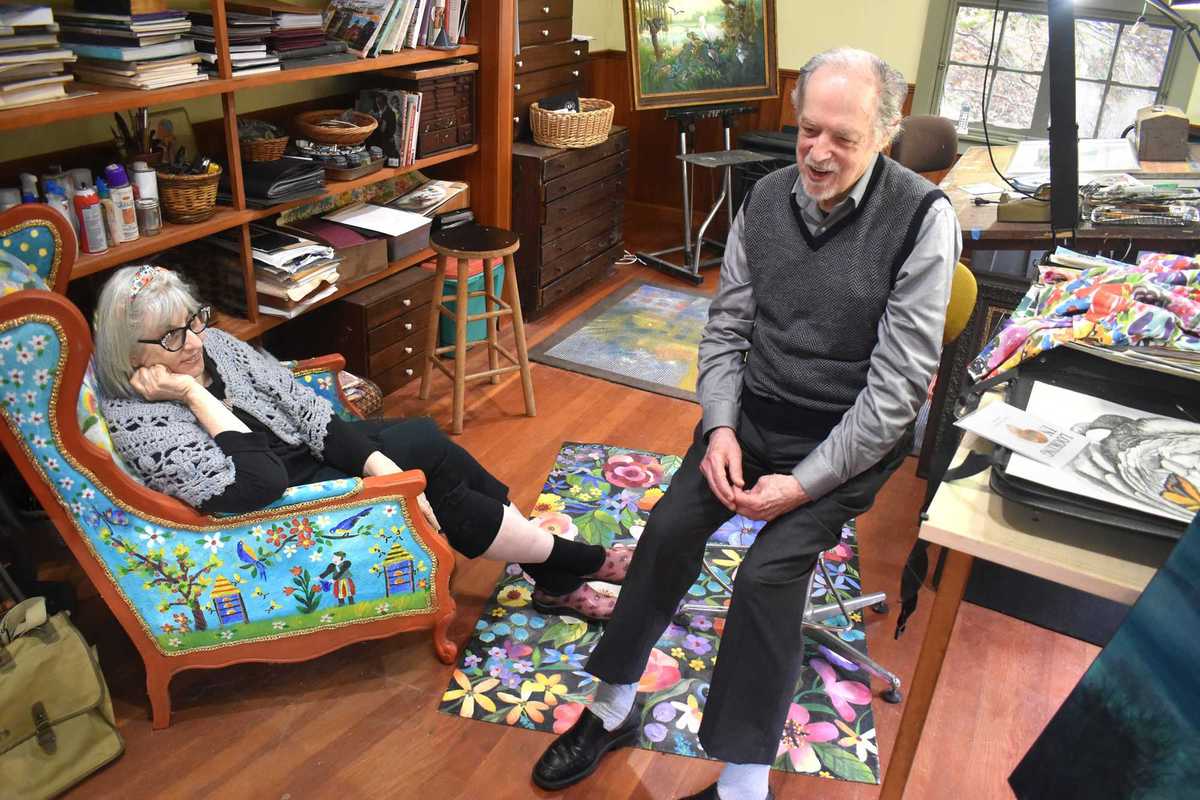
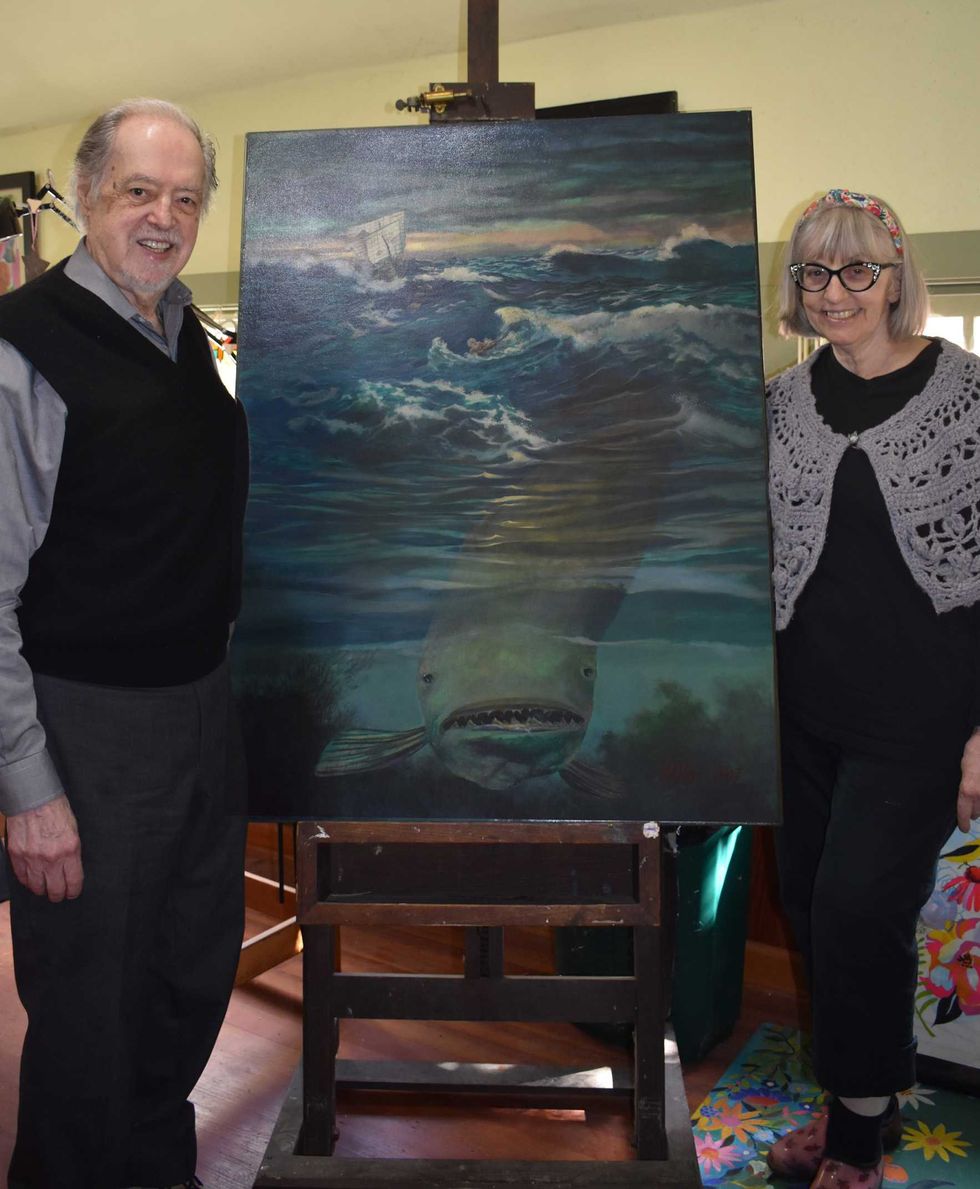 Justine and Victor Valla in their studio with a painting of Victor’s,”Jonah and the Whale.” Robin Roraback

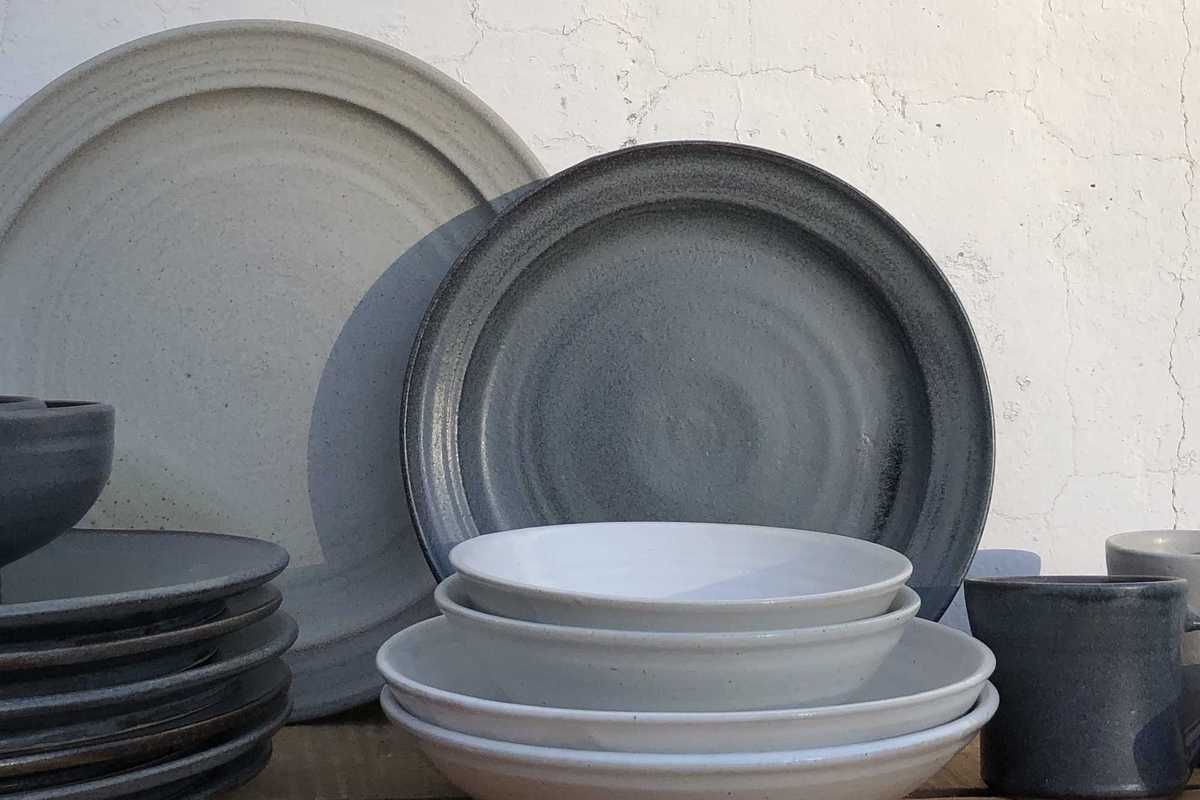
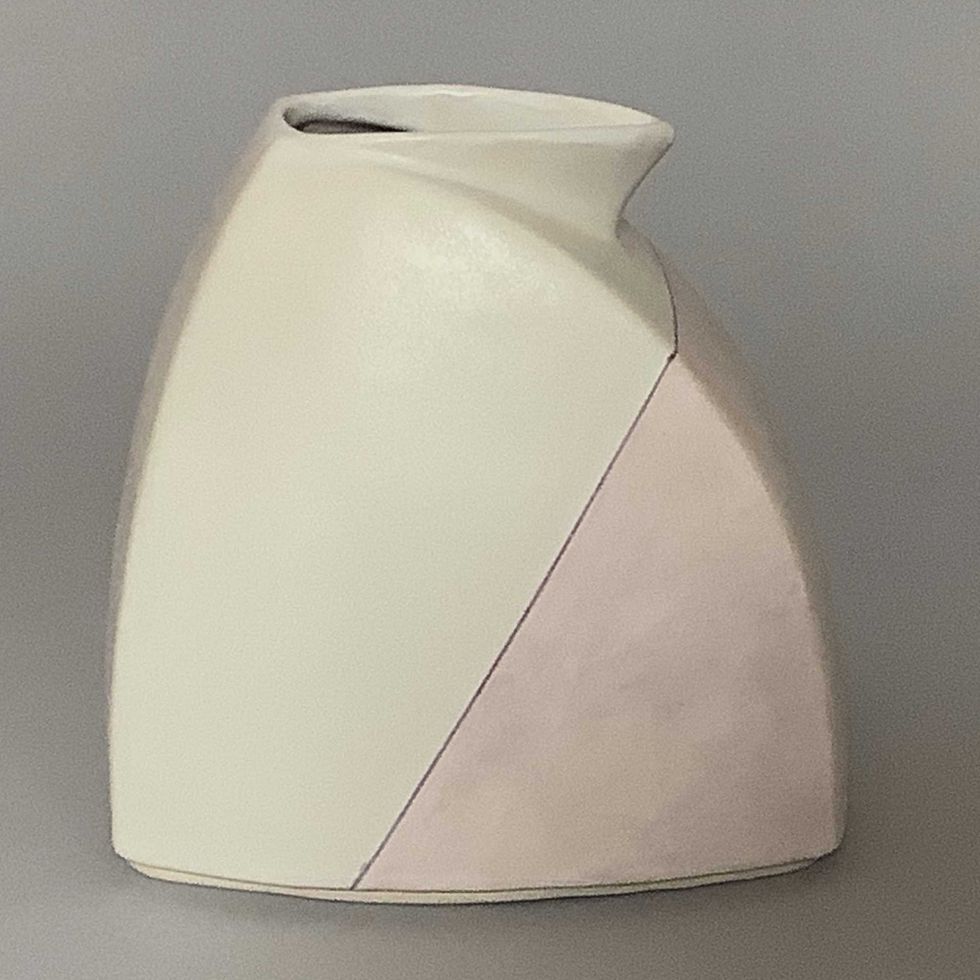 A ceramic vase by Kathleen Heidemann.Provided
 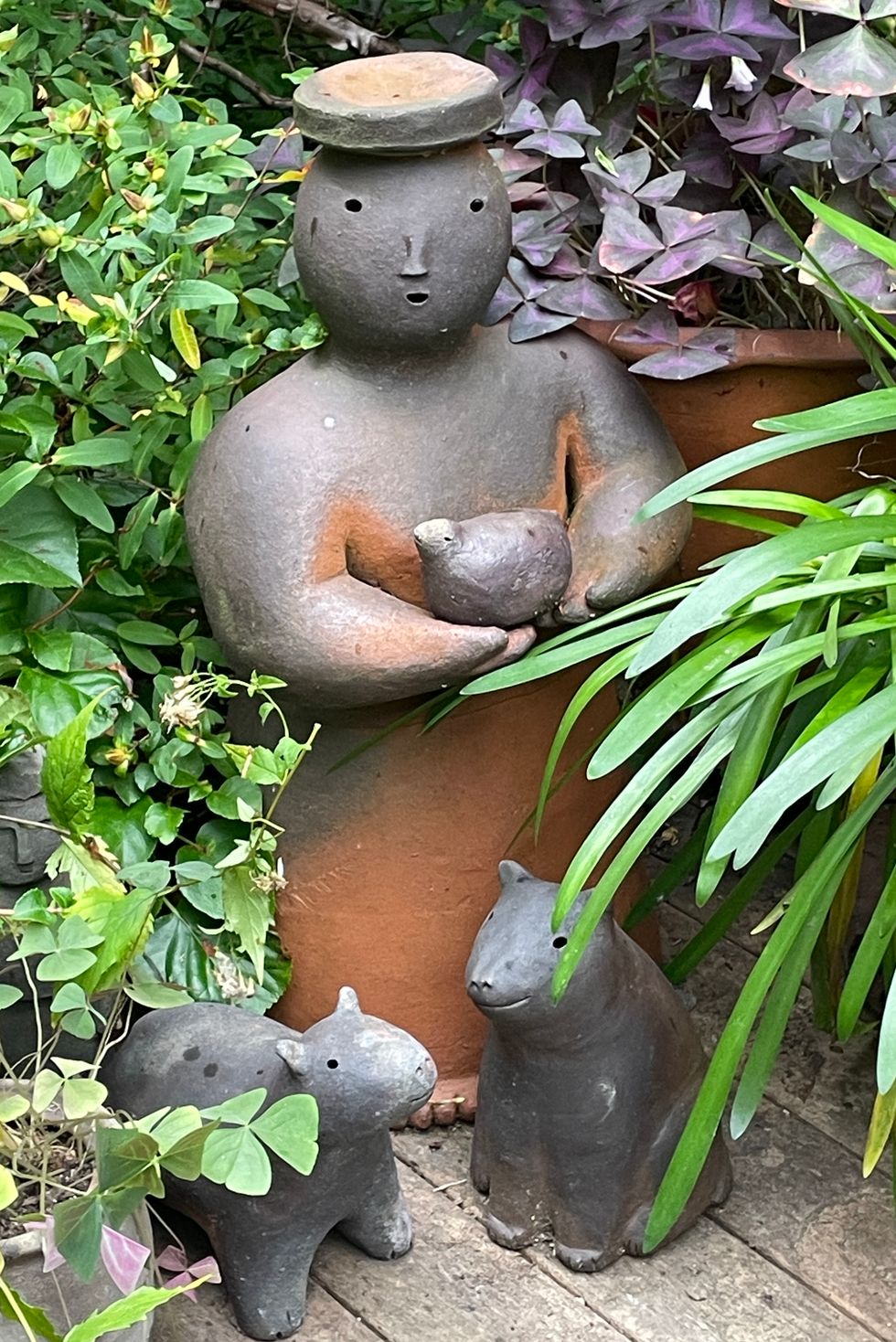 Joy Brown’s delightful ceramic sculptures.Provided
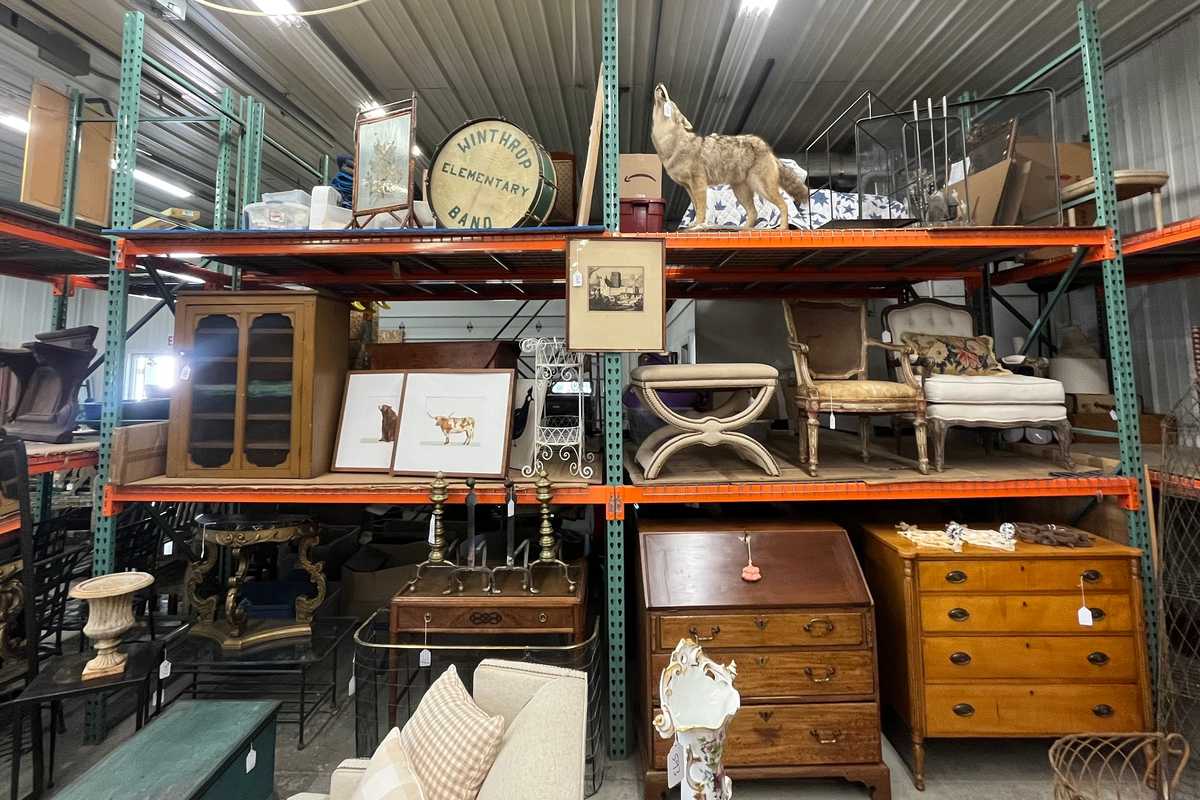
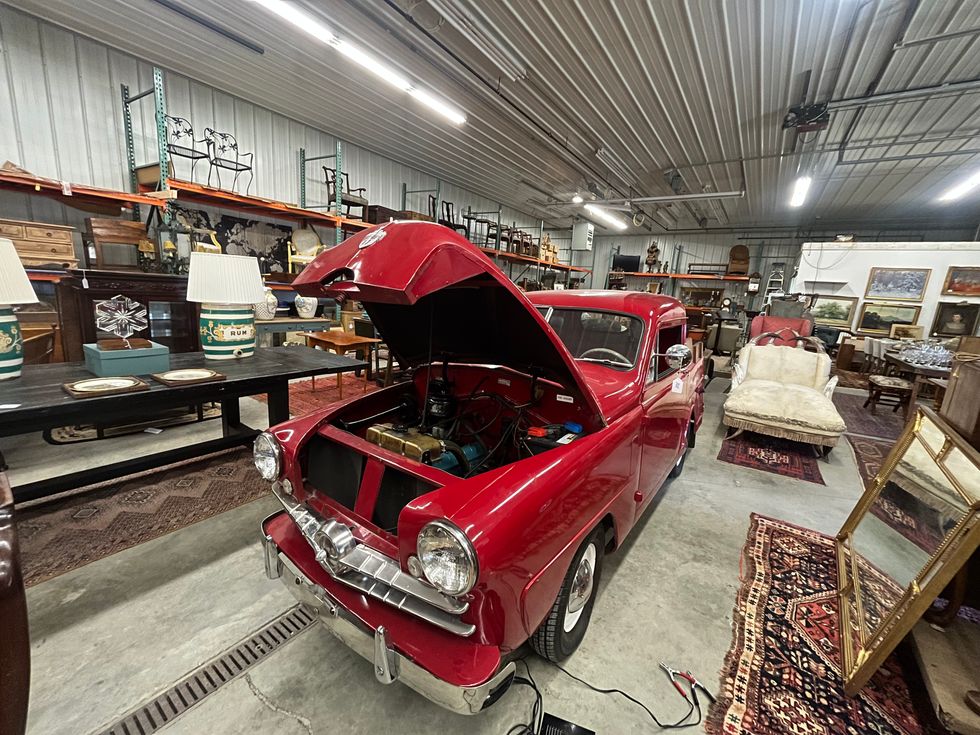 Hundreds of items at Stateline Auctions, including a candy-apple-red Crosley pickup truck.D.H. Callahan



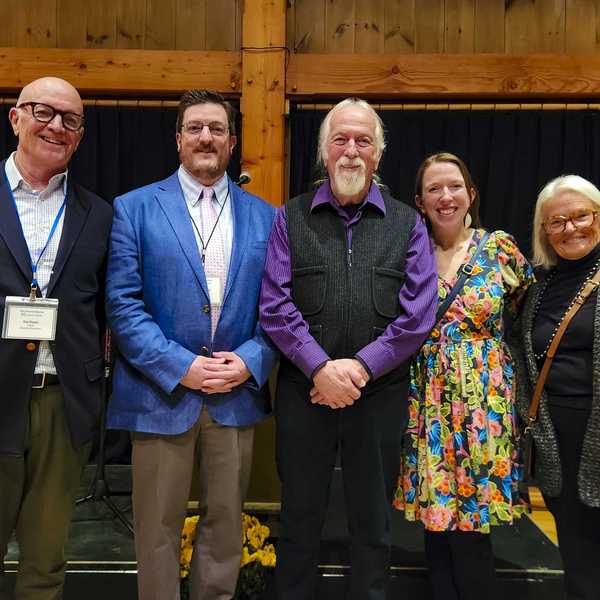
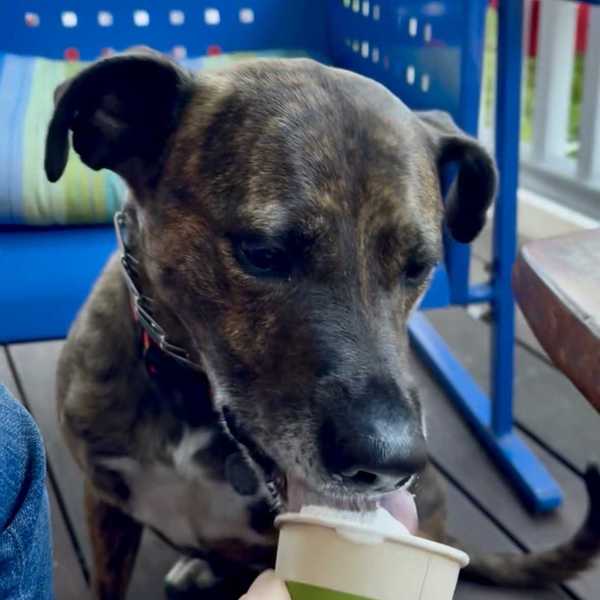
Obedience class
My Dog: Part Five