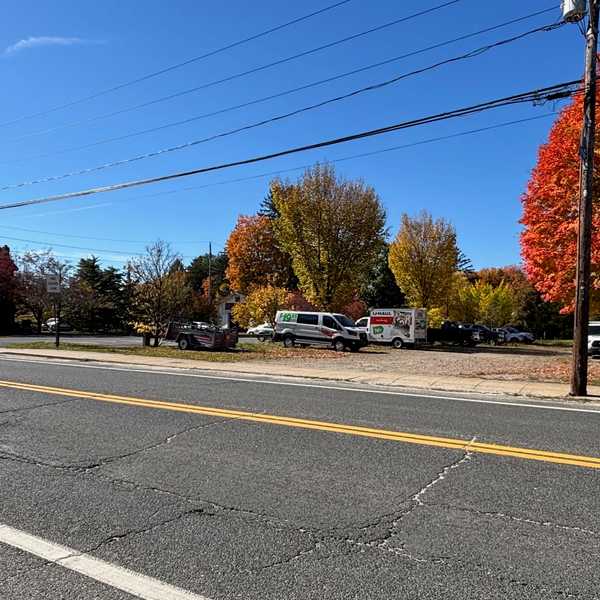
KENT — The plan to develop about 10 units of affordable housing on town land inched forward this week following a lightly attended April 12 public hearing concerning the transfer of 1.16 acres of land from the town to Kent Affordable Housing (KAH).
The hearing gave residents a chance to comment on a conditional approval for the transfer, which would be done at no cost to KAH. The proposal still faces a town meeting vote.
The conditional approval would stipulate that KAH obtain all necessary approvals and that it, or some other agency dedicated to affordable housing, operate the new development. If KAH cannot get the necessary approvals, the land reverts to the town.
First Selectman Marty Lindenmayer gave an overview of the steps taken by the town since the 2022-2027 Housing Plan identified the parcel as an appropriate area for expansion of affordable housing. An assessment by Cardinal Engineering determined the parcel has sufficient water and sewer capacity to support the housing.
The proposal quickly progressed through several levels of review, including a needs assessment, negotiations with Park and Recreation about that agency’s needs, a survey, discussions with the Selectmen, and getting a positive 8-24 review from the Planning and Zoning Commission.
“On Dec. 14, Planning and Zoning reviewed the proposal and determined it met all the requirements of the Plan of Conservation and Development. They sent it back to the Board of Selectmen,” Lindenmayer told the audience at Town Hall, emphasizing “how many times we have discussed this.”
KAH President Justin Potter told his audience that KAH currently owns and manages 37 units of affordable housing—24 at South Commons, adjacent to the proposed site. He said a minimum of 10 units would be developed on the new land, but that there is no intention to “push the envelope” and create greater density than at South Common.
Potter noted the configuration of other facilities in the region, including the tennis courts’ parking lot and Swift Lane. He said these areas would not be affected by construction traffic, with access being through the transfer station or the Public Works site.
He said there is a “tremendous need” for affordable units in the town. KAH currently has 64 households on its wait list, and, on average, it is 37 months before a unit opens up. In response to a question from Selectman Lynn Mellis Worthington about using the additional housing to attract younger families, Potter said it is a matter of getting them to put their names on the wait list for that long.
“South Common was built for young families, but getting them to apply is key,” he said. “We need to let them see a path to a future.”
Another person asked whether, if the town donates the land, it would give priority to Kent residents seeking housing. When governmental funding is used to develop such properties, rentals must be opened to residents of other towns.
There is a different tranche of funding for workforce housing, however, that could be restricted to people working in town. For instance, the Kent Volunteer Fire Department has met with Kent Affordable Housing’s architect to discuss creating affordable housing on its campus.
The properties KAH is considering for this project—the KVFD Ambulance Barn and office space in the back of the firehouse—could be converted for rentals for department members if the state agrees. This could allow KVFD to have a member or two dedicated to responding to alarms through the inducement of lower rents.
Potter was asked about handicap accessibility on the Kent Common site, and he responded that this would be taken into consideration. “We have too many stairs,” he conceded, referring to previous developments.
Assuming the conditional approval is passed at the April 26 town meeting, KAH will bring in an architect to create conceptual plans that would be brought to the town for discussion.

 Pay Bill for Robin Starr’s service in the Continental Army.Courtesy the Alex Breanne Corporation
 John Mills speaking at Quinnipiac University.Courtesy the Alex Breanne Corporation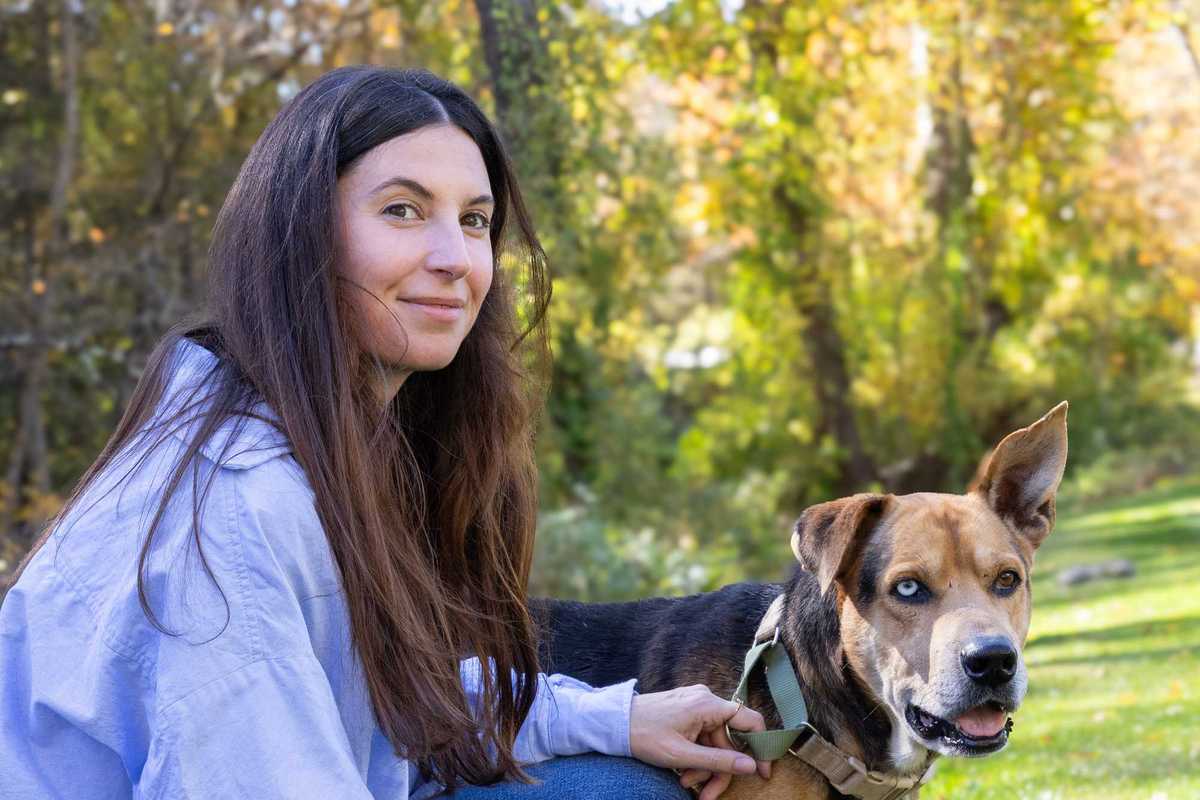
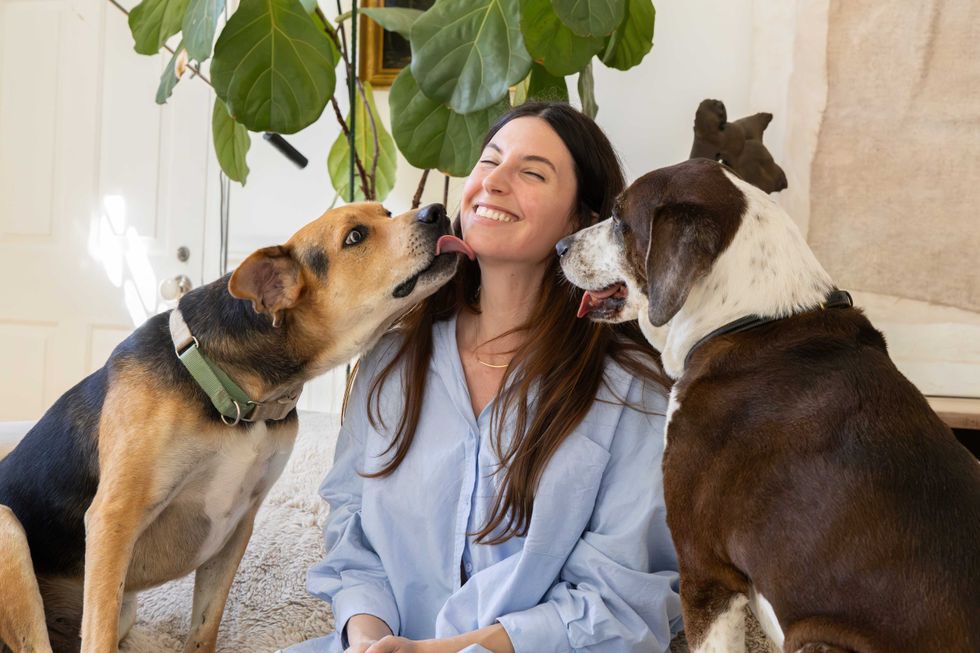 Stephanie Saetta,with her rescue dog George and Blue (left), a shepherd mix awaiting his forever home.Madi Long
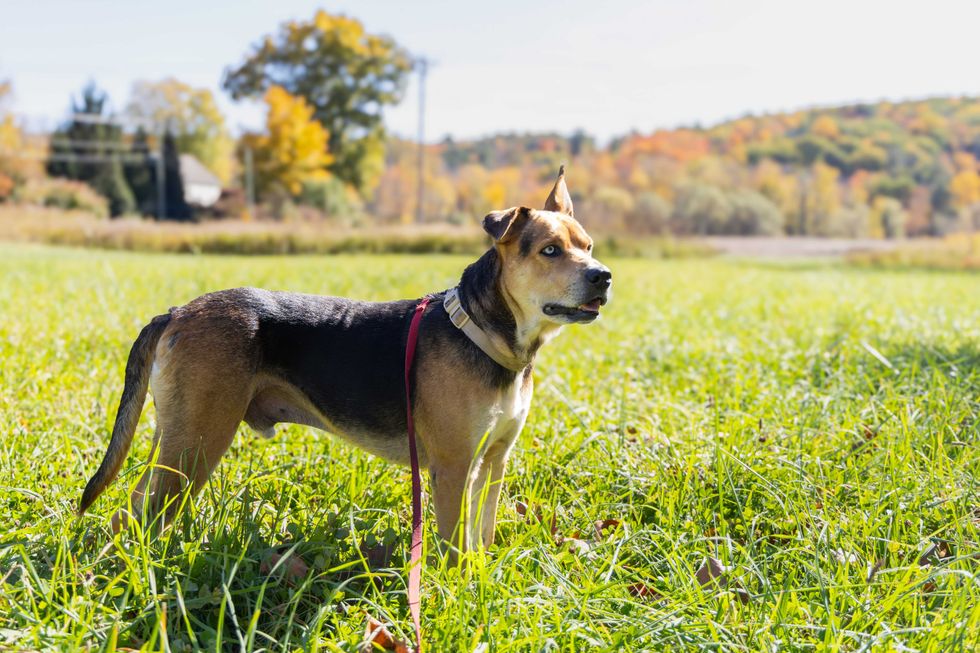 Blue, a 7 year-old Shepard mix, is waiting for his forever home. Madi Long