On Feb. 17, the Columbia University Center on Poverty and Social Policy released a report on the effects of the expiration of the Child Tax Credit, which President Biden had expanded upon entering office. The conclusion is that 3.7 million more children were in poverty in January 2022 as were in December 2021. Go to www.povertycenter.columbia.edu/news-internal/monthly-poverty-january-2022 to see the report.
Knowing the positive outcome of cash payments to families struggling to keep their households going, it’s hard to understand how Congress can justify, to its constituents and its collective conscience, sunsetting the tax credit. But this is where our leaders are now, after having found it in their hearts to support young families of all economic strata during the worst of the COVID pandemic. Biden’s Build Back Better bill would have fixed this, but remains stalled in Congress.
All of us should consider how the changes in programs to support the needs of children will affect families in the Tristate region. As if there weren’t enough challenges for those who are working here, this will only add to their concerns for keeping their households stable.
There has been an uptick in the numbers of children in the schools and new families entering the area, yet those who are based in the local economy have as many problems as ever, if not more, to solve. Some have already been displaced from their housing due to upgrades to rental units that priced them out of places where they often have lived for years. (In the city this is called gentrification. What is it called in the country?) Finding new living accommodations is not a simple task, with a dearth of available rentals or affordable homes throughout the region.
Many of the local businesses that often employ these young parents have struggled through the pandemic, and especially the restaurants are just now starting to reopen with more expanded hours. It seems that more people are finally becoming comfortable dining out. But with inflation and gas prices ballooning, they won’t have much extra cash to put into the local economy for anything but essentials, still.
Another ongoing problem for parents is finding affordable child care so they can work outside the home. During COVID, the child care centers in the region have been deeply challenged to retain both their families and teachers. After all, parents working remotely could find ways to save the cost of outside child care. Now that they are getting back to prepandemic schedules, they may still be looking for alternatives to the professional child care available in each of the Northwest Corner towns.
But in that young children aren’t protected through vaccines and are naturally in close quarters with one another when in group care situations, it is not easy to put aside fears of outbreaks of COVID that affect all involved. Nevertheless, the centers are providing a critical good start for these young students as they are in their important formative stage of learning.
Now is the time to pay attention and support those centers as they are trying to find ways to remain in place to serve children and their adults. And to support those young parents who are facing so many other challenges as we are coming out of the pandemic’s worst times.
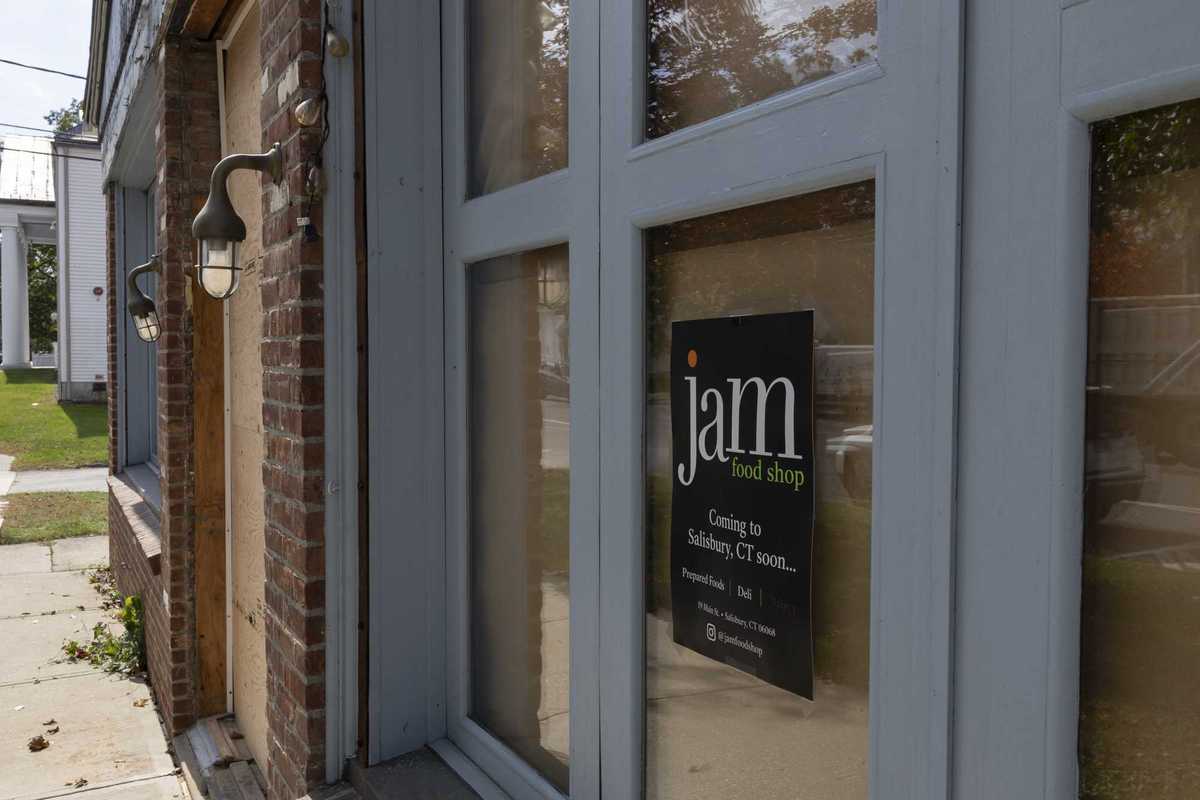


 Tiffany Lemelin, shelter manager, brushing Marsala upon arrival.Provided
 Michael DeBarba, certified dog trainer working with Marsala.Jennifer Almquist
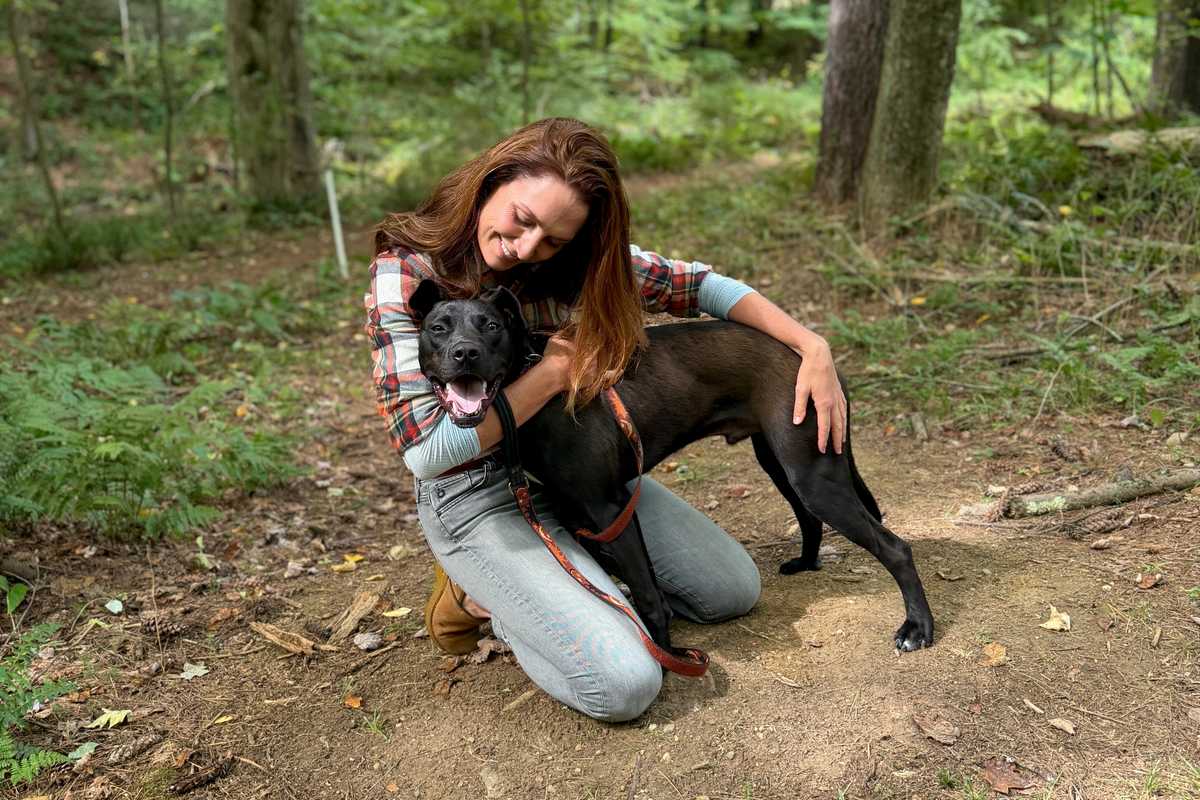 Marsala wins a heart.Jennifer Almquist


 Sadie, center, a Carolina dog, plays with her friend Negra, a terrier mix. Bella Linda, the small poodle, has since been adopted.L. Tomaino
 Wesley, a young, exuberant mix, is looking for an active home.L. Tomaino
 Bonnie and Clyde, an affectionate terrier pair.L. Tomaino


 Provided