My time has come. Unfortunately, it took a global pandemic to make it happen.
Social-distancing, sheltering-in-place, self-quarantine. We now have a name for what apparently has been my lifestyle. I like being at home. I really don’t enjoy traveling. Vacations? Like fresh fish, I’m good for three days.
I’ve never been very touchy-feely. Was always uncomfortable being coaxed into hugging my old aunts (Do I smell like that now?).
Frankly, wasn’t into high-fiving. Never went in for the hug, definitely not the bro-hug. The fist bump? No. The elbow bump? I don’t think so. Forget the jazz hands. Who am I, Al Jolson?
Sure, in the past, I was shamed into kissing my wife’s French family on both cheeks. But that was rewarded with plenty of champagne.
Why am I like this? Is it because I never had a stuffed animal as a child?
For years, my parents maintained that was not true. But a photo with me and a plush companion? Never saw one.
People have suggested that maybe I should “see someone.” But why should I pay for something that I already know? I’ve always set limits on my personal space and I’m OK with it. Ironically, I’ve been accused of being a “close talker.” The exception that proves the rule? Maybe.
Some would say that I’m not in touch with my feelings. But why do I cry when it looks like Shadow is not going to make it in “Homeward Bound: The Incredible Journey”? And when he comes limping over that hill … I need to wipe off my keyboard just thinking about it.
I’m not a germophobe. I’m not anti-social. I shake hands during non-pandemic times. I’m just not into hugging.
The Zoom cocktail party. Now there’s a concept I can get behind. You’re not physically there and you can walk away at any time.
And no hugging on the way out.
M. A. Duca is a resident of Twin Lakes narrowly focused on everyday life.

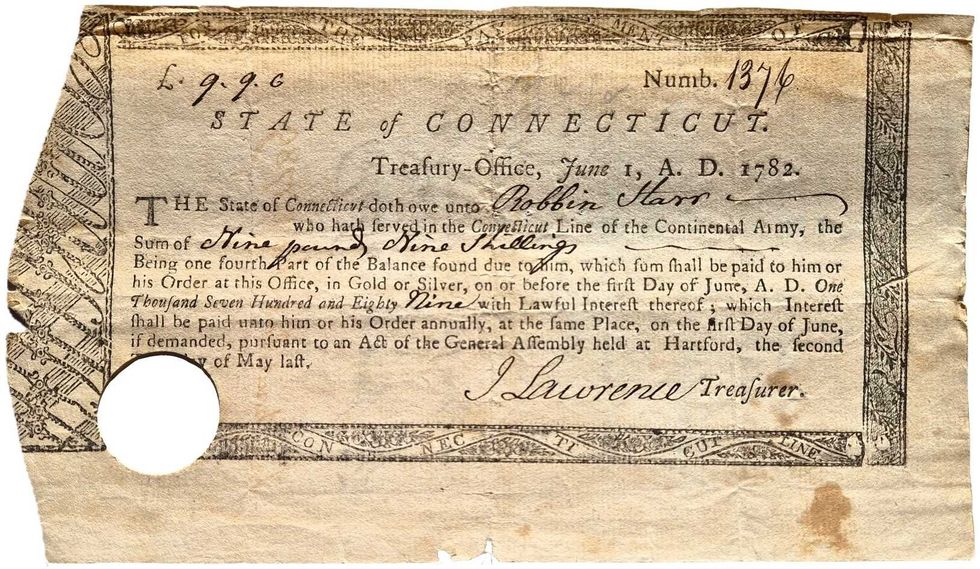 Pay Bill for Robin Starr’s service in the Continental Army.Courtesy the Alex Breanne Corporation
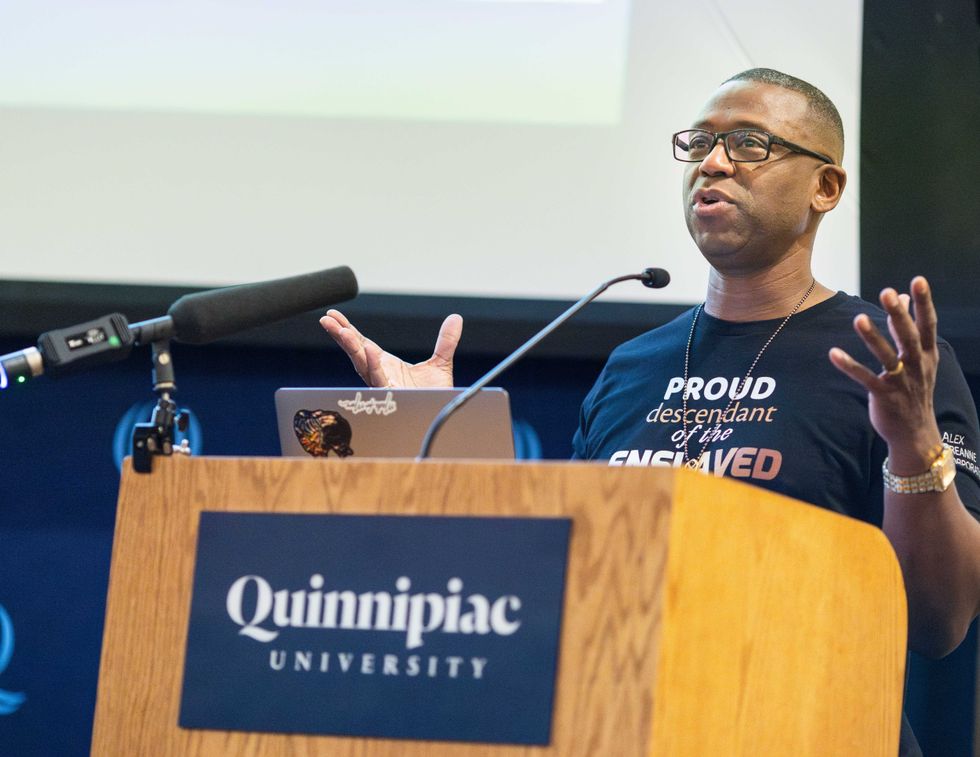 John Mills speaking at Quinnipiac University.Courtesy the Alex Breanne Corporation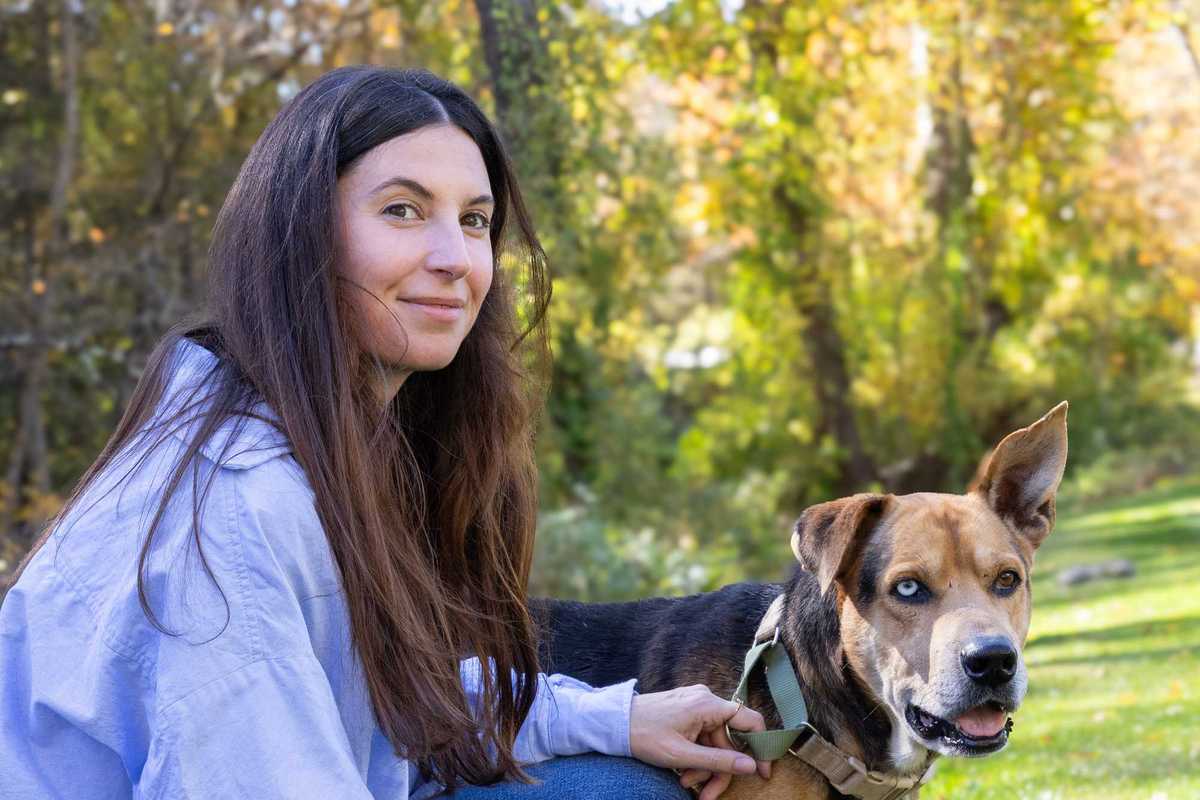
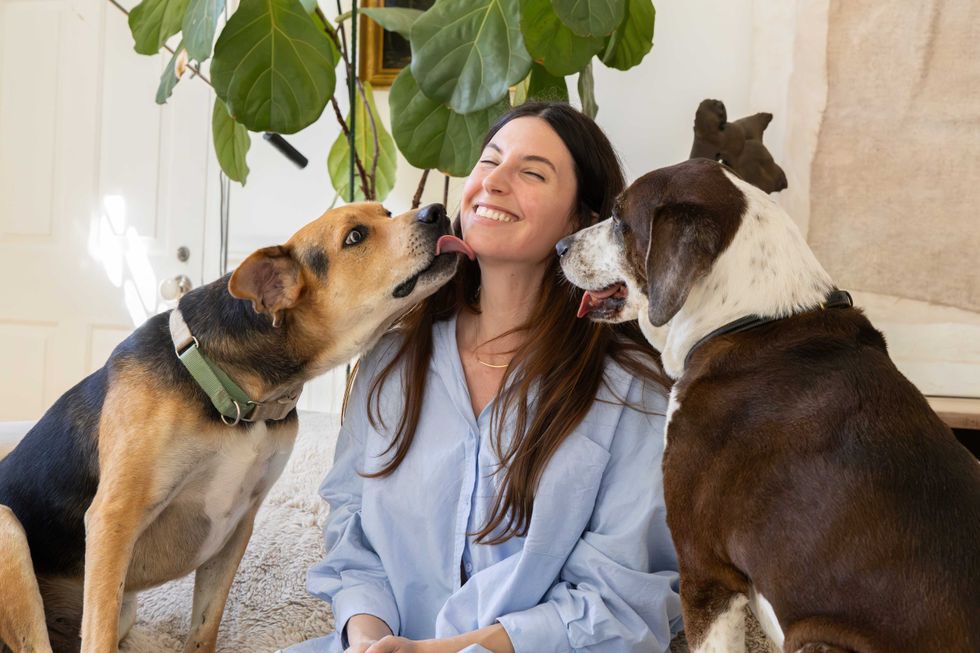 Stephanie Saetta,with her rescue dog George and Blue (left), a shepherd mix awaiting his forever home.Madi Long
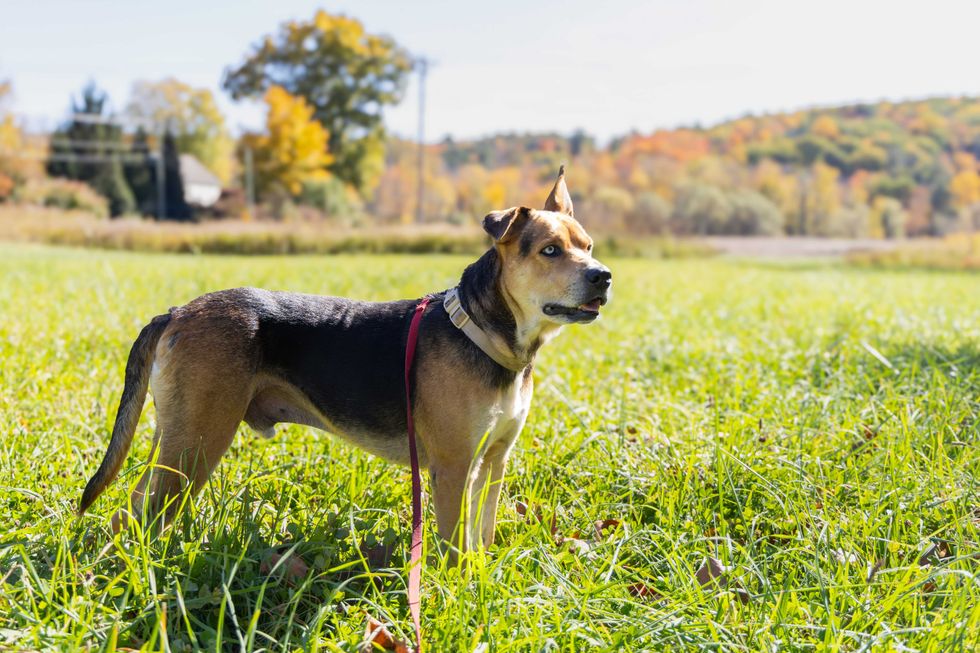 Blue, a 7 year-old Shepard mix, is waiting for his forever home. Madi Long