WASSAIC — The Lantern Inn is a bit of an anomaly in the surrounding area, a quiet dive bar not on many people’s radar. In the Harlem Valley, the majority of establishments serving drinks are restaurants or veterans organizations like the American Legion or the VFW.The Lantern Inn is a bit of a forgotten business, tucked away in the sleepy hamlet of Wassaic. But in the past few years, there’s been some outside buzz building from The Wassaic Project, an arts initiative that includes festivals and artist residences centered around the Maxon Mills grain building and the old Luther Auction Barn.The Wassaic project, entering into its fourth year, has evolved from a once-a-year arts festival to what the organizers hope will become a year-round venture that could bring positive attention to the hamlet.“We think this town is very unique and special,” explained Jeff Barnett-Winsby, one of the codirectors of The Wassaic Project. “The more time you spend here, the more it feels like home.” If the arts festival is the organizers’ start of a new beginning for Wassaic, The Lantern Inn is the next step. Tony Zunino and Richard Berry, owners of several buildings in downtown Wassaic, including the Maxon Mills and Luther Auction Barn, purchased The Lantern Inn building nearly six months ago. Soon after they purchased The Lantern Inn business, Barnett-Winsby was made manager.Zunino and Barnett-Winsby appeared at a recent Amenia Planning Board meeting with proposed renovations to the exterior of the building, including fixing the siding, installing new windows that fit more into the original architecture of the building and building a front porch that, according to old photographs, ran along the front of the building and stuck out right to the edge of the sidewalk. Barnett-Winsby, 31, originally hails from Kansas. He is connected to The Wassaic Project originally through his girlfriend, Bowie Zunino, another co-director and Tony Zunino’s daughter. While he said that The Lantern Inn was not officially connected to The Wassaic Project, he was quick to point out that being a part of both entities, as well as operating in such close proximity, “the line is definitely blurry.” “The Lantern Inn is in service to hopefully help the town grow,” he explained. “That’s what the goal is here, and that’s also what The Wassaic Project is about.”What Barnett-Winsby stressed is that the intention is not to reinvent The Lantern Inn.“The goal is to save the building,” he said, “and bring it back to its original look, as much as we can. I think we can get pretty close.”The Lantern Inn, at least in recent memory, is probably most well known for its pool league. Cars fill the downtown streets of Wassaic every Wednesday, when pool players crowd around The Lantern Inn’s four tables. Pool trophies are abundant throughout the bar.But most nights are quiet, and Barnett-Winsby said the bar’s odd hours were often frustrating.“We all thought it was this great place,” he said, “but most nights it was closed by 7 p.m. Anytime we’d want to head over there, it wouldn’t be open.”The bar now has “guaranteed” hours of 3 to 10 p.m., Wednesday through Saturday, but Barnett-Winsby said the business’ resident bartender (and only employee) is known to stay late if there are patrons, especially on Wednesdays.“Gary has been a godsend,” he said. “He really made this transition possible.”Down the road, the goal is also to renovate the second and third floors of the building, which could become apartments.Zunino produced historic photographs at the Amenia Planning Board meeting on Feb. 24 to show the inspiriation for the renovations. The board is expected to approve the siding and window changes, while the porch could require an area variance as well as approval from Dutchess County Planning and Development, because the change is less than 500 feet from a county road, according to Attorney to the Town Michael Hayes.“There’s really no place to stop in the hamlet right now,” Zunino said, adding that the ideas was to eventually start serving food, not as a full-blown restaurant but a place for coffee and sandwiches.“Simple but delicious,” Barnett-Winsby elaborated, saying that once the exterior repairs were completed, work would probably begin on the kitchen area.“You know, I’ve heard all sorts of rumors about what we have planned for The Lantern Inn. I heard that it was going to become a martini bar,” he said, shaking his head.What is really planned, he explained, is to make The Lantern Inn into a community hub, a place where people can go for coffee in the morning, a quick bite to eat at lunch and a drink to wind down in the evening, all at prices that won’t break the bank. A beer won’t run you more than $3 at the bar, even less if you show up for the “2 for 1 Happy Hour” from 4 to 7 p.m. on Fridays.“It’s the type of place where people can go and chat,” he said. “Hopefully The Lantern Inn will be a place that the community feels they have some ownership of.”Still, there’s a long way to go before The Lantern Inn can be called a successful business. Barnett-Winsby said there are many $100 nights, and probably that will continue at least until the weather warms up and The Wassaic Project starts bringing outsiders down into the hamlet once again.“It’s just a matter of letting people know we’re out there,” Barnett-Winsby said. The big pool room is ideal for bands, he said, which could be one of the bigger changes, but the new manager of The Lantern Inn is confident that the business is a hidden gem.“The way we view it, everybody’s welcome here,” he added. “We’re not trying to alienate either new or old, and I think the combination of different people will give the inn a unique feel.“I think the revitalization of an area comes from people getting excited about projects. That kind of community growth comes from a central location,” Barnett-Winsby said. “We like The Lantern Inn the way it already is.”
Latest News



Want more of our stories on Google? Click here to make us a Preferred Source.


Marsala is eager to go home with you.
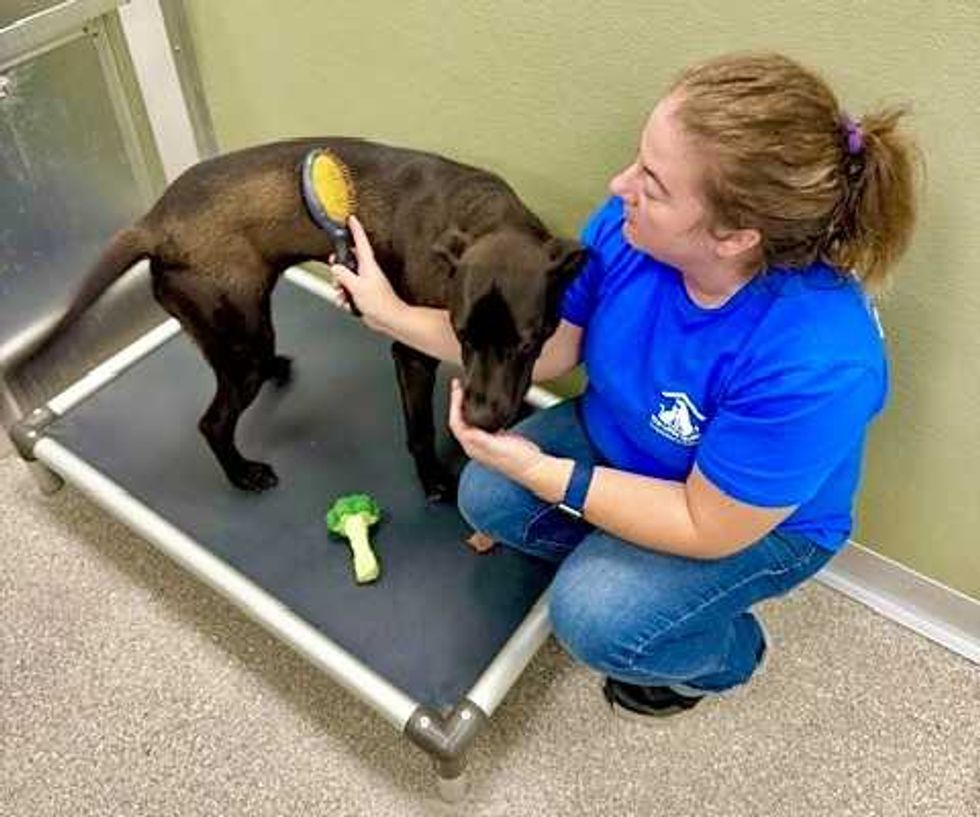 Tiffany Lemelin, shelter manager, brushing Marsala upon arrival.Provided
The Little Guild is an animal shelter at 285 Sharon-Goshen Turnpike in West Cornwall. Founded in 1957, the organization rescues animals from local surrenders and under-resourced shelters. When a rescue animal arrives at The Little Guild, staff begins a careful intake and transition process to ensure the animal is safe, healthy and ready for adoption.
New arrivals are quarantined in-house. Vaccinations are verified as up to date, and staff assesses each animal’s medical, behavioral and placement needs. Rescues receive medical care, daily support and behavioral training to ease shelter stress. Once a dog has finished quarantine and is ready for a home, its profile is published at littleguild.org.
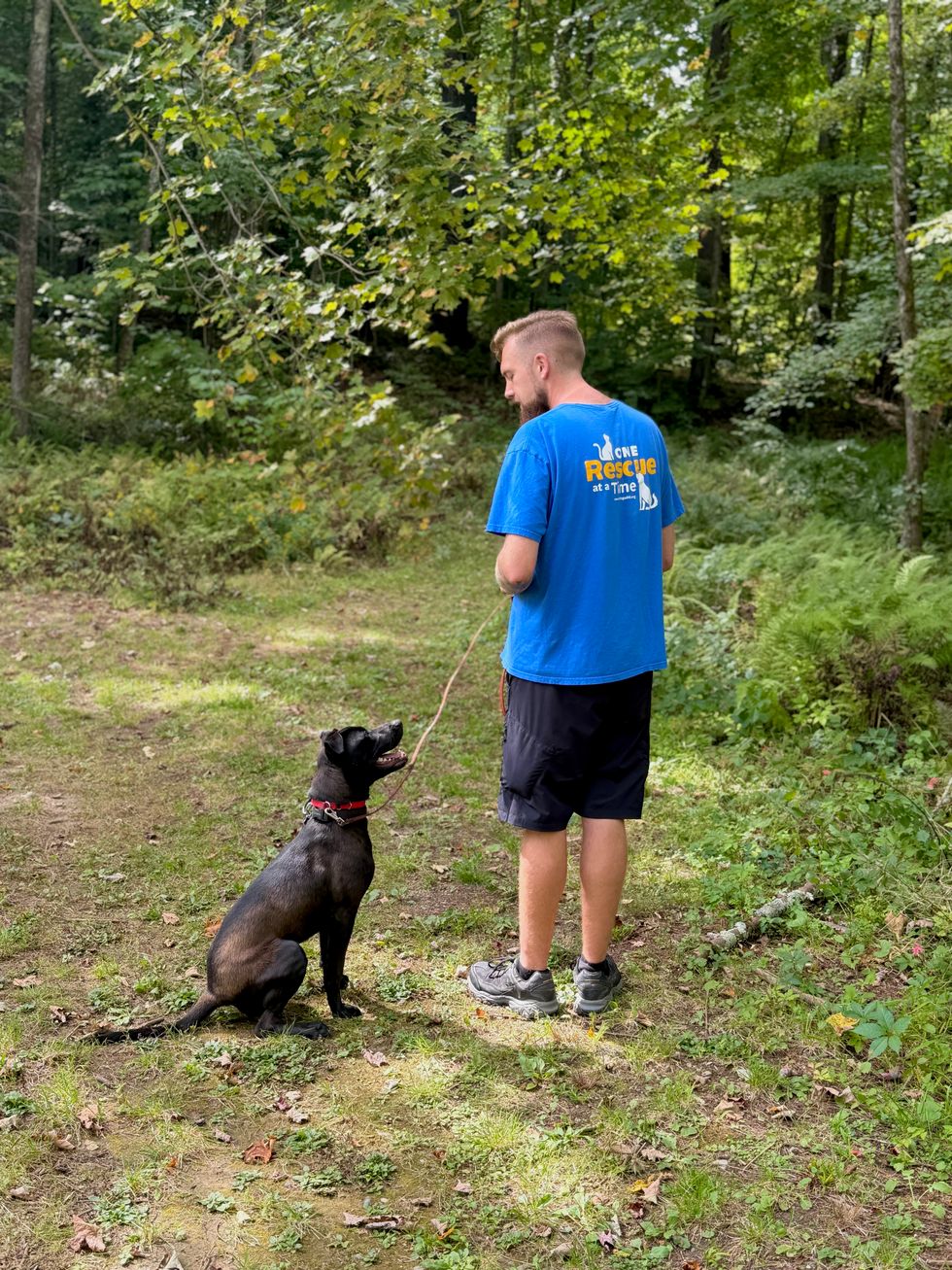 Michael DeBarba, certified dog trainer working with Marsala.Jennifer Almquist
Prospective adopters fill out an online application with information about their household and veterinary and personal references.
The next step is for the prospective adopter and family members to meet the dog. If there is already a dog in the household, a meet-and-greet is scheduled so the dogs can get acquainted.
The animal care staff offers guidance based on its knowledge of each animal’s personality, needs and quirks to help families find the best fit.
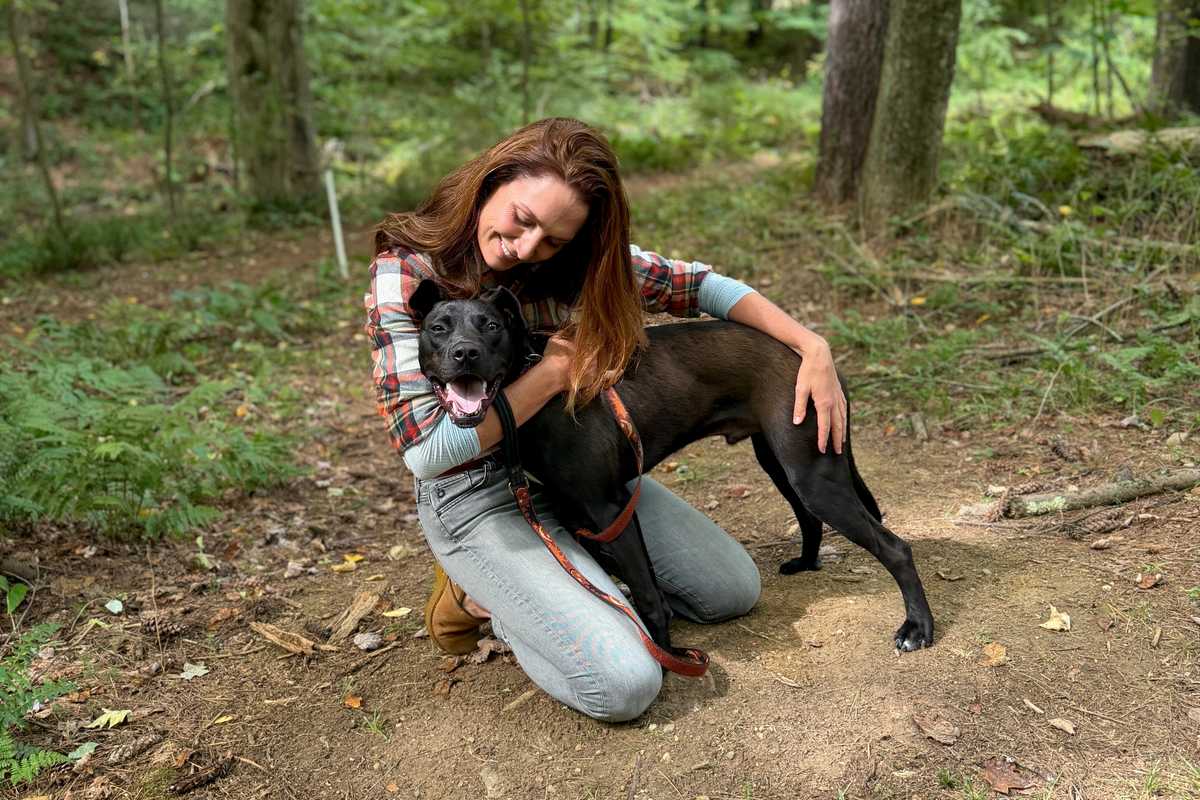 Marsala wins a heart.Jennifer Almquist
Once a match is made, the adoption contract outlines aftercare. Adopters agree to return the animal to The Little Guild if the adoption doesn’t work out. The organization’s commitment continues after adoption, with six months of free training and follow-up from staff to answer questions or address concerns.
“Please don’t pass Marsala by,” Lemelin said. “He loves people and other dogs. He’s a lap dog who lives for snuggles, cuddles and face kisses. Marsala deserves a family, a soft bed and a lifetime of being chosen.”
To find out about Marsala and other rescue dogs and cats, visit littleguild.org
Want more of our stories on Google? Click here to make us a Preferred Source.