Reassessment of Pope Property development needed
We write as a group of concerned citizens regarding the current plans for development of the Pope Property in the heart of Salisbury Village, which is a pastoral, green-field site, bordered by wetlands.
The Pope Project as currently conceived and shown on the Town of Salisbury website proposes the construction of a cluster of high-density affordable housing, consisting of 64 units in 23 multi-family houses to be built adjacent to the Rail Trail, which now serves as a natural preserve running through the Village. The majority of the units would be located within the area that is designated as the Salisbury Village Historic District. In addition to the construction of the housing complex, the current plans also call for construction of expansive recreational facilities along Salmon Kill Road, including a parking lot with overhead lighting for nearly 100 vehicles (this is in addition to the new paved road, parking spaces, and overhead lighting that would be incorporated within the housing development along the Rail Trail).
We recognize that the need to expand access to affordable housing in Salisbury, in its many different forms, is a high priority, and we appreciate that the Town is addressing this need. We believe, however, that this important goal can be achieved in a manner that is more in keeping with the objectives of preserving the historic center and fundamental characteristics of Salisbury as a small New England village, and with more sensitivity to the natural setting that many of its residents deeply cherish.
The Pope Project because of its scale of construction and its location within the Historic District along the Rail Trail raises a host of challenging issues that have not yet been adequately addressed. These include the need for further study of environmental preservation, traffic safety and access, architectural design, and demands on existing infrastructure.
In particular, the scale of the project, with its multi-unit, three story buildings, would result in the creation of a suburban subdivision within the Village that is disproportionately large compared to the existing homes built over the past 200 years. The long-term construction of a new village within the historic Village would also have a major impact on traffic congestion along Salmon Kill, the narrow road running into Main Street. Further, the plan will irreparably diminish and disrupt the natural setting and views along the Rail Trail, a distinctive and shared experience of outdoor life in Salisbury. There are also very significant demands on Village infrastructure and funding implications to these plans that clearly need to be worked through and fully presented to Salisbury Town taxpayers.
In sum, the fundamental and ongoing effects that this proposed plan will have on Salisbury need to be brought into better focus and with more opportunity for constructive input by the wider community in critical planning. The types of modifications that would make the Pope Project more sustainable and start to build a community consensus include (1) a greenway belt along the Rail Trail and the setback of the new buildings so that they are not situated within the Village Historic District only a few yards from the Rail Trail, (2) implementing more environmentally sensitive architectural plans and natural landscaping as opposed to the large subdivision with rows of houses currently envisioned, (3) minimizing the nighttime light pollution from the oversized parking lot, and (4) providing alternate access to the development to relieve congestion on Salmon Kill Road without impacting the Rail Trail as it currently exists.
It is increasingly imperative that the residents and taxpayers of Salisbury take the initiative on these issues and certainly be included in the conversation now and going forward so that the Pope Property can be developed in a way that contributes to and enhances the entire Salisbury community.
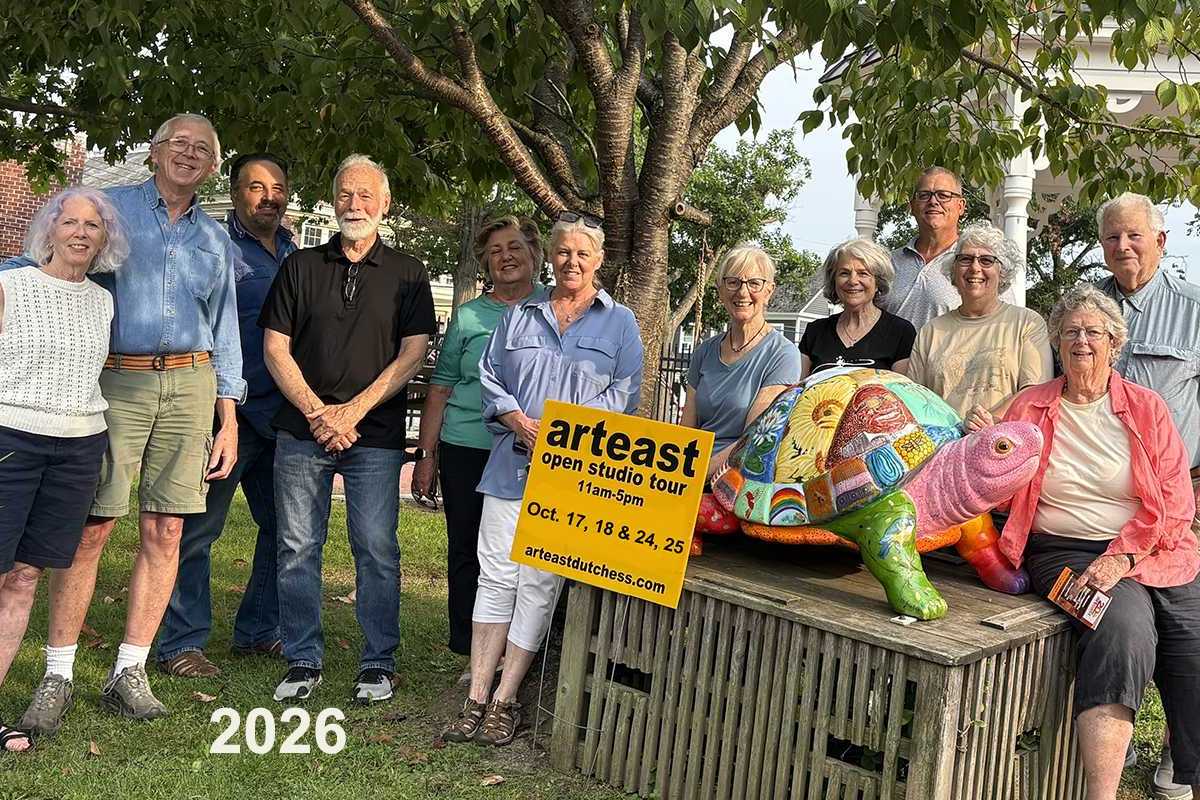
Aidan Cassidy & Charles Teti
Robin Chandler
George & Lorraine Faison
Peter Fitting
Lisa & Tim Foster
Gail Gregg & Dan Schreier
Lisa & Tim Hoage
Leena & Loch Johnson
Duncan Maginnis & Ogden Starr
Deborah & Jonathan Newcomb
Mary OBrien
Hilary Peck & Robert Sidorsky
Lester & Wayne Riley
Ann Sartori
Tom Shachtman & Harriet Shelare
Tom Tiedemann
Jim & Katie Wood
Salisbury
Getting a handle on the immigration crisis
The country’s southern border has become a sieve. In fact it no longer exists according to a border’s definition. Fact: In December alone a historic record of 300,000 crashers entered this country. Who are they? They are euphemistically refered to as “economic migrants.” Things have produced such a chaotic situation that a teeming crisis has been happening. These unlawful arrivals have put a strain on the country’s housing, medical facilities, education, and social services.
The present administration has not only been in denial of the problem but has unbelievably abetted it. Its stance has underminded respect for the rule of law. The open border agenda (nothing to see here) has angered and threatened many by way of fentanyl smuggling.
What has Congress done? The House of Representatives last year passed H.R.2 —Secure the Border Act.
1. This bill prohibits Department of Homeland Security from processing the entry of non-natives between ports of entry.
2. It authorizes the non-natives seeking asylum to stay in a third country (wait in Mexico) until the asylum claim is processed.
3. It strengthens border patrol through grants to law enforcement.
4. Establishes an electronic employment eligibility service like (E-verify), and 5. to build a wall along the U.S./Mexico border.
Recent polls have determined that immigration has replaced the economy as the country’s greatest concern. The seriousness of the matter is emphasized due to the looming impeachment of DHS head Mayorkas.
The Secure the Border Act passed the House in May 2023 (without any Connecticut votes ). It is just the right antidote to get a handle on this immigration crisis.
Joe Agli
Kent
Steps to take to thwart slide to fascism
In this season it’s easy to wish everyone we meet with “Happy New Year.” The happiest 2024 we can imagine is one where the slipping toward fascism is crushed at the polls next November. Living in the blue hue of Connecticut, what can we do to help make this happen?
Of course, support local and state progressive candidates and financially support important causes. More than ever, however, I believe we must focus our giving. One way to make sure our dollars do the most good is to support advocates who are working to put abortion and women’s health on the November ballot in their states.
It’s proven by last November’s elections, that states that put women’s right to choose ballot initiatives on the ballot drew a huge turnout of women, young voters and all who support a woman’s right to choose. This is a huge “winner” for progressives. If supporters of this singular issue come out to vote, down goes the fascist cabal.
PBS.org and other national news outlets have a list of states where advocates are organizing ballot initiatives. It takes a lot of money to work up ballot initiatives. My wife and I chose a state where our daughter and son-in-law live and sent money to Arizona for Abortion Access.
We encourage ‘the kids’ to join the petitioning and organizing. Go to pbs.org or nbc.com and search the topic. Pick a state. Send money. Get to work. Happy New Year.
Dick Sears
Cornwall Bridge

 Pay Bill for Robin Starr’s service in the Continental Army.Courtesy the Alex Breanne Corporation
 John Mills speaking at Quinnipiac University.Courtesy the Alex Breanne Corporation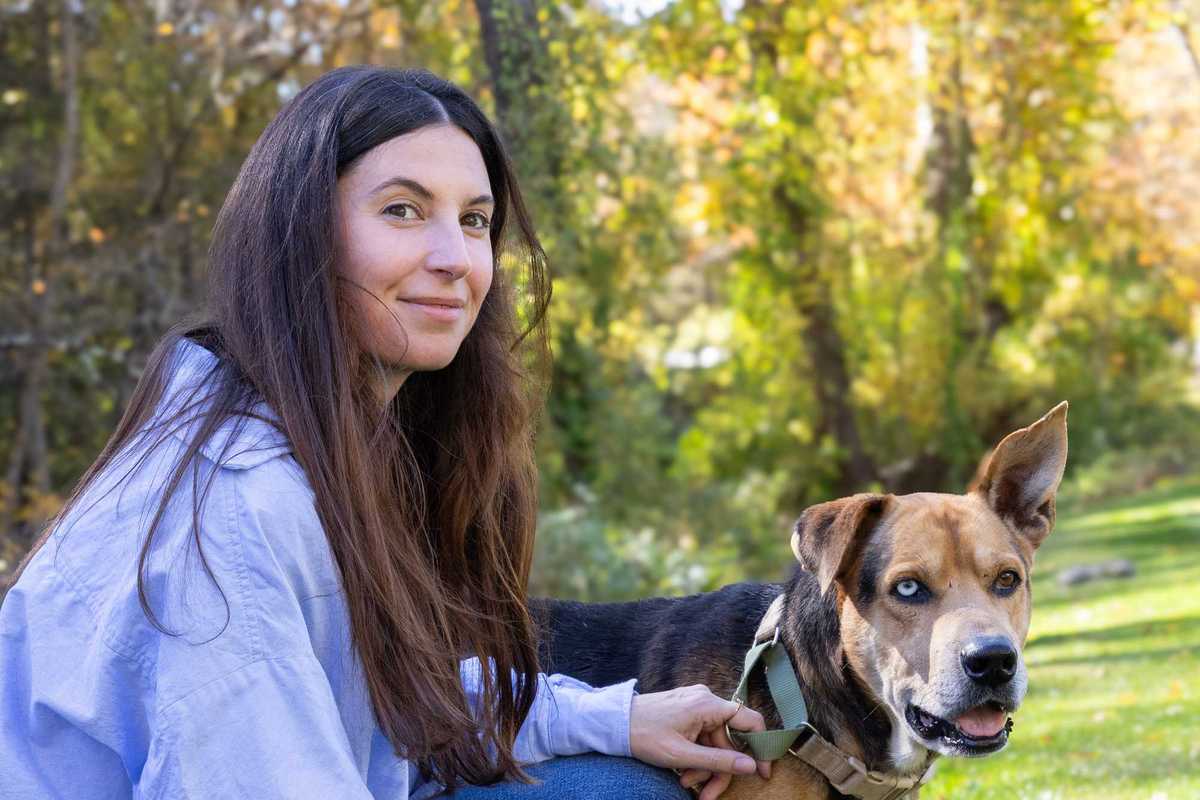
 Stephanie Saetta,with her rescue dog George and Blue (left), a shepherd mix awaiting his forever home.Madi Long
 Blue, a 7 year-old Shepard mix, is waiting for his forever home. Madi Long