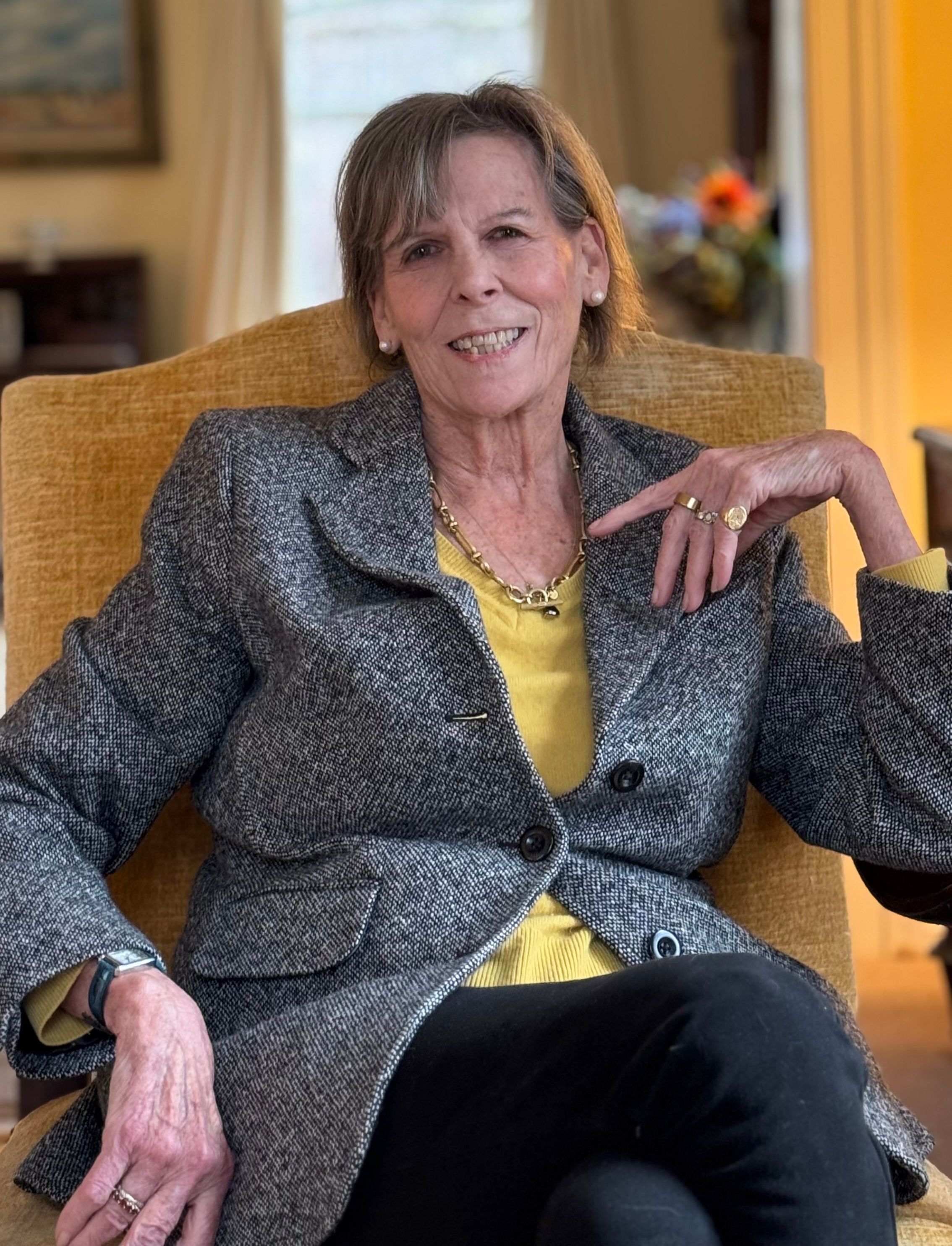
When writer and therapist Marietta Whittlesey moved to Salisbury in 1979, she had already published two nonfiction books and assumed she would eventually become a fiction writer like her mother, whose screenplays and short stories were widely published in the 1940s.
“But one day, after struggling to freelance magazine articles and propose new books, it occurred to me that I might not be the next Edith Wharton who could support myself as a fiction writer, and there were a lot of things I wanted to do in life, all of which cost money.” Those things included resuming competitive horseback riding.
Over time, through a career that has spanned writing, emergency medical service and clinical psychology, Whittlesey has built a psychotherapy practice in the Northwest Corner focused on evidence-based treatment for trauma, chronic pain and performance anxiety. Drawing on specialized training in EMDR, a trauma-focused therapy, and clinical hypnosis, she works with clients whose symptoms have often not responded to traditional talk therapy.
Whittlesey grew up in New York City and attended Chapin, an all-girls school widely regarded as one of the best in the country. “I hated it — 12 years of total lack of agency left a mark — but I got a great classical education. Recently, I visited for the first time in more than 30 years and found a delightfully changed school — one I wish I could attend right now,” she laughed.
She studied psychology as an undergraduate at New York University, where she worked in the lab of Dr. Jay Weiss, a MacArthur Fellowship recipient at Rockefeller University and later at the New York State Psychiatric Institute.
After moving to Salisbury, Whittlesey joined the Salisbury Volunteer Ambulance as an EMT and found work writing radio and television spots at the University of Connecticut Health Center in Farmington. That led to a 30-year freelance career writing continuing medical education programs for physicians, often ghostwriting first drafts of journal articles.
“I learned a lot of medicine that way and learned how to speak and write like a doctor, which is essential.” At the same time, she continued to write and co-author nonfiction books. “But after a couple of decades, the 80-hour workweeks and the insane pressure got to me.”
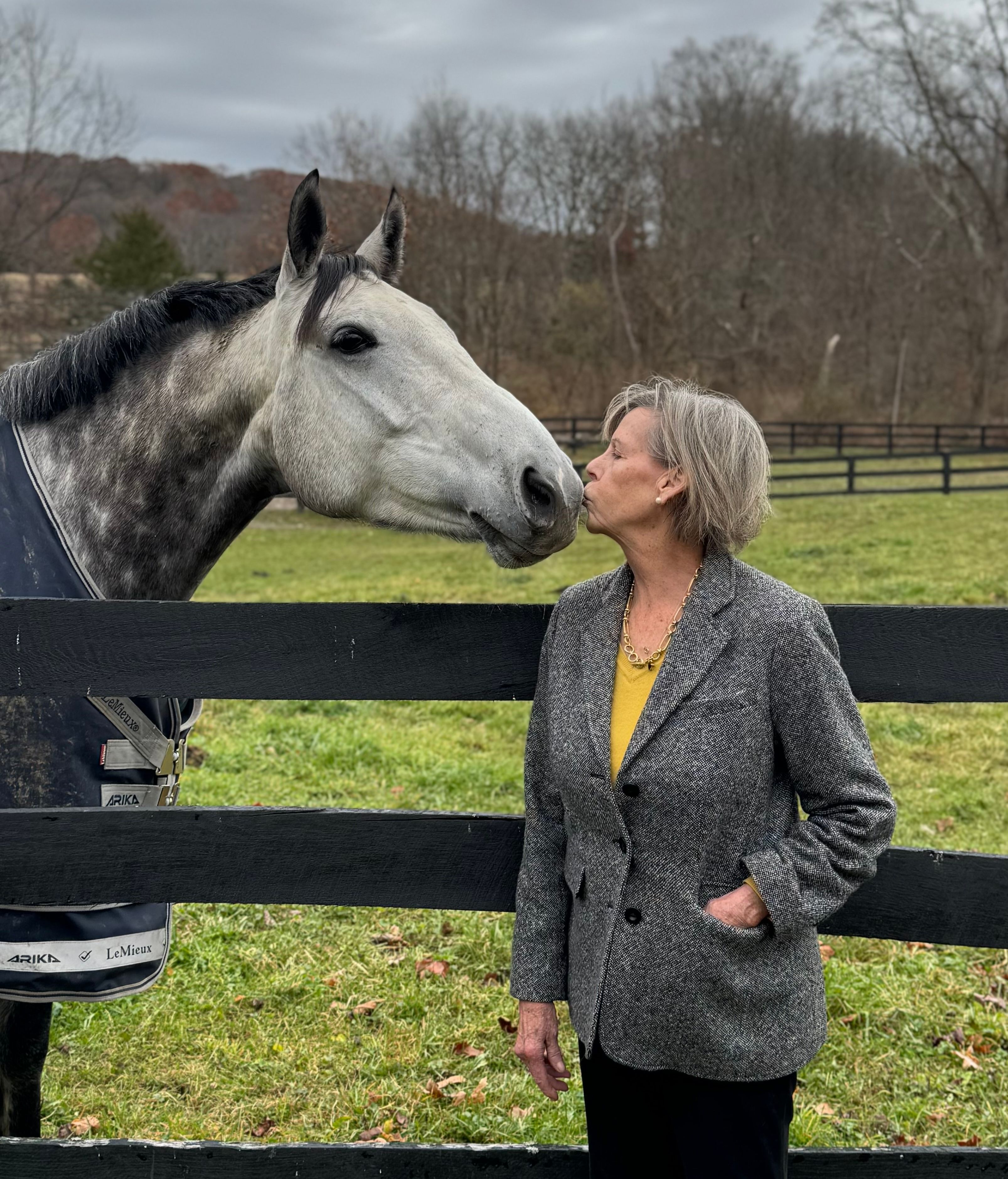 Marietta WhittleseyElena Spellman
She enrolled in a master’s program in psychology at Capella University, one of the first accredited online universities. “This worked perfectly for me because I could continue to earn a living as a writer during the day.”
After graduating with a Master of Science in clinical psychology, she decided not to pursue a doctorate.
“I am a good autodidact, and I decided I’d rather learn clinical techniques like EMDR and hypnotherapy than do another round of stats and write a dissertation.”
EMDR, or Eye Movement Desensitization and Reprocessing, is a form of psychotherapy most commonly used to help people process and heal from trauma and other distressing life experiences.
After completing a 3,000-hour internship at the former Community Mental Health Affiliates in Lakeville, she opened a private practice in Lakeville. She now works from an office near Sharon Hospital, where she has a general psychotherapy practice. She has a particular interest in treating disorders of appearance, ranging from body dysmorphic disorder to alopecia areata and severe scarring.
Whittlesey is certified by the EMDR International Association in eye movement desensitization and reprocessing.
The therapy follows a specific protocol using bilateral stimulation — through eye movements, pulsars or audio — to help process traumatic memories associated with PTSD.
“So many people have never heard of EMDR, yet it is such a powerful clinical tool — not just for treating trauma, for which it was originally employed, but now with protocols for eating disorders, phobias, anxiety and many other issues. It is considered one of the top evidence-based treatments for trauma by the World Health Organization, the American Psychiatric Association and the Department of Veterans Affairs.”
Whittlesey treats many clients with chronic pain, often stemming from medically unexplained symptoms. Unlike traditional talk therapy — which has an important place, she said — EMDR can sometimes help patients feel significantly better even after a single session.
Rarely are more than six to 10 sessions needed to process traumas such as car accidents, violence or childhood neglect that can lead to a diagnosis of complex PTSD.
“Clinical hypnosis is also very helpful in treating chronic pain, as well as anxiety and addictions. I like to teach people self-hypnosis to use on their own. It has been an extremely useful tool for me throughout my life as a writer with deadlines and as a rider facing a jump course.”
Whittlesey has also launched a performance coaching business, Partners in Performance, where she helps clients overcome performance anxiety. Recent clients have included a golfer with “the yips,” a rider recovering from a bad fall, a teacher accepting an award and a woman studying for a dental hygienist exam.
Asked about future plans, Whittlesey’s eyes lit up as she described upcoming training in Deep Brain Reorienting, a new treatment with some similarities to EMDR.
Whittlesey has a profile on Psychology Today and can be reached at 860-397-5296 or mwlpcllc@gmail.com.
Elena Spellman is a recent Northwest Corner transplant. She is a Russian native and grew up in the Midwest. In addition to writing, she teaches ESL and Russian.
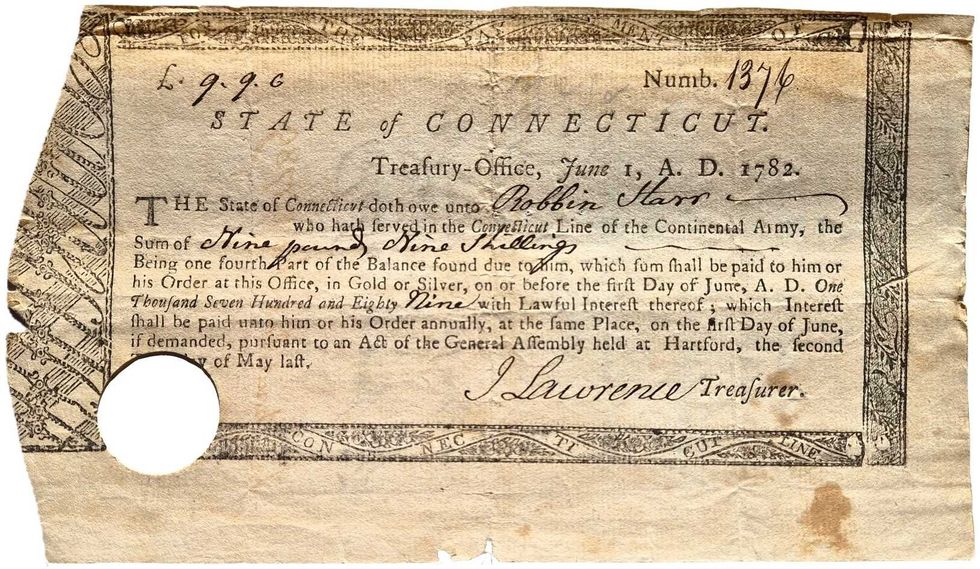 Pay Bill for Robin Starr’s service in the Continental Army.Courtesy the Alex Breanne Corporation
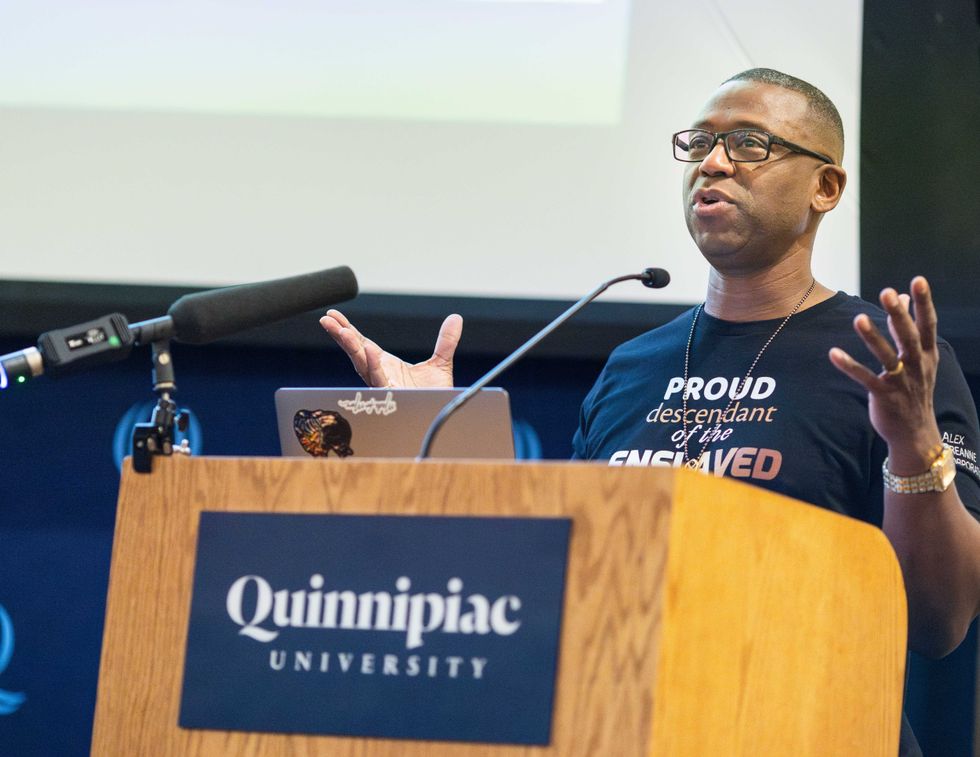 John Mills speaking at Quinnipiac University.Courtesy the Alex Breanne Corporation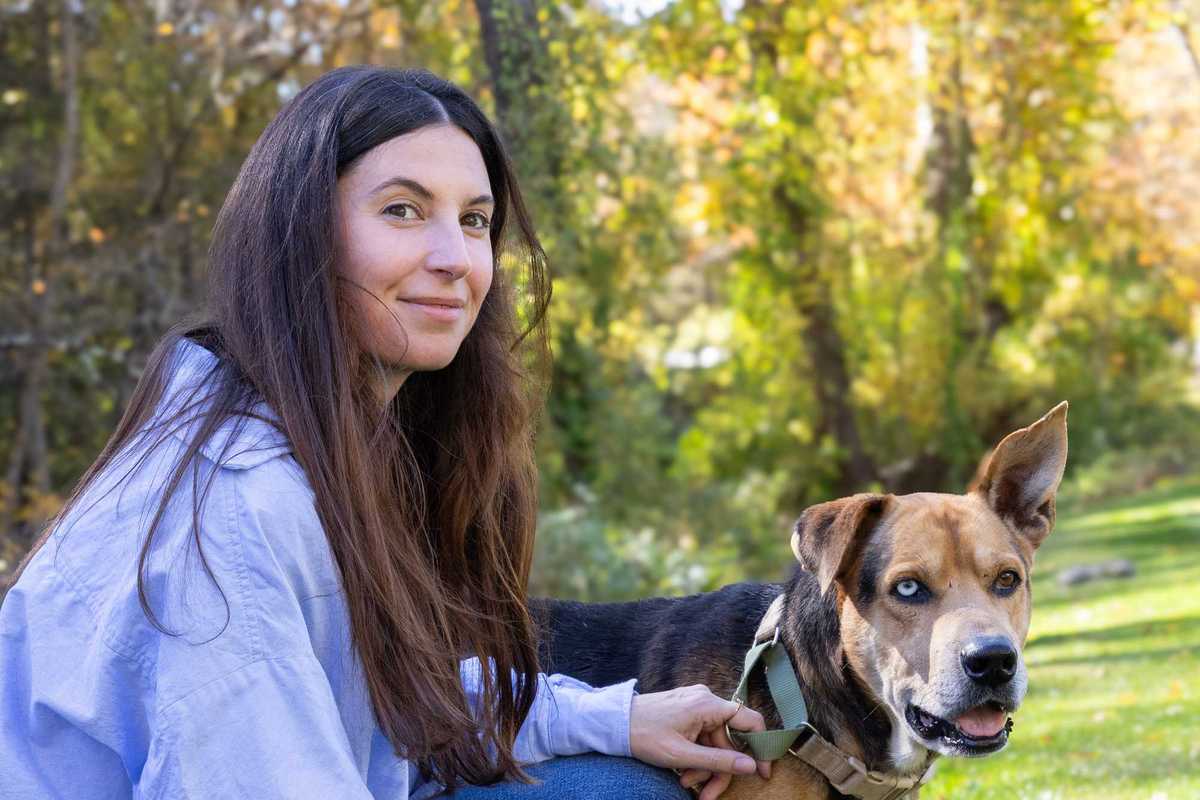
 Stephanie Saetta,with her rescue dog George and Blue (left), a shepherd mix awaiting his forever home.Madi Long
 Blue, a 7 year-old Shepard mix, is waiting for his forever home. Madi Long