NORTH CANAAN — The plan for a 20-lot subdivision off Honey Hill Road has been dropped and instead, the land, owned by H. Bruce McEver, could become a large public nature preserve.
The announcement came at the Dec. 15 meeting of the Board of Selectmen, when Catherine Rawson, executive director of the Northwest Connecticut Land Conservancy, went before the board to request a required letter of approval allowing the conservancy to seek state grants for the purchase. She emphasized that significant work remains, including extensive surveys, before a deal is completed and the deed is transferred.
Should all proceed as planned, a transfer of this nature generally takes 24 to 36 months to close, she said. Once finalized, the land must be opened to the public within six months. Funding decisions from the state— particularly through the OpenSpace and Watershed Land Acquisition program administered by the Department of Energy and Environmental Protection — are expected inmid-2026. Additional funding will also be sought through the federal Highlands Conservation Act, as well as from private donations.
Rawson said the conservancy, which is based in Kent, had been in discussion with McEver and is delighted to partner with him to leave what she described as an extraordinary legacy. She expressed gratitude to him for making this decision.
“I’m a conservationist at heart,” McEver said, talking about his love of the environment since childhood. He said his initial motivation for seeking to develop the property was to help address the housing shortage in North Canaan, but construction costs were far lower when the idea first arose.
In today’s market, he said, selling the lots would be difficult, making the shift away from development largely an economic decision. McEver spoke of how beautiful the property is, with its hundreds of trees, and how he’s worked to remove invasives there. He said he is pleased to be working with the land trust on the project.
The land sits off Honey Hill Road, and the conservancy plans to purchase approximately 245 acres, which borders over a mile of the Housatonic River and a portion of the Blackberry River.
The property offers an extensive core forest, high biodiversity and intact wildlife habitat, which Rawson said “ranks it among the most ecologically valuable and climate-resilient landscape in the region. I’m delighted. It’s one of the most important conservation pieces in Northwest Connecticut in the organization’s history. We’re so pleased to partner with Bruce for the benefit of the community for generations to come."
The conservancy envisions creating miles of hiking trails on the land, some of which could be handicap accessible. Public access to the river has yet to be determined. Rawson said as part of the broader vision, the conservancy is exploring the possibility of installing a pedestrian footbridge over the river, which would result in the potential linking of lands on both sides, “strengthening regional trail networks and enhancing connectivity between the communities of North Canaan and Salisbury.”
Tim Abbott, executive director of the Housatonic Valley Association, said the cost to acquire the property is $2.25 million.
Abbott has been deeply involved in the project. At the time the subdivision application was first heard in October 2023, he was chairman of the Planning and Zoning Commission and conservation director of HVA. He was vocal about his opposition to the plan and HVA became an intervenor in the proceedings.
Always recusing himself during discussions of the subdivision, in November 2024, he resigned from the commission following pressure from proponents of the plan who were also advocating for a text amendment to the regulations regarding road lengths on dead-end streets and number of lots allowed on such streets.
When the commission did not act on the text amendment request, the applicant withdrew the application and submitted a new one containing 33 lots but later withdrew it and went back to the original 20 lots after the amendment was approved.
Abbott echoed Rawson’s words of delight with the outcome. “All along, HVA wanted a real conservation project,” he said, adding a network of conservation organizations really “kept their eye on the ball. We’re very happy; it’s a huge win for everyone.”
Abbott noted the four conditions imposed on the application’s approval never progressed. These included a deed restriction protecting a 300-foot buffer extending inward from the edge of the river, a revegetation and erosion-control plan along 20 feet of the river, an endangered species survey and an archeological survey.
“The conservation of the McEver lands in North Canaan represents a rare opportunity to safeguard a landscape of exceptional importance while creating a lasting public benefit—protecting land, water, wildlife habitat and recreational access for generations to come,” Rawson said.
Founded in 1965, the Northwest Connecticut Land Conservancy is the state’s largest land trust, protecting 14,200 acres in Litchfield and northern Fairfield counties.
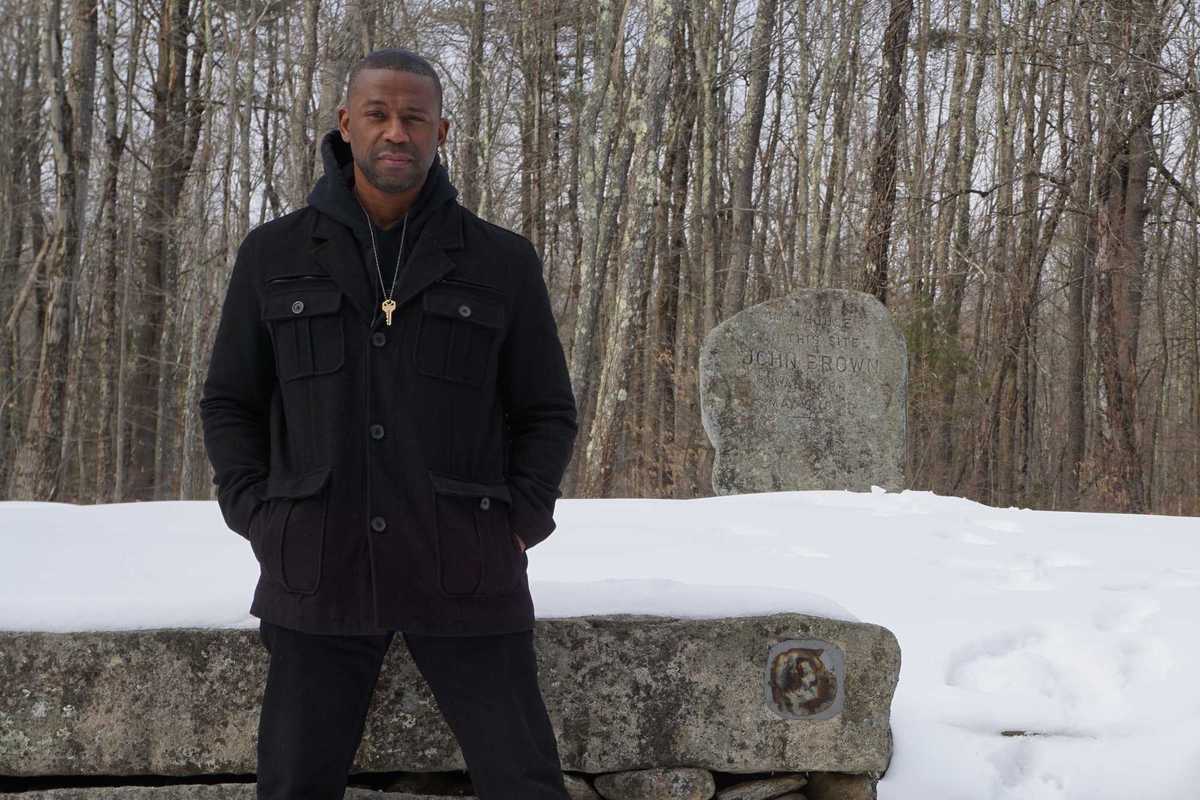
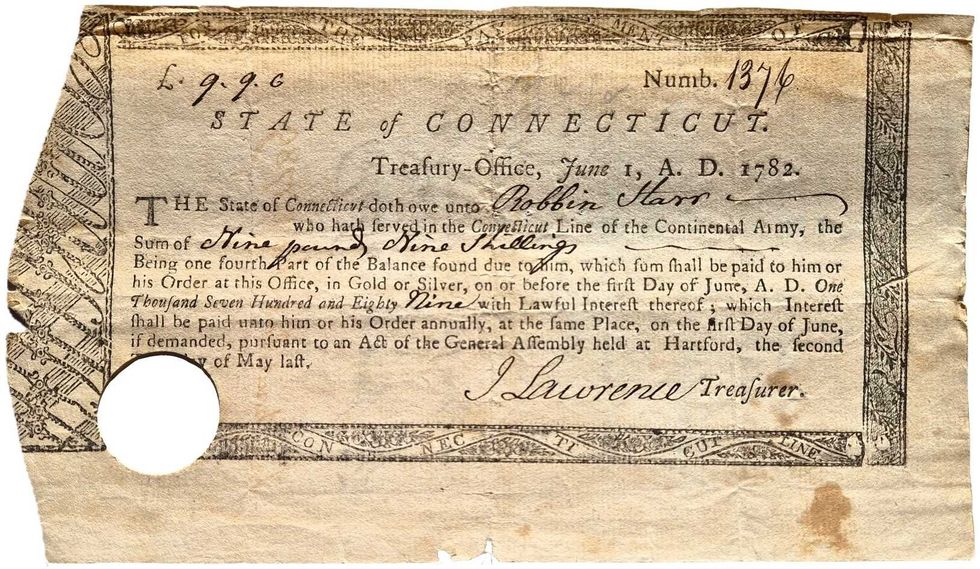 Pay Bill for Robin Starr’s service in the Continental Army.Courtesy the Alex Breanne Corporation
 John Mills speaking at Quinnipiac University.Courtesy the Alex Breanne Corporation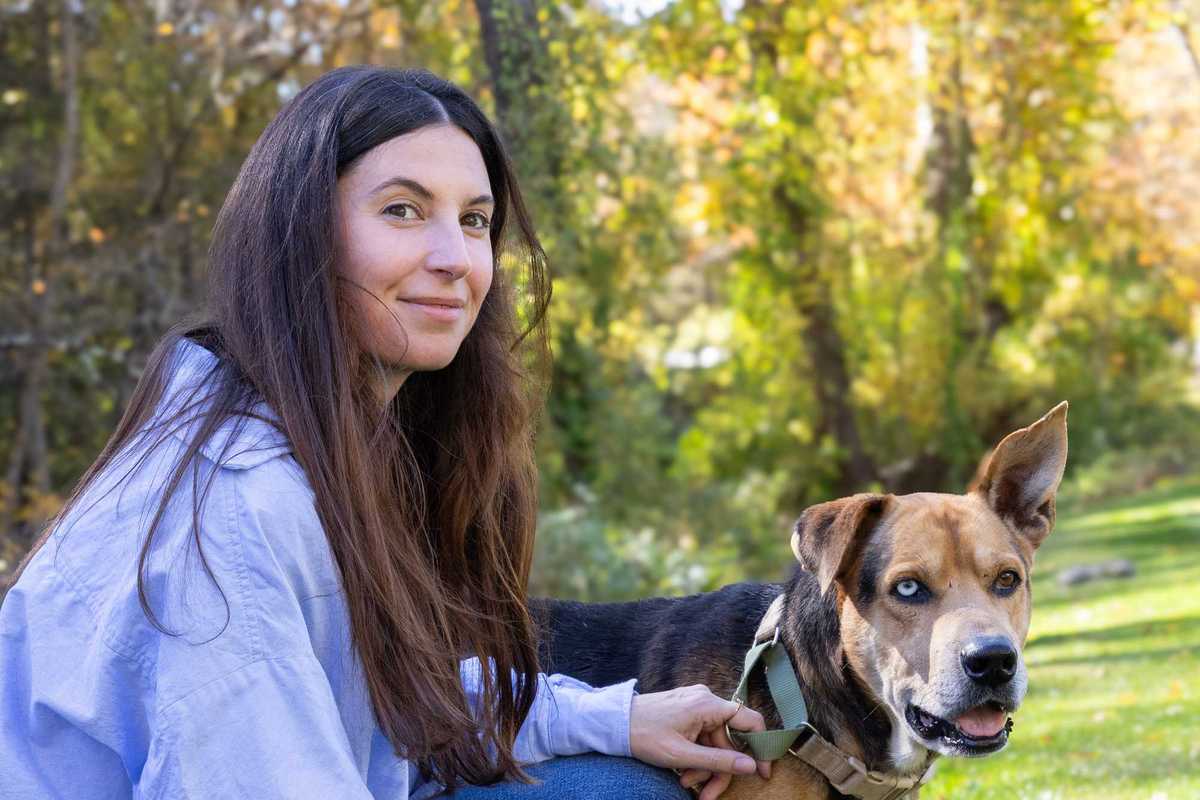
 Stephanie Saetta,with her rescue dog George and Blue (left), a shepherd mix awaiting his forever home.Madi Long
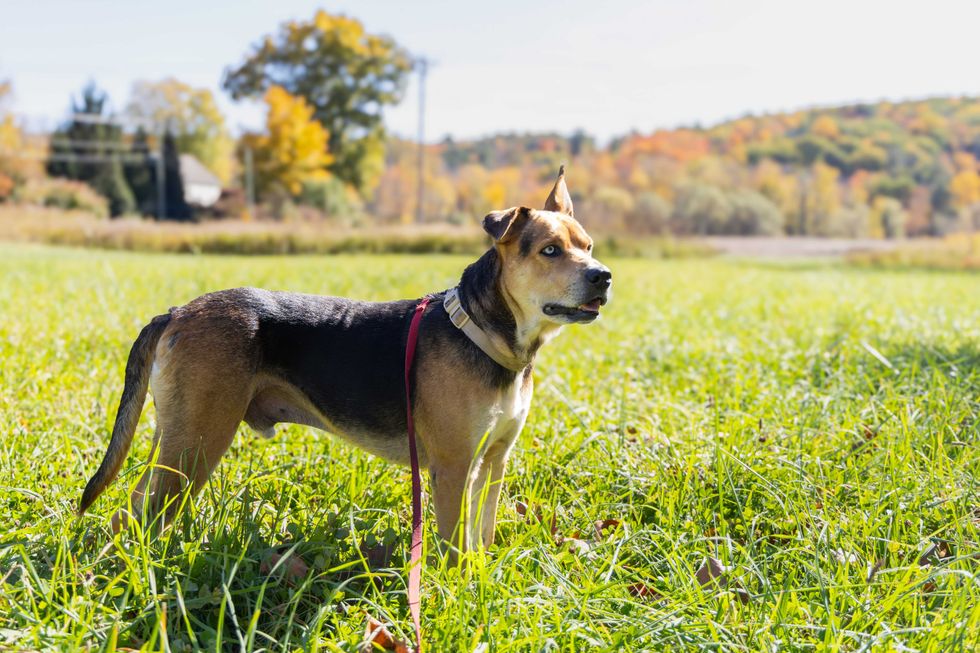 Blue, a 7 year-old Shepard mix, is waiting for his forever home. Madi Long