Housatonic prides itself on its large and expansive Arts Department — which just brought a new experience to Housy students through a ceramics course.
The class was brought to life by Lilly Rand, one of the art teachers and the current ceramics teacher.
The new class gives students opportunities to work with clay and ceramics in school for the first time since elementary school for many students. “I noticed that while ceramics was taught in the elementary schools, there was a major curricular gap once students reached high school,” Rand said “I worked closely with the administration to bridge that gap and build the program back up so students could continue developing those skills.”
The ceramics class is taught next to the school barn in the Science and Technology Center, a space the class shares with many diverse other courses. Rand said the space had its benefits and its drawbacks.
“An advantage to using the STC is that it gets foot traffic so that students who may not have known what the ceramics class was can now look over and see what we are doing,” Rand said. “Because we are sharing the STC, all of our materials and projects have to be meticulously put away to keep them safe, and tools that would normally be stationed in one spot have to be moved into the pottery ‘cage’ at the end of every day. The students have to be incredibly organized and plan ahead when moving projects and materials back and forth.”
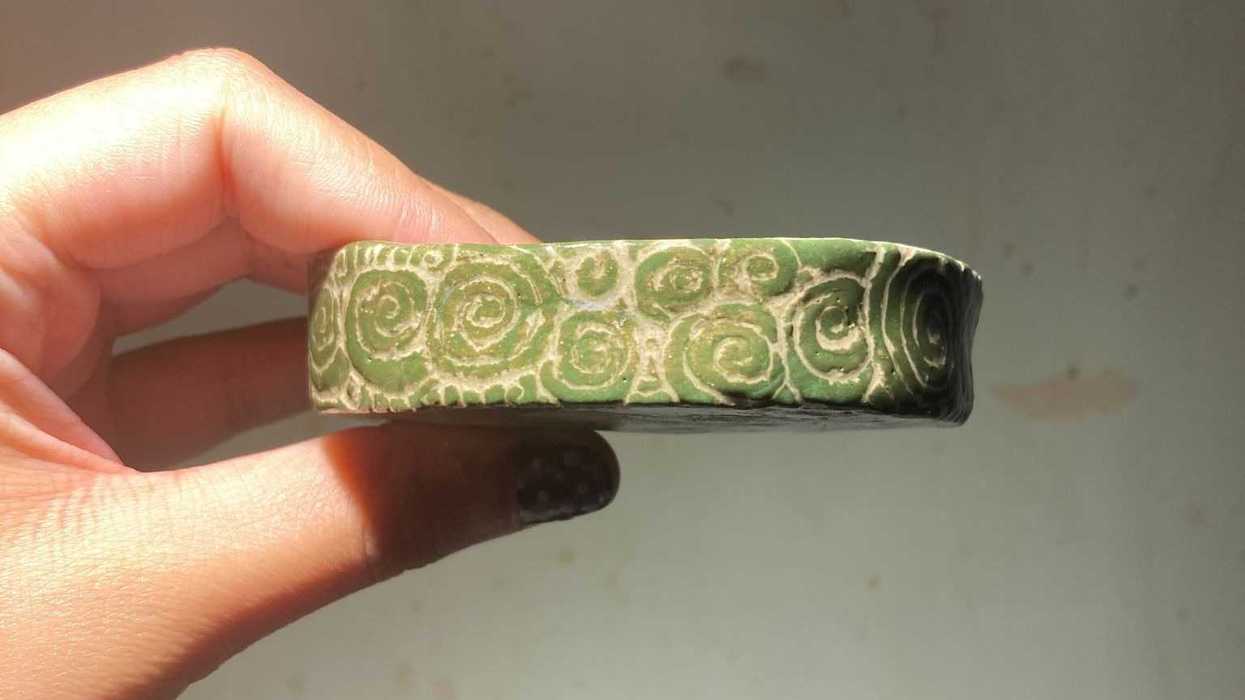
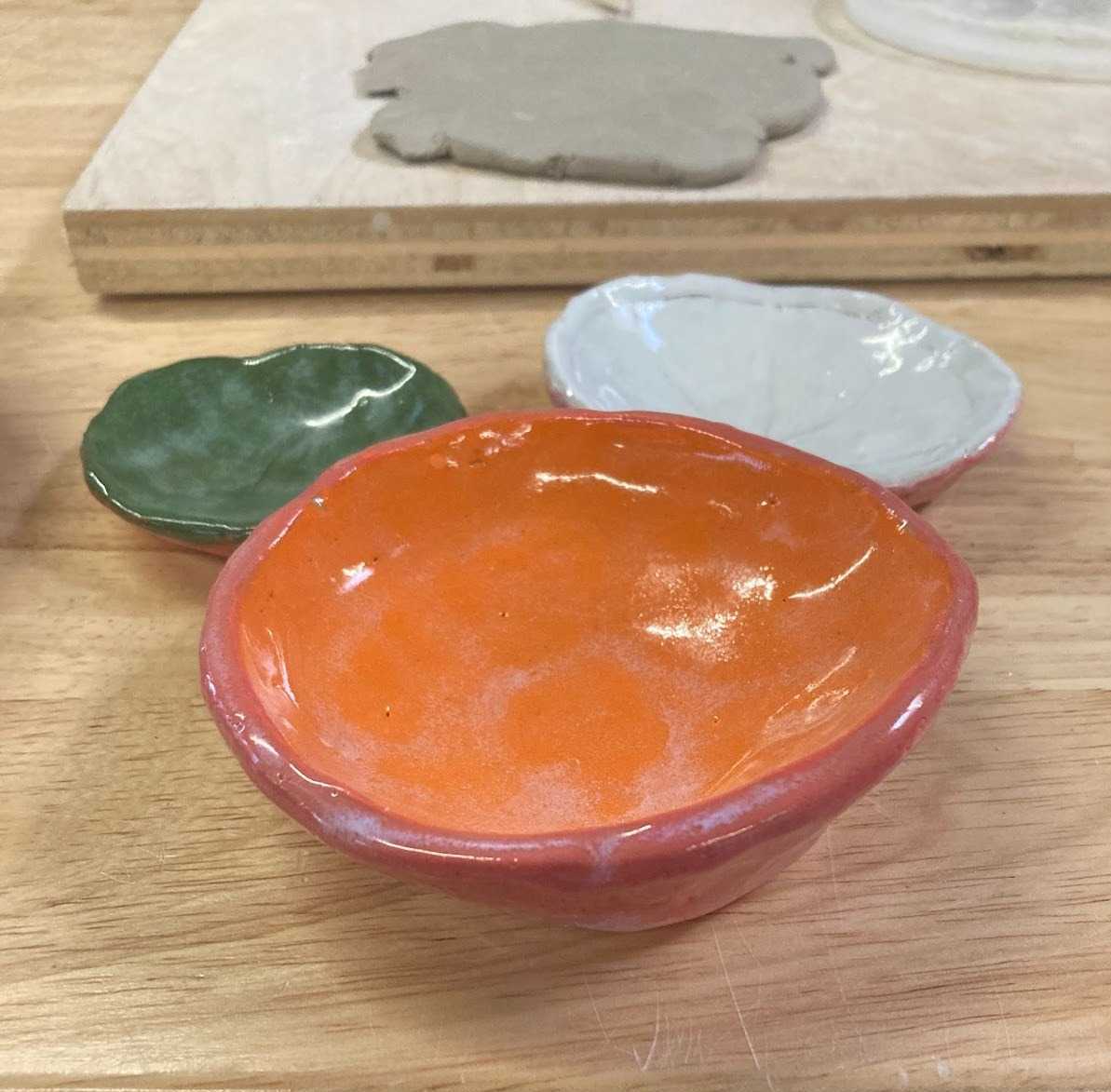 “Pinch bowls” created by Lilly Rand’s ceramics class. Shanay Duprey
While there are struggles that come with the space, the class seems to be a favorite amongst students. Tenzing Sherpa, a senior who took the class during its first semester last fall, speaks highly of it. “I wish it was a full year course because it is a great way to relax and enjoy your time in the school building and a full year would allow for more experience and experimentation,” Sherpa said.
The class’s popularity is shown in the numbers as well. “The student interest is clearly there, as 68 students signed up for ceramics this year, and seeing the work they are producing is proof that this program was a missing piece of our curriculum.” Rand said.
The class focuses on the basics of ceramics, a historic art form. “I try to balance foundational hand-building skills,” Rand said. “I believe in the philosophy often attributed to Pablo Picasso: ‘Learn the rules like a pro, so you can break them like an artist.’”
This class serves as an opportunity to experiment, and especially to learn ceramics skills. Rand said she rediscovered a passion for ceramics after college and learns more about the art form even today.
“My journey with clay started in college. . . About 15 years later, while teaching at Sharon Center, I rediscovered that passion.” said Rand. “I am currently using a new clay body and mixing all of my own glazes from raw materials. It’s been a significant learning curve, but I’ve actually discovered a fascination with the chemistry behind glaze mixing and I’m eager to dive deeper into that science.”
Even students with past experience still learn from Rand’s instruction. “I had done ceramics previously so I knew most of the fundamentals we learned in class,” Sherpa said. “I think the most valuable thing that I learned in the class was how the glaze we had available to us worked and how to apply it so it didn’t end up a mess.”
Rand said it was challenging to encourage original creations from students. “A big challenge right now is encouraging original thought; many students immediately look to Pinterest or their phones for inspiration,” Rand said. “My goal is to teach them how to look at the world around them—or their own experiences—for ideas.” Sherpa echoed that sentiment. “The biggest struggle for me was figuring out what I even wanted to make.” Sherpa said.

 Pay Bill for Robin Starr’s service in the Continental Army.Courtesy the Alex Breanne Corporation
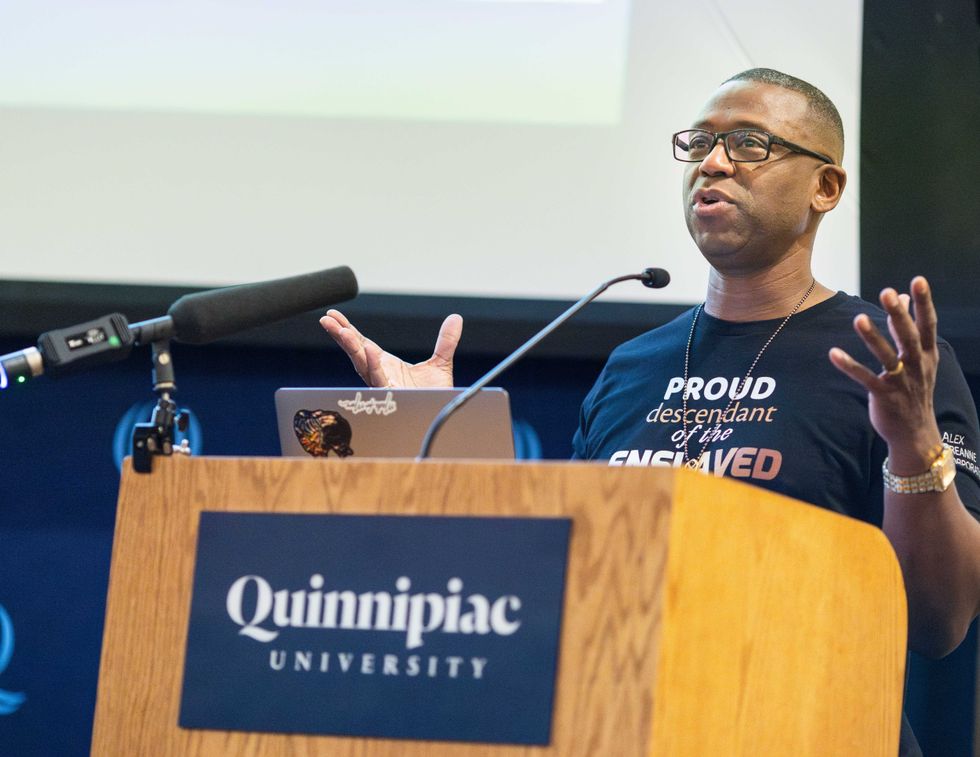 John Mills speaking at Quinnipiac University.Courtesy the Alex Breanne Corporation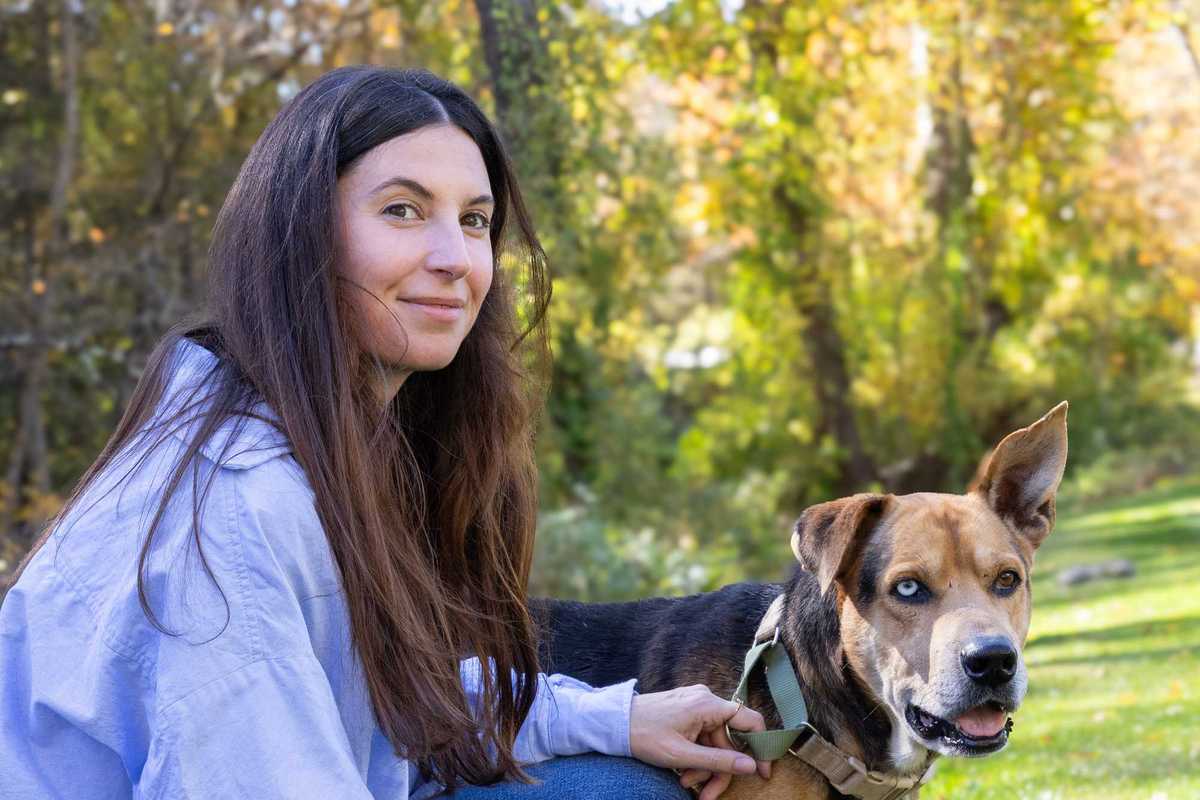
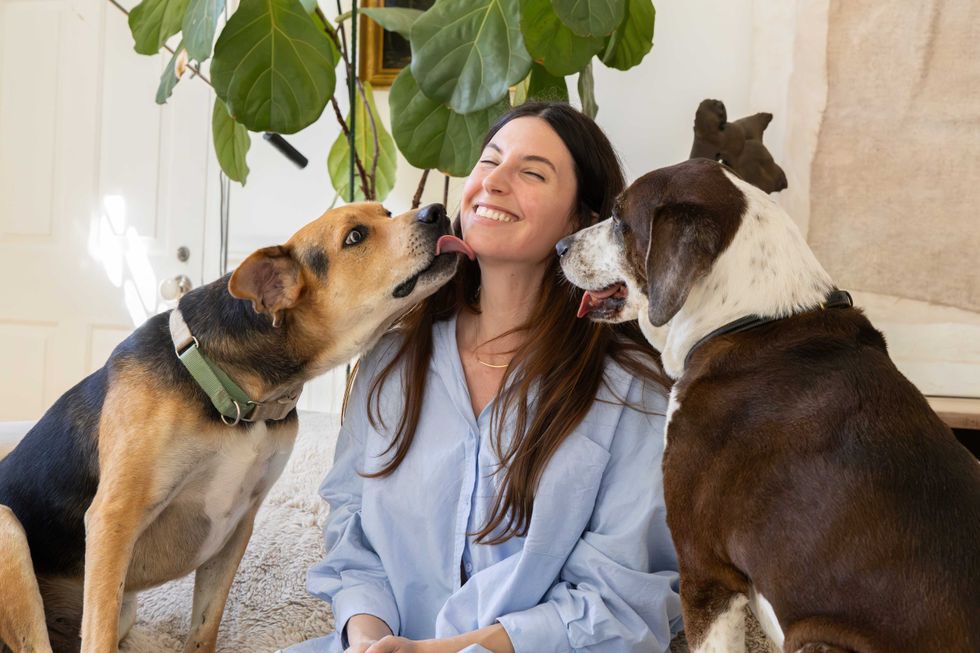 Stephanie Saetta,with her rescue dog George and Blue (left), a shepherd mix awaiting his forever home.Madi Long
 Blue, a 7 year-old Shepard mix, is waiting for his forever home. Madi Long