The other day I hit the Blackberry River, which was running low, using a three wet fly rig on an ancient LL Bean “Double L” bamboo rod.
I have the dropper thing down now. I start with a 7.5 foot leader. If it’s 2X I leave it; anything lighter I clip it a bit. That tag end functions as the first dropper.
Then I add either 2 pound or 4 pound fluorocarbon sections, with surgeon’s knots, for the second dropper and the last bit. After some experimentation, I find that Berkley’s fluorocarbon for spinning reels, sold in spools of 110 yards for about $8, works just fine (as opposed to, say, Rio’s X-graded fluoro tippet, at $15 for 30 yards). Two pound feels like 5X; four pound like 3X.
It was fun using a 60-year-old rod, a 30-year-old reel, and a 500-year-old technique.
I hit pay dirt right away, while it was still cool. But as it got closer to noon, things slowed down.
And after spending an hour drifting itsy bitsy flies down to two extremely skittish trout, to no avail, my back hurt, and the sandwich in the cooler back in the car was calling me.
So I clipped off all but the butt section of leader and chucked a crayfish imitation right into the foam beneath the small dam on the Blackberry. Voila — a nice brown came to the net.
I am a big fan of Davy Wotton’s video, “Wet Fly Ways.” I learn something new every time I watch it. The rigging of droppers, the angle of the “cast” of flies (ie. three flies, usually all wets or maybe one dry at the top, or “hand” position, and two wets) — all rich stuff.
There is one point in the video when the straight man asks the Welsh Wizard of the Wet Fly if he ever adds a little weight to the rig.
Wotton’s reaction is, er, vehement. In the negative.
Good thing the Wiz wasn’t around on Memorial Day evening on the Housatonic.
The previous night I was in the middle of about five different hatches and couldn’t catch a thing. Fish were begging to be caught, yet they spurned my every offering.
But the next night I hardly saw any bugs coming up. Of the ones I saw, there was a cream-colored bug, and a dark, big bug.
Also mosquitoes. They like me. I believe the mosquitoes of the Housatonic eat very sparingly during the day, knowing I am likely to show up around dinnertime.
So I rigged up with a big Light Cahill dry on top, a Leadwing Coachman wet in the middle, and a Light Cahill wet below.
It was windy, and I foolishly brought a 4 weight, 10 foot rod. I spent the first two hours getting blown around and tangled up. There were a couple of bumps on the Cahill wet, but I couldn’t seal the deal.
I then went downstream, to a stretch of runs and riffles that operates to the side of the main current. I have had good results here in the past. There are different depths and different currents operating in a relatively short stretch — ideal for a short line, long leader and long rod approach.
I saw what had to be an isonychia coming off the water. So I cheesed the dry fly, put on an iso emerger, and kept the rest of the rig.
And I added a little piece of split shot to the leader, about 6 inches above the point (or bottom) fly, in this case, the Light Cahill wet.
Casting a little upstream, I quickly mended and kept the rod up high. Hardly any line on the water, all leader. Second try, a decent brown took the now slightly weighted Cahill.
Rinse and repeat, for the next hour and a half. I caught trout on all three flies, not the usual experience. One of them was pretty good but he wriggled off. That’s what you get with barbless hooks.
So while Wotton would disapprove, it was that minuscule amount of weight that got the cast of flies down enough for the fish to see them and react.

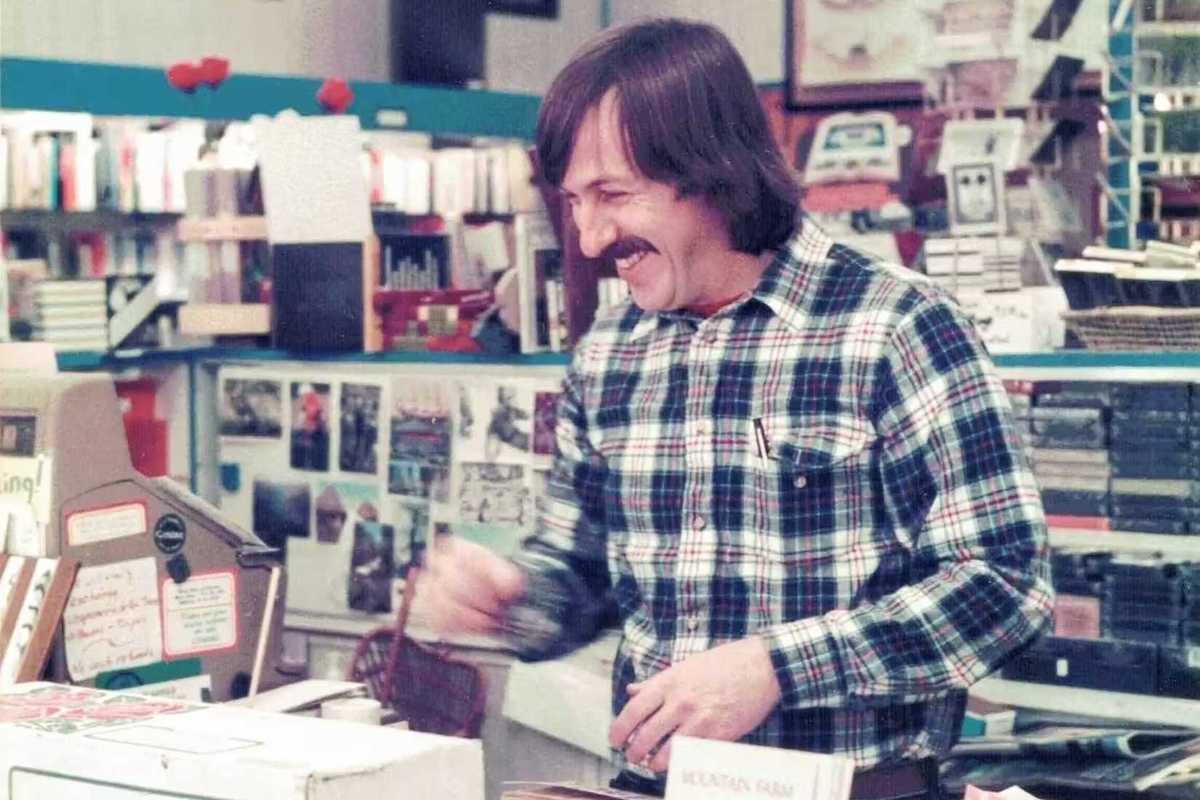
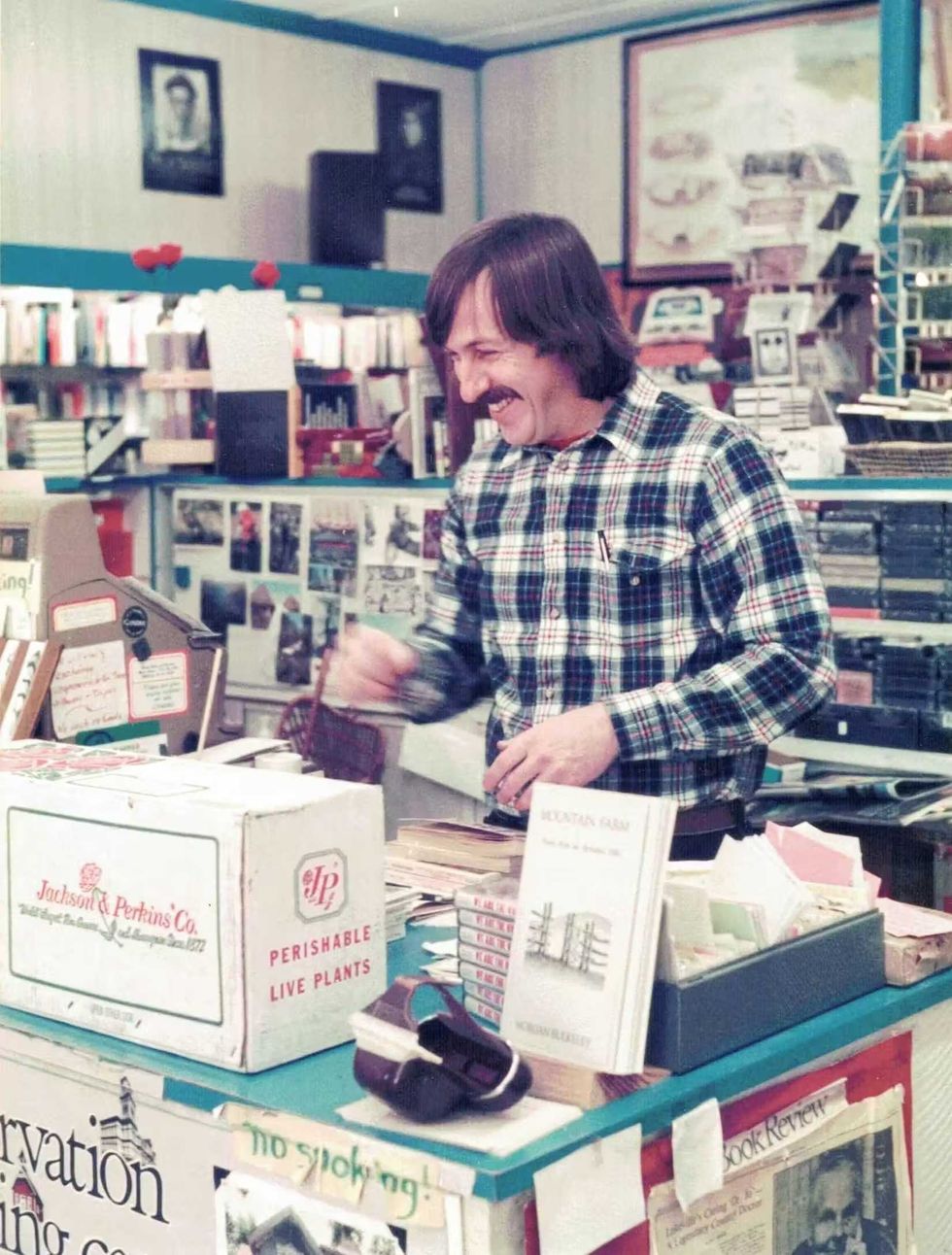 Dick Hermans in the Oblong Bookstore on Millerton’s Main Street in 1985.Provided




 Fall storage crop harvests amid soil building cover crops at Adamah Farm in Falls Village. Janna Siller