SALISBURY — The startling item that came out of Theodore Rudd O’Neill’s talk about the knives made in Lakeville by the Holley Manufacturing Company came from Bob Loucks of Sharon.
During the question-and-answer period, Loucks volunteered that not only is he a collector of Holley knives, he owns between 1,600 and 1,700 of them.
O’Neill spoke at the Scoville Memorial Library Saturday, Oct. 5, an hour ahead of the opening of the new exhibit on Holley knives at the Salisbury Association’s Academy Building.
O’Neill is a direct descendant of Alexander Holley, who established the precursor company in 1844 in Lakeville and Holley Manufacturing in 1854.
O’Neill explained that the iron industry was winding down in northwest Connecticut, and Holley was looking for a new enterprise.
“It’s likely he bought parts of the Waterville Knife Company,” O’Neill said, and moved the operation (and some of the employees) to Lakeville.
Total sales never exceeded $50,000 between 1844 and 1925, O’Neill said, and the business was closed in 1933.
Loucks piped up during the Q and A, holding what he said was referred to as a “hobo knife,” a combination knife/fork/spoon device.
Loucks said these knives were included in Red Cross Christmas packages sent to American soldiers serving in World War I.
“I wonder how many of these knives are in the bottoms of the trenches.”
Loucks said he got his first Holley knife at age 10.
“I’m 81 now and I have between 1,600 and 1,700 Holley knives.”
Later on, at the Academy Building, a group of men, knife enthusiasts of the same general vintage as Loucks, crowded around the restored knife display.
A Salisbury Association reprint of the 1915 Holley knife catalog was available for the curious. It includes several multitool knives but not the knife/fork/spoon combination.

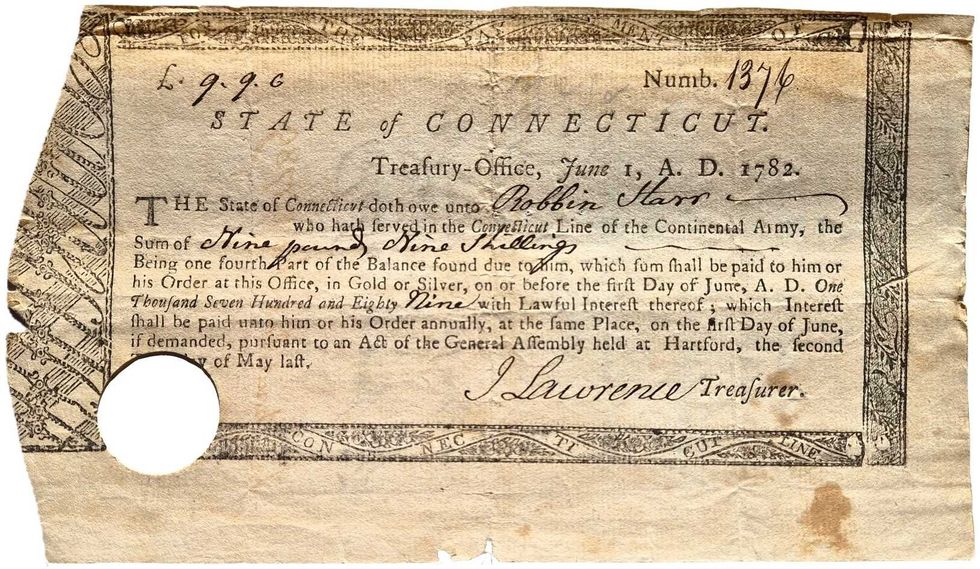 Pay Bill for Robin Starr’s service in the Continental Army.Courtesy the Alex Breanne Corporation
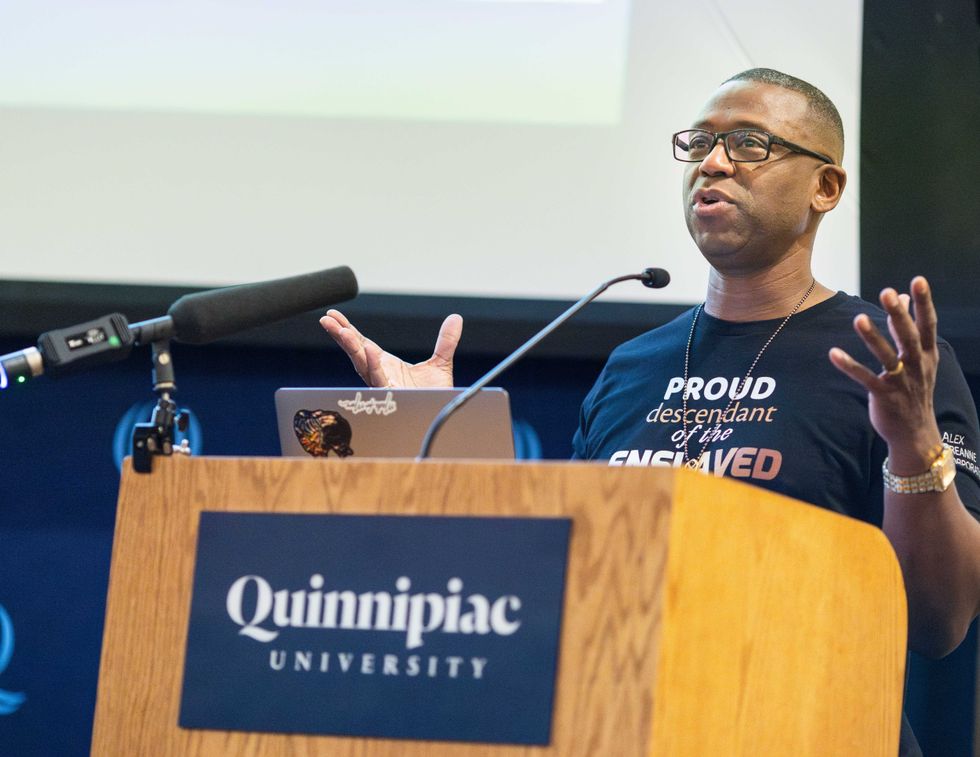 John Mills speaking at Quinnipiac University.Courtesy the Alex Breanne Corporation
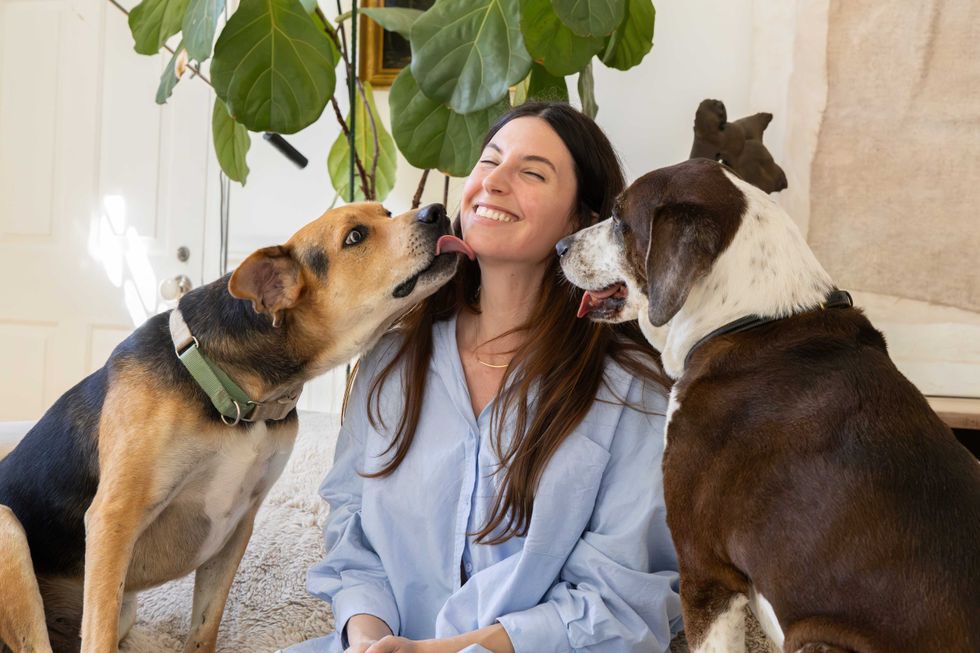 Stephanie Saetta,with her rescue dog George and Blue (left), a shepherd mix awaiting his forever home.Madi Long
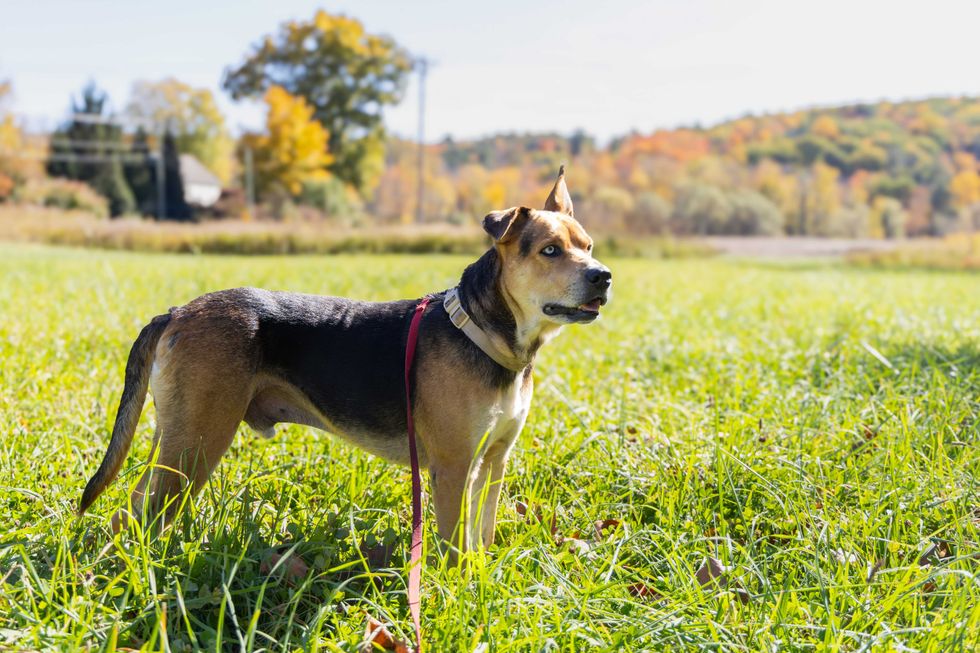 Blue, a 7 year-old Shepard mix, is waiting for his forever home. Madi Long