PINE PLAINS — Parking lots and pathways. Those were the projects chosen by the Town Board for the 2011 Community Development Block Grant (CDBG) application at the special meeting that followed a public hearing held on Thursday, Sept. 30. There was only one member of the public at the hearing; no comments were made at that time and the hearing was closed almost immediately.
The Town Board then proceeded to discuss ideas for the block grant application, which was due back to the county the following day, Oct. 1. This year the board agreed to apply for funds to rehab the municipal parking lot and pedestrian walkways that lead to the sidewalk on East Church Street. It also included in the application a request to work on a drainage issue on North Main Street, right by the parking area.
The lot is the only official municipal parking area and is located behind The Bank of Millbrook (formerly Stissing National Bank) and the dental offices located in the building owned by Larry Patricola, which front Route 199. The walkway, which the board hopes to pave with brick, is between the two buildings.
“We’re hoping by working with the county we can get all that accomplished,� town Supervisor Gregg Pulver said, adding the town applied for the maximum grant award, which is $150,000. “We think this is a quality project — we always think that — and that it meets the criteria of the CDBG and addresses some hard issues downtown, like rehabilitating our infrastructure. We’re pretty optimistic we can get this done.�
Pulver said that’s because the project rates high on the county’s priority list; he said Pine Plains has a record of scoring well on that front. Additionally, he said, this application seeks to complete a unique project that helps the county as well as the town. It’s something the board has been wanting to accomplish for quite a while.
“This has been on our radar for about five years, regarding what we should do with the town parking lot. We hope this is the solution,� Pulver said, adding the grant money would make the whole project feasible. “With financial times the way they are, we’re trying to do this with the CDBG money because the coffers are getting bare. It’s not that any of the other projects we proposed are any less important, but this, we feel, is the lead project out of all the ones we needed to get done that we applied for in the past that were denied, like renovating the beach house. This has no frills. This project needs to get done and we think this is the best use of the money.�
The town is also interested in using a new material to repave the parking lot, one which is more porous and allows water to drain through the blacktop so there’s no runoff in the soil and is therefore more environmentally friendly.
The information about the new material was just introduced at last week’s meeting, so Pulver said more research must be done. If it’s advantageous the supervisor said it might be something the town would be willing to “kick in a little more money� to afford.
After the full board voted unanimously on its ideas for the block grant application, it was decided that Town Engineer Ray Jurkowski, of Morris Associates, will compile the information and complete the application before sending it off to the county. After being rated for its merit, the application must then go before the county executive for final approval. Notice of approval is often sent to towns in the winter.


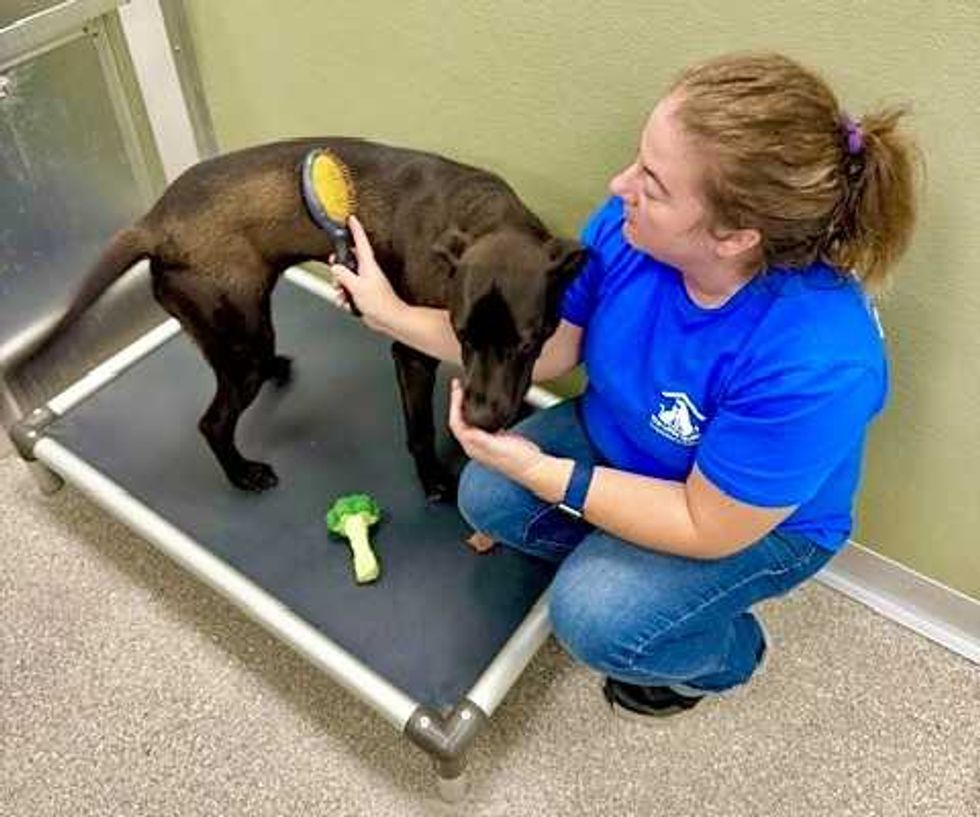 Tiffany Lemelin, shelter manager, brushing Marsala upon arrival.Provided
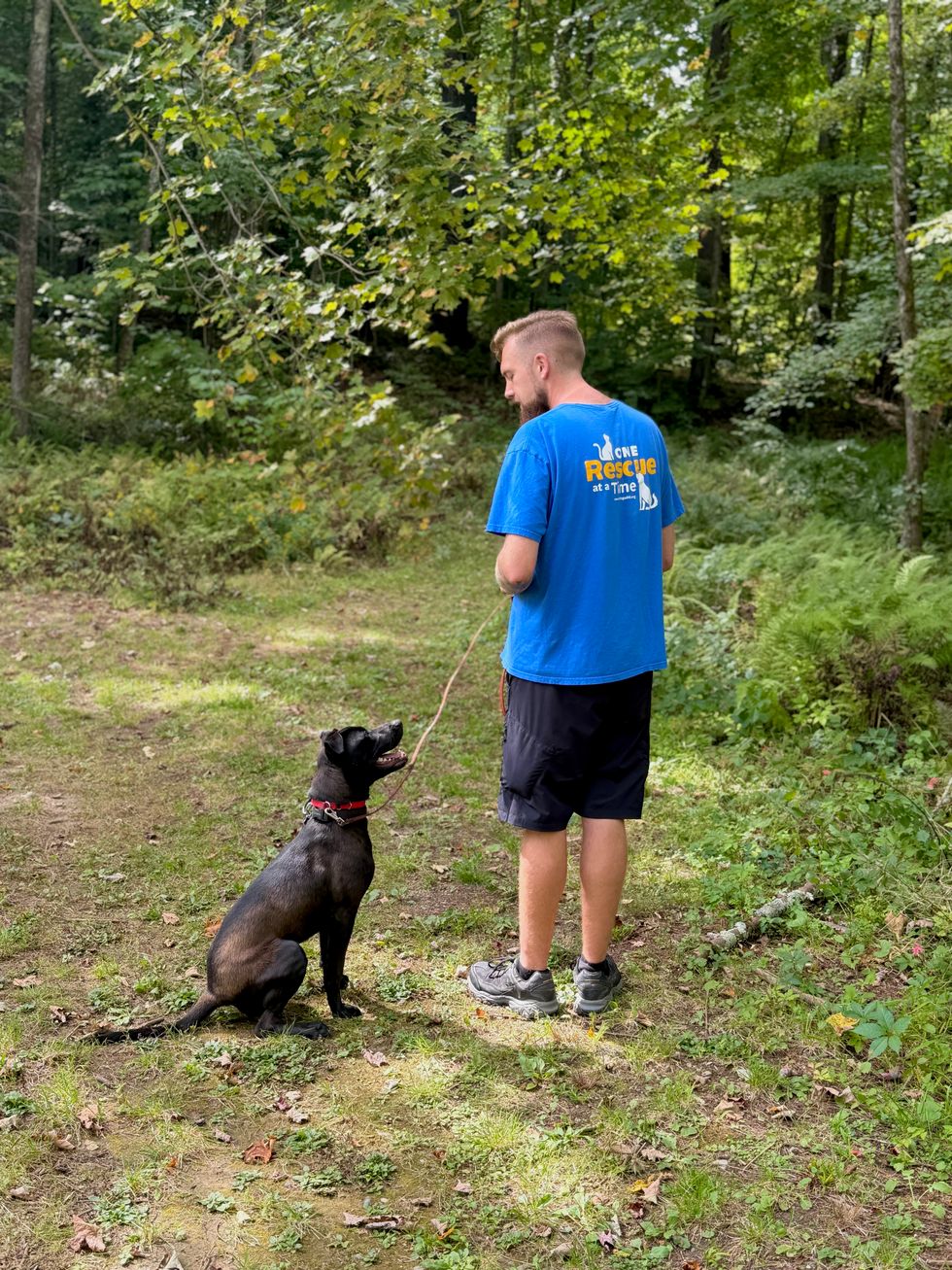 Michael DeBarba, certified dog trainer working with Marsala.Jennifer Almquist
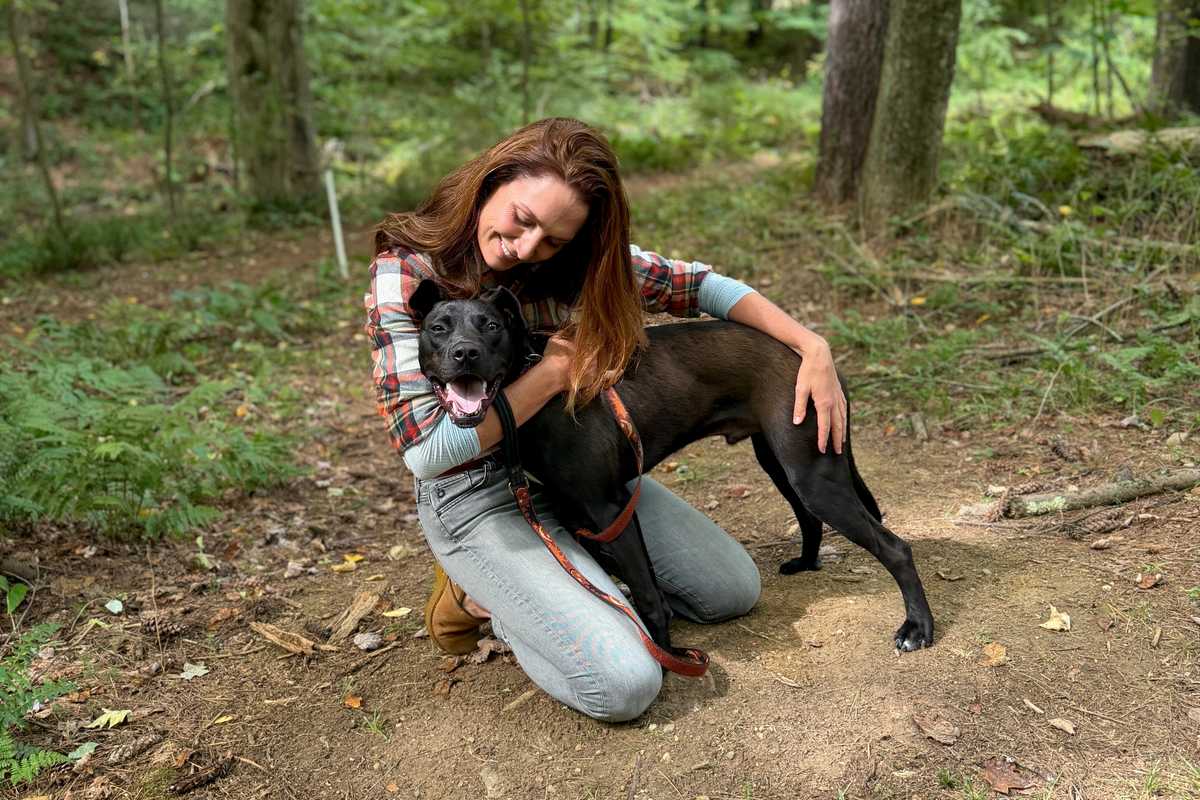 Marsala wins a heart.Jennifer Almquist

 Sadie, center, a Carolina dog, plays with her friend Negra, a terrier mix. Bella Linda, the small poodle, has since been adopted.L. Tomaino
 Wesley, a young, exuberant mix, is looking for an active home.L. Tomaino
 Bonnie and Clyde, an affectionate terrier pair.L. Tomaino
 Provided