SHARON — Birdwatching and holiday cheer went hand in hand for the Trixie Strauss Christmas Bird Count on Sunday, Dec. 14, with hobbyists and professionals alike braving the chill to turn their sights skyward and join the world’s longest running citizen science effort.
The Christmas Bird Count is a national initiative from the Audubon Society, a globally renowned bird protection nonprofit, that sees tens of thousands of volunteers across the country joining up with their local Audubon chapters in December and January to count birds.
This wintry avian census, which is now in its 126th year, is very effective at amassing bird quantity and species diversity data, especially in colder climates where seasonal populations of birds are highly variable. These datasets, Audubon has upheld, provide vital snapshots of population health and trends, which then informs conservation strategy.
Sharon Audubon helped to host the Trixie Strauss count, the formal name of the regional count that covers an area centering on The Hotchkiss School, with staff members aiding 24 volunteers spread out over eight teams that each surveyed a unique 15-mile loop.
According to the total tally, the volunteers had identified over 11,400 birds spanning 66 species, just one less than last year’s total of 67 species.
While the number is similar, Bethany Sheffer, volunteer coordinator and naturalist at Sharon Audubon, said the species that are present are subject to change based on a number of factors. The early freeze of lakes and ponds in the Northwest Corner meant that there were fewer species that prefer open water tallied this December, Sheffer explained.
Belted kingfishers, for example, were entirely absent from the count.
The data also found no northern mockingbirds or gray catbirds. Several groups noticed an abundance of the dark-eyed junco, though Sheffer noted that the reasons for these changes from previous years are as of yet unclear.
However murky the causes, Sheffer noted that the amassing of this data lays the foundation for vital observations surrounding species trends. Citizen science observations enabled scientists to discover that the range of the northern cardinal was expanding, for example, and that the Cooper’s Hawk is becoming more common in the wintertime New England forest as it’s been staying behind to prey on smaller songbirds that congregate at bird feeders when the ground is snow-covered.
Sheffer noted, though, that it’s not all about the data.
“The history of the Christmas Bird Count is really moving,” she said, explaining that its origins lie in a Victorian tradition of a Christmas “hunt,” where groups would scour the hillsides and treetops to kill, not count.
Since ornithologist Frank M. Chapman declared the first count in 1900 as a direct opposition to the hunt, the tradition has stuck. Sheffer said it’s a valuable example of how humans’ relationship to the natural world can be reframed.
"It’s important for us now more than ever to be serving birds” as stewards, she said, noting that many species face threats due to climate change and habitat degradation and loss. And another plus, Sheffer said, is the spirit of community, bringing people of all experience levels with birds together for what she described as a truly joyous day: “It’s become an event that brings people together in a really moving way.”
The Trixie Strauss count is just one of 20 in Connecticut. Several, including one just over the border in Pawling, New York, have yet to occur. For a list of each upcoming count, and who to contact with inquiries, visit ctbirding.org/cbc-2025-2026/.
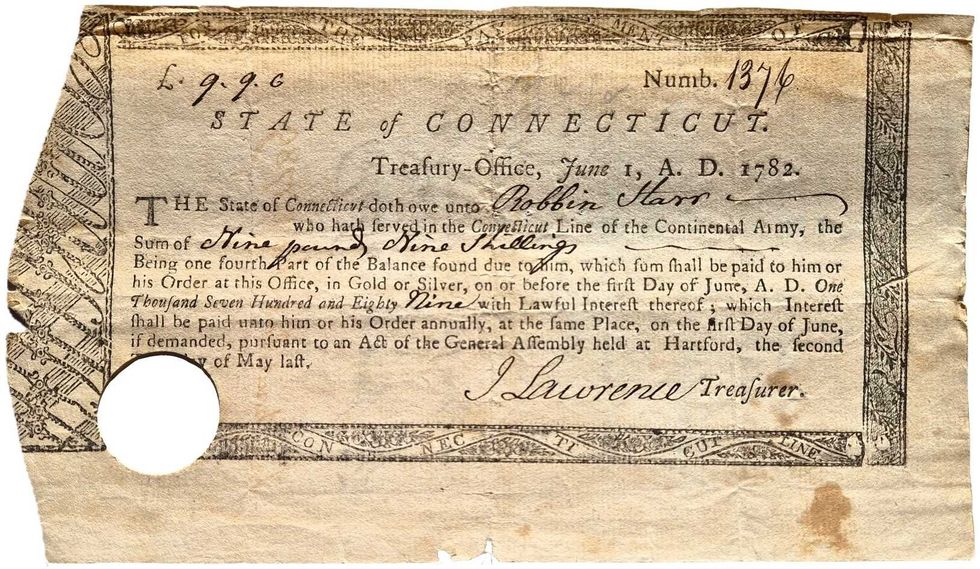 Pay Bill for Robin Starr’s service in the Continental Army.Courtesy the Alex Breanne Corporation
 John Mills speaking at Quinnipiac University.Courtesy the Alex Breanne Corporation
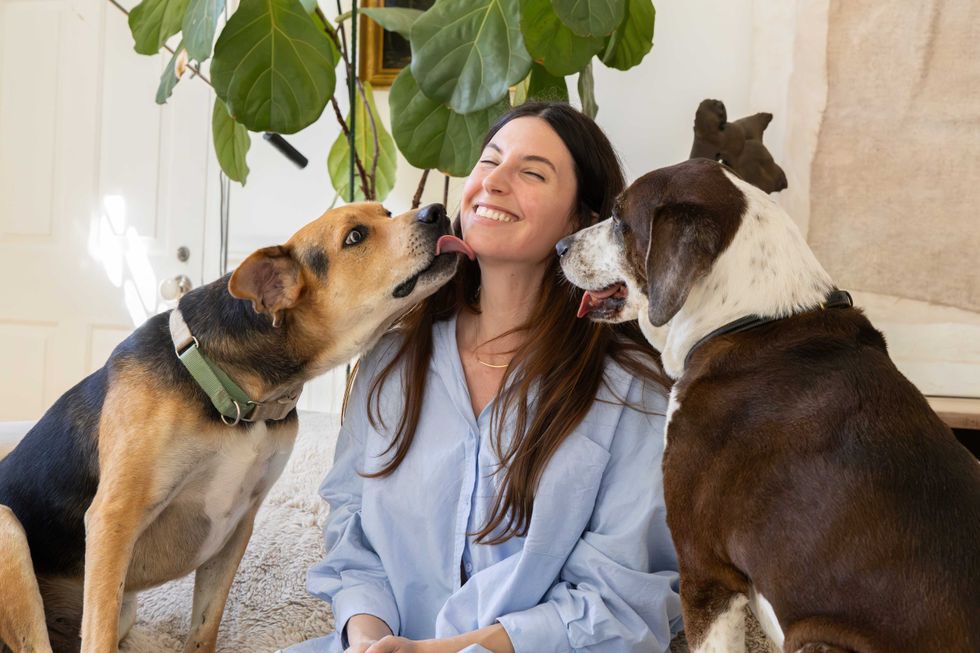 Stephanie Saetta,with her rescue dog George and Blue (left), a shepherd mix awaiting his forever home.Madi Long
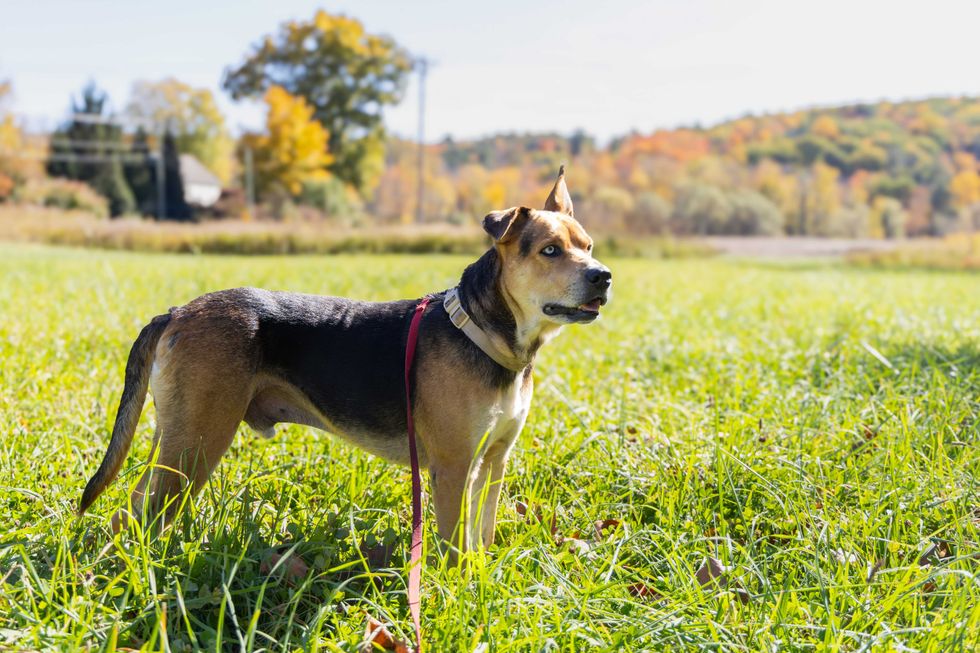 Blue, a 7 year-old Shepard mix, is waiting for his forever home. Madi Long