SALISBURY — Salisbury Winter Sports Association kicked off its centennial celebration Friday evening, Feb. 6, in classic festive style as temperate weather – alongside roaring bonfires and ample libations – kept Jumpfest-goers comfy as skiers flew, fireworks boomed and human dog sledders, well, did what human dog sledders do.
Before the truly hyperborean conditions of Saturday and Sunday set in, Friday night brought the crowds – enough that both the vast SWSA parking lot, and overflow, were completely full by 6:45 p.m.
SWSA President Ken Barker, found just after descending the steep, slick landing of the K65 jump in his characteristic crampons, said “this night is for the community and people turned out.”
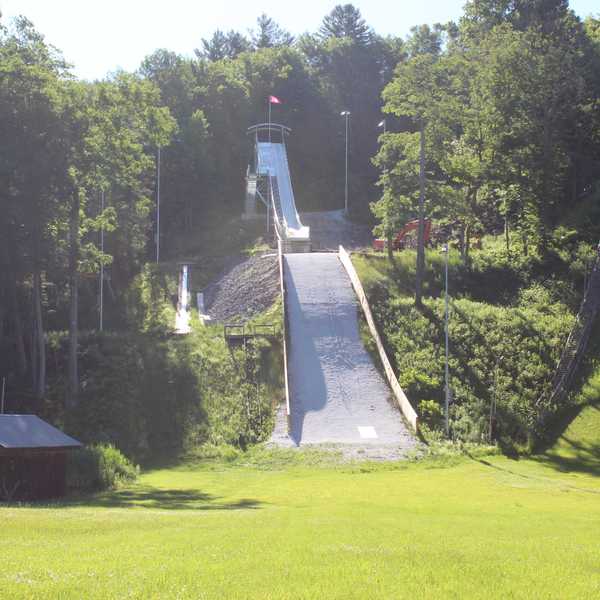
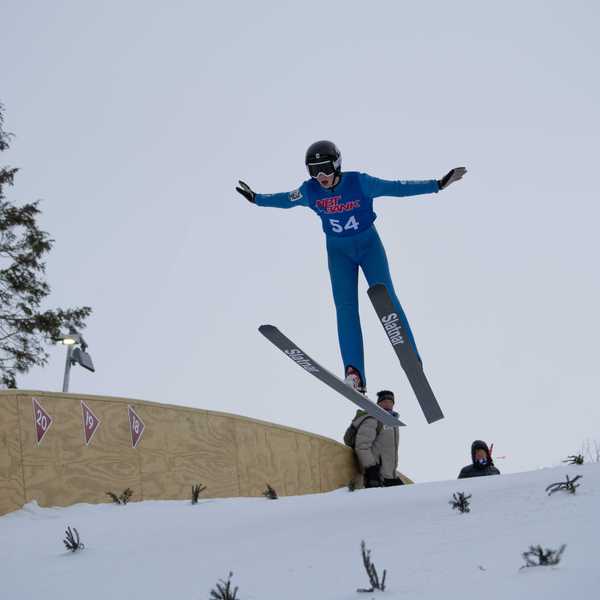
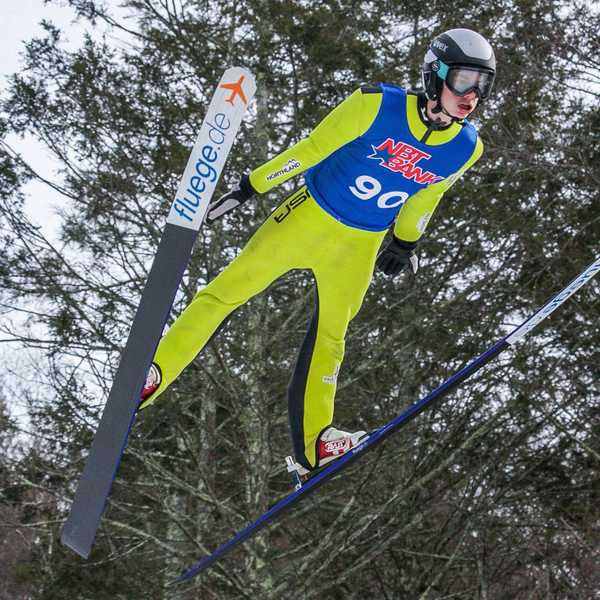
Target jumping launched just after 7 p.m. as skiers sought to hit a 65- meter and 70-meter distance – about 213 and 230 feet, respectively. For the 70-meter launch, Jack Kroll of Lake Placid, New York’s NYSEF team and Spencer Jones of Brattleboro, Vermont’s HHN outfit tied with 69-meter jumps and $500 on the line.
Light snow started to fall as fireworks launched from the top of Satre Hill, with SWSA’s red, blue and white colors illuminating the healthy snowpack below as watchers “oohed” and “aahed,” swilling specialty beers from Norbrook Farm Brewery, including an IPA brewed specifically for the event.
Wrapping up the evening was the always-anticipated human dog sled race, with spectators cheering, laughing and occasionally grimacing as teams of six – one sledder and five pullers – sprinted and sometimes sprawled across the icy flats below the K65 landing. The Terrible Toymakers ended up claiming the coveted victory, making quick work of the course with the evening’s fastest time of 21.19 seconds.
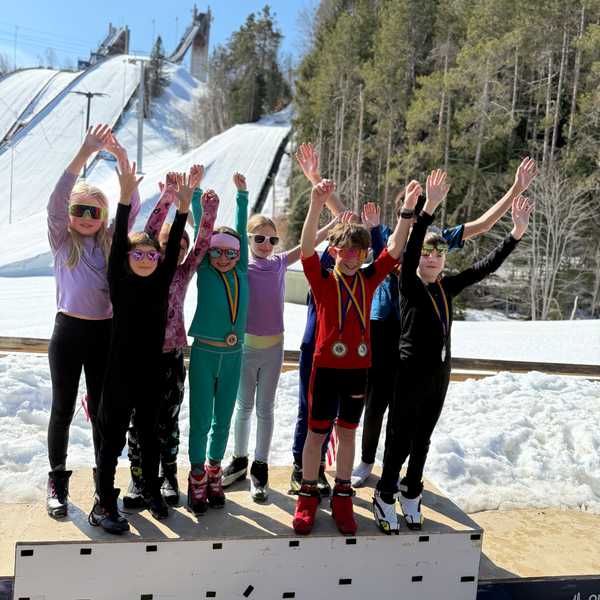
Saturday morning was met with single-digit temperatures and piercing wind. But that didn’t stop the youth jumpers from skiing down the K20 and K36 hills.
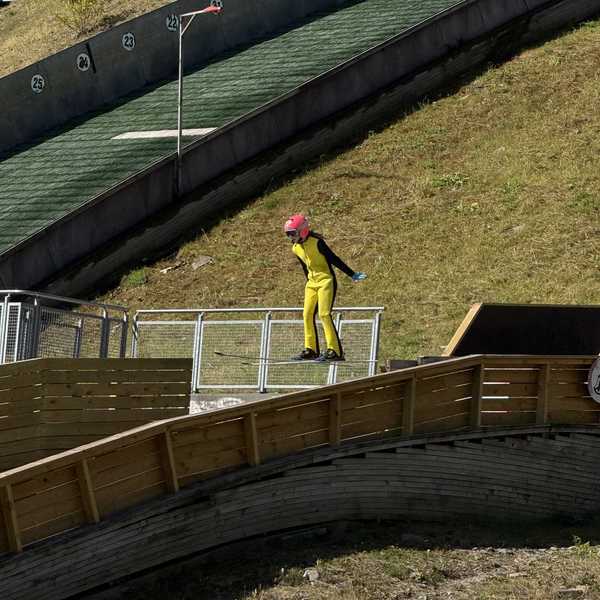
It was the first official launch of the new jump on the K36 hill. Spencer Jones caught big air in the youth competition and soared 35.5 meters, the longest jump of the morning.
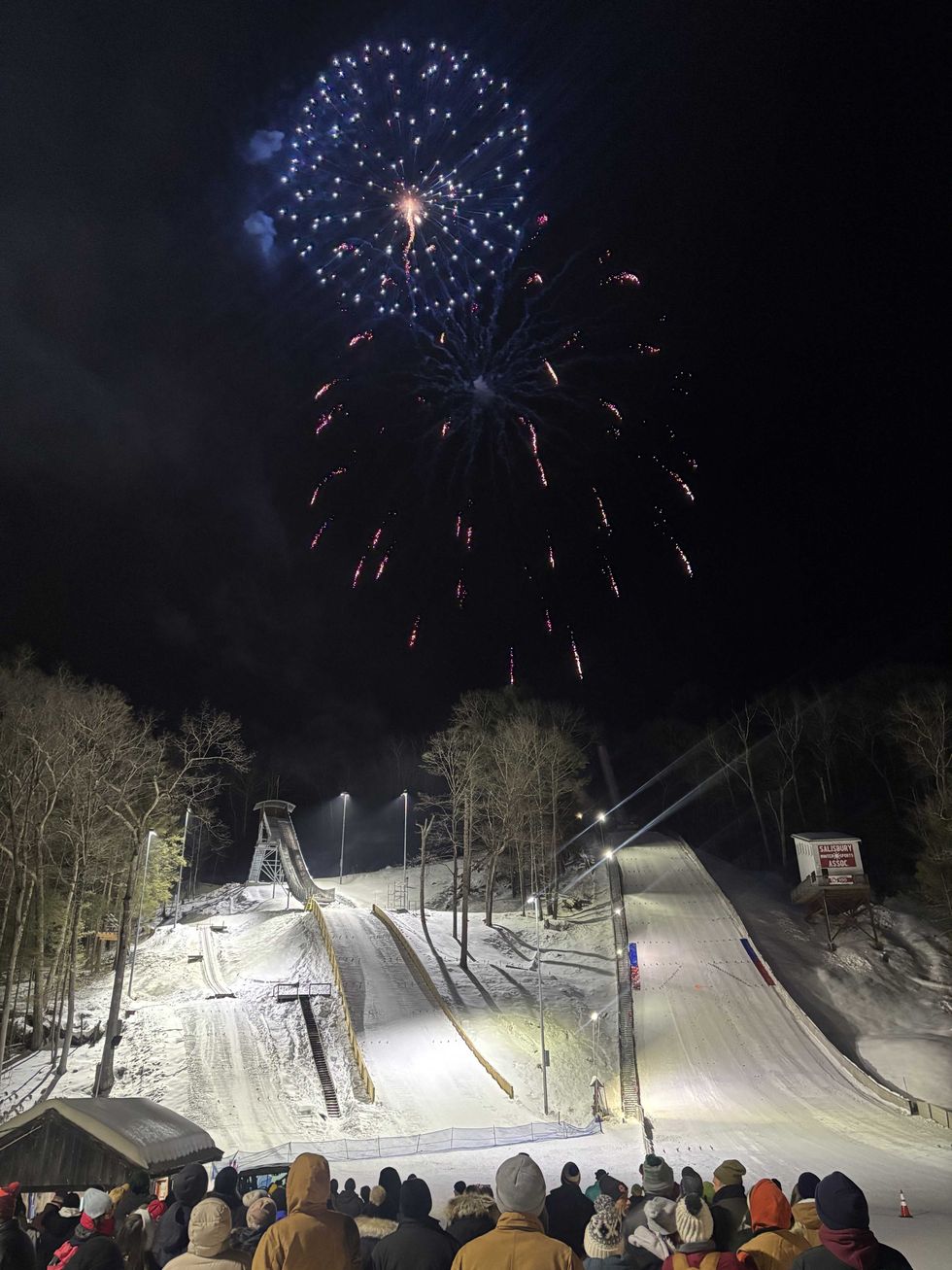 Fireworks over Satre Hill Friday, Feb. 6.Alec Linden
Guests entering Satre Hill were greeted by cutouts of ski jumpers who competed there over the past 100 years. Spectators huddled around the bonfires situated on either side of the landing zone. Mac-n-cheese provided warmth to some, while others went for hot toddies. And the SWSA snack bar was serving up burgers, hot dogs and brats.
Rocco Botto, a Cornwall selectman, was in attendance and said it was his first time at Jumpfest. He wisely wore four layers of clothing to combat the cold.
Between events, some young spectators kept occupied by building an igloo. Before the roof of the structure could be built, it was announced that jumping for the rest of the day was postponed due to high wind. It was deemed unsafe for jumpers.
The Nordic combined competition took place Saturday afternoon, which combines ski jumping and cross-country skiing into a single winter sports event.
Sunday morning remained in the single digits, but the wind wasn’t as strong as Saturday. With the sunshine it was almost comfortable. A small but dedicated crowd of about 150 was on hand around 10 a.m. when the Salisbury Invitational event got underway with trial jumps.
One jumper was SWSA’s own Ariel Picton Kobayashi, author of “Ski Jumping in the Northeast: Small Towns and Big Dreams.” Islay Shiel, a junior at Housatonic Valley Regional High School representing SWSA in the competitions, placed second among females on the K65 hill. The winner was her Junior Nationals teammate Caroline Chor, who jumps for Ford Sayre. The duo won gold together at the Junior National Ski Jumping competition in Utah in 2025.
For ski jumping and Nordic combined results, see Skiers soar to Jumpfest podium.

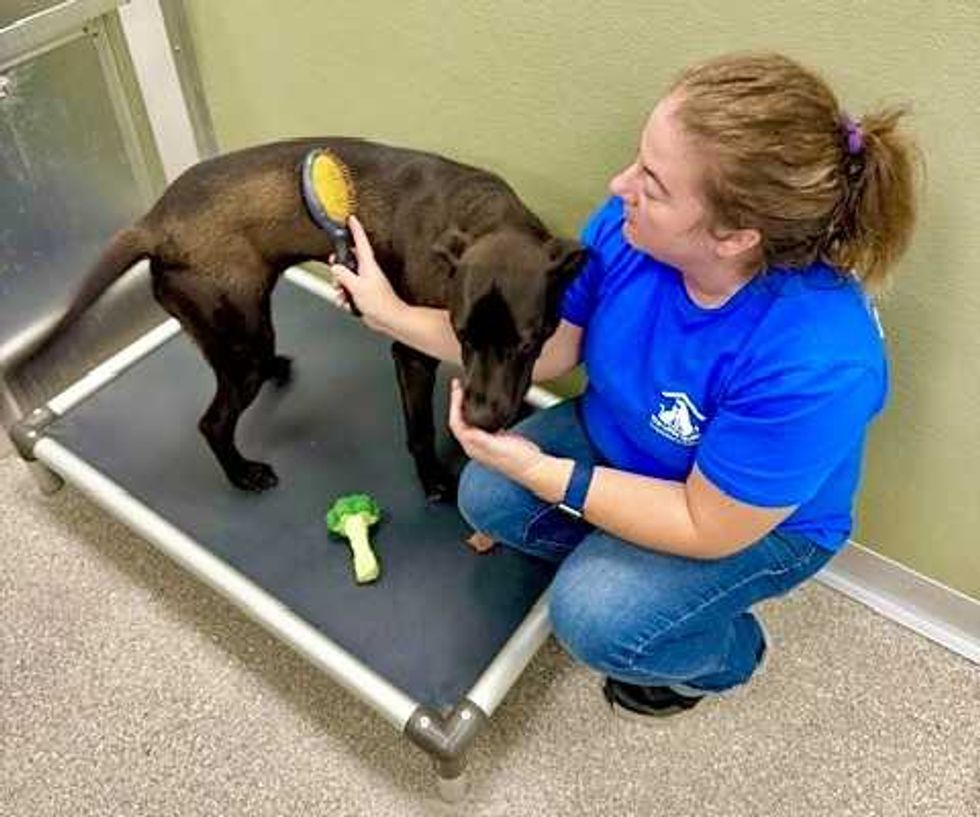 Tiffany Lemelin, shelter manager, brushing Marsala upon arrival.Provided
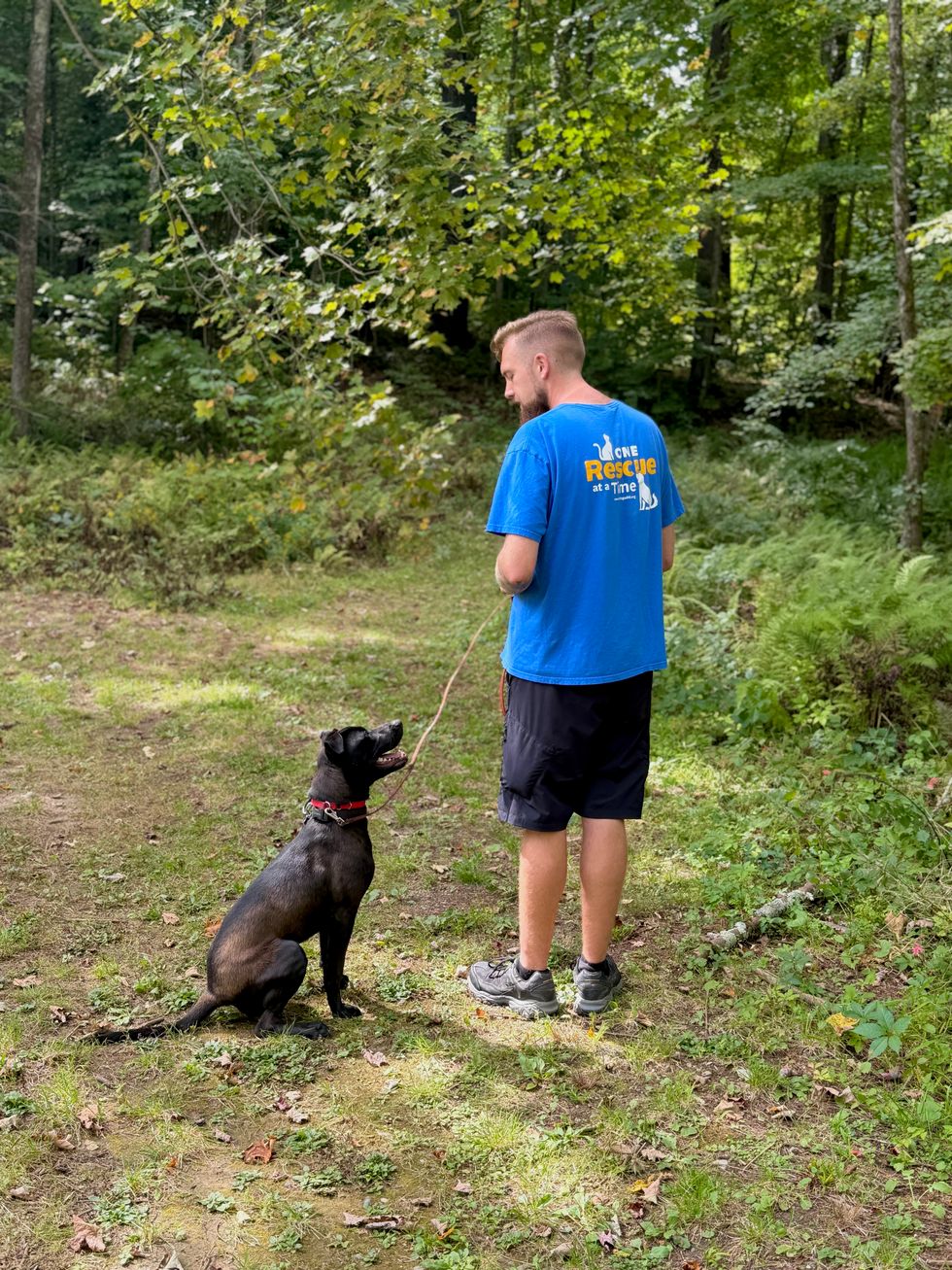 Michael DeBarba, certified dog trainer working with Marsala.Jennifer Almquist
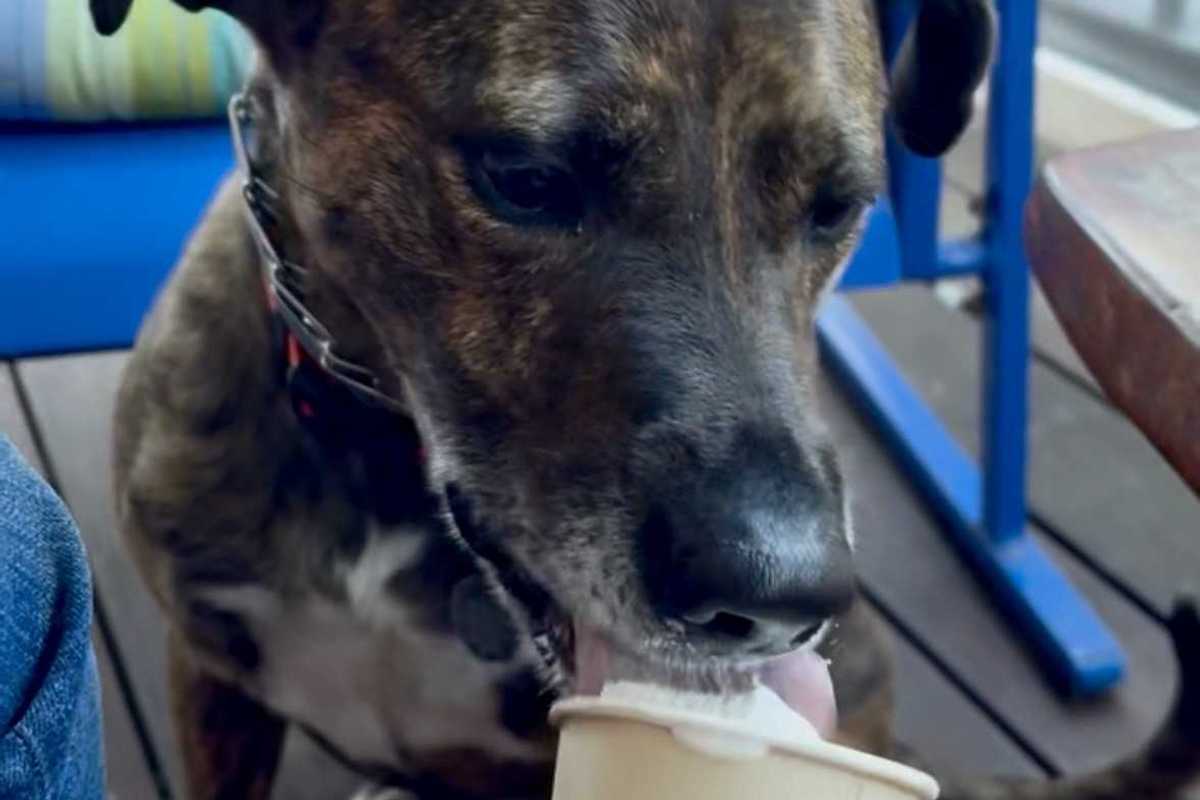
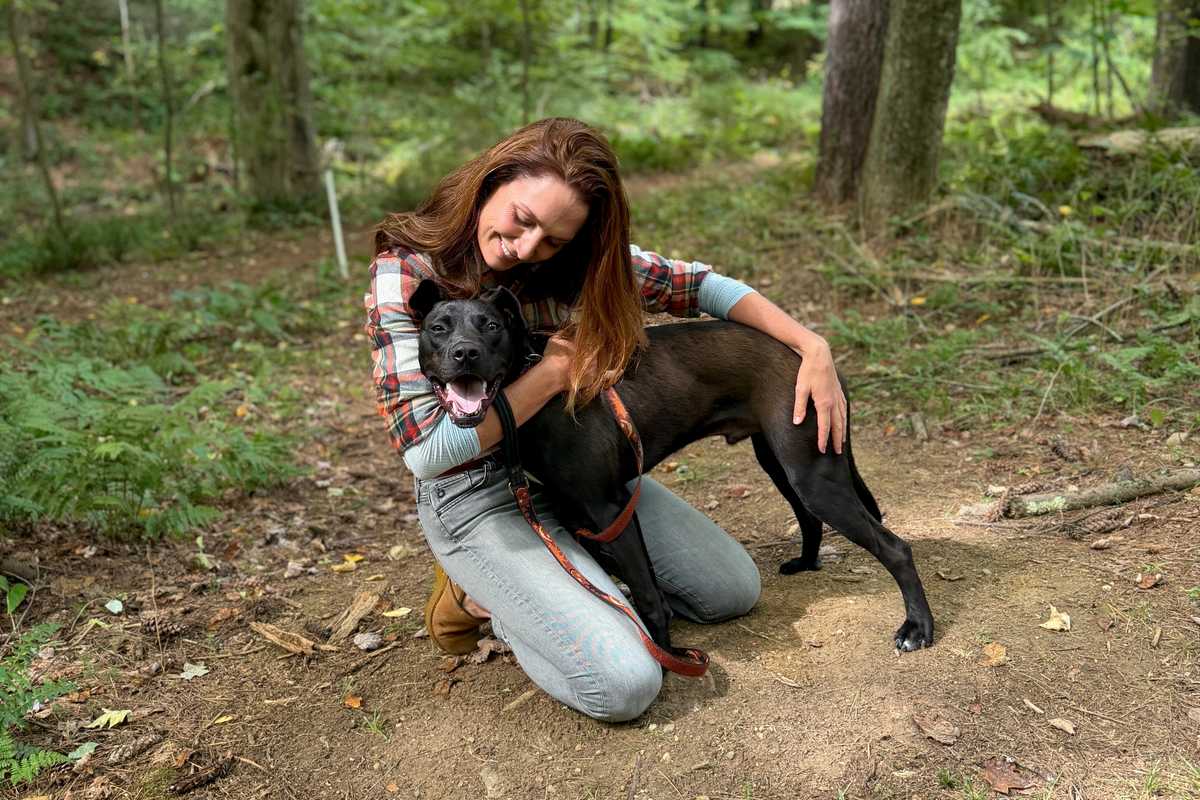 Marsala wins a heart.Jennifer Almquist
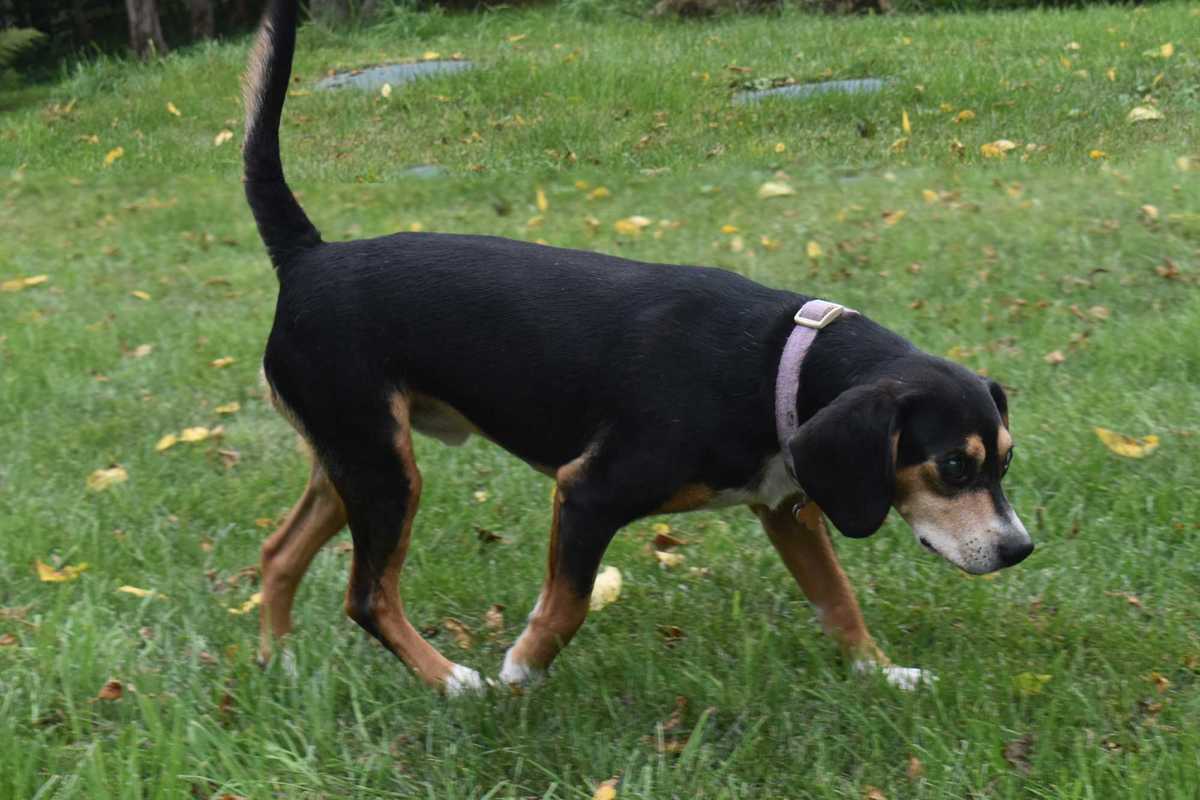
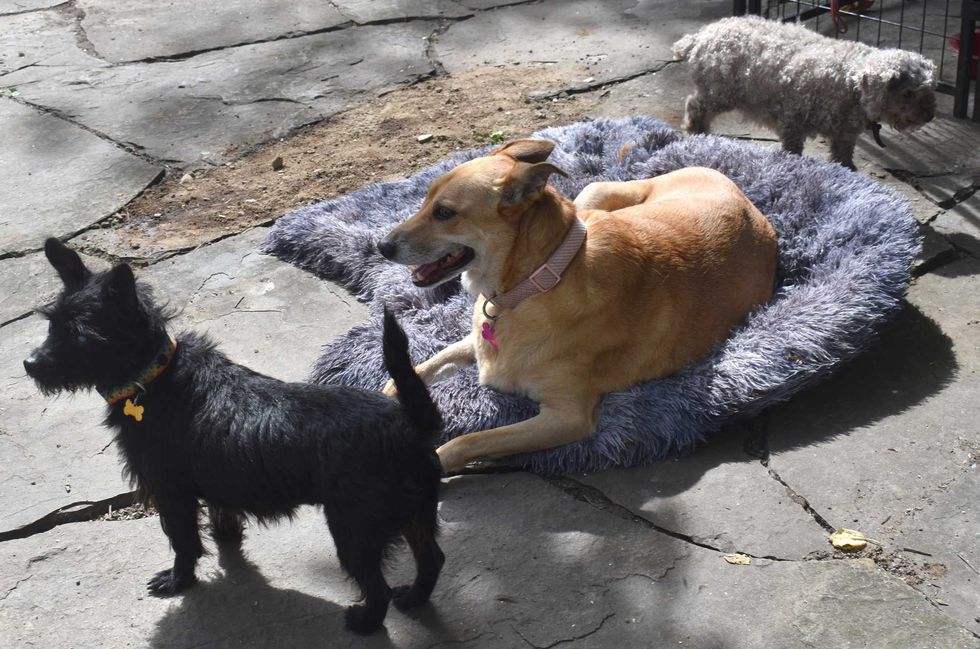 Sadie, center, a Carolina dog, plays with her friend Negra, a terrier mix. Bella Linda, the small poodle, has since been adopted.L. Tomaino
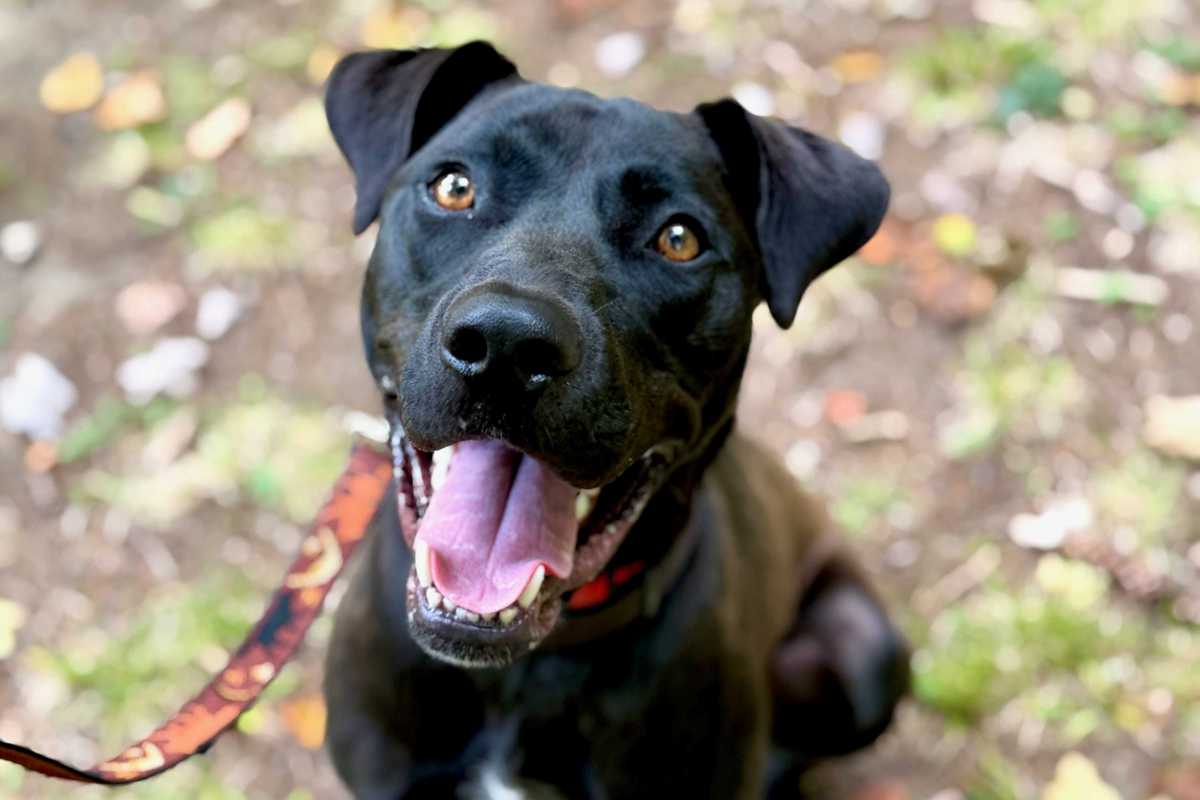
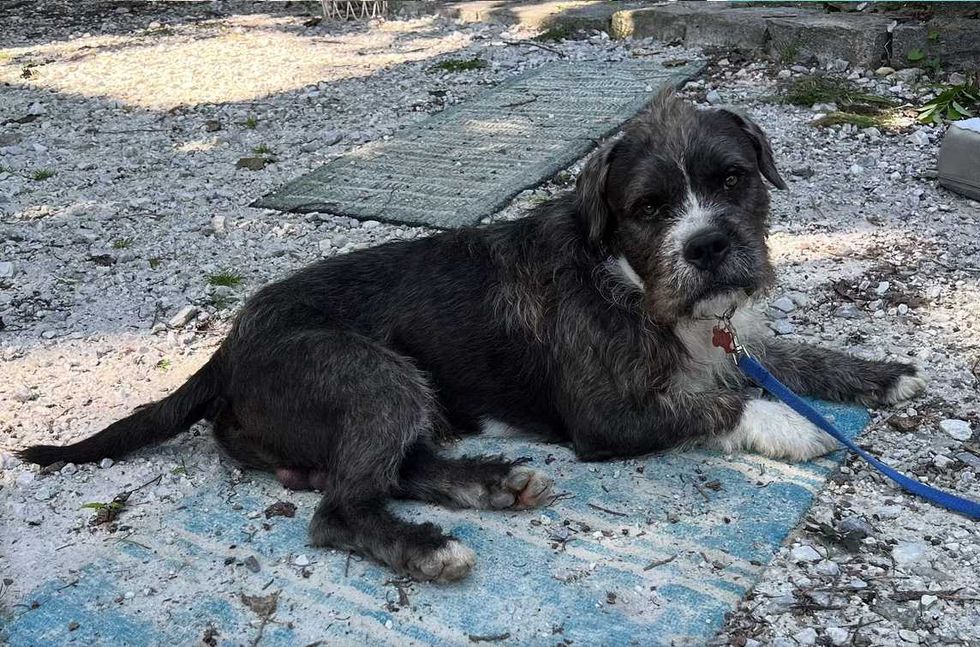 Wesley, a young, exuberant mix, is looking for an active home.L. Tomaino
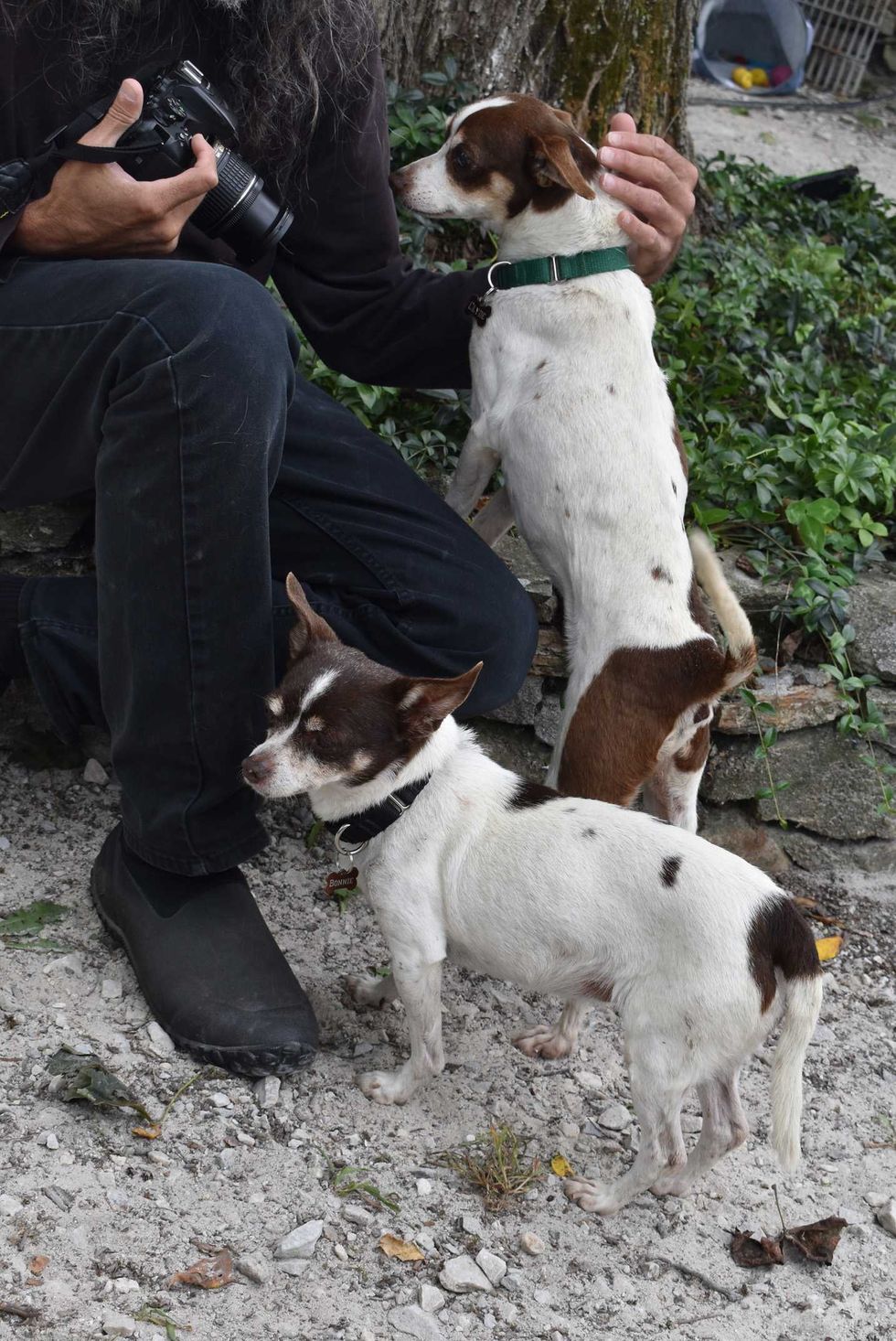 Bonnie and Clyde, an affectionate terrier pair.L. Tomaino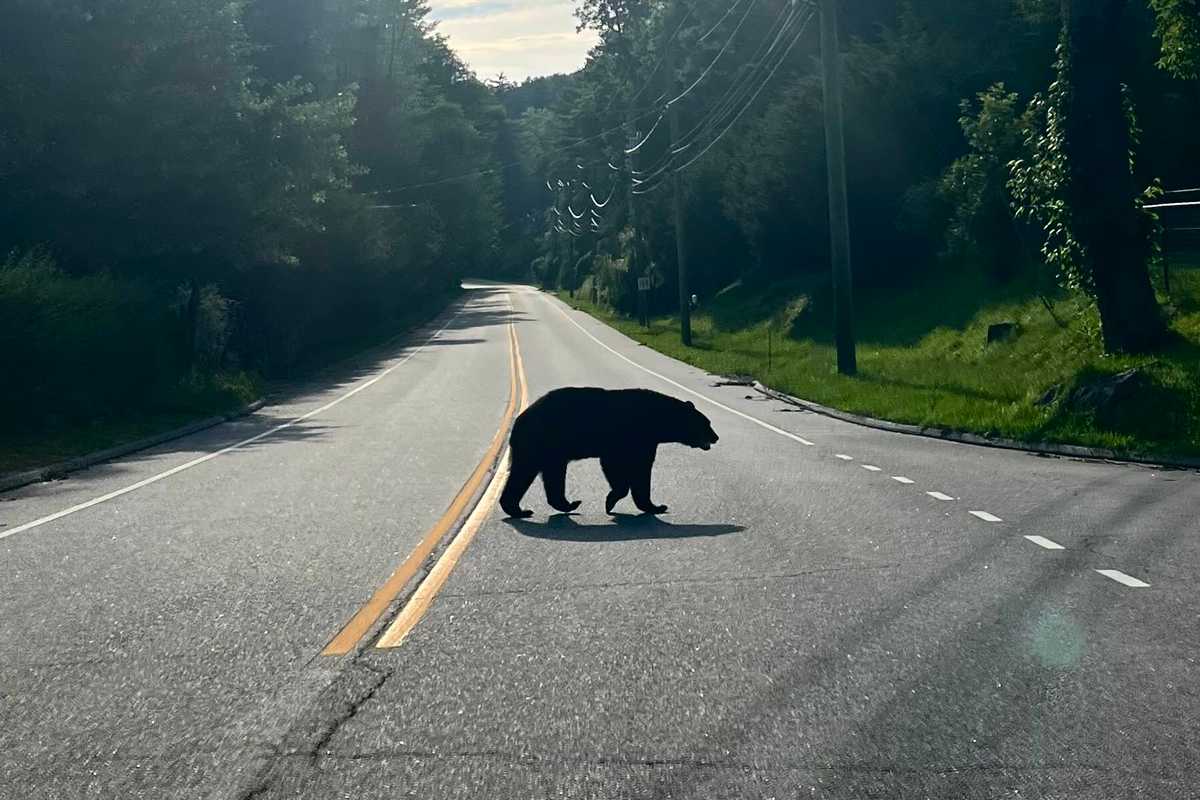

 Provided