You must figure that, as rough as the cold weather has been for us, it’s worse for wildlife. Here, by the banks of the Housatonic, flocks of dark-eyed juncos, song sparrows, tufted titmice and black-capped chickadees have taken up residence in the boxwood — presumably because of its proximity to the breakfast bar. I no longer have a bird feeder after bears destroyed two versions and simply throw chili-flavored birdseed onto the snow twice a day. The tiny creatures from the boxwood are joined by blue jays, cardinals and a solitary flicker.
These birds will soon enough be nesting, and their babies will require a nonstop diet of caterpillars. This source of soft-bodied protein makes up more than 90 percent of native bird chicks’ diets, with each clutch consuming between 6,000 and 9,000 caterpillars before they fledge. That means we need a lot of caterpillars if we want our bird population to survive.
So how do we ensure that there are sufficient caterpillars for them? That is the question, as caterpillars are very particular. Their butterfly or moth mothers cleverly attach their eggs to the very specific plants their tiny babies require. Once they hatch, the caterpillars eat the leaves of these plants until they are either picked off by birds to feed their young or create a chrysalis and turn into a moth or butterfly to repeat the cycle of life.
Some caterpillars are generalists and can survive on a variety of plants, but most — 90 percent, according to scientists — are specialists, relying on only one or two types of plants for survival. In their winged form, dietary restrictions ease as they source pollen more widely, but when it comes time to lay eggs, they use a keen sense of smell to find the specific plants that will help their young survive.
Research by Doug Tallamy shows that 90 percent of butterfly and moth species rely on just 14 percent of native plant species for food, which makes the planting of these “keystone” plants critical. Let’s review a few.
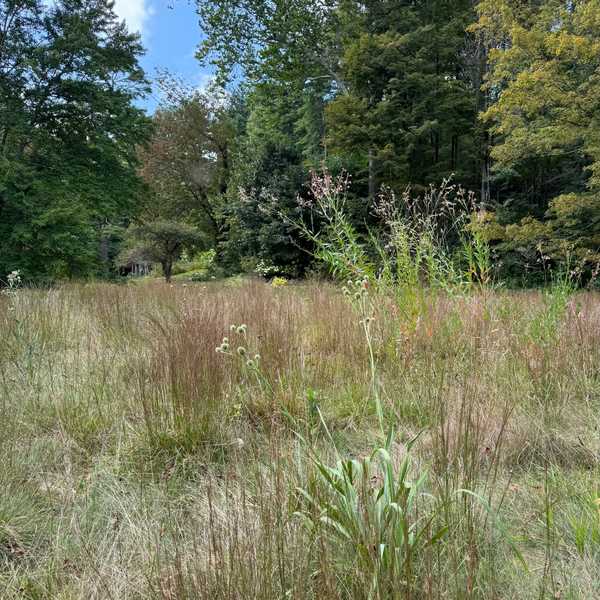
Goldenrod: Not all goldenrod is created equal. Old field goldenrod, (Solidago nemoralis), is a shorter and less aggressive alternative to the tall, aggressive goldenrod we are familiar with, as is wrinkleleaf goldenrod, (Solidago rugosa), a compact species that has arching sprays of bright yellow flowers supporting more than 100 species of insects. This species is deer-resistant with no serious pests or diseases. Last year, Mt. Cuba Center, a conservation center out of Delaware, focused its trials on goldenrod, and its research report, available online, is sortable not just by aesthetic attributes but also by the number of insects seen on each species.
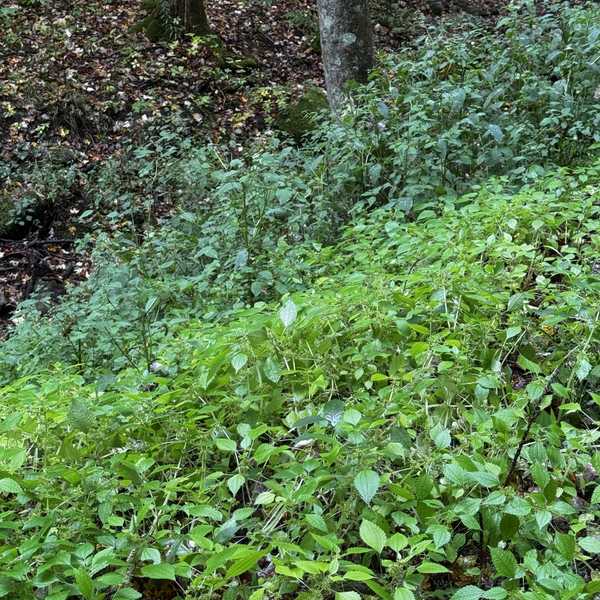
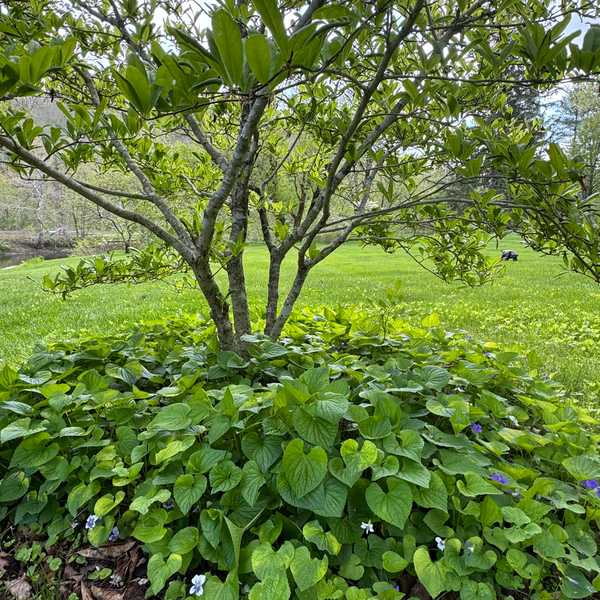
Scarlet strawberry: (Fragaria virginiana), is one of the plants I have had great luck growing in the woodland. When there is a new sunny spot, which happens when a tree or large branch falls, I plant a few strawberries, which I dig out of a spot where they are thriving. These plants make a great groundcover and are especially nice used under trees for caterpillar “soft landings.”
Spotted Joe-Pye weed: We see this plant, (Eutrochium maculatum), on roadsides in late summer, but it looks as sharp as an ornamental in the hands of Michael Trapp, who, in the garden behind his shop in West Cornwall, encloses a bed of Joe-Pye weed with a short boxwood hedge, dignifying this plant that supports between 35 to 40 caterpillar species, including those that become the three-lined flower moth, Clymene moth, ruby tiger moth, Eupatorium borer moth and great spangled fritillary moth.
I am less familiar with fireweed, (Chamaenerion angustifolium), but will be adding it this year, as it may be the prettiest of the keystone plants in our region and attracts the fabulous hummingbird sphinx moth. I will let you know when I find a local nursery that stocks it and, when planted, how it fares here.
Also keep in mind this spring: smooth aster, (Symphyotrichum laeve); white yarrow, (Achillea millefolium); and the beautiful Canadian columbine, (Aquilegia canadensis), which is the first food for hummingbirds’ arrival in the Northwest Corner.
Dee Salomon ‘ungardens’ in Litchfield County.



 Tiffany Lemelin, shelter manager, brushing Marsala upon arrival.Provided
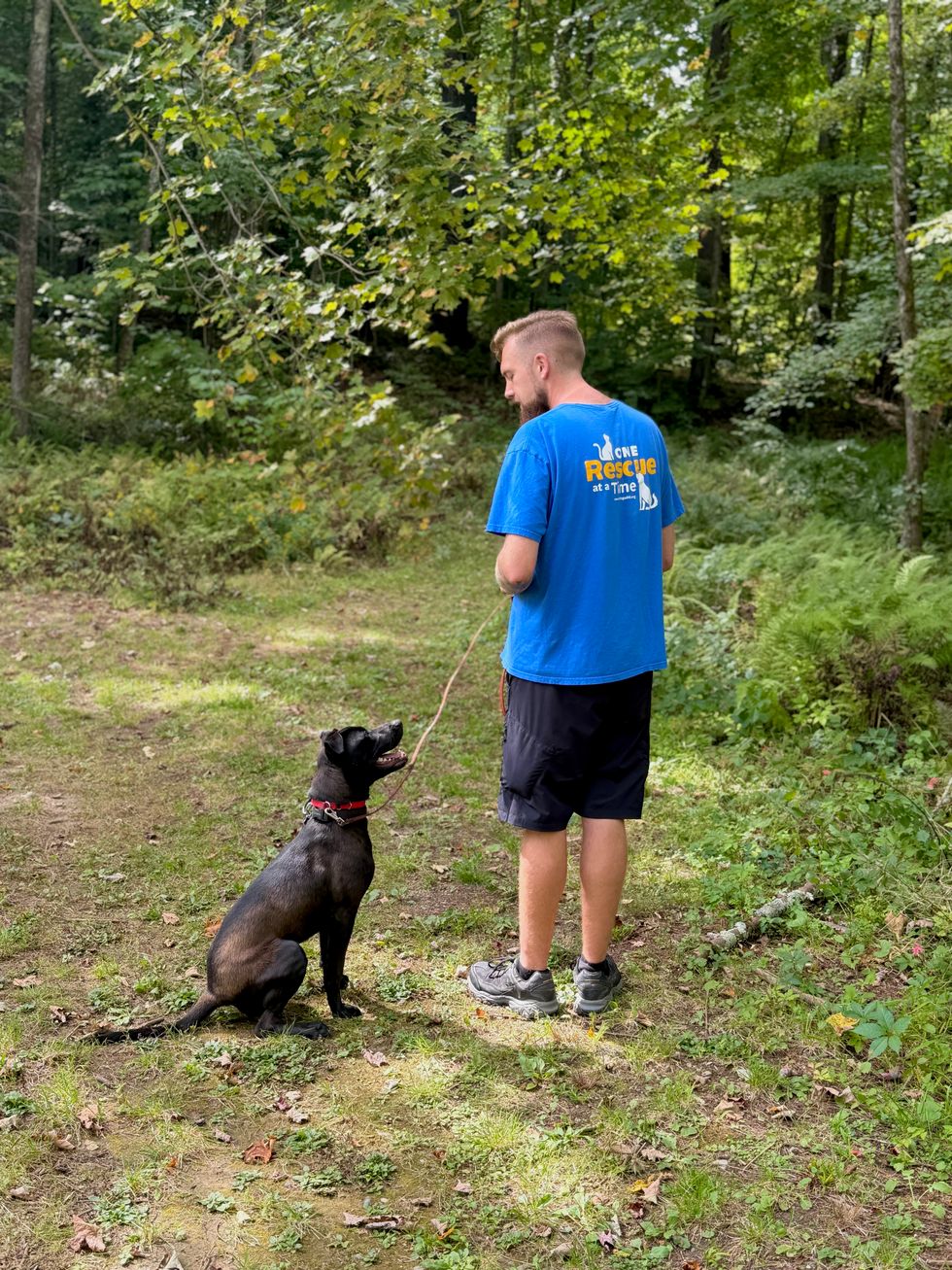 Michael DeBarba, certified dog trainer working with Marsala.Jennifer Almquist
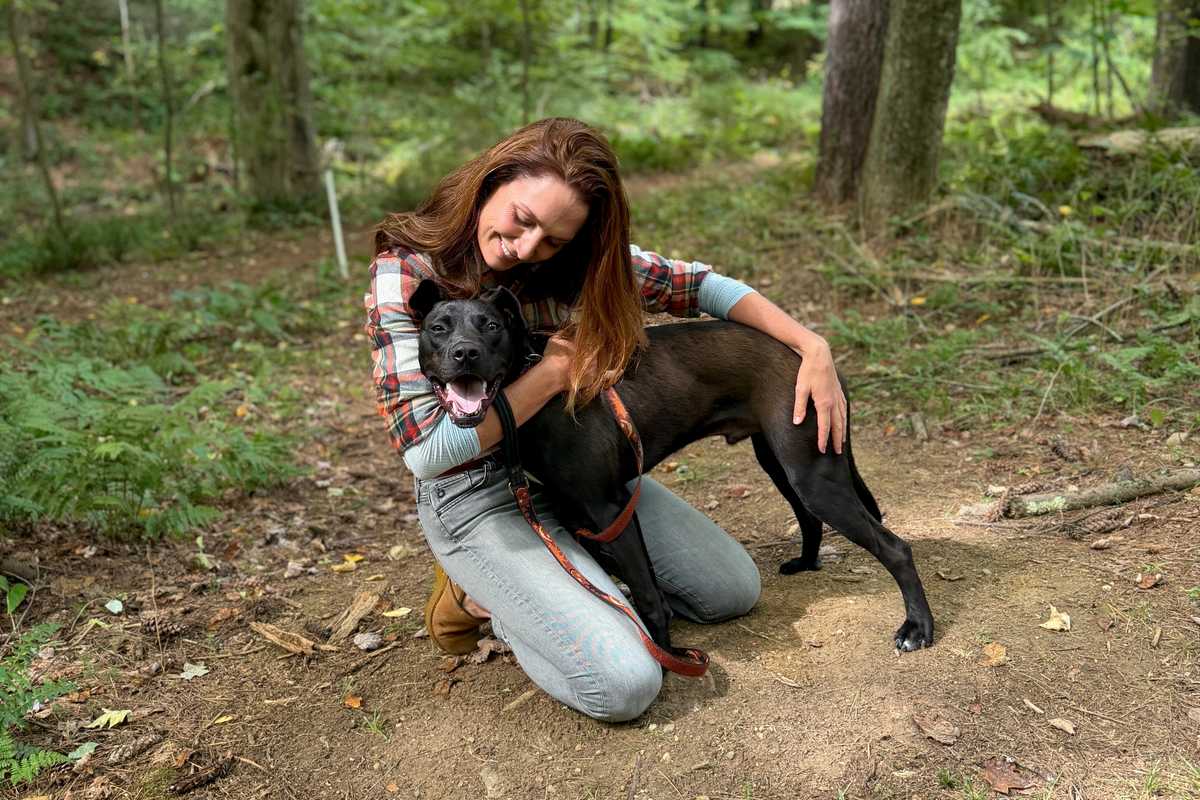 Marsala wins a heart.Jennifer Almquist
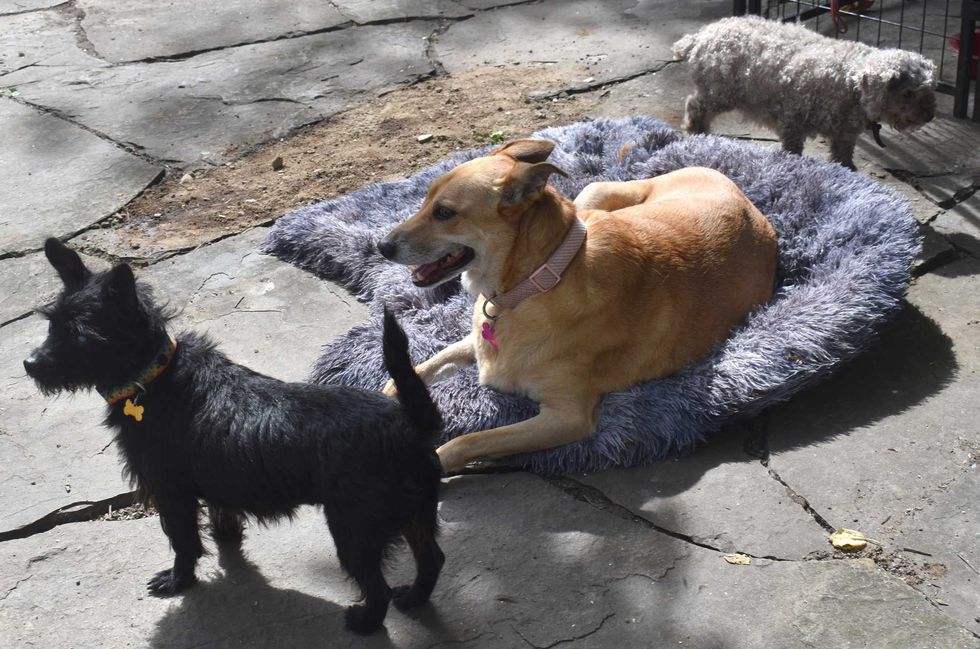 Sadie, center, a Carolina dog, plays with her friend Negra, a terrier mix. Bella Linda, the small poodle, has since been adopted.L. Tomaino
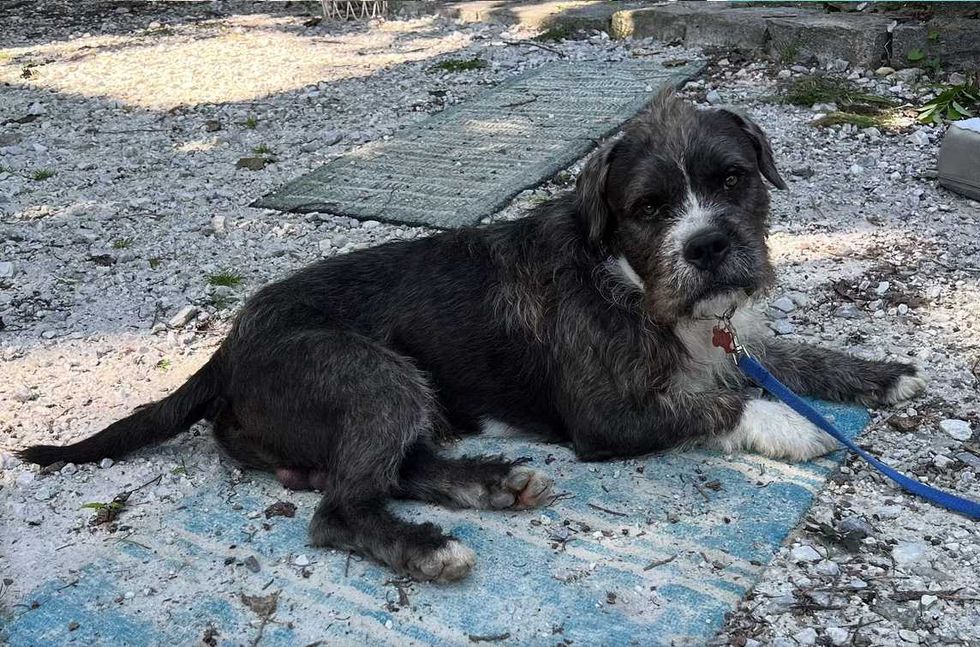 Wesley, a young, exuberant mix, is looking for an active home.L. Tomaino
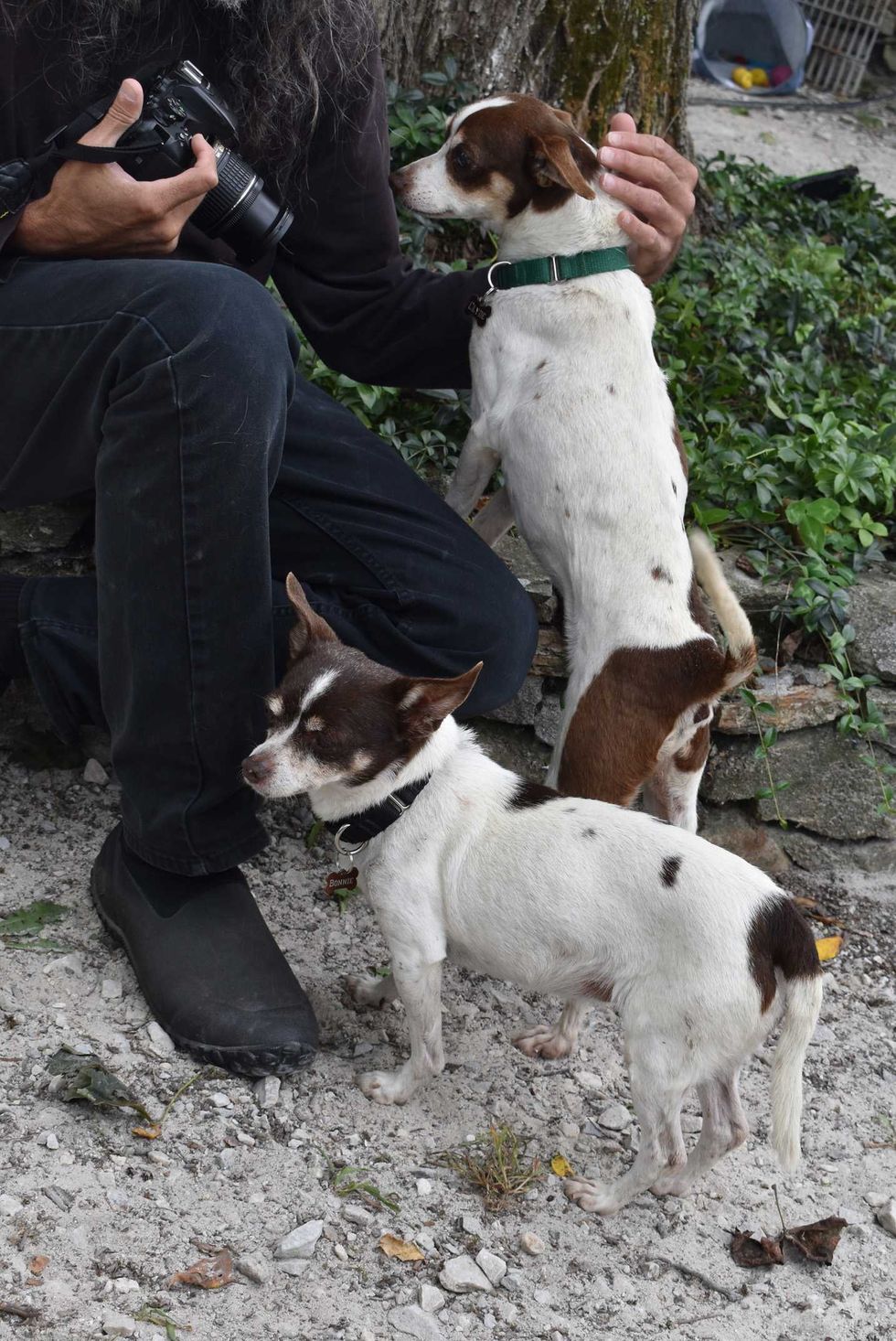 Bonnie and Clyde, an affectionate terrier pair.L. Tomaino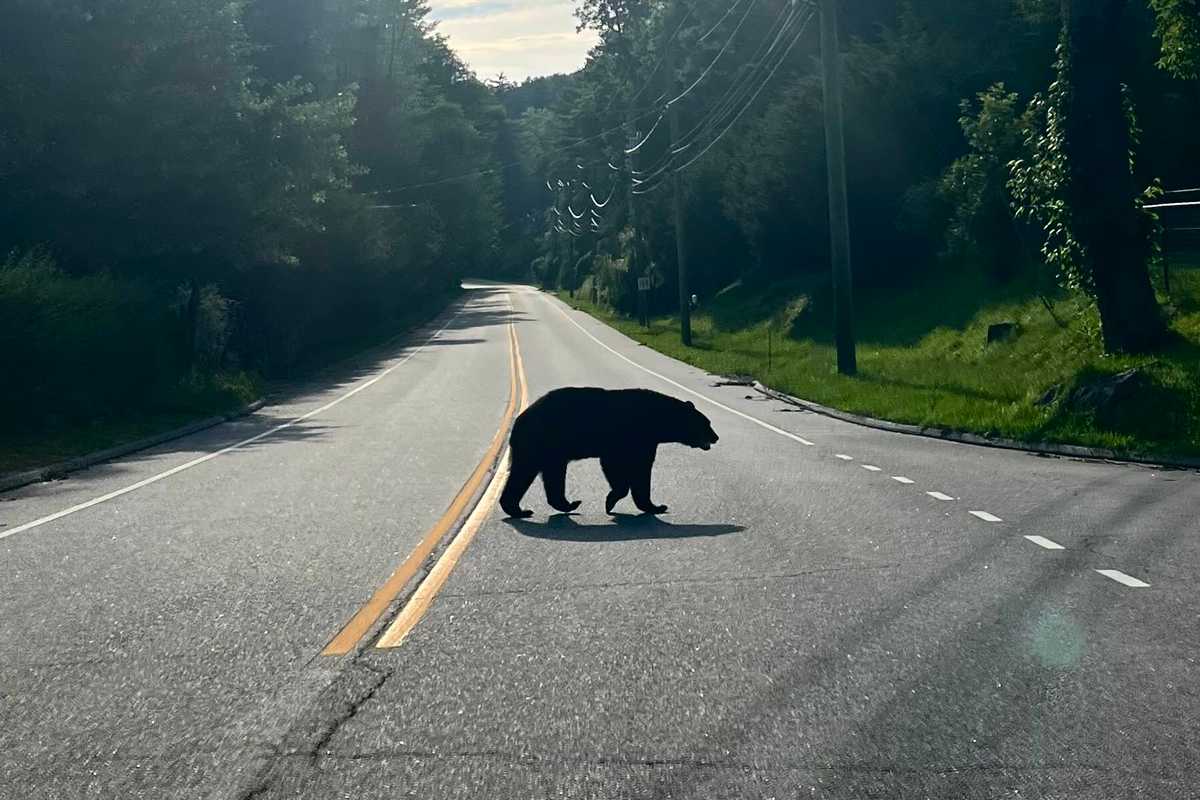

 Provided