The new fall cleanup
The almost two-month drought has made the exuberance of fall color all the more enchanting. How remarkable are the oaks this year, with their jewel-tone shades of deep red and reddish orange.You might not have been able to differentiate between oaks when all the leaves were all green, but now the swamp oak is distinct in color from the red, white or pin oak.
The pinkish purple of the almost translucent mapleleaf viburnum leaf makes up in color, if not quantity, what the gaudy burning bush used to accomplish on our property.I spotted a small volunteer Nyssa sylvatica by its shockingly brilliant red color, Pantone number 180, to be exact.Its seed may have traveled along with a mountain laurel we planted over a decade ago.
By now, you know to leave the leaves on the ground and not sweep them up. It might seem untidy, but these leaves are the winter home for caterpillars and other beneficial insects that will feed baby birds when they hatch in spring.Turn your attention instead to another kind of fall clean up.
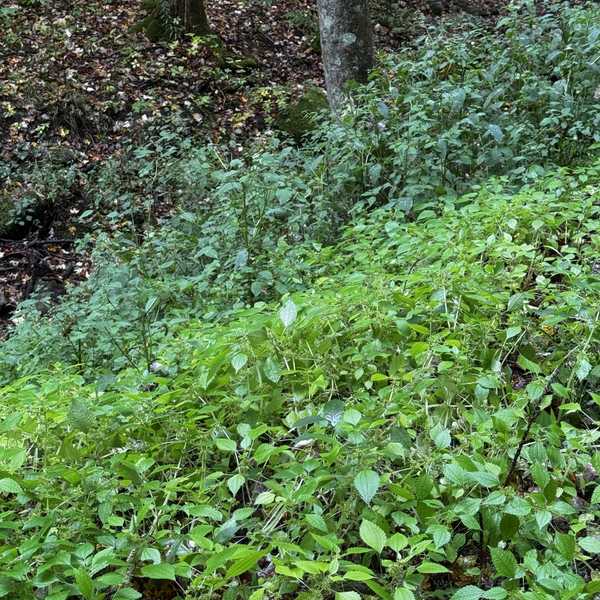
With many of the leaves gone, you can now clearly see the lingering leaves and berries of the invasives that are causing harm to your soil and trees. It is peak burning bush season; their scarlet leaves signal you to them.The smaller ones — less than 2 feet high — are easily pulled out of the ground with roots intact.Same for the pale-yellow leaves of bittersweet vine running vertically on trees — pull them out and observe the orange roots.
Pulling after a rain is always easiest. After a hard frost, we will need to move on to other tasks, as plant roots might easily snap off from the stems, remain in the ground and regrow.Our next window for pulling will be the spring thaw.
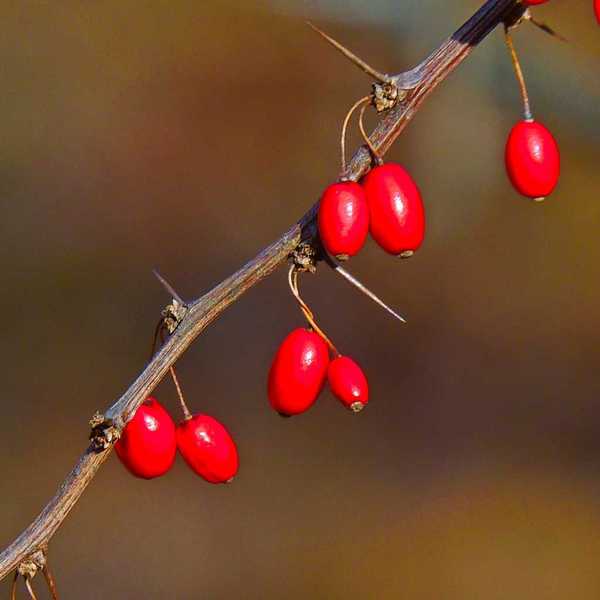
If you feel ambitious, the bright red berries on bittersweet and burning bush — as well as those on barberry and multiflora rose — scream for your attention.These will require a gloved hand and secateurs or loppers. Add the berries to your fireplace or a winter bonfire so that they don’t have a chance to germinate.
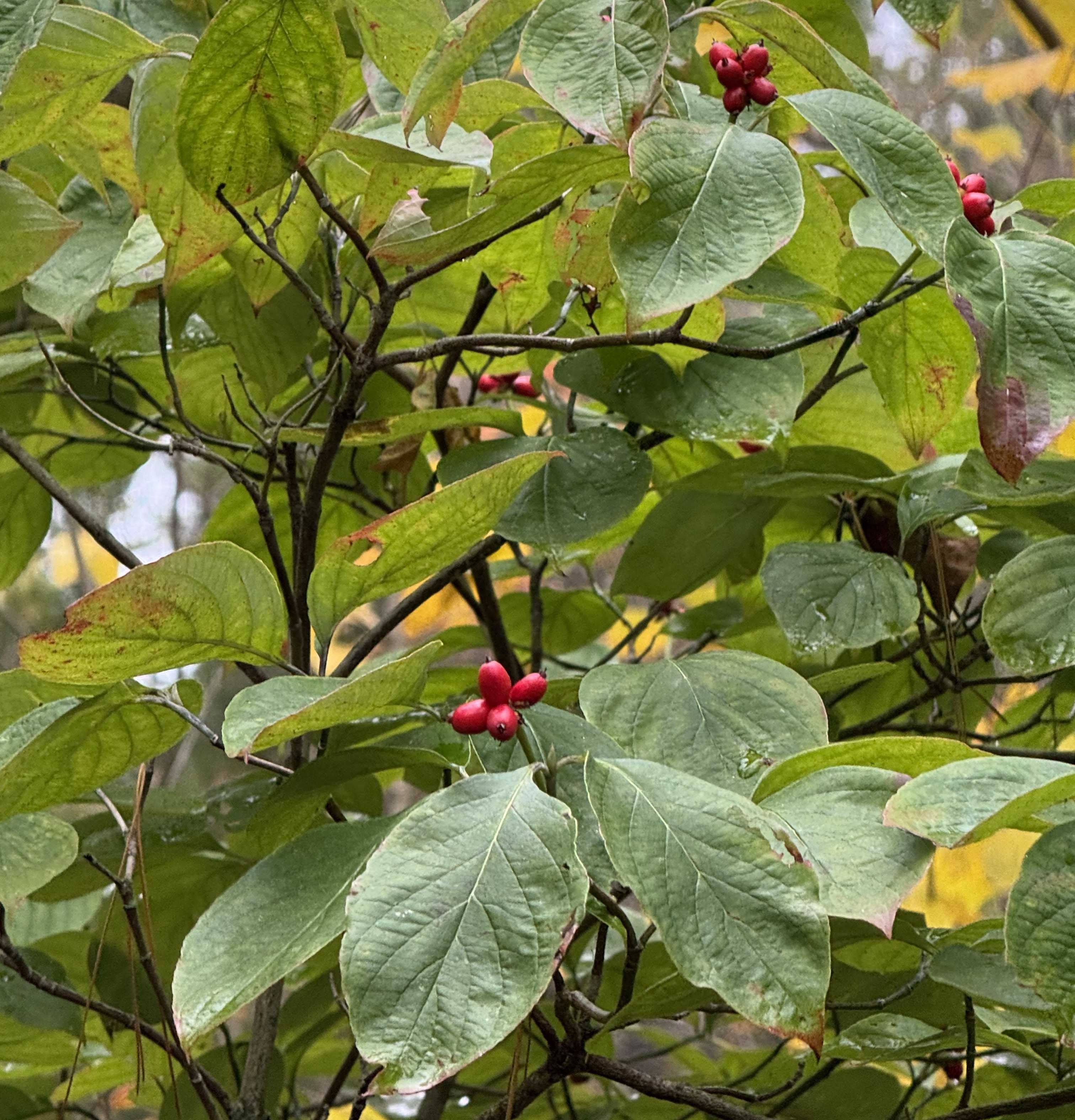 Native Dogwood berries Dee Salomon
The abundance of berries on our native shrubs and trees this year is quite the bird buffet. A few weeks ago, the migrating birds were stocking up on aronia berries while here, in a friend’s backyard, a hedge of gray dogwood was stripped of its white berries overnight.The rest they seem to spare for the over-wintering birds, who here at least will have dogwood, winterberry and the American holly that the robins will strip bare in early March.
All of these are native and most of them were planted by us.I have written in a previous Ungardener column of the science behind why native berries are critical sustenance for overwintering and migrating birds (“Birds in a Candy Store,” January 2024) and why the berries on the pervasive and invasive barberry, bittersweet, burning bush and multiflora rose do not provide our feathered friends with the fats and proteins they require to survive.
Leaving leaves, removing invasives and planting natives that grow food for birds — these are the new fall chores. Have a wondrous autumn season!
Dee Salomon ‘ungardens’ in Litchfield County.



 Tiffany Lemelin, shelter manager, brushing Marsala upon arrival.Provided
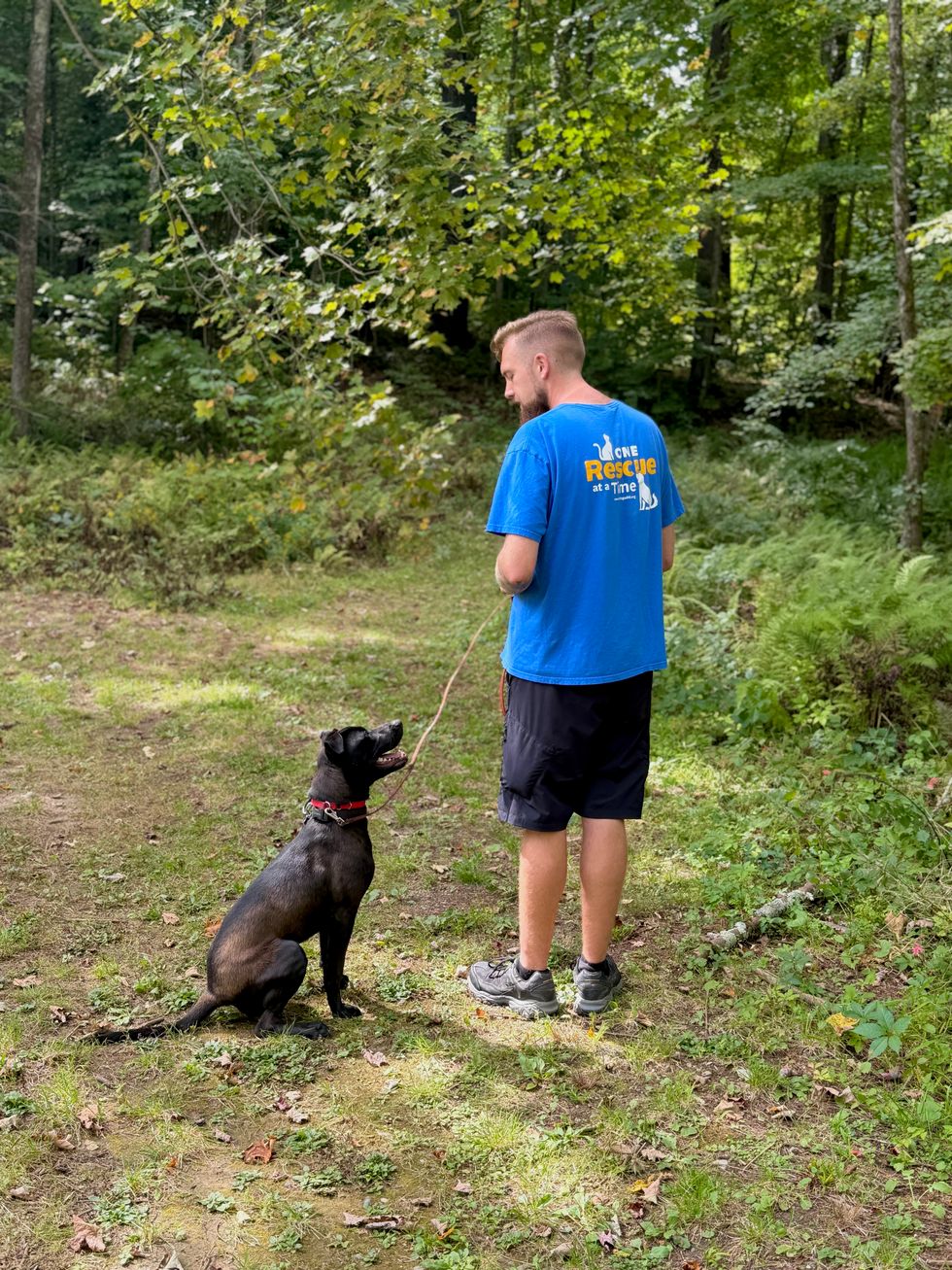 Michael DeBarba, certified dog trainer working with Marsala.Jennifer Almquist
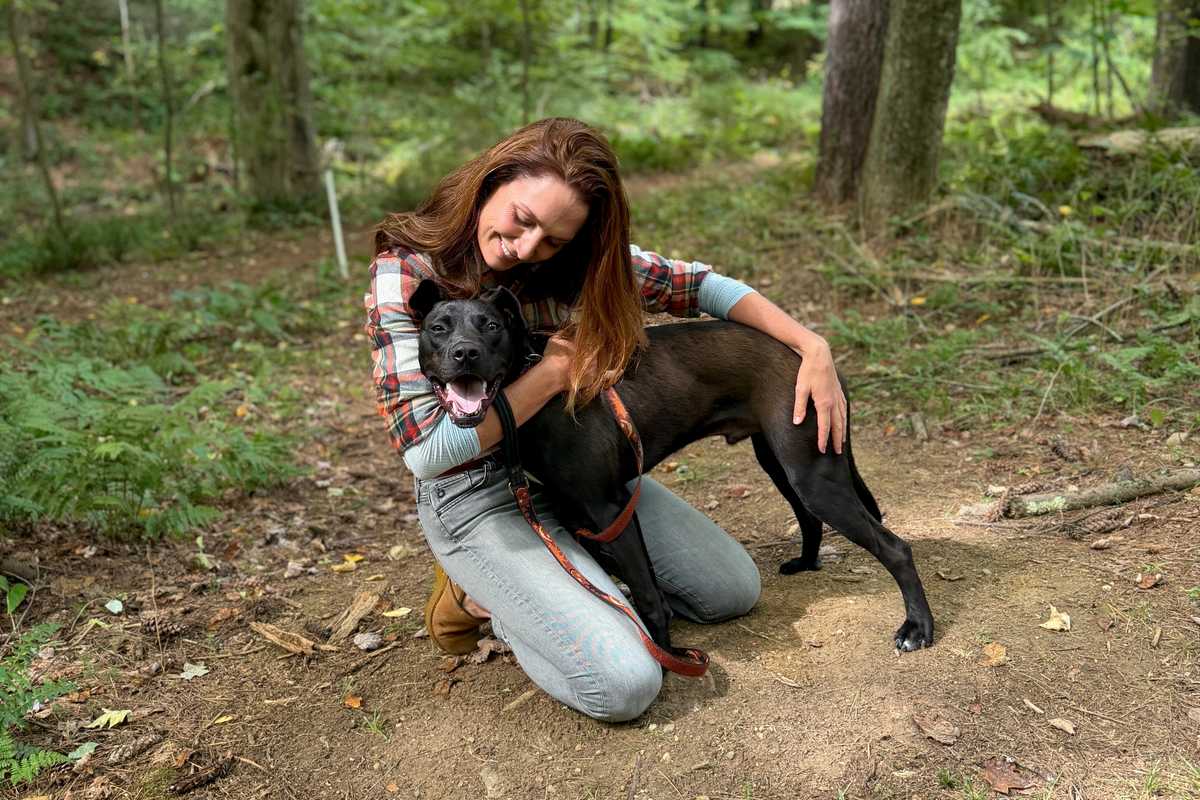 Marsala wins a heart.Jennifer Almquist

 Sadie, center, a Carolina dog, plays with her friend Negra, a terrier mix. Bella Linda, the small poodle, has since been adopted.L. Tomaino
 Wesley, a young, exuberant mix, is looking for an active home.L. Tomaino
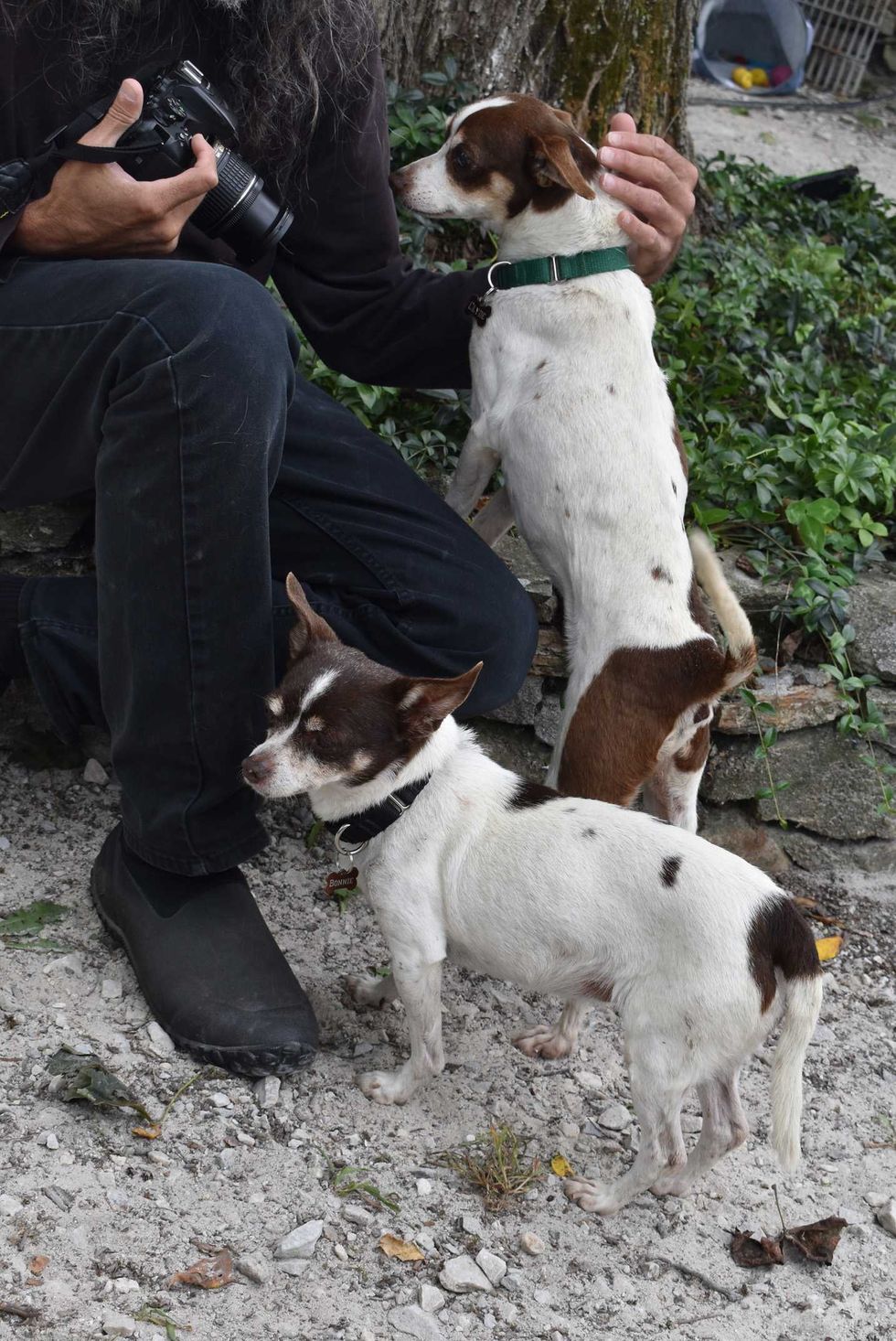 Bonnie and Clyde, an affectionate terrier pair.L. Tomaino

 Provided