MILLBROOK— From small agrarian communities to bustling hubs of commerce, much of Dutchess County development coming into the 20th Century was due to the advent of the railroad.
The year 2019 will mark the 150th anniversary of the arrival of the railroad into Millbrook, and the Millbrook Historical Society took note of this with the topic of its first fall meeting on Thursday, Sept. 20, by inviting three gentlemen from the Hopewell Junction Restoration program to speak.
In almost every aspect, the Millbrook Depot and the Hopewell Depot were very similar. A model of the Millbrook Depot was there for viewing. The Hopewell Depot could be seen on a video, along with an oral history provided by the late Bernie Rudberg.
Rudberg retired from IBM in 1991 and became more involved in the history of the railroads, inspired by the fact that his forefathers in Sweden were railroading men. He wrote three books about the railroads and was a cherished contributor to local railroad history until his death in 2016.
The presenters at the Millbrook talk, Joe Sullivan, John Desmond and Paul Stitch, took turns talking about the railroads, each bringing their own area of expertise. They also furnished the audience with a map and a grid of the railroads and tracks that were prominent during their heyday.
Stitch spoke first, telling of the three factors that made the railroads possible after the Civil War. There was surplus money to spend; due to the shortage of goods that were available during the war, people couldn’t spend so they saved. The spirit of entrepreneurship was born, and social change was enveloping the country.
Railroads were the means of transporting coal from Pennsylvania and became a tool for delivering goods to and from rural areas to cities, such as Poughkeepsie and New York City. This was especially true of dairy products. Local cows became milking cows, and businesses such as the Borden Company in Wassaic were born. Borden, which at its peak was transporting 6,000 gallons of milk per day, also produced baby formula and condensed milk until the start of evaporated milk
It was also possible to transport other goods, produce especially, but also marble and machinery. Factories sprung up, and for a period of years the railroads sustained industry and transportation.
Early trains mixed freight cars with passenger cars. The advent of passenger cars meant city dwellers had a means to get into the rural areas; people vacationed, restaurants and stores opened, so other capital ventures grew. All that money generated the growth of banks and other services.
There were at least 10 railroad lines at one time; they kept changing hands as their fortunes ebbed and flowed, but there were 300 miles of track that touched just about every village in the county.
The railroads are also cited for making secondary education possible for county residents. Most schools taught the basics, and education was limited to the completion of eighth grade. Special railroad cars, made just for that purpose, allowed many young people the opportunity to travel to places that offered higher education, such as Poughkeepsie and New York City. For the first time, students could continue their education and still dwell at home to contribute to the family livelihood.
The railroads were responsible in large part for post offices. Many depots had post offices nearby; mail could be carried by train for faster service and packages could also travel by rail. Telegraphs, telephones and other ways of communicating came to be, and even very rural areas were able to tap into the national scene. The very first public pay phone was installed at the Hopewell Junction Depot.
Nabisco products, printing and elevator parts were made and shipped by rail.
Popular use of the automobile was one of the factors that led to the demise of the railroad in the first half of the 20th Century. People could get in their cars and go wherever they preferred without adhering to someone else’s schedule. Not only that, but they could go directly from one spot to another without having to get to and from depots. As automobile use grew, so did the trucking industry — and there was less dependence on railroads and trains.
By 1938, passenger trains no longer ran in the county; some freight routes remained. Much of the metal track was sold to Japan in the late ‘30s. In 1974, Metro North closed, and in 1982, the last train from Poughkeepsie ended the passenger era. Today, many of the old train routes have become Rail Trails.
A tour of the restored Hopewell Depot was offered on Sept. 22. The depot and the switching depot are open for visitors, and donations and volunteers are being sought for help in maintaining this part of American and Dutchess County history. To donate, volunteer or to visit, go to www.hopewelldepot.org.
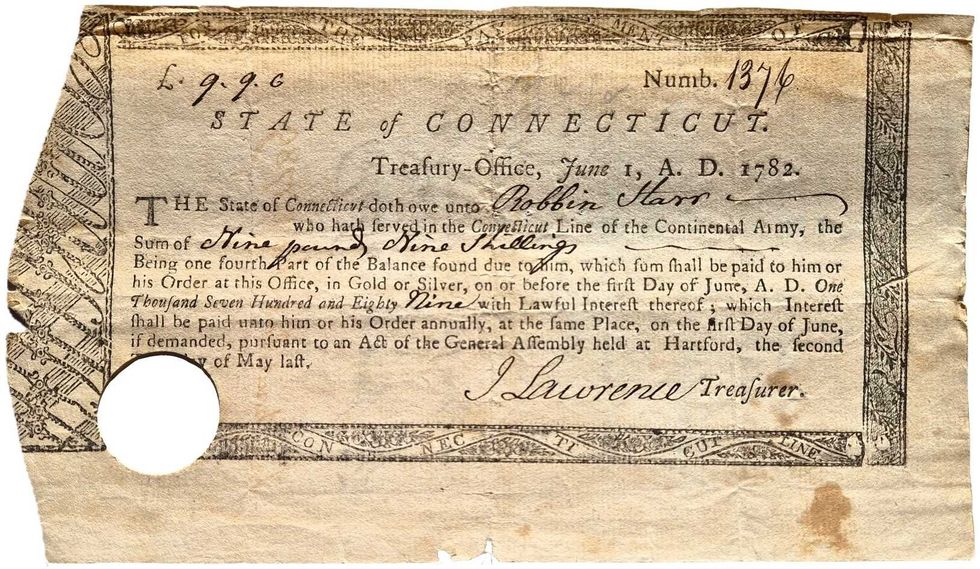 Pay Bill for Robin Starr’s service in the Continental Army.Courtesy the Alex Breanne Corporation
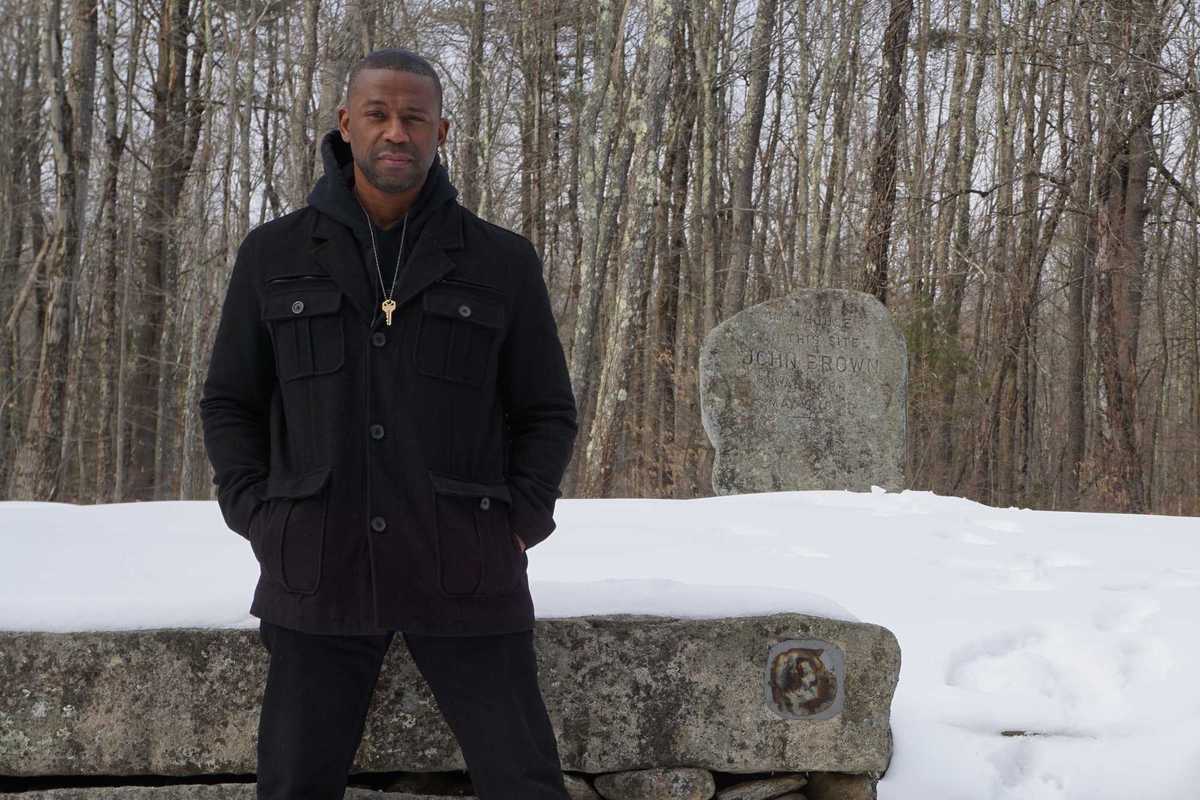
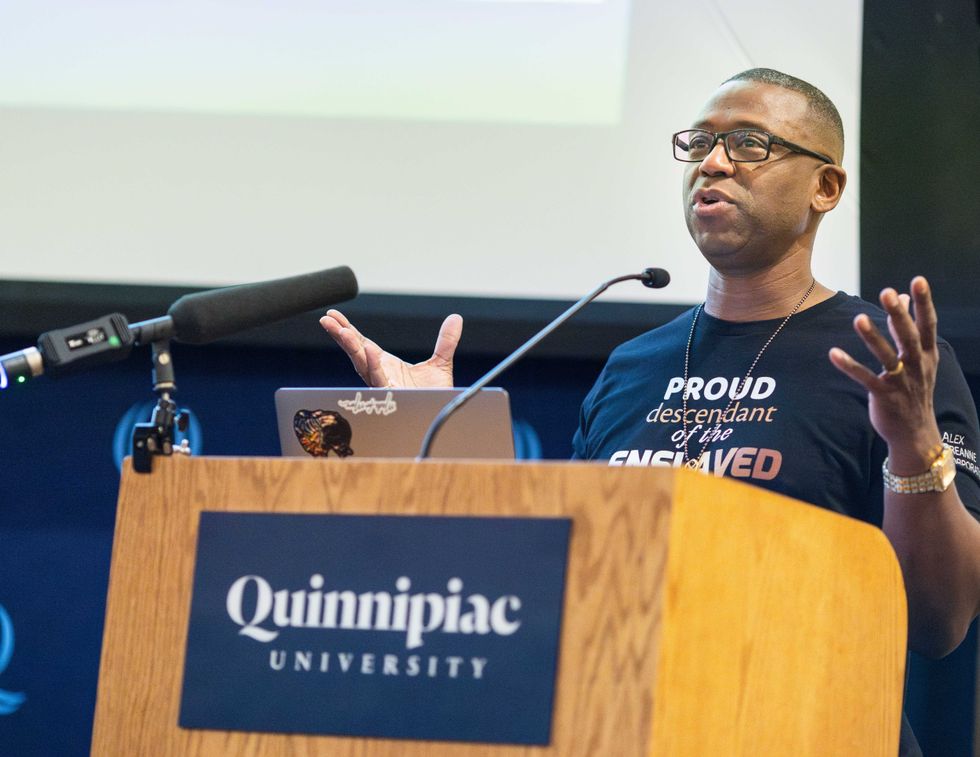 John Mills speaking at Quinnipiac University.Courtesy the Alex Breanne Corporation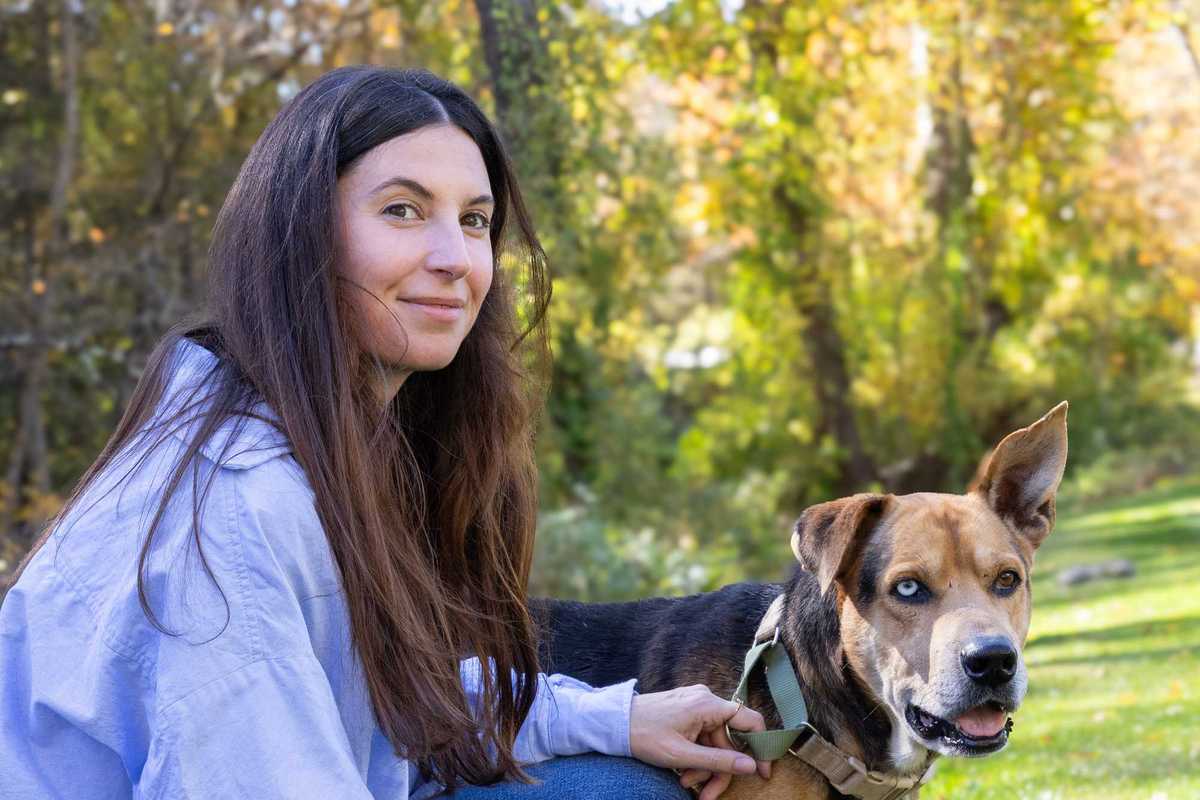
 Stephanie Saetta,with her rescue dog George and Blue (left), a shepherd mix awaiting his forever home.Madi Long
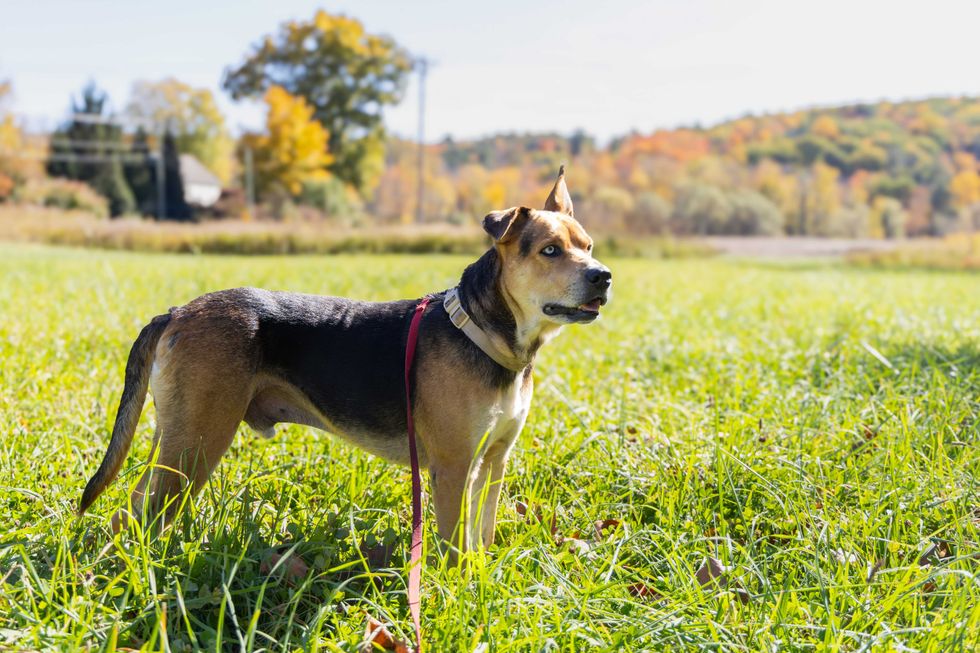 Blue, a 7 year-old Shepard mix, is waiting for his forever home. Madi Long