Voters in Sharon and Cornwall unanimously approved ordinances last week to join the newly formed Northwest Resource Recovery Authority (NRRA), part of a growing regional effort to keep control of trash disposal in public hands.
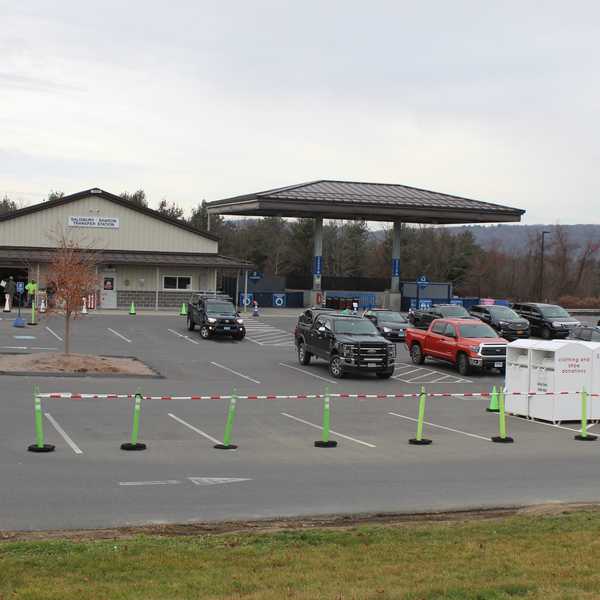
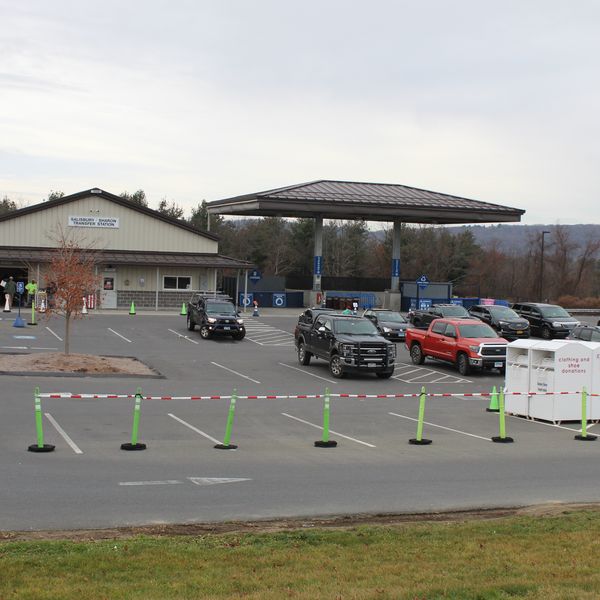
The votes add the towns to a coalition that includes Salisbury, Goshen, Torrington and Norfolk. Together, they are working to take over operations of the Torrington transfer station — which is currently owned and operated by the state — and maintain it as a publicly controlled facility rather than see it privatized.
The NRRA was established by the City of Torrington in 2025 after a proposed $3.25 million sale of the transfer station to a private entity raised concerns among local officials about long-term costs and access. The state ultimately blocked the sale, preserving a public option while towns organize a regional authority to assume control of the site.
At issue is who determines the cost and handling of municipal waste. Under the proposed authority, participating towns would collectively set tipping fees and policies. Officials say that model offers more stability than a private system, where pricing and access could shift based on market conditions and could lead to a monopoly.
In Sharon, First Selectman Casey Flanagan said joining the NRRA sends a signal to state lawmakers that local towns want the transfer station to remain publicly owned.
“Joining this authority demonstrates to the state that we’re serious — that we want to invest our efforts into making this a viable public option,” Flanagan said.
Cornwall First Selectman Gordon Ridgway said the regional approach gives smaller towns a stronger voice in managing costs.
“We will be able to work with a municipal consortium, so we will hopefully get the lowest price possible,” Ridgway said. “We’re not in it to make money — we’re in it to manage costs.”
Ridgway added that a regional authority could also position towns to expand recycling and waste-reduction programs.
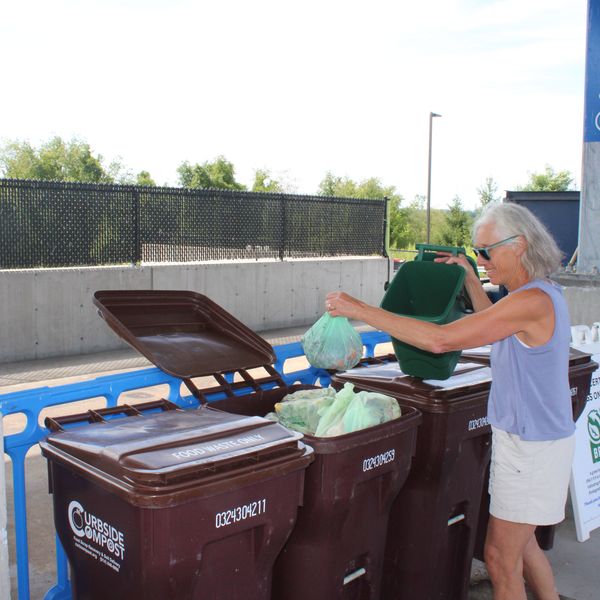
“If you have a municipal consortium, you have a better chance of getting state grants and building recycling, composting and waste-reduction programs,” he said.
The NRRA remains in its early stages, and key details — including future fees — have not yet been finalized.
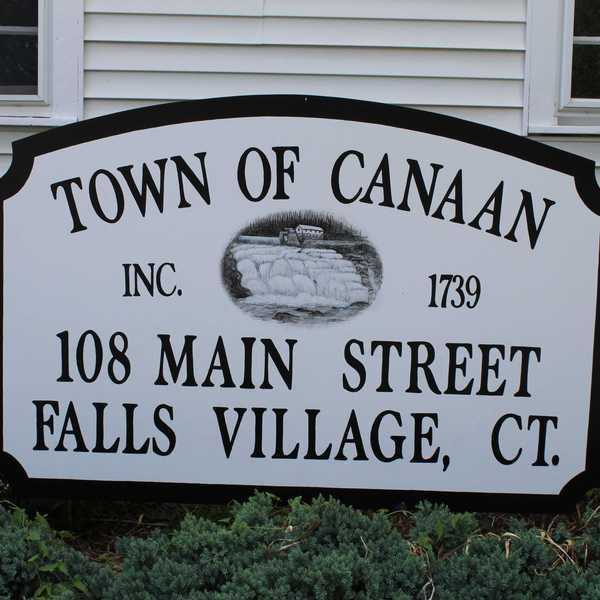
Residents in Falls Village and North Canaan are expected to vote next month on whether to join. Both towns’ first selectmen have expressed support.
“It gives us an opportunity to stabilize tipping fees while maintaining local control,” said Falls Village First Selectman Dave Barger. “It also allows us to set our own recycling policies.”
Kent, meanwhile, will not be part of the NRRA. The town belongs to the Housatonic Resources Recovery Authority, a separate regional system to the south of the Northwest Corner that officials say provides a model for how a multi-town, publicly controlled waste authority can operate.


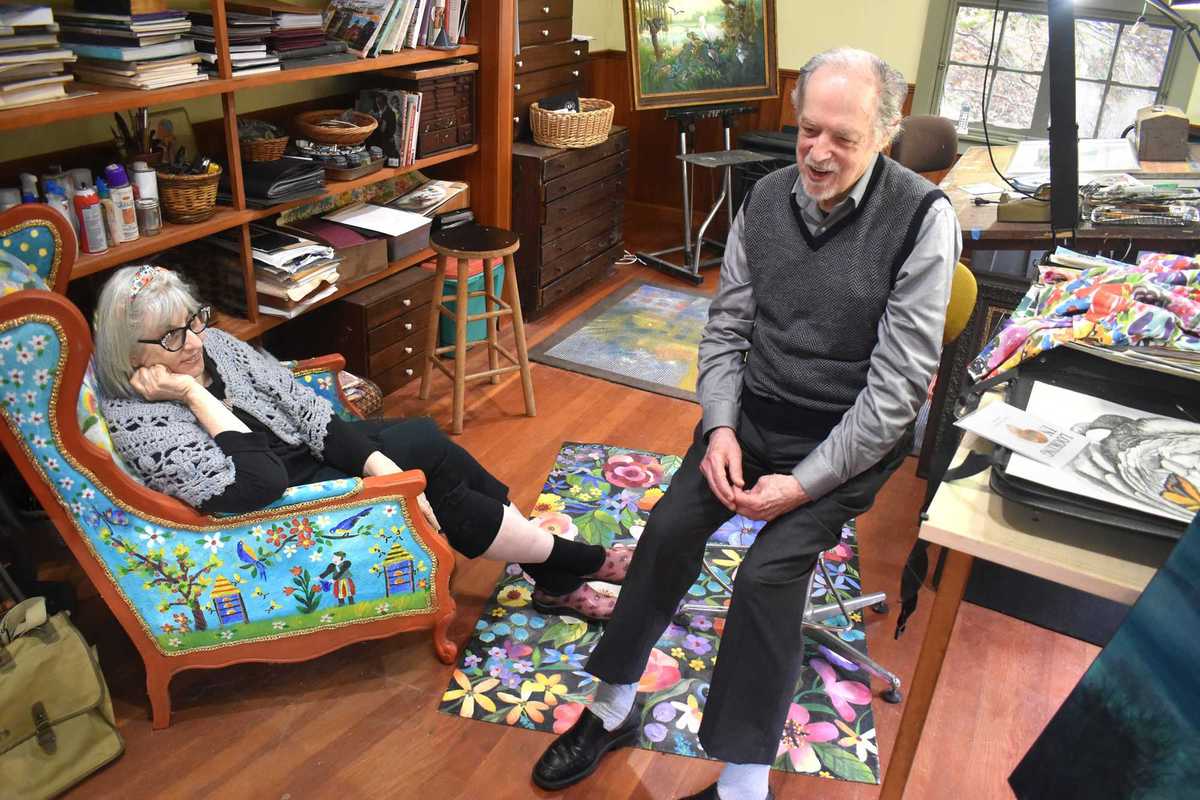
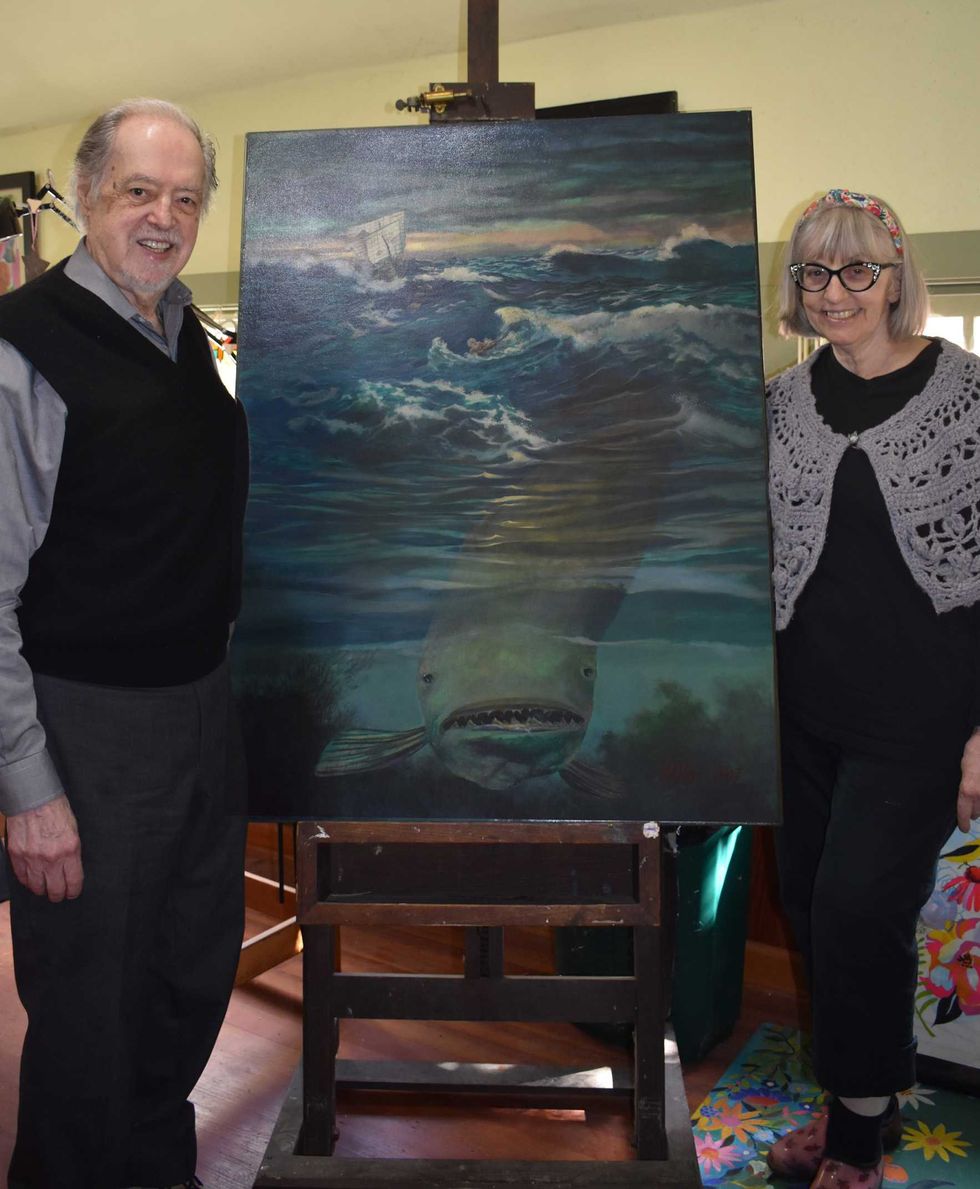 Justine and Victor Valla in their studio with a painting of Victor’s,”Jonah and the Whale.” Robin Roraback

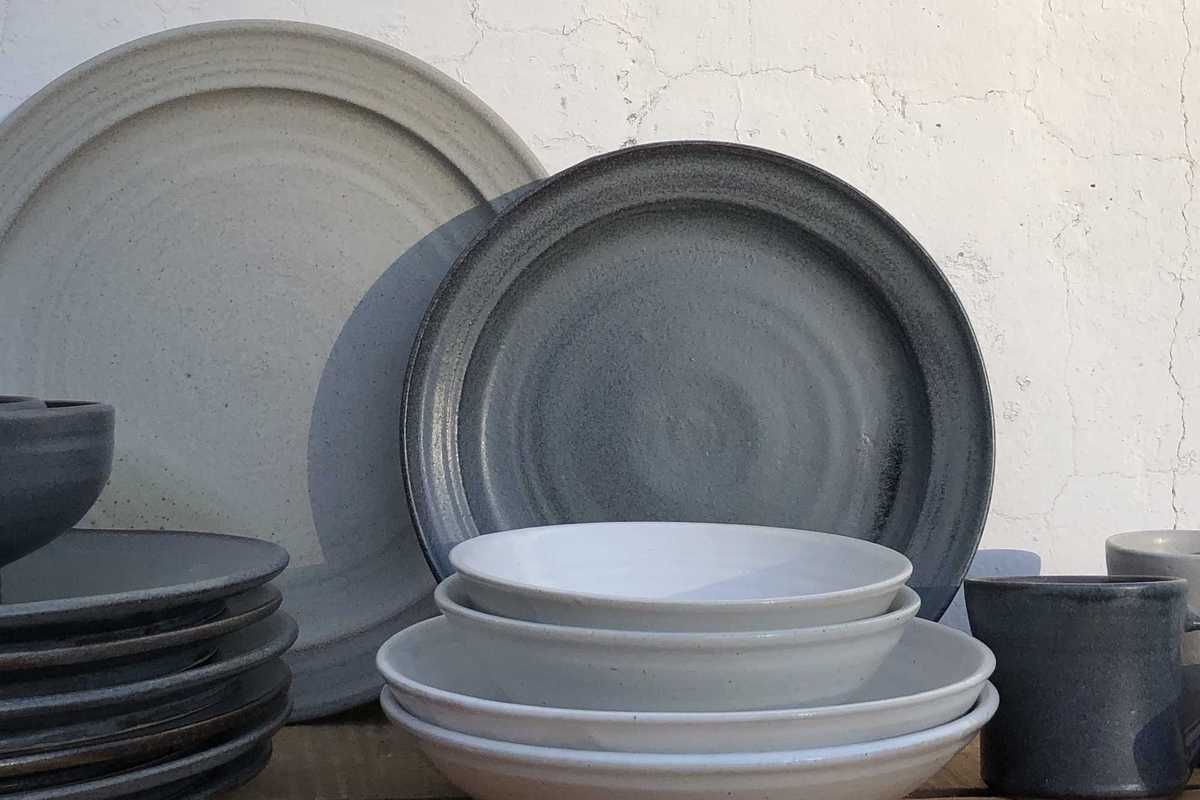
 A ceramic vase by Kathleen Heidemann.Provided
 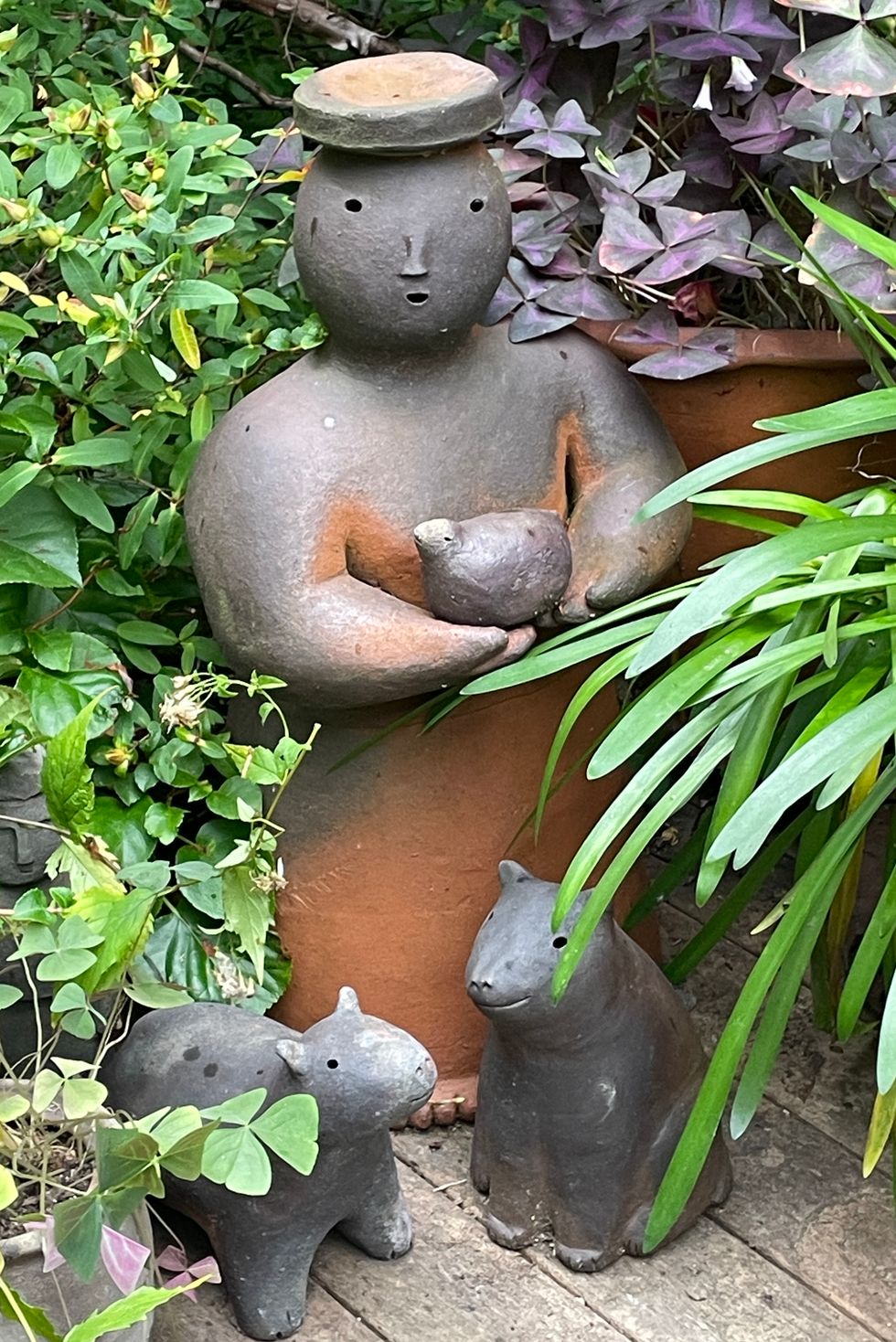 Joy Brown’s delightful ceramic sculptures.Provided