If you caught only a quick glimpse at Nero, you might think he’s a bear. You certainly wouldn’t be the first. But Nero is just a fluffy black Newfoundland, and, as his friends at Salisbury Community Dog Park know, a gentle giant.
Salisbury Community Dog Park was built in 2014 on vacant land inside Mary Peters Park. In the years since, it has become a hub for dog owners and their furry friends, who come not only from Salisbury and nearby towns like Lakeville, but from as far as New York City and Massachusetts to unleash their dogs on the acre or so of fenced-in grass.
Bill Littauer, the treasurer of the group that oversees and maintains the park, has been there since the beginning, and he says that community is key.
“Most dog parks are built by the towns or cities that they’re in. But ours relies on volunteers,” he said. “And it’s been growing. It’s been doing pretty well. It’s well supported.”
In addition to a PayPal account, the group also has donation boxes in the park and at the local pet and liquor stores. It also sends out the occasional fundraising e-mail to its list of about 168 donors; its most recent one raised $2,800 in a week, he said. The funds go toward things like grass maintenance — mowing and reseeding — and snow plowing in the winter, as well as buying supplies like garbage bags and water for the dogs.
“Everybody pitches in when they have to,” Littauer said.
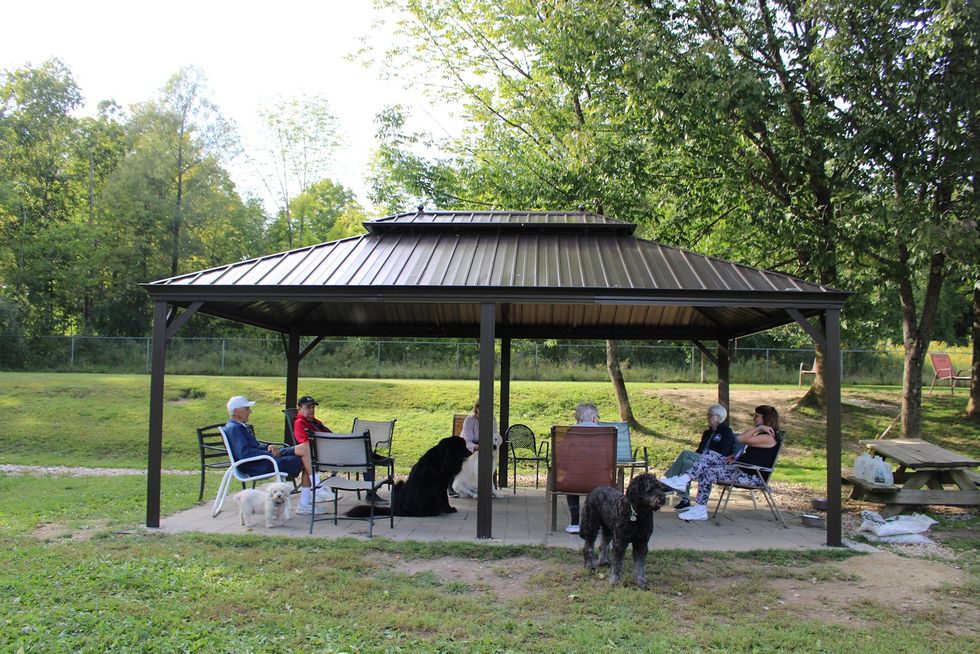
In late July, the volunteer group used some leftover funds to erect a new structure in the park: a 14-by-20-foot gazebo, which fits like a glove on a stone terrace that had been installed a few years ago to solve a drainage problem.
It came from Amazon in about a million different pieces with no written directions, Littauer said, but using an accompanying booklet of graphics and a method of trial and error, volunteers were able to assemble the gazebo in about a week.
“It’s worked out really quite well,” said Sue Reville, one of the group’s board members. “We needed something. You know, protection from the sun and the rain.”
The gazebo provides that protection, but with no walls, it’s still open enough to let owners watch their dogs run and play.
The land upon which the dog park sits was once a thriving resort, complete with tennis courts, a golf course, stables, a social hall and other amenities that would become standard fare for the luxurious camps of the early 20th century.
It first opened in 1917, just a week after the U.S. entered World War I, as Camp Wonoka. It would later be renamed to Cedar Hills, and then to Camp Cedars. But in 1955, what remained of the facility, withered by the Second World War, was mostly washed away in the floodwaters of back-to-back hurricanes Connie and Diane. All 90 of its buildings were damaged or destroyed, and by 1971, no trace of it remained.
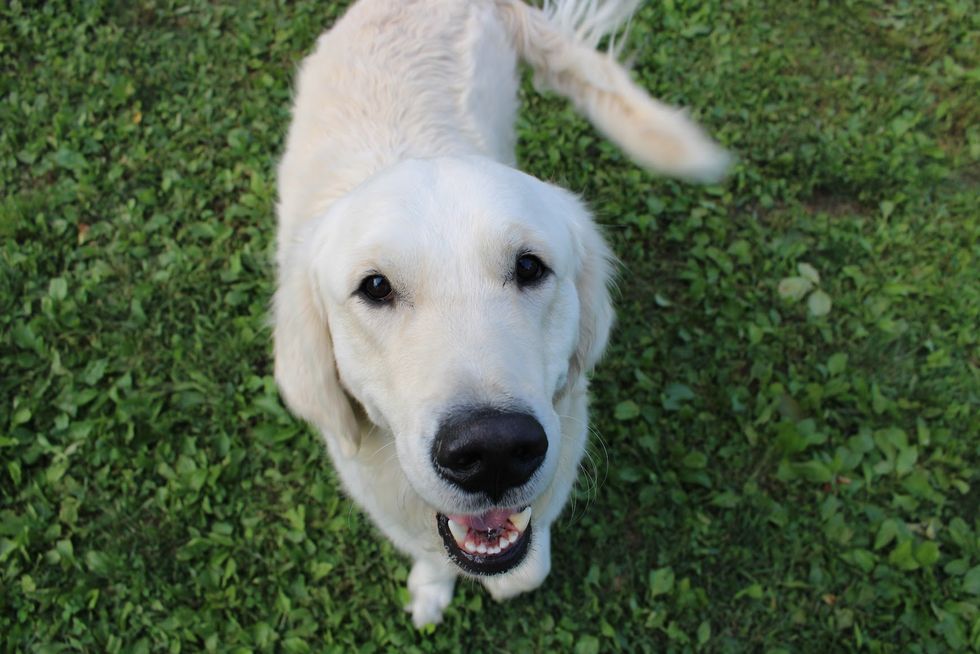
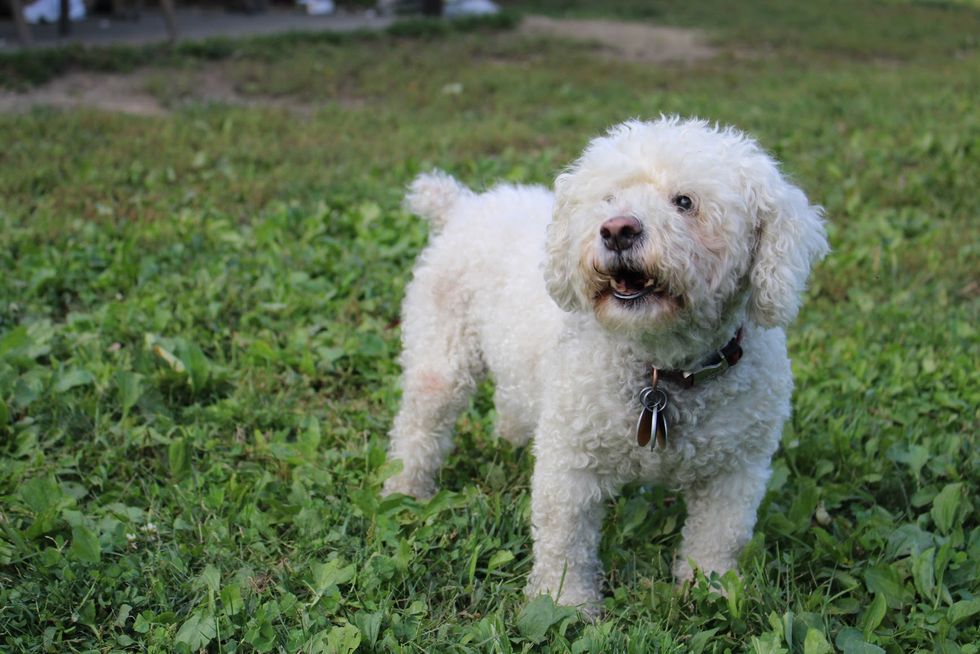
Two tennis courts once occupied the space that now comprises the dog park, which offers two separate enclosures for small and large dogs respectively. Regulars gather under the new gazebo to chat while their dogs burn off excess energy chasing balls and digging holes.
“It’s definitely a community,” Reville said.
For Littauer, the most important thing is that people know the park is there, and that they’re welcome to visit.
“If we’re putting the effort into it, we want people to use it,” he said.

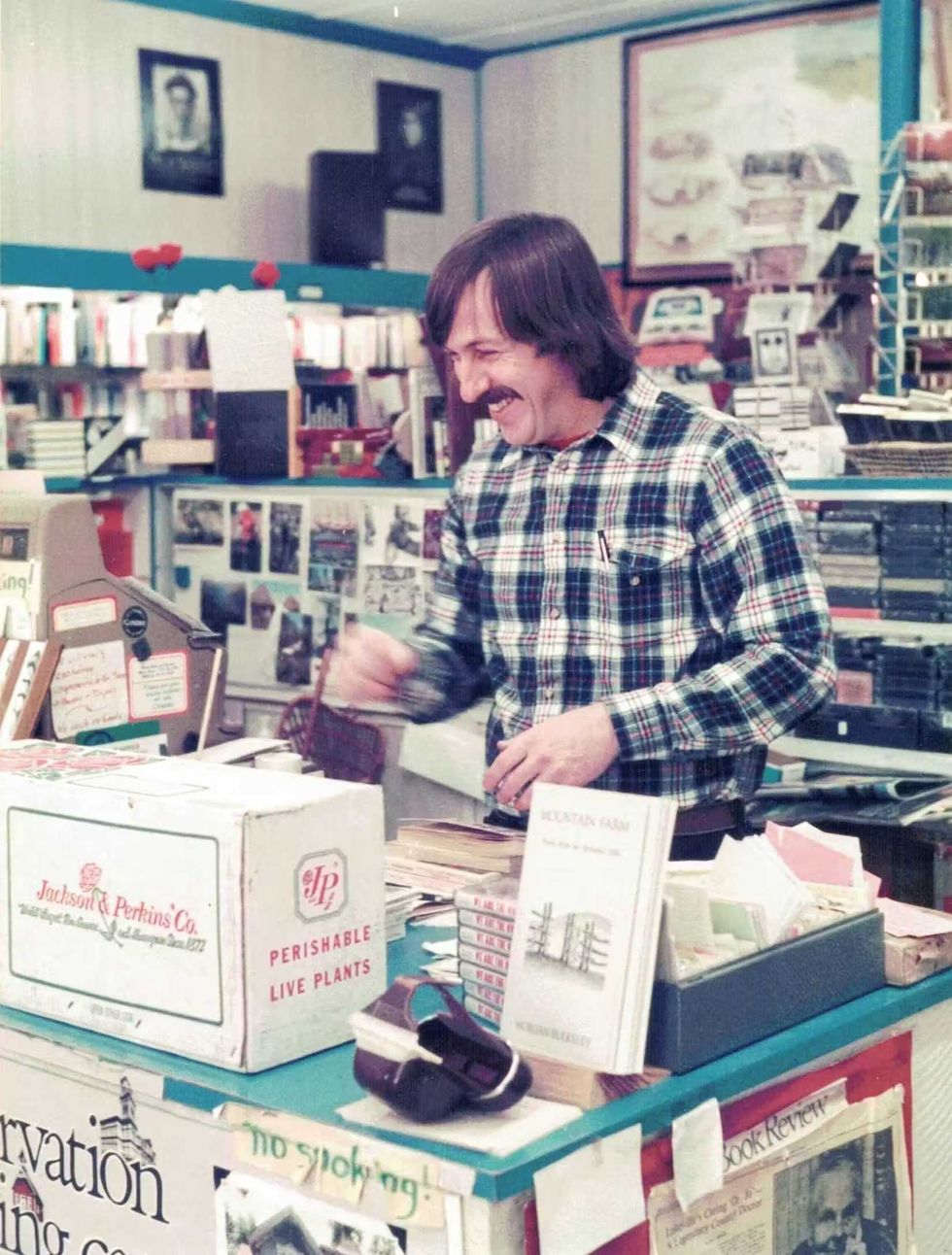 Dick Hermans in the Oblong Bookstore on Millerton’s Main Street in 1985.Provided


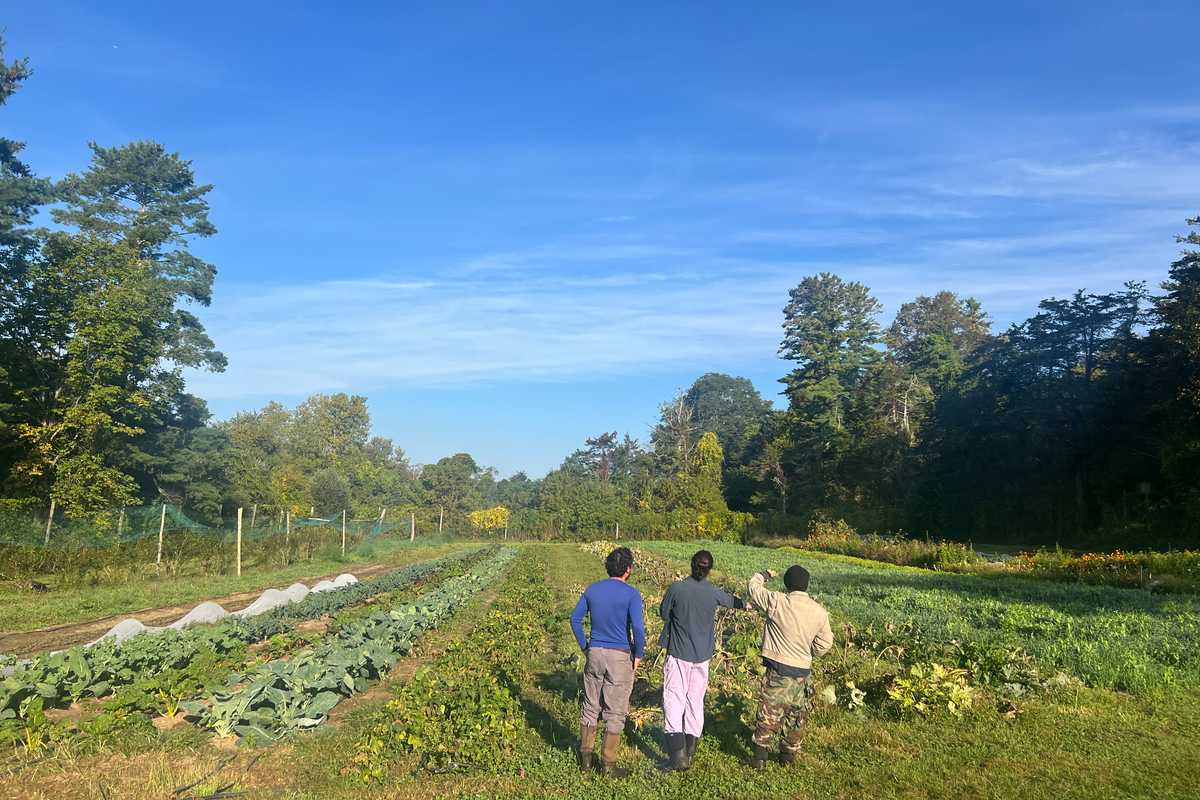
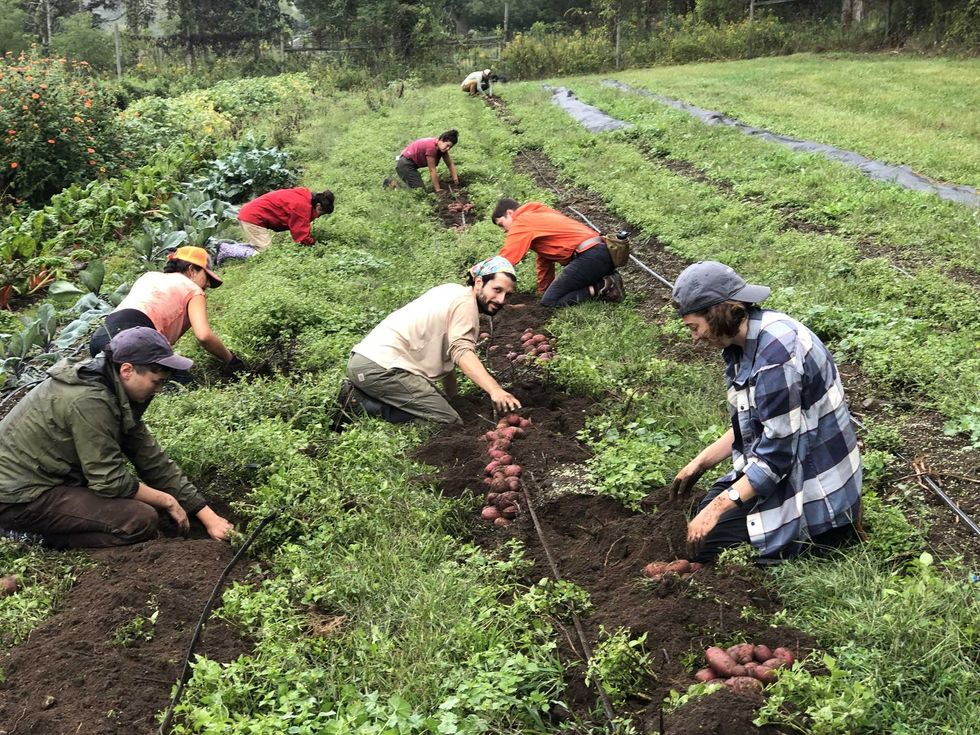 Fall storage crop harvests amid soil building cover crops at Adamah Farm in Falls Village. Janna Siller