With the Dow in turmoil and Congress in disarray, it may seem odd to plan for the future, but American optimism is like a spring, and mine is getting pretty tightly coiled, so let’s think of constructive things to do.
I leave economics, the dismal science, as Thomas Carlyle called it, to others. Good luck to them. There are optimistic (non-dismal?) forms of science.
When a scientific idea or a theorem, the double helix nature of DNA, for example, has been tested and survives all challenges, it provides a footing for people who want to ask further questions about the natural world. Science can boast a solidity that economics sometimes lacks. Outraged economists should write to the editor.
As we dig ourselves out of our current problems, science and innovation will play a large role. But there is a problem. Most industries depend on mathematical and scientific literacy and imagination.
That we are not producing enough scientists and engineers is reflected in the demand of American industry for tens of thousands of visas for foreign scientists and engineers to work in this country. These colleagues enrich the country and welcome to them, but we should also attend to the quality of science education in our secondary schools, so here are some ideas.
Why science and sausage? We stuff adolescents with too many facts. Their brains have competing priorities, and we should not be surprised when small, static and unconnected pieces of information have the half-life of a sausage on the Fourth of July. Alas, unconnected facts are ideal only for multiple choice exams.
I have nothing against facts, but context is essential. As the microbiologist Phillip Silverman put it, “Students should first understand that science is the most powerful way we have to understand the natural world and to detect its regularities and patterns.”
Science is a continuum based on logically connected questions: Does DNA carry heritable information and divide when a cell does? What causes changes to this information — mutations? Do mutations cause cancer?
Science is about answering such questions by way of experiment. As a cognitive activity, science requires skepticism until conclusions are verified. If science teaches how to frame questions that can be answered empirically and develops a genial skepticism, that’s success, or would be in a world without SATs.
Classroom experiments of the “mix this with that and measure what happens until your eyes glaze over” variety usually have a known outcome. Would it not be more absorbing to find something new?
My friend Phil Silverman is way ahead of me here. Phil, who lives in Oklahoma, realized that high school teachers in rural Oklahoma wanted to learn more about how science is actually done, so he brought a number of them to his lab for eight weeks in the summer.
Phil is a microbiologist and that is an advantage because bacteria and fungi grow very fast and they do interesting things.
Each teacher was required to bring a small amount of fresh farm animal manure to the lab in Oklahoma City (they were from rural Oklahoma, where the definition of “small” depends, apparently, on the size of a pitchfork).
On the first day, the teachers asked whether antibiotic-resistant bacteria were in the manure by spreading a dilution on a petri dish containing antibiotics. (Answer: yes, lots.)
Then they asked if there were viruses (harmless) in the sample that would attack those bacteria. (Answer: yes.)
They asked whether the viruses had genes that could be mutated — they did. Each virus was unique and was named after the teacher. Soon the teachers were raising questions and suggesting experiments. There is no end to the science that can come out of a bit of manure or soil. The teachers were engaged in the sheer fun of finding something out.
How were the teachers going to bring their new ideas back to small, poorly equipped high schools? By FedEx. Phil’s lab technician produced the various kinds of petri dishes the teachers ordered by email and just shipped them, along with small items of equipment.
The effort, which went on for years and had a cost, transformed the way these teachers approached science education. Imagine what can now be accomplished by using social media to connect students in all of the high schools.
Among the many ways suggested to improve science education, providing teachers with knowledge, confidence and support is at the top of my list.
Richard Kessin, Ph.D., is professor of pathology and cell biology at Columbia University. He and his wife, Galene, live in Norfolk. He can be reached at rhk2@columbia.edu.
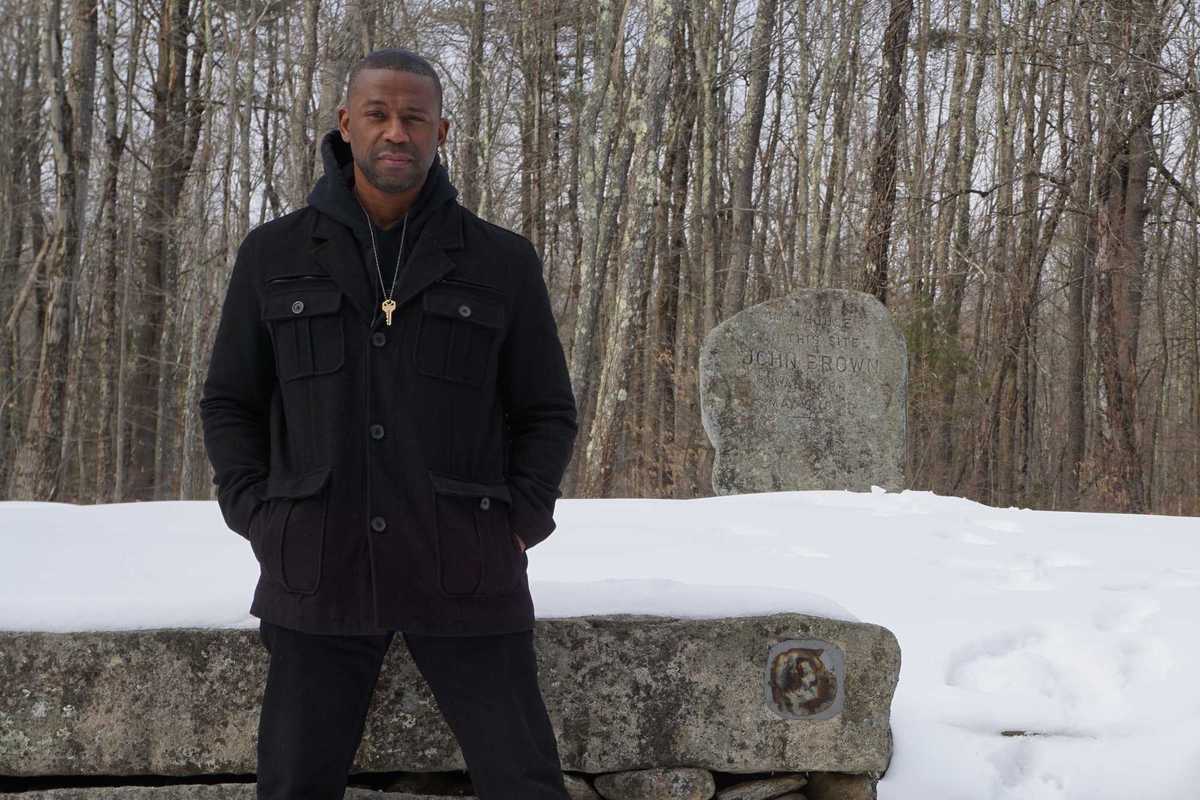
 Pay Bill for Robin Starr’s service in the Continental Army.Courtesy the Alex Breanne Corporation
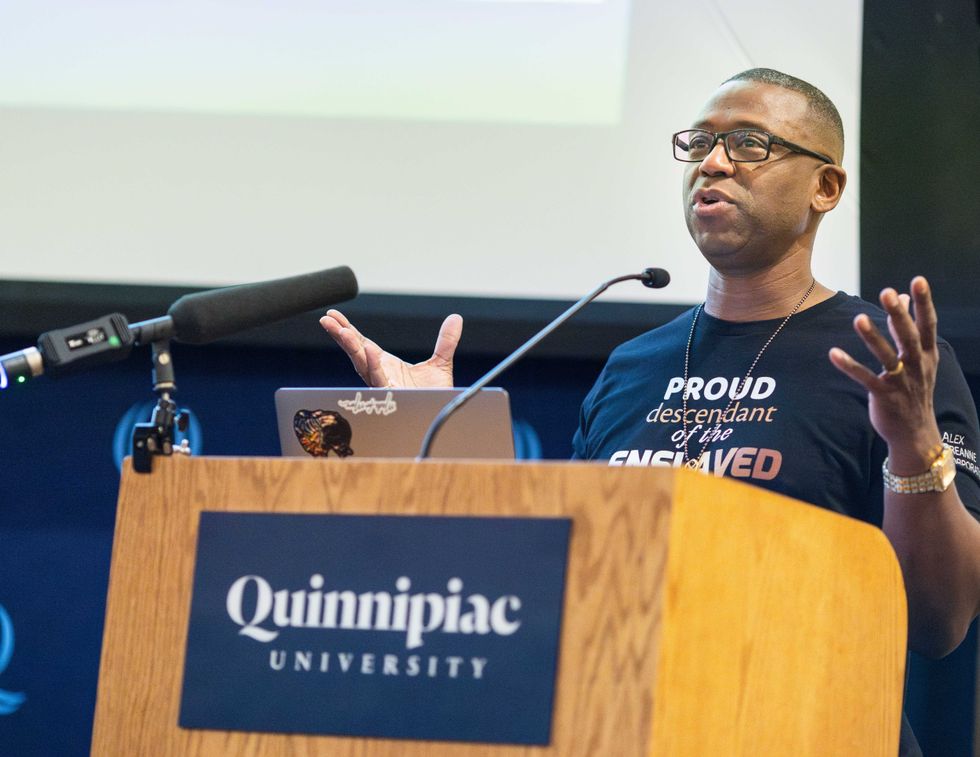 John Mills speaking at Quinnipiac University.Courtesy the Alex Breanne Corporation
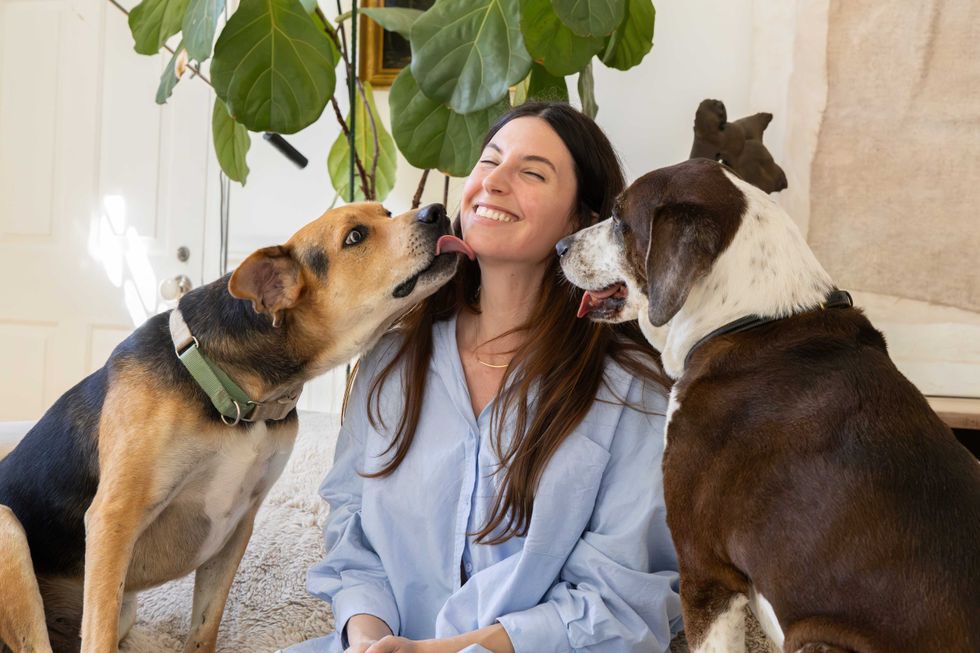 Stephanie Saetta,with her rescue dog George and Blue (left), a shepherd mix awaiting his forever home.Madi Long
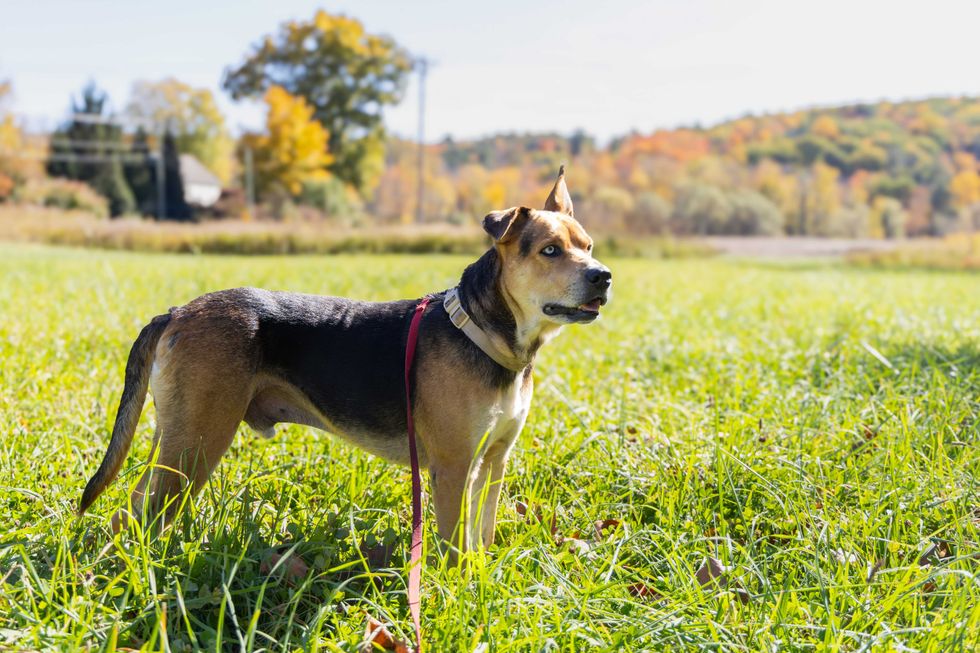 Blue, a 7 year-old Shepard mix, is waiting for his forever home. Madi Long