SHARON — Shepard Sherbell, photographer, photo journalist and visual artist, was born in New York City in 1944. He died of heart failure on Aug. 3, 2018, at Vassar Brothers Medical Center in Poughkeepsie, N.Y. He was 73. He had most recently lived in Sharon and Winsted.
His wide-ranging interests led him from the Lower East Side of New York, where in 1966 he published a poetry magazine, East Side Review, whose contributors included Le Roi Jones, Norman Mailer and Allen Ginsberg, to Soviet Era Russia, American and British rock and roll, the Middle East, American politics and human interest stories.
In the late 1960s, he moved to London, where he immersed himself in the rock and roll scene. His subjects included music greats such as Ringo Starr, The Who, Keith Moon, Cat Stevens, Jimi Hendrix, Badfinger, the Rolling Stones, Deep Purple, Frankie Valli, Humble Pie and Grand Funk Railroad.
In the early 1970s, Sherbell returned to the USA and lived for a time in California, covering the music scene in Los Angeles. In the mid-70s, he moved to Washington, D.C., where he became a photo journalist covering the White House and Capitol Hill.
In Washington, Sherbell did all of the photography for various editions of the Almanac of American Politics, which included photographs of all 535 members of the House and Senate.
He also covered several Republican and Democratic national conventions for The National Journal.
He was the official photographer for Congressman Morris Udall’s 1976 presidential campaign. Sherbell admired Udall greatly. “Mo Udall was a superior human being,” he said. When Udall lost, Sherbell quoted the late Dick Tuck, who said, “The people have spoken. The bastards.”
On 9/11/2011, Sherbell was living in Manhattan, not far from the World Trade Center. He immediately rushed to the scene. The photographs he took that day were published all over the world. Many of his photographs from this event can be seen on the website of Sherbell’s agency, Getty Images.
Sherbell traveled extensively overseas, covering conflicts and news stories in Grenada, Libya, Afghanistan, Uzbekistan, Ukraine, Moldovia, Lithuania, Moscow, St. Petersburg, Hamburg, Paris, Rome, Haiti, Iran and more. He lived in the Soviet Union from 1991 to 1993. His book, “Soviets: Pictures from the End of the USSR,” was published by Yale University Press in 2001.
In the United States, Sherbell took a particular interest in the lives of working people, portraying the struggles, danger and sometimes boredom that came along with their work.
He is survived by his friends, Bill Brodhead and Richard DiLello; his sisters, Rhoda Sherbell-Honig and Jeannine Oldak; and his cat, Petunia. Married and divorced twice, he had no children.
His parting words were, “What a long, strange trip it has been. And there is still lots of stuff to do.”
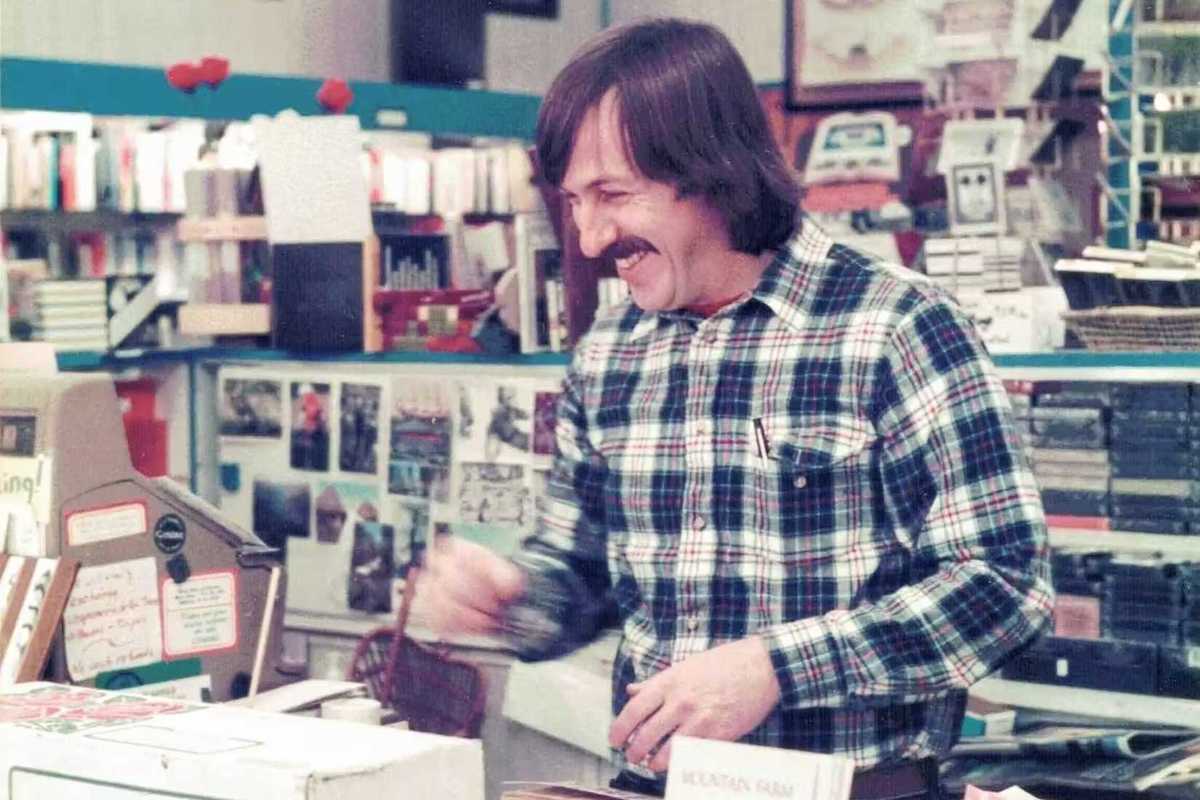
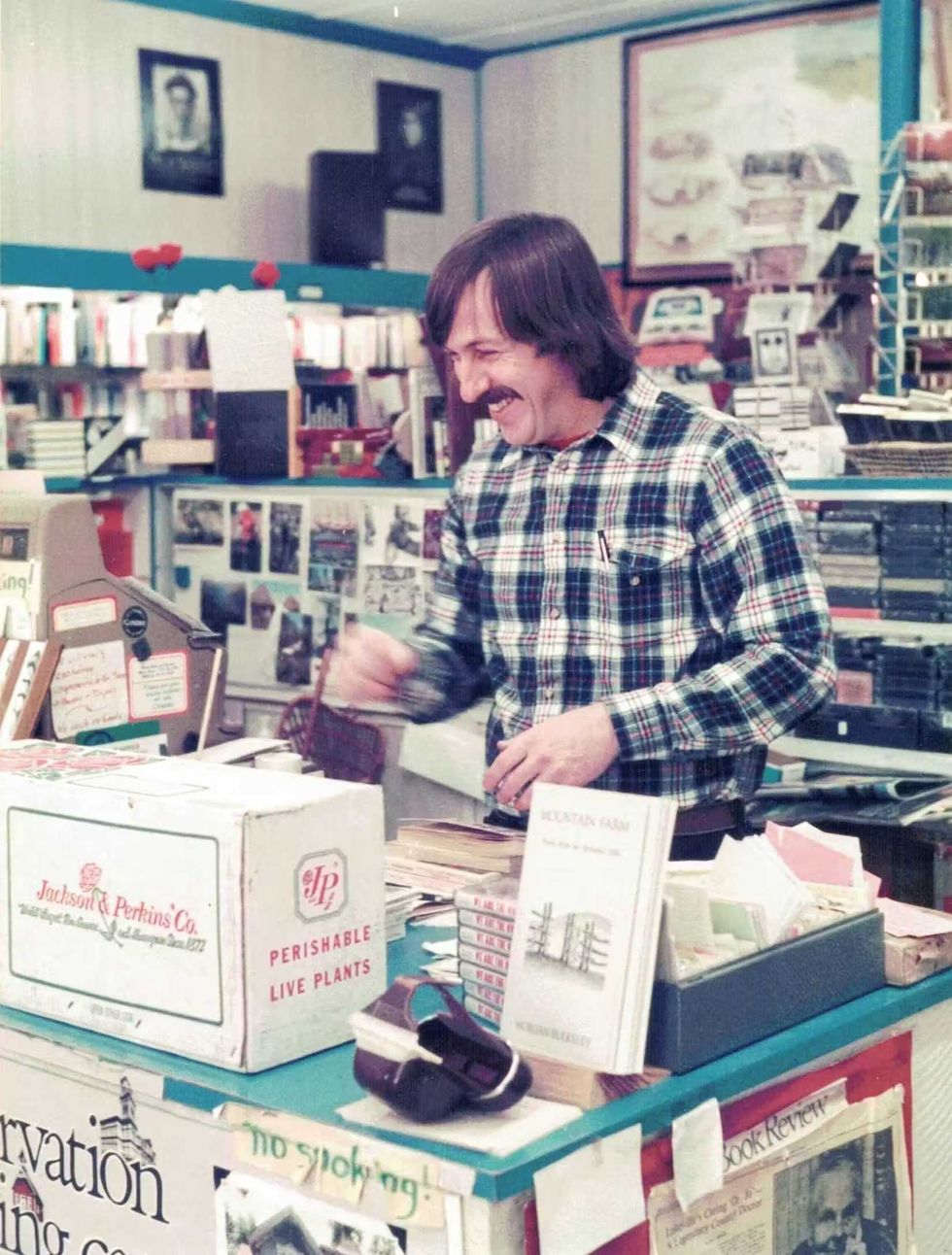 Dick Hermans in the Oblong Bookstore on Millerton’s Main Street in 1985.Provided

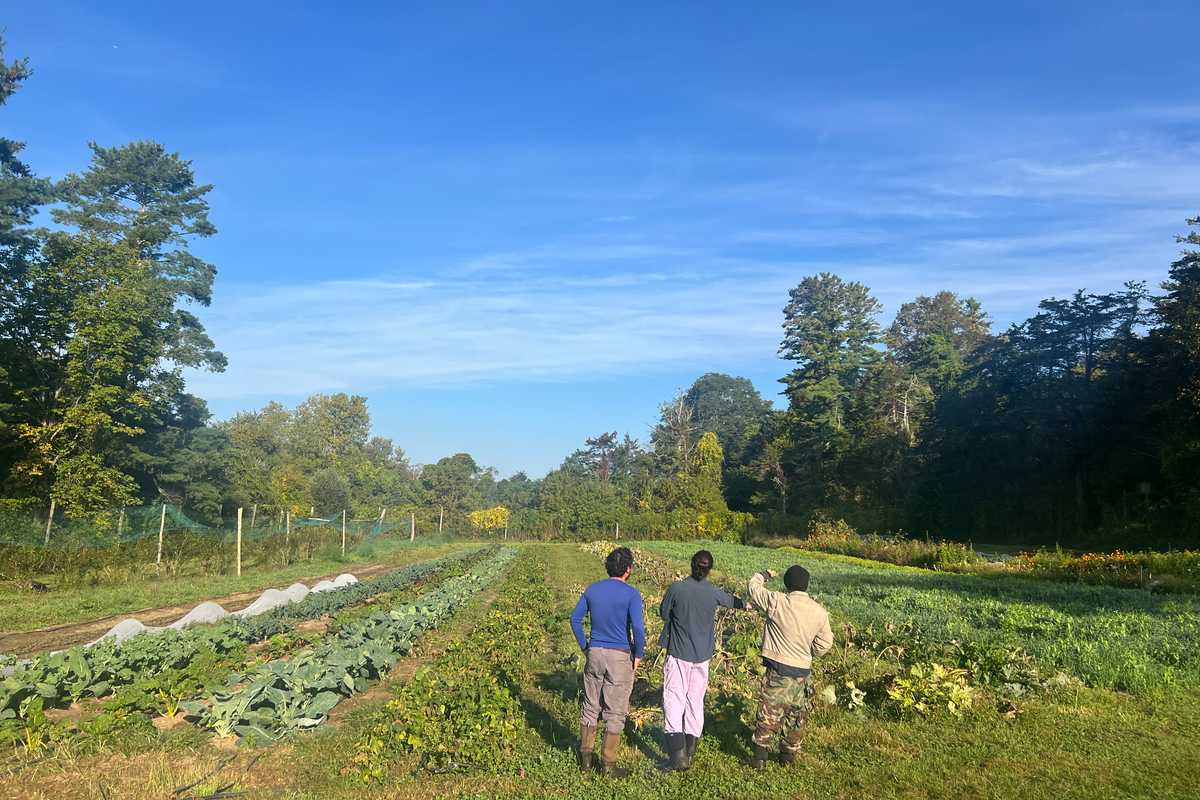
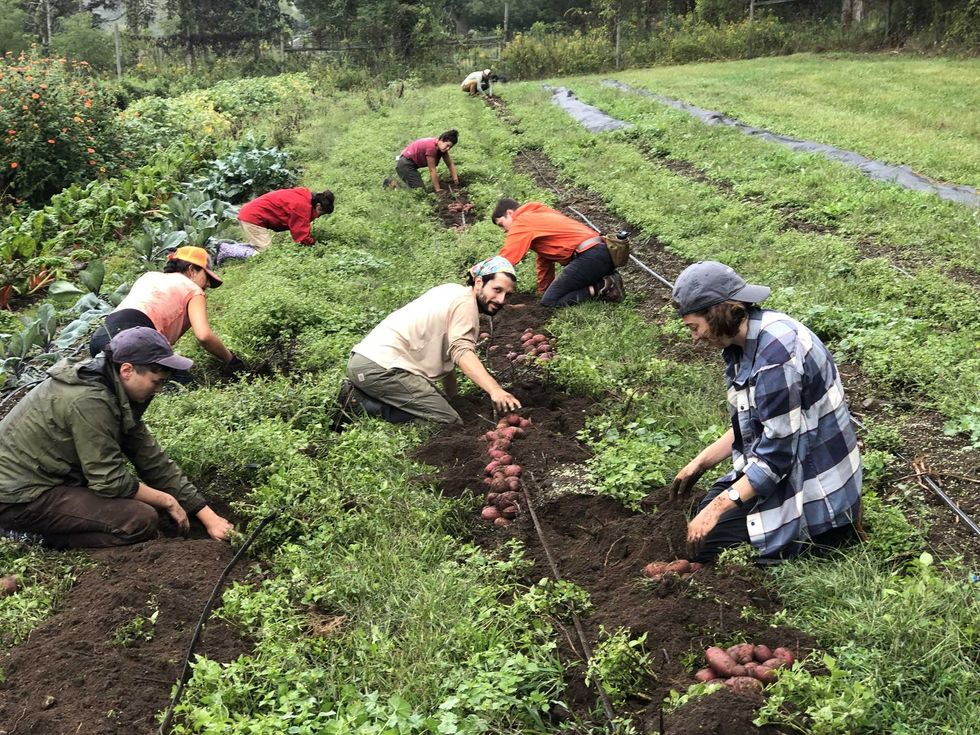 Fall storage crop harvests amid soil building cover crops at Adamah Farm in Falls Village. Janna Siller