HARLEM VALLEY — For the past quarter of a century, select students from all over Dutchess County have enrolled in a two-week residential program through the county’s BOCES (Board of Cooperative Educational Services) school.
The residency is officially called the Jay P. Rolison Jr. Summer Scholars program. Once accepted, students are enrolled in an intensive two-week series of workshops at one of three colleges in the county, offering not only stimulating mental challenges but a sneak-peak at post-high school education, as the students live on campus in dormitories and experience first-hand the day-to-day environment known as college life.
As the BOCES Web site stresses, this is not a summer camp for just anyone. Students selected for admittance have demonstrated “high academic achievement, intellectual potential and creativity.†The number of students accepted, as well as the number allowed from each school, fluctuates from year to year and is based purely on merit. This year saw 82 students graduate from the program, but that number has been as high as 100.
Students are offered a wide variety of opportunities after being assigned to one of three different areas of study. This year the program ran from June 27 to July 10, and there were workshops offered in creative writing at Bard College, computer graphics at Marist College and American politics at Vassar College. The program’s directors try to ensure the material discussed and taught at the Summer Scholars program doesn’t replicate curriculums offered from either high school or college.
Linda Heitmann is the assistant superintendent for the Educational Resources Division at Dutchess County BOCES Beta, located at its Salt Point campus.
“The primary reason [students attend] is for an enriched academic experience,†she explained. “We always try to have something valuable to them that is humanities-based, and then something that is based on science and technology. But it ends up being so much more than that.â€
Heitmann pointed out that often students come away from the two-week program with new perspectives they might not realize until later on in life. Being in the company of peers from around the county might open up lines of discussion and ways of thinking that wouldn’t be available at their local high school. And from a parental perspective, exposing their son or daughter to life after high school through the two-week program offers a useful glimpse into the college experience, especially in the area of dorm life away from home.
“Life-altering†is a term that Pine Plains Superintendent Linda Kaumeyer reported is often used in conjunction with the program. Pine Plains sent three students to the program this summer, and in Kaumeyer’s six years as superintendent at least one student has been accepted each year.
“We’re happy anytime successful students have the opportunity to meet others in a college setting during the summer, and are exposed to the type of scholarly programs that colleges offer, as well as a glimpse of college life,†she said.
For Jessica Stapf, a soon-to-be senior at Pine Plains, the 2009 program was her first stay with the Summer Scholars program, which is available to both sophomores and juniors.
“It was definitely more than I expected,†she reported. “I met a lot of great people.†Stapf, who has an interest in international affairs, was assigned to the politics course at Vassar.
“We sat through lectures every morning and watched films in the afternoon. The discussions took history from the past and related it to the future.†Stapf explained that the workshops worked with issues she had studied in her US History course, only it was expanded and much more in depth.
“It was a lot of work and a lot of time invested,†she admitted. “But a lot of fun. I would recommend it to students willing to put in the time and effort to further their education.â€
Kathleen Byers was impressed with the noticeable changes in her daughter, Alura Penny, a student at Webutuck who attended the creative writing workshops at Bard.
“Her writing skills improved, her vocabulary and speaking improved,†Byers said. “But the big thing was that she came out of it and said that she really enjoyed the learning part of it.â€
One of the best parts for Byers, and undoubtedly many parents whose children were accepted into the program, was the total cost of the program: $35. That includes room and board and food for the two-week stay, all classes and any other planned incidentals that the program requires.
“It’s so reasonable, and you get two full weeks of classes out of it. Plus included in that price are tickets to a Renegades game, fireworks and a picnic,†Byers said.
“We want to make it accessible to everyone,†said Heitmann, “and the reason we’re able to do that is because we have other funding sources.â€
The program is supported through “the generosity†of Senator Stephen Saland and county Legislature funding, as well as BOCES money from the 13 school districts in Dutchess County.
Heitmann pointed out that the program would not function as is without the help of several people associated with the BOCES Salt Point campus: Judy Delucia is a staff specialist, Richard Reitano works in the role of program director and also teaches one of the classes at Vassar, and Kip Newman is the senior program assistant, or “the heart and soul of the program,†according to Heitmann.
Information about the Summer Scholars program is available through your high school guidance office. Meanwhile, during summer months, your curiosity can be quelled at dcboces.org/summerscholars or by calling Heitmann at 845-486-4800.
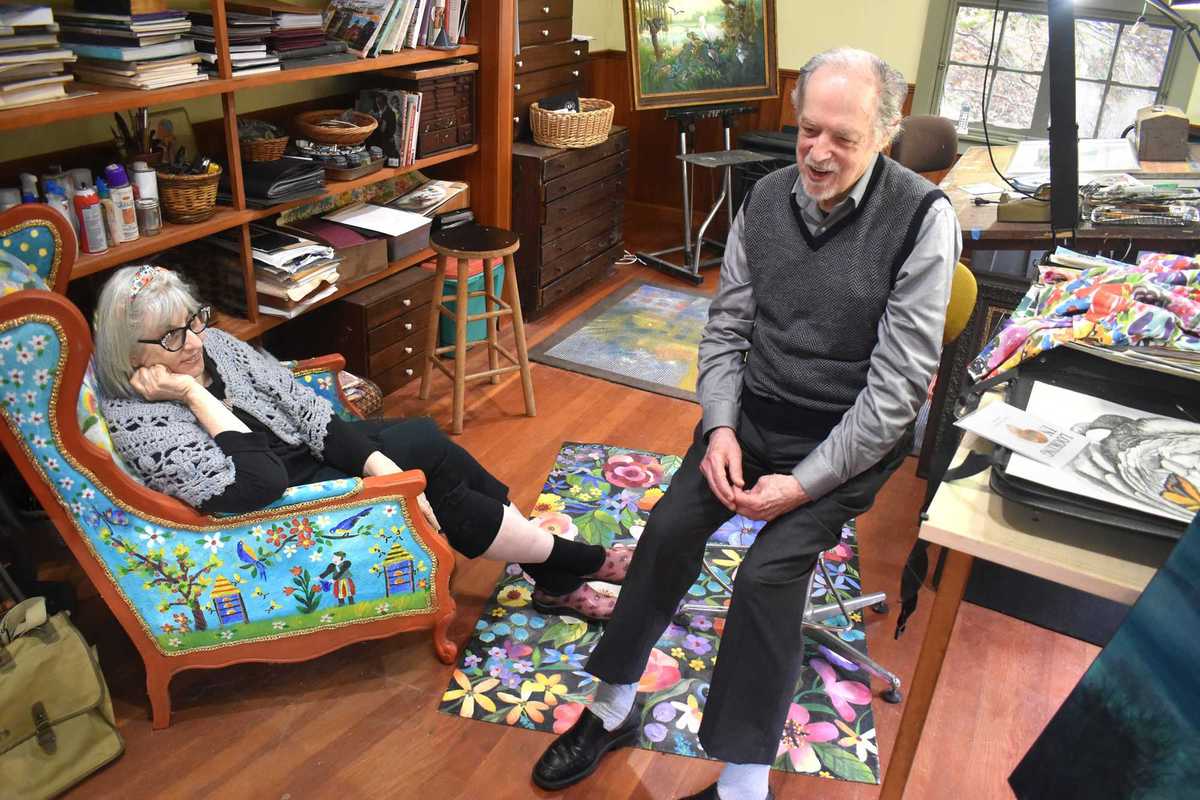
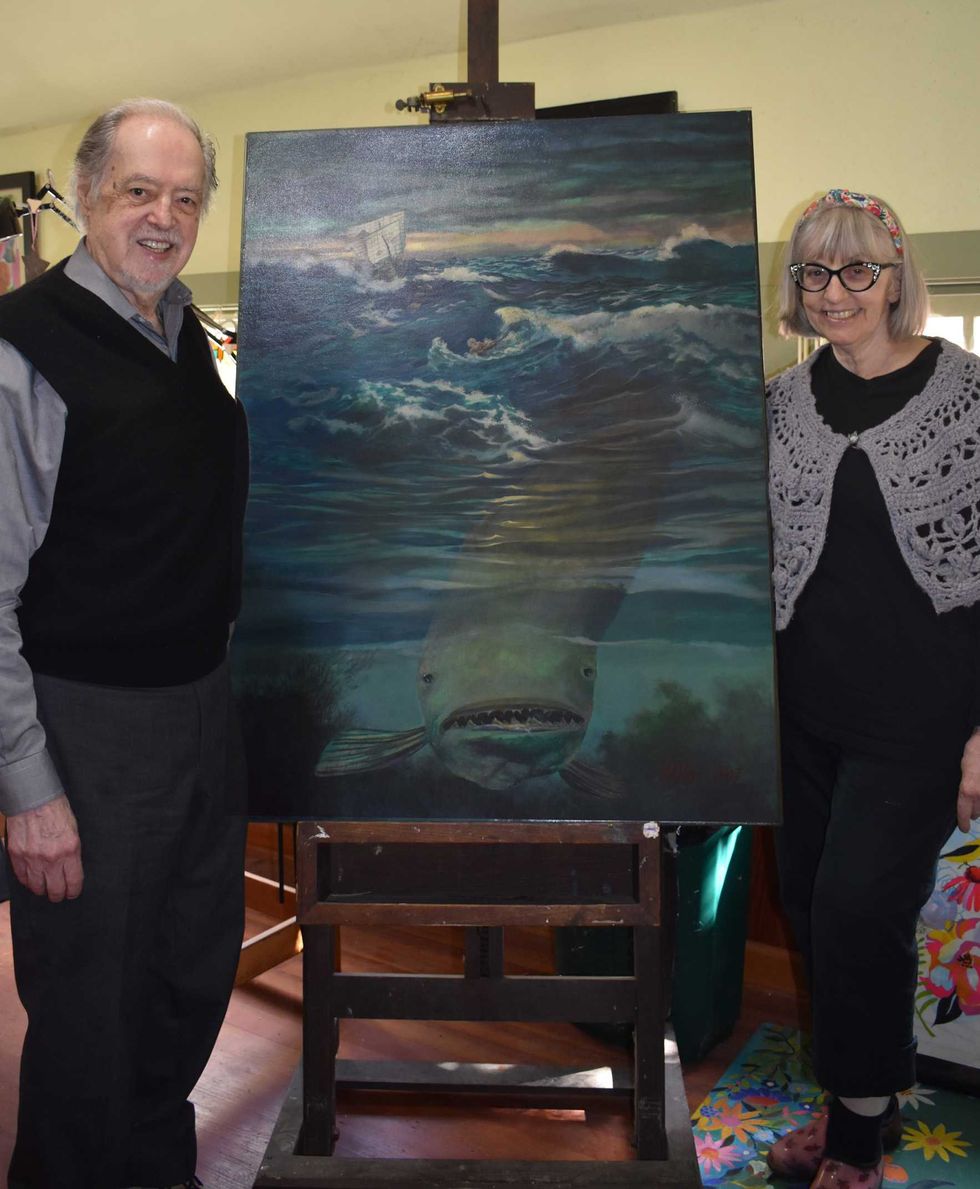 Justine and Victor Valla in their studio with a painting of Victor’s,”Jonah and the Whale.” Robin Roraback

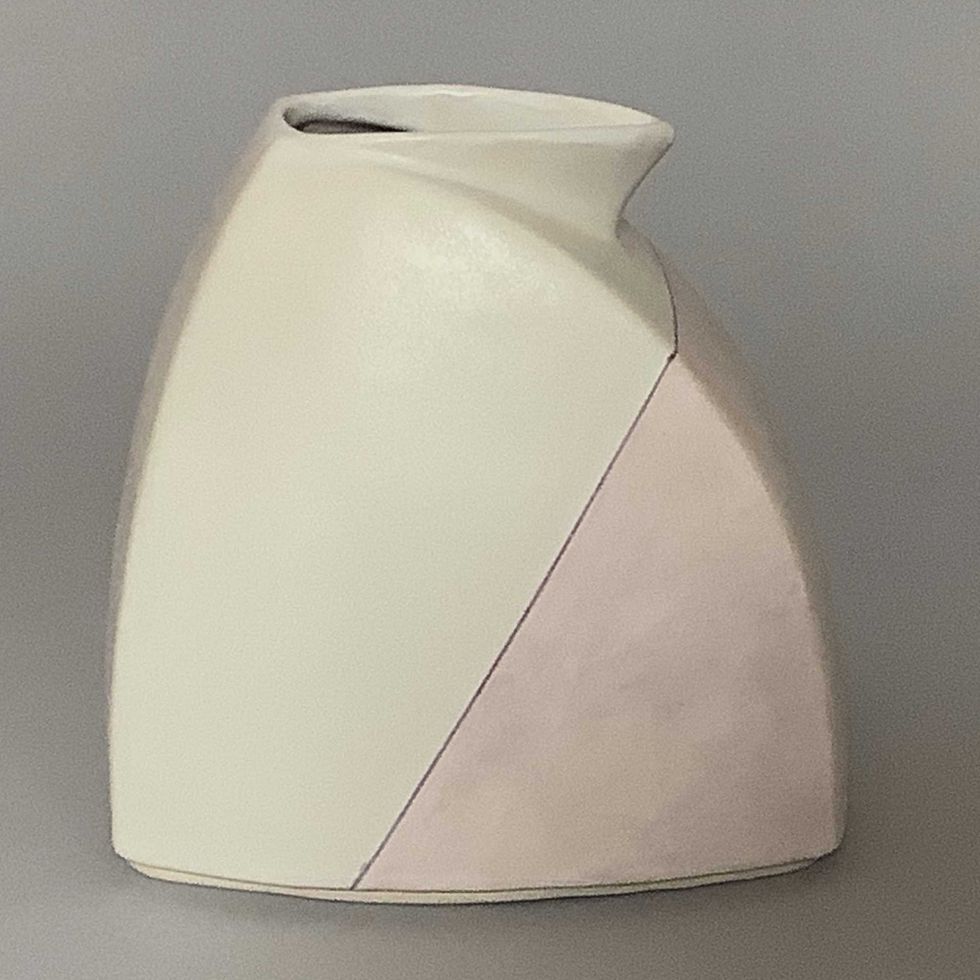 A ceramic vase by Kathleen Heidemann.Provided
 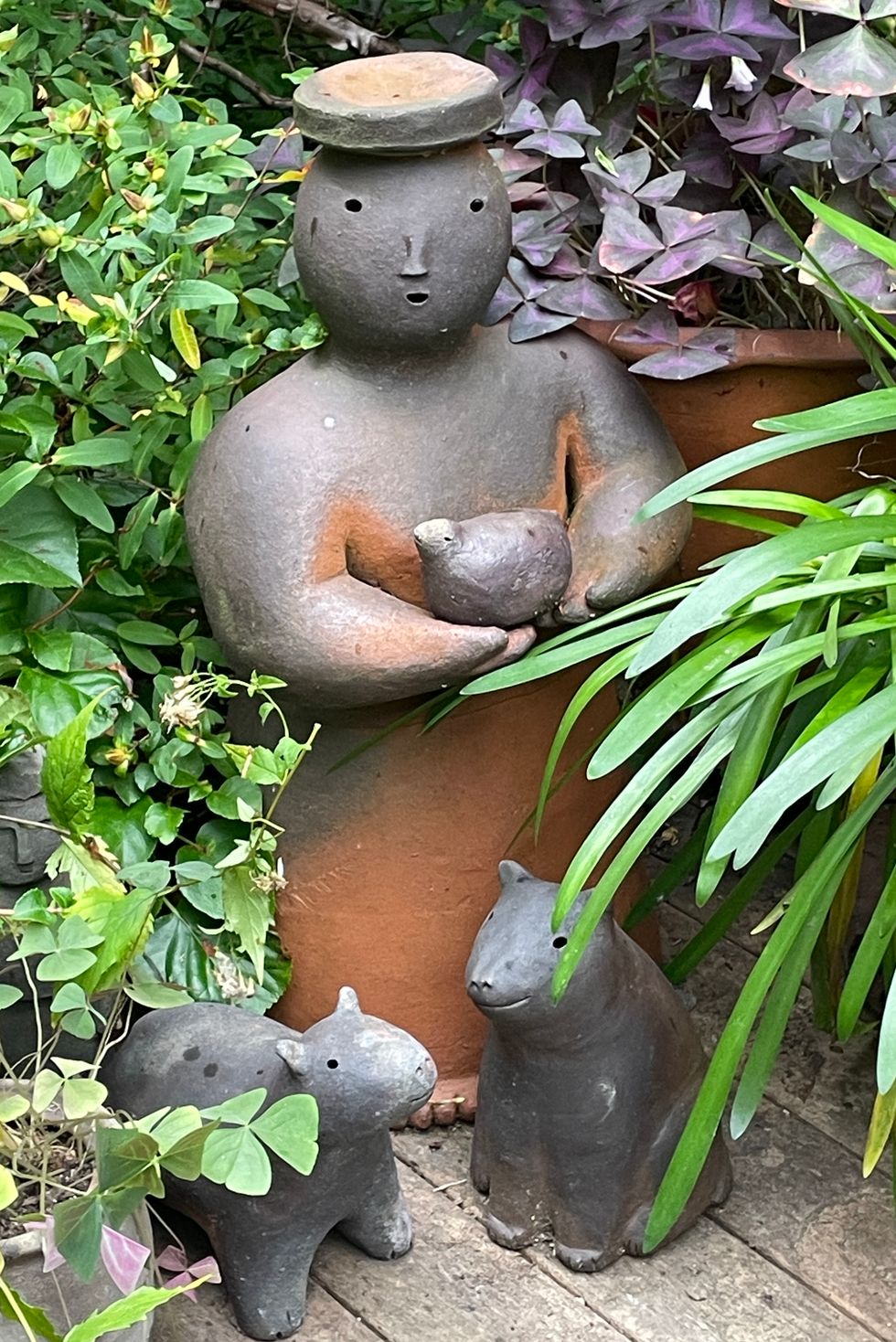 Joy Brown’s delightful ceramic sculptures.Provided