Thank you!
Your support is sustaining the future of local news in our communities.

Truths uncovered at HVRHS Science Fair

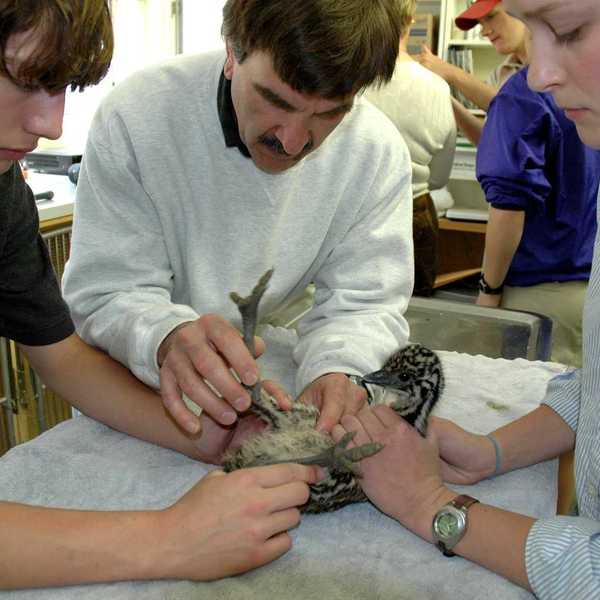
FALLS VILLAGE — Jim Bartram had a large soda bottle, a tube and two judges — Caroline Burchfield and Tom Schindler — observing at the Science Fair Tuesday, May 19, at the Mahoney-Hewat Science and Technology Center at Housatonic Valley Regional High School.

It looked like something was about to blow. 

A reporter, arriving in mid-explanation and mindful of his sports jacket, decided to focus on Emily Sullivan’s project instead. (A reluctant decision, because few things are more photogenic than a soda pop explosion.)

Sullivan’s project, “How dyslexia affects students,” is personal, she said, because both Emily and her sister have dyslexia.

She wanted to see how dyslexia affects the ability of students to process, organize, understand and memorize information in a given amount of time.

A group of five dyslexic students and a group of five non-dyslexic students were given identical tasks, in math and reading.

She found the dyslexic students took twice as long as the non-dyslexic students to complete a set of 11 algebra problems, and had a lower average score.

Similarly, the dyslexic students took 30 seconds longer, on average, to read a paragraph aloud, and they made five times as many mistakes.

Sullivan was quick to point out that dyslexia has nothing to do with intelligence.

A judge asked her what she concluded from her experiment.

Sullivan said that “teachers don’t often recognize dyslexic students,” and might misinterpret the time difference.

Sullivan had trouble finding dyslexic students herself — students do not have access to other students’ records, so she had to rely on self-reporting.

Asked how she could improve her experiment, Sullivan said she would like to use bigger samples.

There were 62 projects in all at the Science Fair. 

Mari Cullerton took first place in biology, with “Macroinvertebrates indicating water quality;” Katherine McGuire was second with “Effects of fertilizer on algae growth;” Katherine Starr’s “Bacteria on money” took third.

In the ninth-grade science category, Bradford Rawlings was first with “The effect of grain size on water absorption in wood;” Caleb Thompson’s “The effect of refraction on the speed of light” was second; and Paul Bannister’s “The effect of humidity on types of wood” was third.

Taylor Dowd’s “The effect of bat composition on distance a ball travels” won in the physics category.

Latest News

Jam leaves Sharon, prepares for Salisbury opening

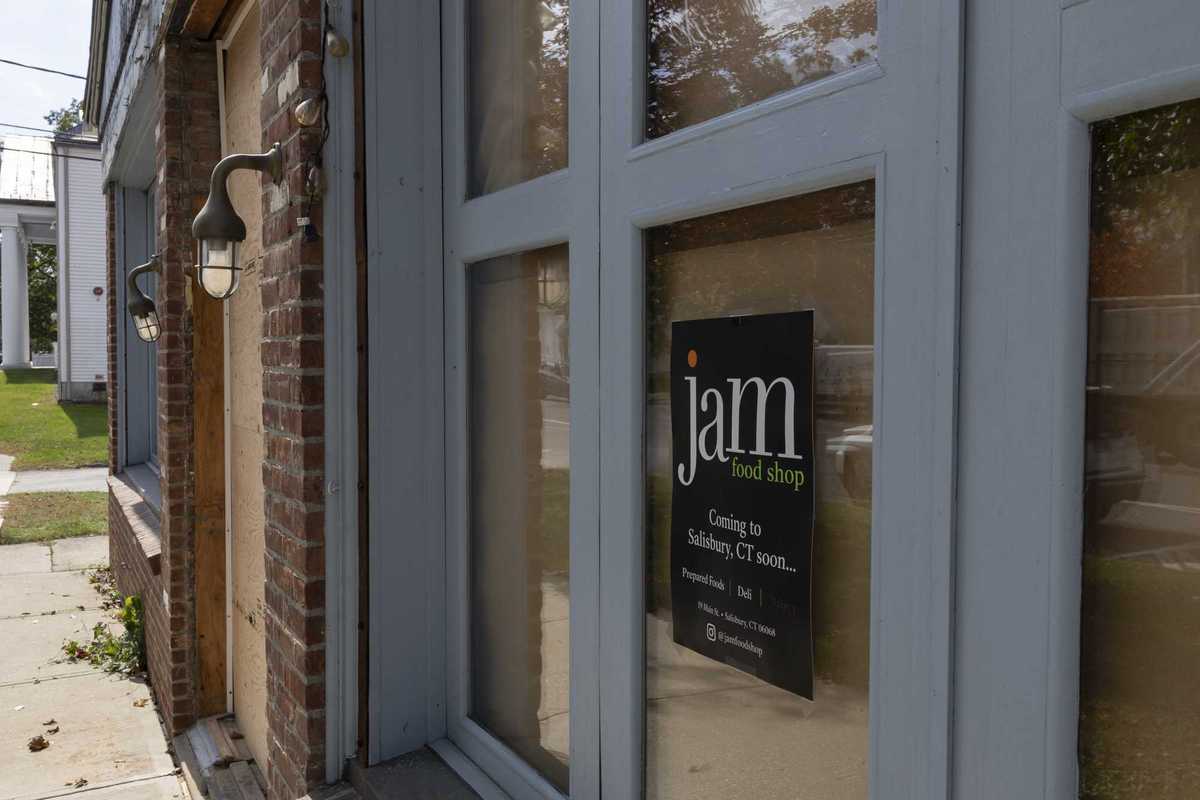
Jam Food Shop’s future home at 19 Main St. in Salisbury. The shop ended service in Sharon on Oct. 3, but an opening date for the new location has yet to be set.

Patrick Stachniak

SALISBURY — Jam Food Shop has officially closed its Sharon location, with its much-anticipated standalone store still under renovation in Salisbury.

Jam Food Shop, previously operating out of the Sharon Farm Market, is in the middle of renovating its new location at 19 Main St. Construction crews are renovating the former Neo Restaurant and Bar space as locals await the deli’s opening.

Keep ReadingShow less

Dinner with the dog

Dinner with the dog
Georgie, enjoying a late-summer “pup cup” on the porch at Grassland Dessert Cafe in Lakeville.
Natalia Zukerman

Dog owners know the dilemma: You’re out for the day with your four-legged sidekick when hunger strikes. Fortunately, a number of area restaurants, cafés and breweries welcome dogs, mostly at outdoor tables. Policies and outdoor seating can change with the season, so calling ahead is always a good idea.

The White Hart and Provisions in Salisbury is particularly pet-friendly. The inn welcomes pets on request, and its front porch and sprawling lawn make inviting places to settle in with a canine companion. They even welcome well-behaved patrons — bipedal and quadruped alike — in the cozy dining area.

Keep ReadingShow less

A day in the life of a rescue dog

A day in the life of a rescue dog

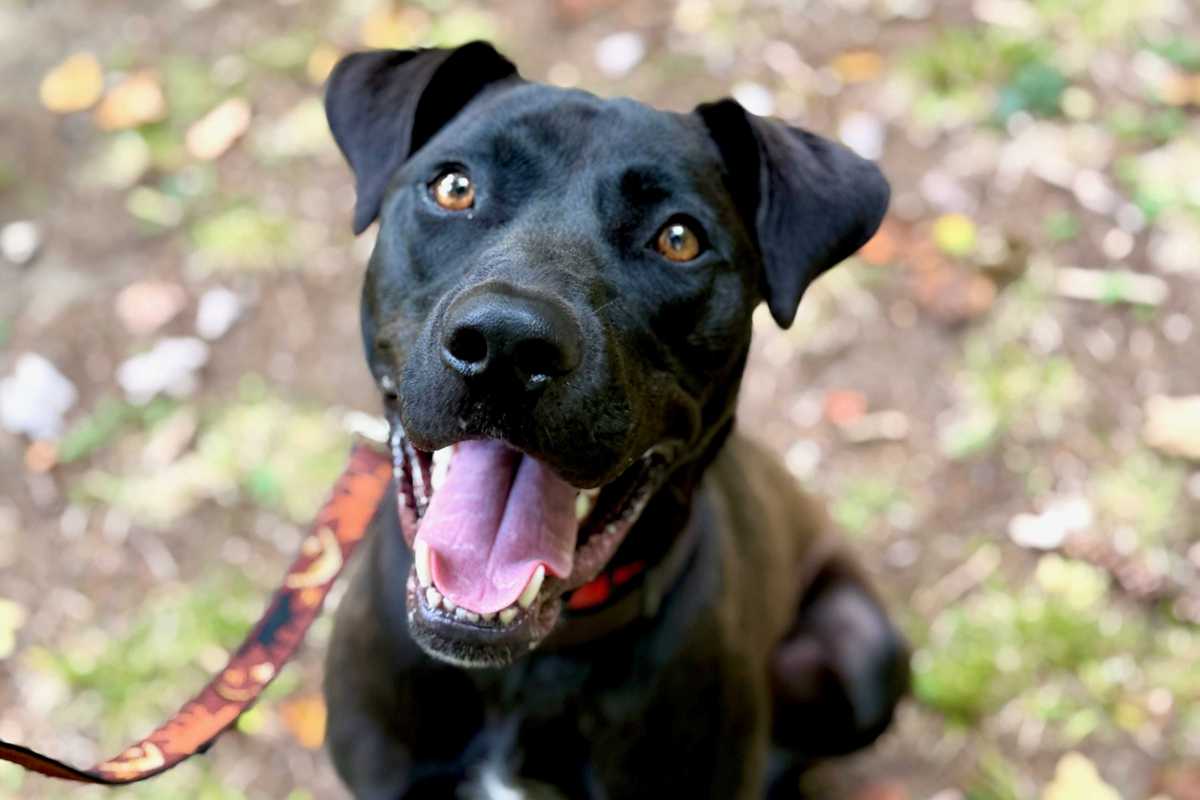
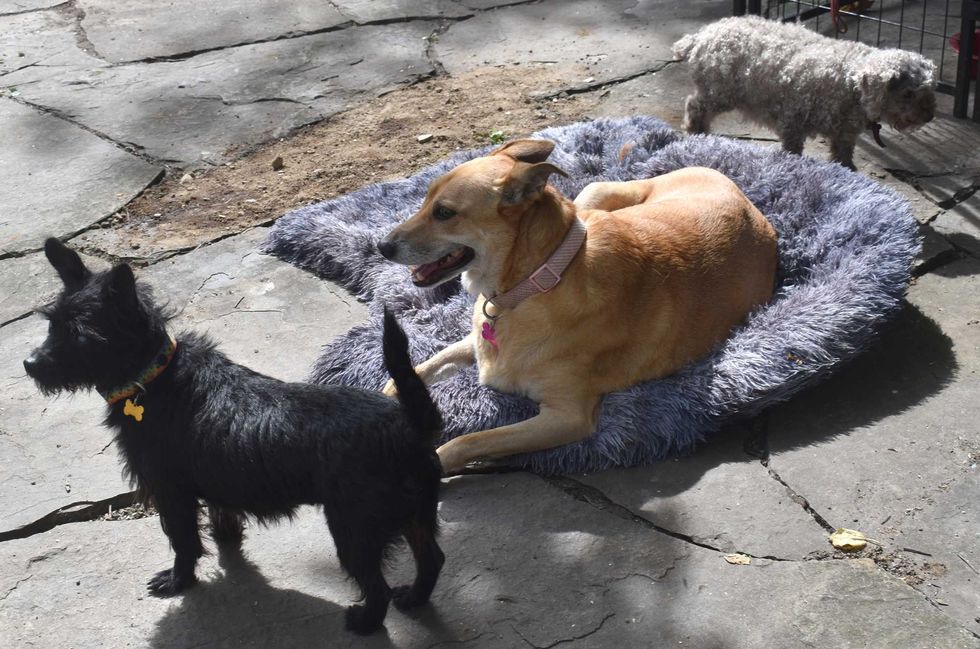
Marsala is eager to go home with you.

Jennifer Almquist

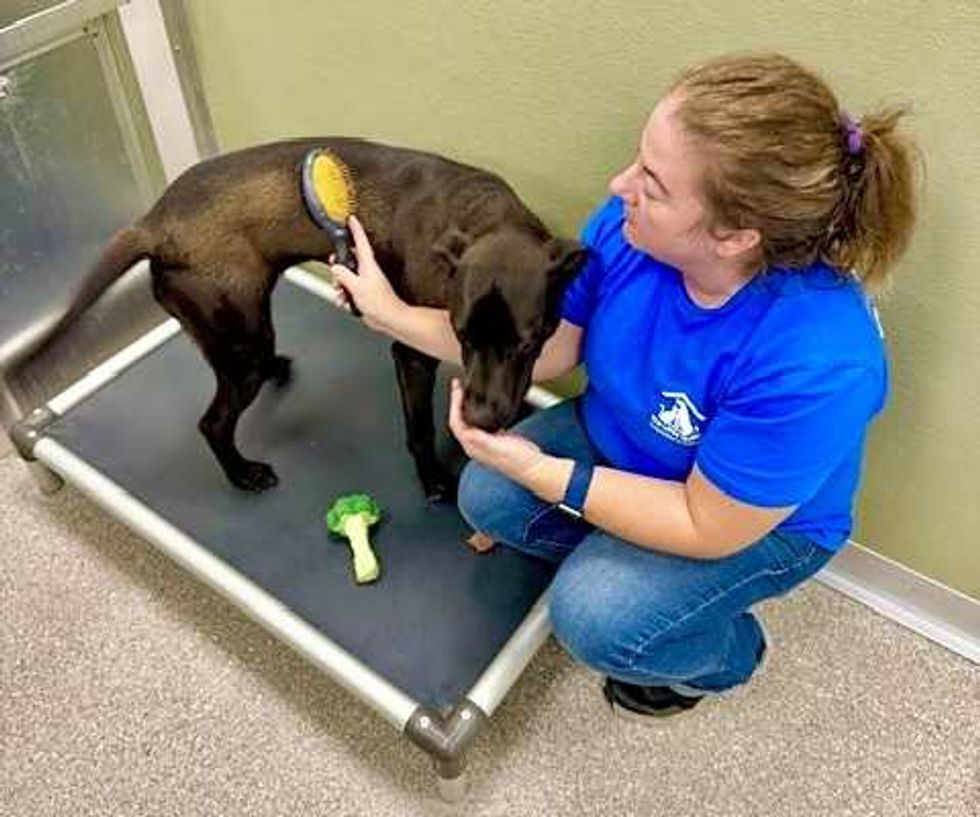
“It’s unbelievable that this sweet, loving boy hasn’t found his home yet,” said Tiffany Lemelin, shelter manager of The Little Guild, whose mission is to rescue, love and heal homeless cats and dogs. She smiled at the small dog wagging his tail. “This is one of the most deserving dogs you could ever meet, with so much love to give.”

Marsala is an energetic, 1-year-old, 45-pound black Labrador mix waiting to be adopted. He arrived March 25 as a stray named “Chicken” from Toccoa, Georgia.

Keep ReadingShow less
google preferred source

Want more of our stories on Google? Click here to make us a Preferred Source.

A second chance in Wingdale

A second chance in Wingdale

Sampson, a playful and independent blind hound mix, explores the rescue’s large yard.

L. Tomaino

Meade Canine Rescue and Sanctuary is not the average rescue. Situated on a quiet dirt road on 8 acres in Wingdale, the dogs living there are, for the most part, uncaged, roaming the yard, sleeping in the house, resting in the shade of a tree or lounging in the open van that often takes them for rides.

“We go on lots of adventures,” said the rescue’s founder, Charlotte Meade.

Keep ReadingShow less
The bear necessities of living in bear country

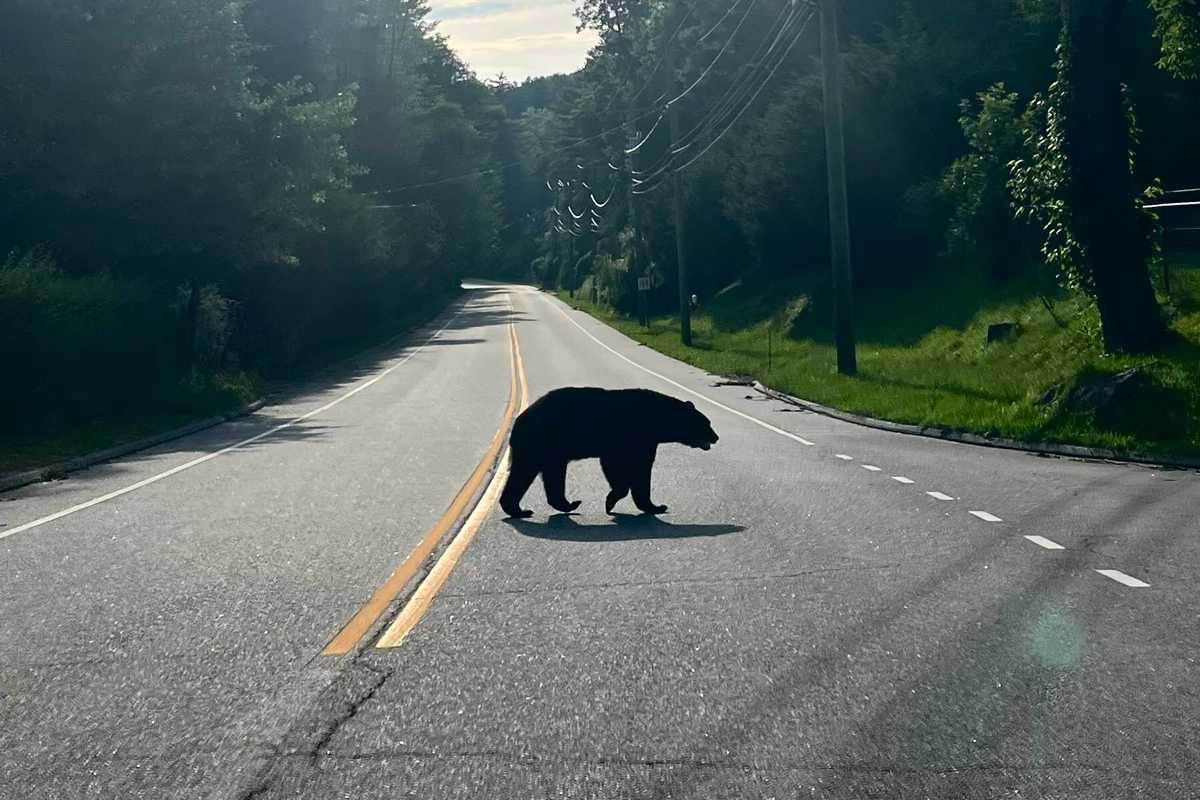
A bear outside Cornwall Consolidated School in West Cornwall.

D.H. Callahan
Take down bird feeders when bears are active. Secure garbage cans left outside, and never leave pet food or trash on porches, screened-in or otherwise.

This here is bear country. In fact, Connecticut has an unusually high rate of bear home entries compared with neighboring states. So far this year, the state has documented more than 60 home entries, and bears have been spotted in all 169 towns and cities.

Bears are also part of life in neighboring Dutchess County. But don’t worry. It’s not as bad as it sounds.

Keep ReadingShow less

When your pet needs help after hours

When your pet needs help after hours

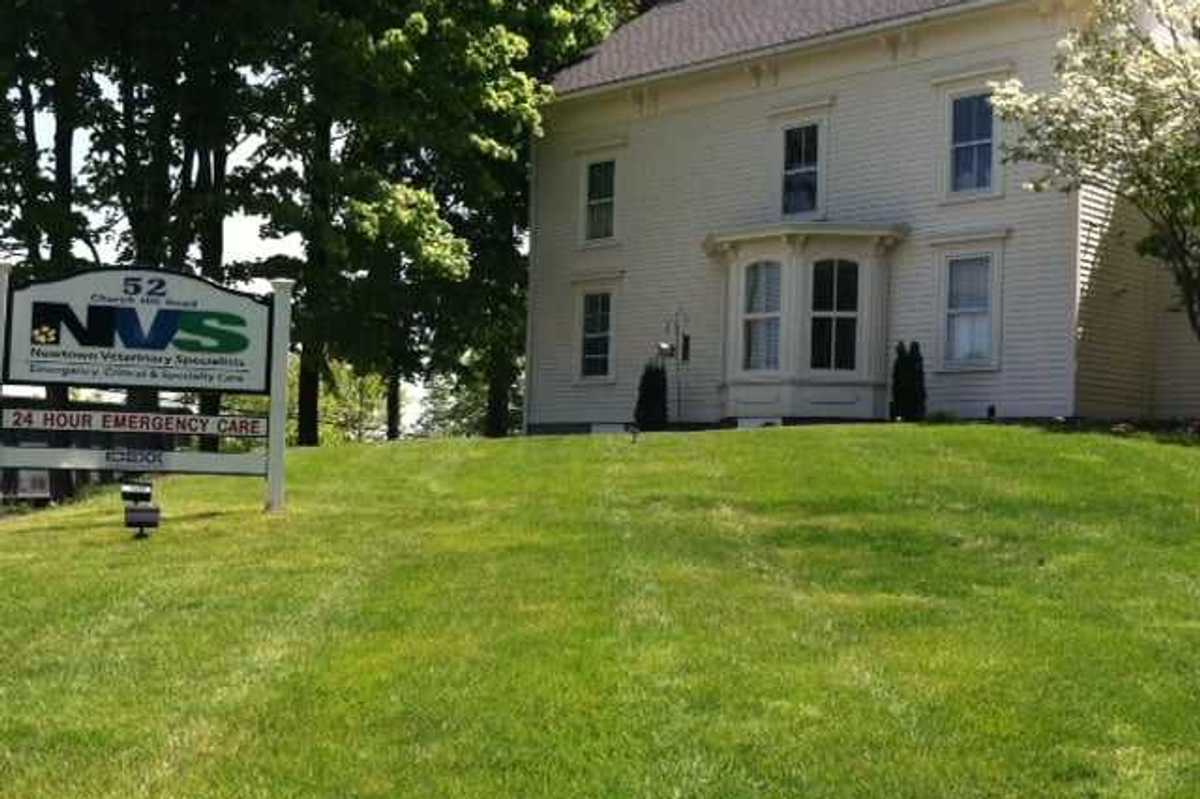
Newtown Veterinary Specialists

Provided

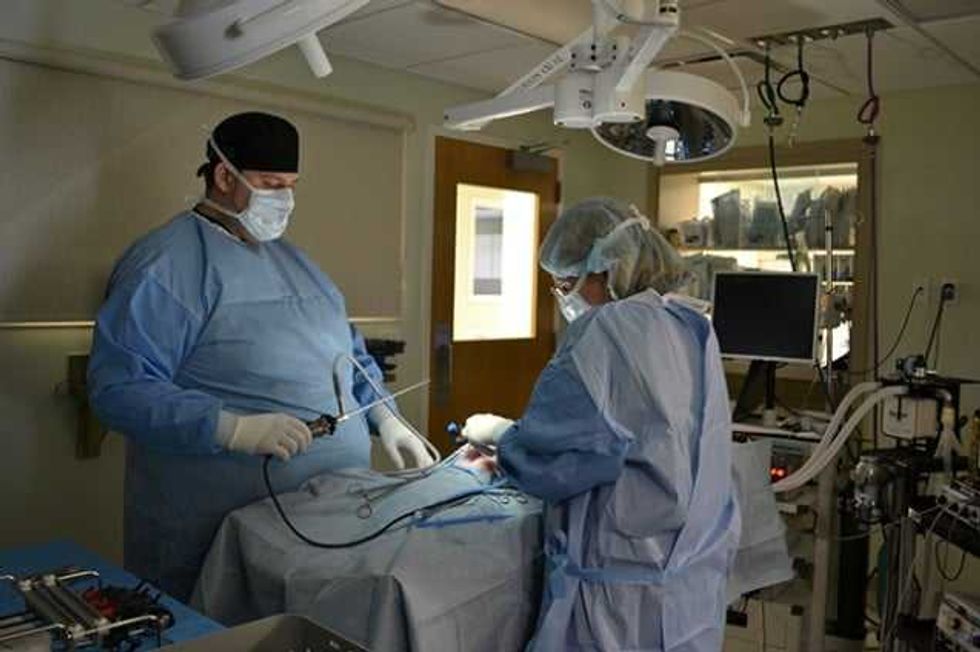
Anyone who has ever had a dog swallow something it shouldn’t, a cat suddenly struggle to breathe or a pet get hurt late at night knows how quickly panic can set in. In our corner of the world, there’s an added complication: emergency veterinary care may mean getting in the car and driving some distance.

That makes it worth knowing your options before you need them — and knowing the difference between a local veterinary practice that can handle an urgent case and a fully staffed, 24-hour emergency hospital.

Keep ReadingShow less
google preferred source

Want more of our stories on Google? Click here to make us a Preferred Source.

google preferred source

Want more of our stories on Google? Click here to make us a Preferred Source.