“We have found that clients will choose to feed their pets before they feed themselves.”— Allison Gray, The Corner Food Pantry board member and longtime volunteer
WEST CORNWALL — Across the Northwest Corner, financial hardship, housing restrictions, illness and other life changes are leaving some residents struggling to continue caring for their pets.
Local food pantries, veterinary assistance programs, animal-control officers and neighbors are helping owners keep animals they might otherwise surrender. But when that support is not enough, shelters and rescue organizations become the remaining option.
Officials at The Little Guild, a nonprofit animal shelter in West Cornwall, said financial hardship played a role in more than half of the animals relinquished by their owners this year. Through Aug. 27, the organization had taken in 62 animals, including 35 surrendered by their owners. The shelter was operating at capacity in late August.
“The stories behind the surrenders are as varied as they are heartbreaking,” said Executive Director Jenny Langendoerfer.
“Intake” is the umbrella term for animals entering a shelter’s care. It can include owner surrenders, strays, animals brought in by animal control, transfers from other shelters and other categories. An owner surrender, technically called “relinquished by owner,” also includes the return of an adopted animal.
The owner of Sadie, a 3-year-old shepherd-pit bull mix, surrendered his dog after moving to a gated community in the South that did not allow pets. The owner, who was not identified, had lived with Sadie for two and a half years.
“He sobbed when he left,” recalled Susan Boucher, shelter manager at The Little Guild.
Sadie is now waiting for another home.
During a recent tour of the shelter, Boucher and Cassidy Humphrey, The Little Guild’s feline manager and animal care coordinator, introduced Sadie and several other animals awaiting adoption.
Among them were Noodle, 1, and Whisper, 2, two male cats that arrived frightened in separate cages and gradually became inseparable.
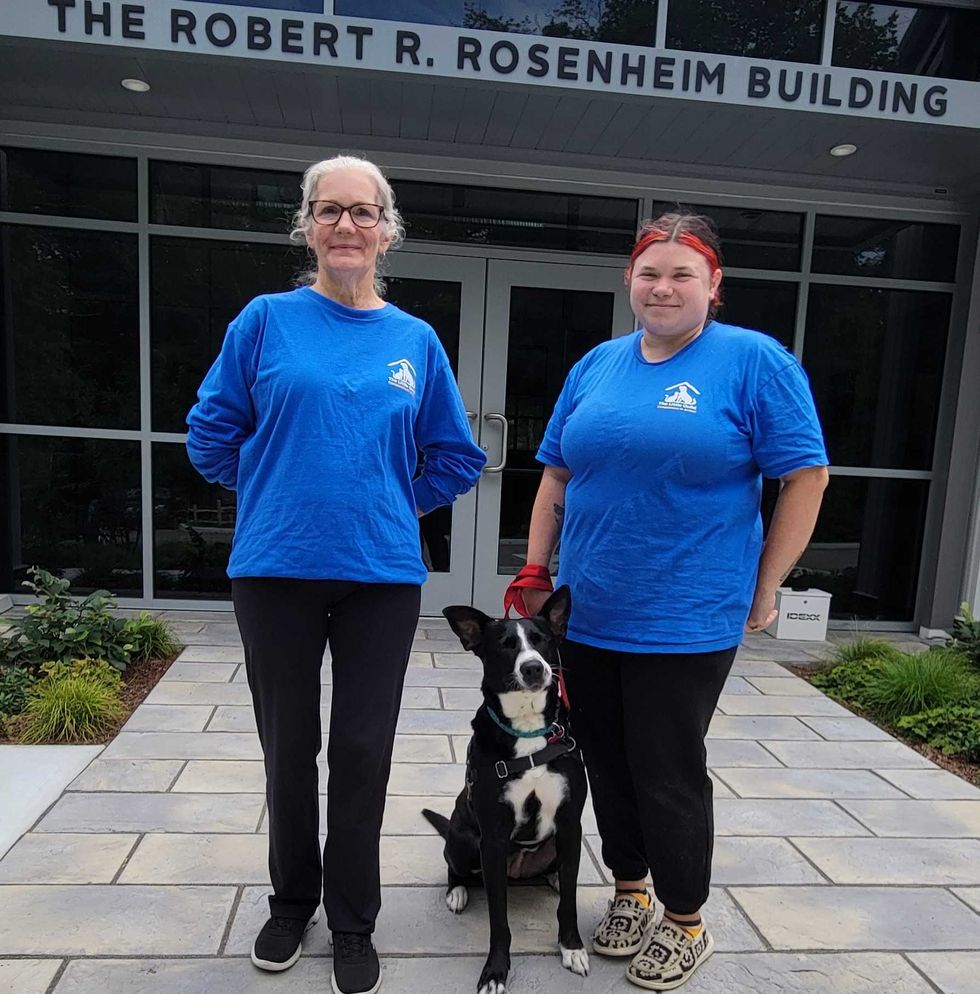 Program Manager Susan Boucher, left, and Cassidy Humphrey, animal care coordinator at The Little Guild in West Cornwall, stand with Sadie, a 3-year-old dog recently surrendered after her owner moved. Debra A. Aleksinas
When keeping a pet becomes a financial calculation
Boucher said the circumstances described in surrender applications often overlap. They include people moving and being unable to take their pets, families inheriting unwanted animals, allergies, moves into senior housing where pets are not permitted and households discovering they can no longer absorb the cost of another mouth to feed.
“It’s a multitude of reasons,” Boucher said.
Anyone seeking to surrender a pet to The Little Guild must complete an online placement request form. Applicants must be the animal’s legal owner and provide proof of ownership. Shelter staff generally respond within about two business days.
There is no surrender fee, although donations are appreciated. The shelter maintains a waiting list because the number of animals needing placement typically exceeds its available space. Wait times vary.
Veterinary care can be an especially difficult expense for residents with limited incomes.
The Little Guild’s donor-funded Lasey Fund provides veterinary-care vouchers to Litchfield County residents who apply and qualify financially. It covers a range of needs, with an emphasis on preventive care, vaccinations, spaying and neutering, and dental work. The fund can also cover specialty surgeries. Over the past year, approximately $25,000 was spent assisting financially struggling pet owners, according to Langendoerfer.
“Those in need are invited to attend and inquire,” said Langendoerfer. Those services are made possible by community donations.
The Little Guild also holds vaccination clinics periodically, which offer residents free vaccines and wellness checks.
Boucher said several animals at a recent vaccination clinic were found to have dental problems. Some owners then applied to the Lasey Fund, and three animals were scheduled for dental procedures.
The goal is to address problems while they are still manageable rather than allowing them to develop into illnesses that are more expensive—and sometimes impossible—to treat.
When food becomes a choice
For some pet owners, the most immediate need is food.
At The Corner Food Pantry in Lakeville, pet food was not always part of the regular offering. Allison Gray, a longtime volunteer and current board member, said clients began requesting it. As demand increased, the pantry began providing canned and dry pet food every week. Some weeks, the canned food runs out.
“We have found that clients will choose to feed their pets before they feed themselves,” Gray said.
The Little Guild’s Pet Pantry also has expanded over the past six years. It provides food and supplies, including litter, beds, leashes and carriers, and reaches residents through partnerships with food pantries and social-service organizations across the region.
Its partners include The Corner Food Pantry in Lakeville, Fishes and Loaves Food Pantry in North Canaan, the Norfolk Food Pantry, Winchester Social Services, Friendly Hands Food Bank and F.I.S.H. in Torrington, and Litchfield Social Services through the Annex Co-op Pantry.
“There are people who are going without food for themselves because they have to buy the animal’s food,” Boucher said.
She has seen people stretch limited supplies by feeding their animals rice, which she said does not provide adequate nutrition for pets.
Gray believes the availability of pet food has helped many pantry clients keep their animals.
A shelter can only take so many
As of late August, The Little Guild had capacity for 18 dogs, including one kennel reserved for the town of Cornwall’s animal control officer, and 25 cats. It can accommodate up to 30 cats when a litter of kittens is housed together. Some cats also are placed in temporary foster homes.
Pending adoptions were expected to create room for additional surrenders, Langendoerfer said. Through Aug. 27, The Little Guild had completed 48 animal adoptions this year, with others pending.
The organization opened its new facility on Sharon-Goshen Turnpike in May. The $3.75 million project was funded entirely through community support and local foundations.
During construction, The Little Guild operated from a temporary site at Foote Field on Furnace Brook Road in West Cornwall. The temporary operation consisted of two trailers and a small kennel. The organization’s former facility was replaced by the new shelter on the same Sharon-Goshen Turnpike property.
The new building has expanded The Little Guild’s ability to quarantine animals, conduct wellness clinics and operate the Pet Pantry. Langendoerfer said its design also reduces stress for animals and should eventually allow the organization to rescue substantially more animals.
Statewide numbers tell a complicated story
Connecticut’s shelter data present a mixed picture. The state recorded 79,536 surrendered animals in 2025, down 21.91% from 101,853 in 2024, according to Shelter Animals Count data cited by CT Insider.
Despite that decline, shelters in some parts of the state have reported problems with abandonment, crowding and animals remaining in their care longer.
In January, Hartford Animal Control Officer Sherry DeGenova told WFSB that she was receiving five or six calls a day from residents who could no longer care for their pets. The news outlet reported that there was a recent surge in the number of dogs and cats being abandoned in various locations, including during freezing conditions.
The Connecticut Humane Society reported that some animals were remaining in its care for more than three weeks, compared with only a few days previously, according to CT Insider. Longer stays can contribute to crowding even when fewer animals are being surrendered.
Animal-control officers serving the Northwest Corner said they are not seeing the same degree of strain reported elsewhere in Connecticut.
Helping owners before they surrender a pet
Lee Sohl, animal control officer for Kent, Salisbury, Sharon and Cornwall, has served Kent for 35 years. When she began, she picked up about 60 dogs annually in Kent alone. By contrast, she now typically handles just 20 to 25 dogs a year across all four towns.
Although those figures do not directly measure owner surrenders, they offer a long-term view of the local animal-control system. Sohl attributes this decline partly to a shift in mindset: people now ask for help before giving up their pets.
“They call and just don’t know what to do,” Sohl said. “And that’s the point where animal control will try to help them. We want people to keep their pets.”
Modern communication plays a major role in that support network. Sohl uses Facebook to educate residents about lost pets, hot-weather dangers and other concerns. At the same time, local online networks connect residents who need help with neighbors who have resources to share. Someone with extra dog food can quickly find an owner in need, while a resident seeking pet supplies can easily connect with a donor nearby.
That same spirit of community extends to search efforts. Residents, Sohl said, consistently step up when a pet goes missing or is found.
“If a dog gets lost here in the Northwest Corner, people are so helpful,” Sohl said. “They want to help because it’s really a great community.”
While community networks help keep pets in homes, neighboring towns face different structural challenges. In North Canaan, Animal Control Officer Lindsay Burr sees how limited access to veterinary care can contribute to a distinct set of problems: cats that are not spayed or neutered, unwanted litters and growing feral-cat populations.
“A lot of people here can’t afford the veterinary care,” Burr said.
To address these gaps, Burr tries to connect residents with discounted services, particularly preventive care and spaying and neutering. She also responds when animals are outright abandoned.
Abandonment cases often rely on regional rescues to step in. This year, a bulldog was found wandering on Sand Road in Falls Village in the middle of the night. The dog had no microchip and was never claimed, so The Little Guild helped arrange for him to be vaccinated and neutered, and a prospective adopter was recently scheduled to meet him.
The Little Guild handles many success stories that emerge from difficult beginnings.
Boucher recalled a heartbreaking farewell between an elderly man and his 7-year-old dog. The man had recently lost his wife and was struggling to care for the animal, but wanted it to receive the care and affection it deserved.
Happily, that story reached a peaceful closure: after the dog was adopted, the man received photographs of his former companion walking and smelling flowers, and told Boucher, “I know now that I did the right thing.”


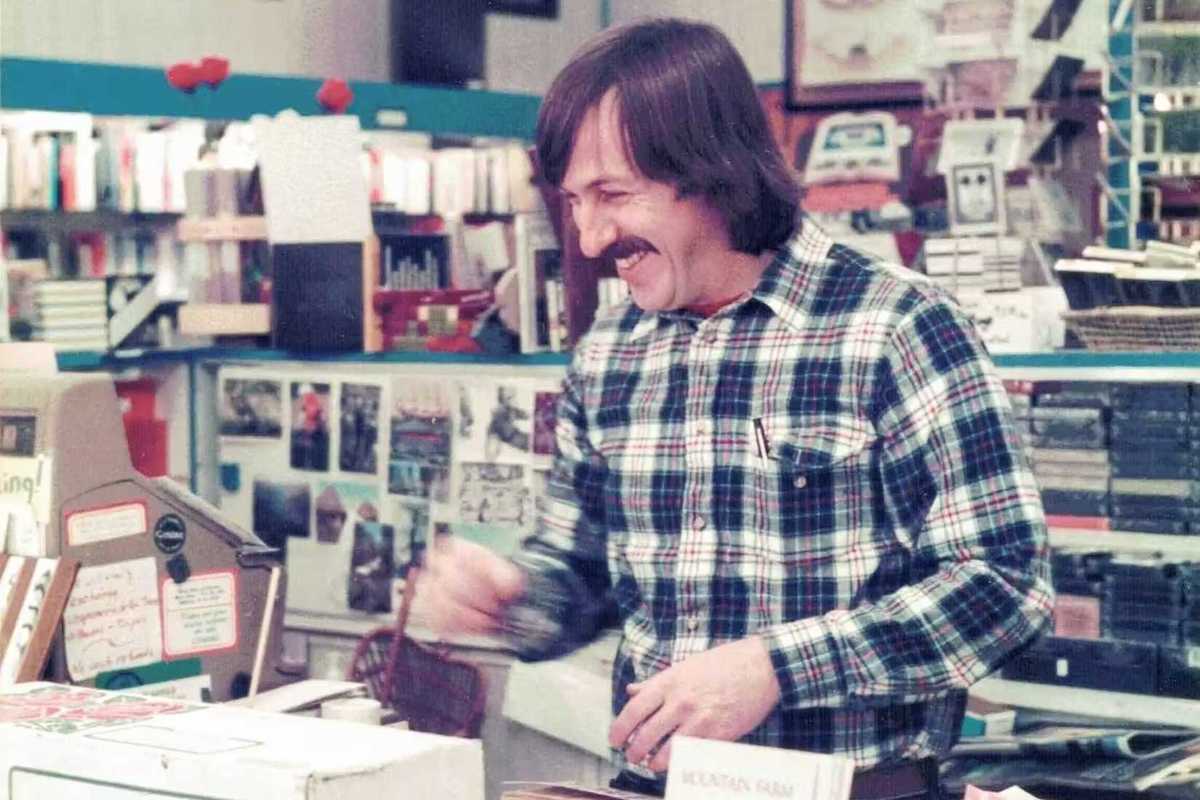
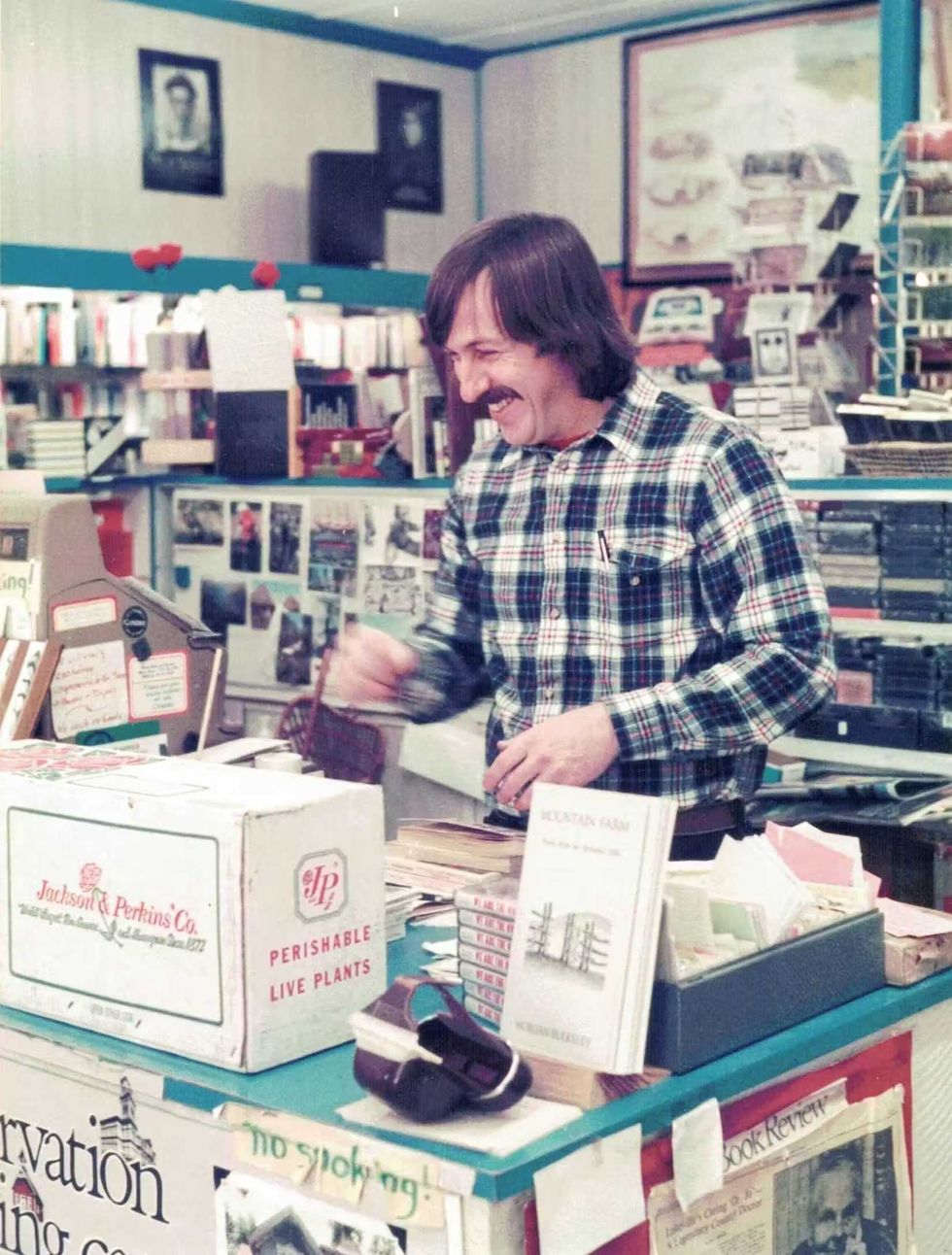 Dick Hermans in the Oblong Bookstore on Millerton’s Main Street in 1985.Provided
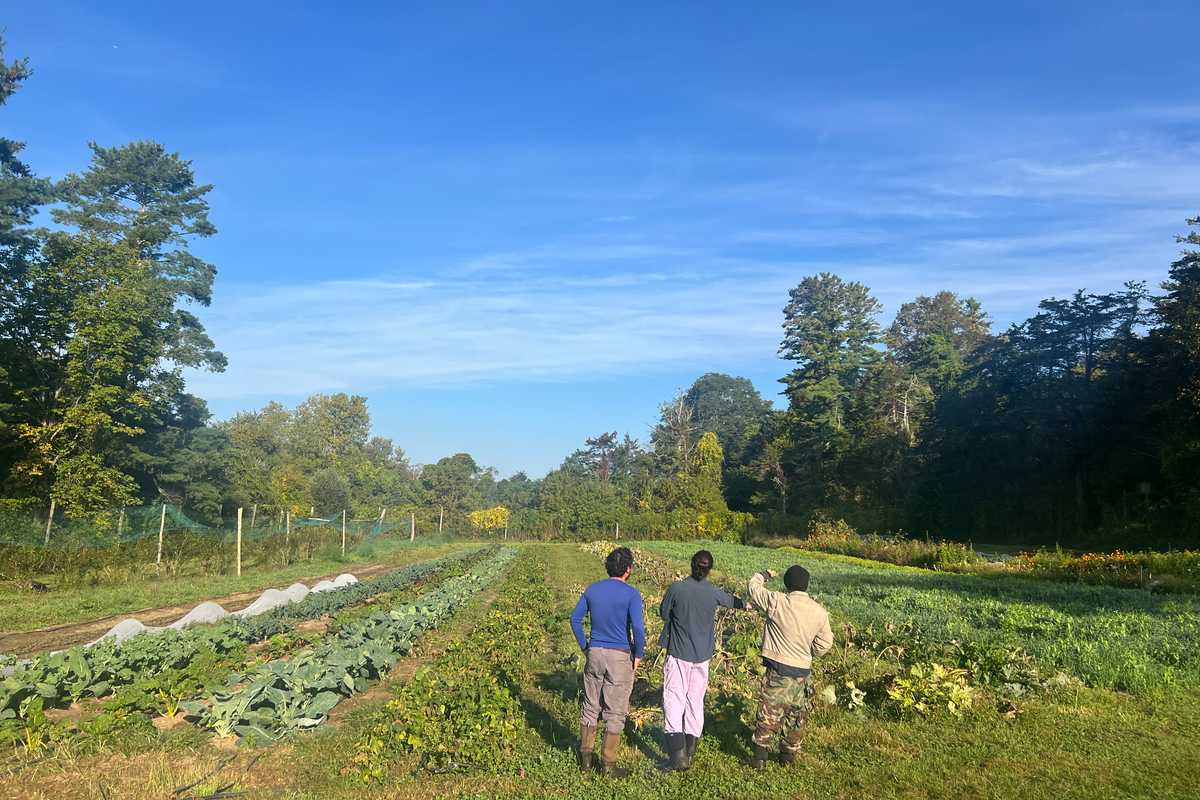
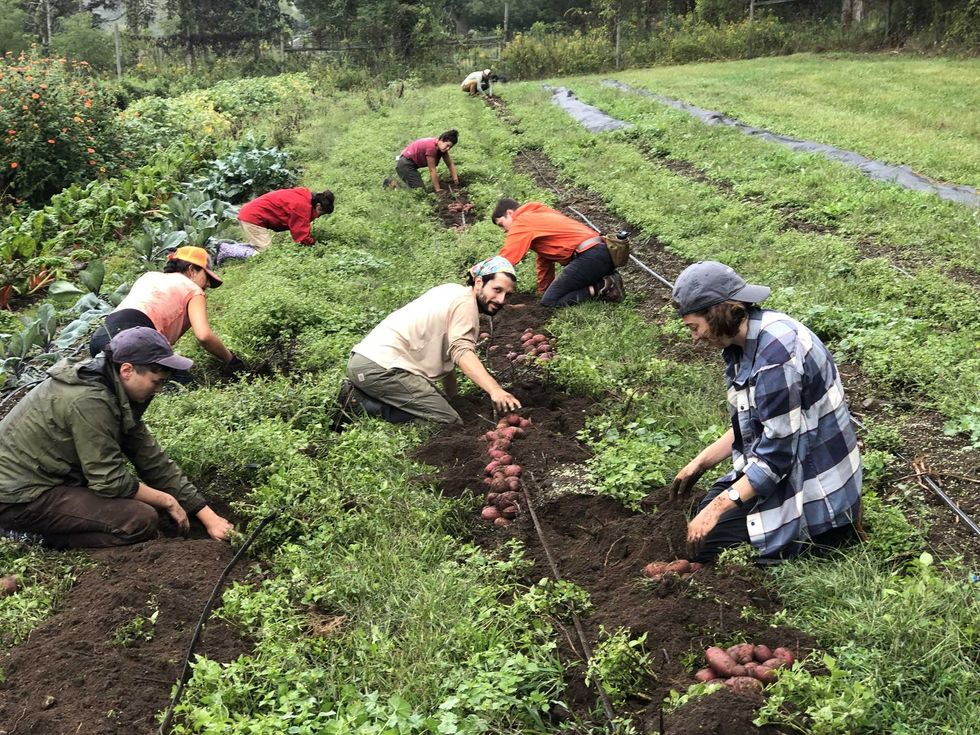 Fall storage crop harvests amid soil building cover crops at Adamah Farm in Falls Village. Janna Siller

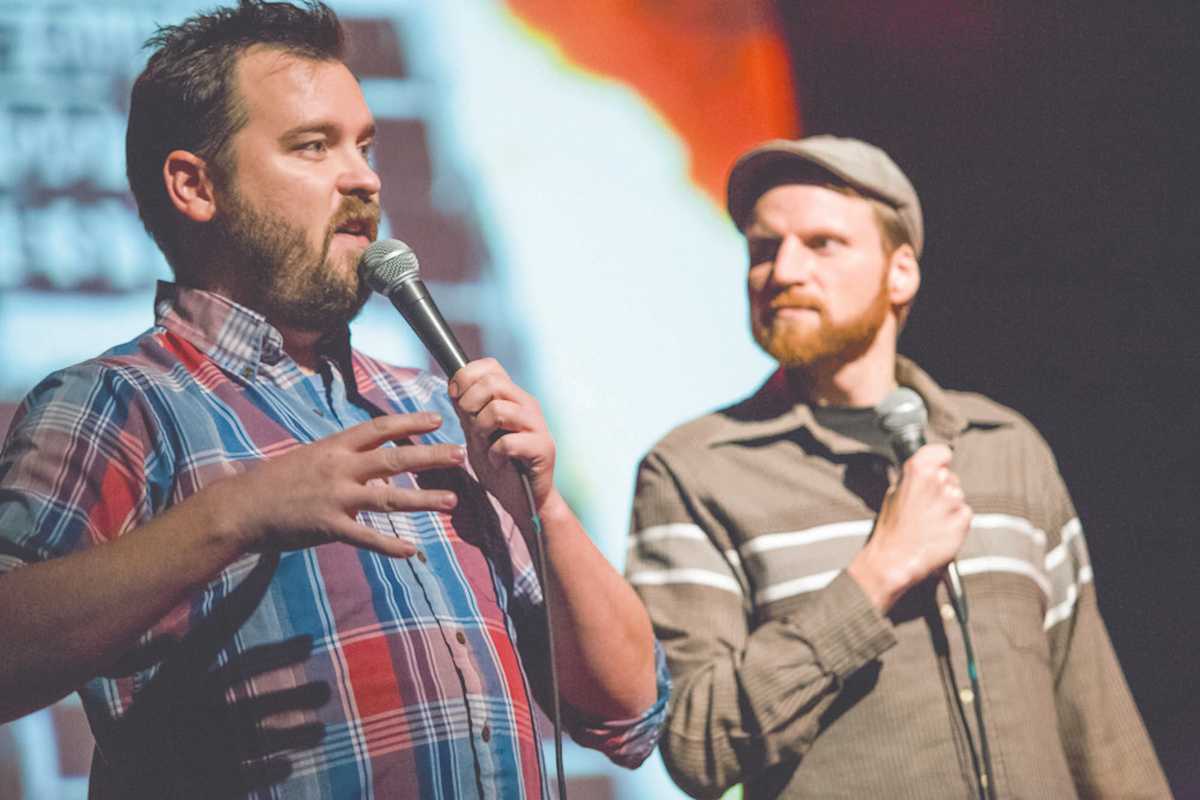
 The Found Footage Festival is a “celebration of the videos that time forgot.”Provided by Found Footage Festival